

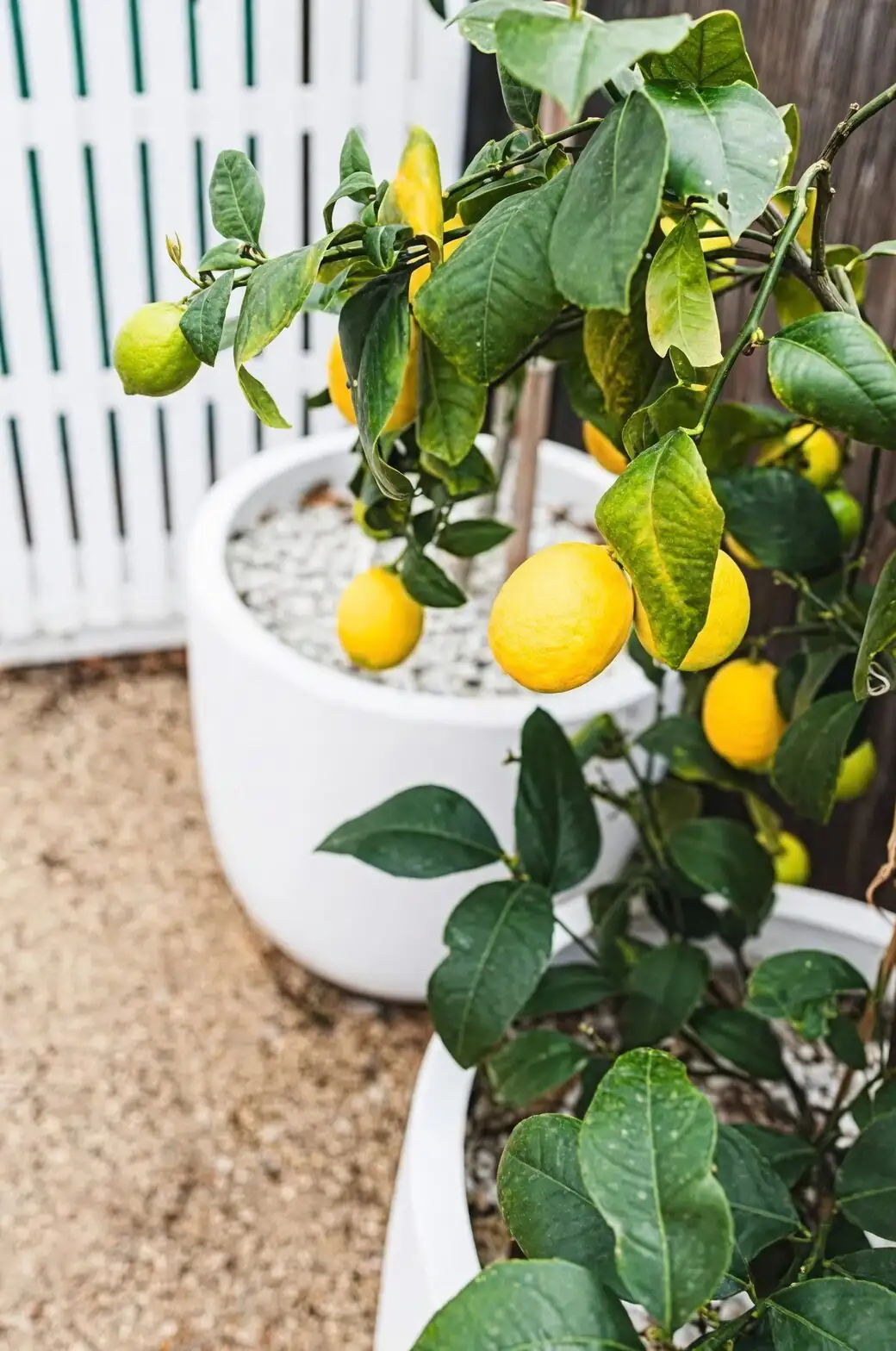
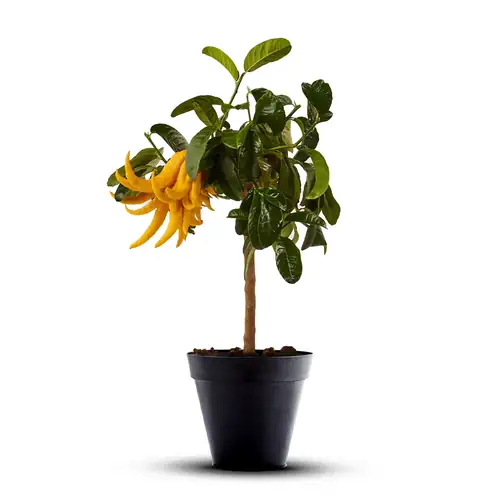
If you’ve fallen for the perfume and sculptural, fingered fruits of Buddha’s Hand Citron (Citrus medica var. sarcodactylis), you’re in good company. This warmth-loving, evergreen citrus makes a stellar winter showpiece on a bright windowsill—more heirloom sculpture than juice factory. Ready to make more? Here’s your side-by-side masterclass comparing three proven clonal methods—June–July cuttings, March–April grafting on citrus rootstocks, and May–July air-layering—so you can pick the one that fits your space, skill, and schedule.
The quick idea: all three methods clone the exact traits of a plant you love. Cuttings and air-layering create own-root plants. Grafting lets you marry Buddha’s Hand onto a citrus rootstock (citron or lemon) that can boost vigor and adaptability.
Why timing matters: Buddha’s Hand is at its best for propagation in warm, bright conditions—typically 22–28°C (72–82°F)—with good airflow and no waterlogging. Midday scorch is real in summer, so give light noon shade while you root, graft, or layer.
Propagation method 1: June–July cuttings (semi-hardwood)
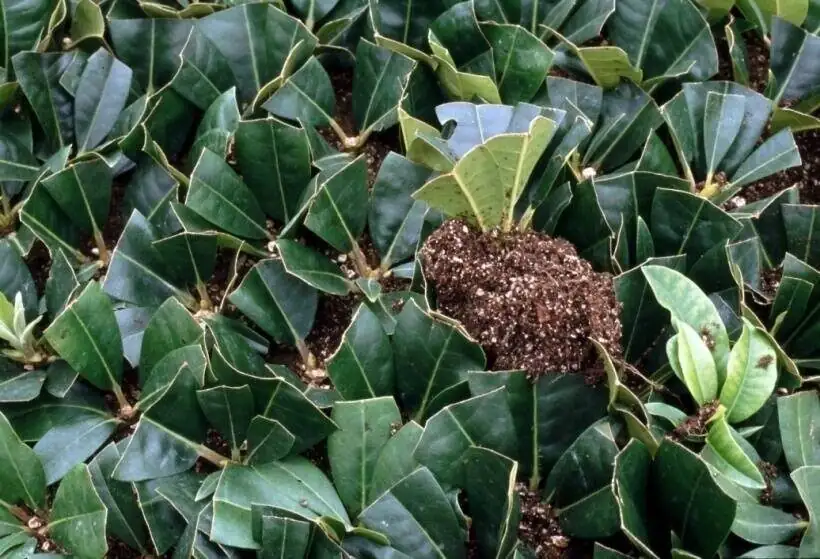
Best for: Windowsill growers and hobbyists who want a compact, own-root plant and don’t have rootstocks on hand.
What to take
- Material: Firm shoots from the previous season’s spring or autumn growth (semi-hardwood).
- Size: 10–12 cm (4–5 in) with 4–5 buds.
How to do it
1) Prep the cutting: Remove lower leaves, keep 1–2 small leaves at the tip. Make a fresh, clean cut. Lightly wound the base.
2) Rooting hormone: Dip the base in a citrus-appropriate rooting hormone.
3) Medium and pot: Use a free-draining, slightly acidic, sandy mix. Pre-moisten—never soggy.
4) Environment: Bright light with gentle noon shade, 22–28°C (72–82°F). Maintain high humidity (cover or mist), but ventilate daily to avoid fungus. Good airflow is essential.
5) Watering: “Water when nearly dry, then water deeply.” Avoid standing water.
Timeline
- Roots form in about 30–35 days.
- New shoots emerge in about 60–70 days, then pot on.
Typical success rate
- Moderate for home growers. With hormone, warmth, and humidity: often 40–70%. Without steady warmth/humidity, expect less.
Pros
- Simple setup; no rootstock needed.
- Own-root plants stay naturally manageable in containers.
Cons
- Moderate strike rates; can be finicky if overheated or overwatered.
- Own-root trees won’t gain any special stress tolerance a rootstock might offer.
Propagation method 2: March–April grafting on citrus rootstocks
Best for: Growers who want reliable take rates, faster establishment, and the benefits of a chosen rootstock (citron or lemon).
What to prepare
- Rootstock: Citron or lemon rootstock (healthy, actively growing).
- Scion: 6–8 cm (2.4–3.1 in) from 1–2-year-old shoots with 2–3 buds.
How to do it
1) Choose your technique: Whip/cleft grafts are common at bench height; T-budding or chip budding also works beautifully in this window.
2) Make the union: Fit scion and stock snugly with clean, sharp cuts. Secure with grafting tape or budding rubbers.
3) Humidity and light: Keep the union humid and shaded from harsh midday sun. Maintain 22–28°C (72–82°F).
4) Aftercare: Once the scion buds push, gradually reduce wrapping tension. Tip-prune later to shape.
Timeline
- New growth often appears about 40–50 days after grafting.
Typical success rate
- High with sound technique: frequently 70–90% for experienced grafters; 50–70% for first-timers.
Pros
- Rootstock choice can influence vigor and resilience; excellent for long-term container culture.
- Fast, clean unions in early spring; predictable results.
Cons
- Requires compatible rootstock and a bit more skill.
- Tool sanitation and humidity control are critical.
Pro tip
- In many citrus regions, budding (a type of grafting) is preferred for nursery production because it’s efficient and forgiving. If you’re new to grafting, try T- or chip budding in March–April when the bark slips.
Propagation method 3: May–July air-layering (marcotting)
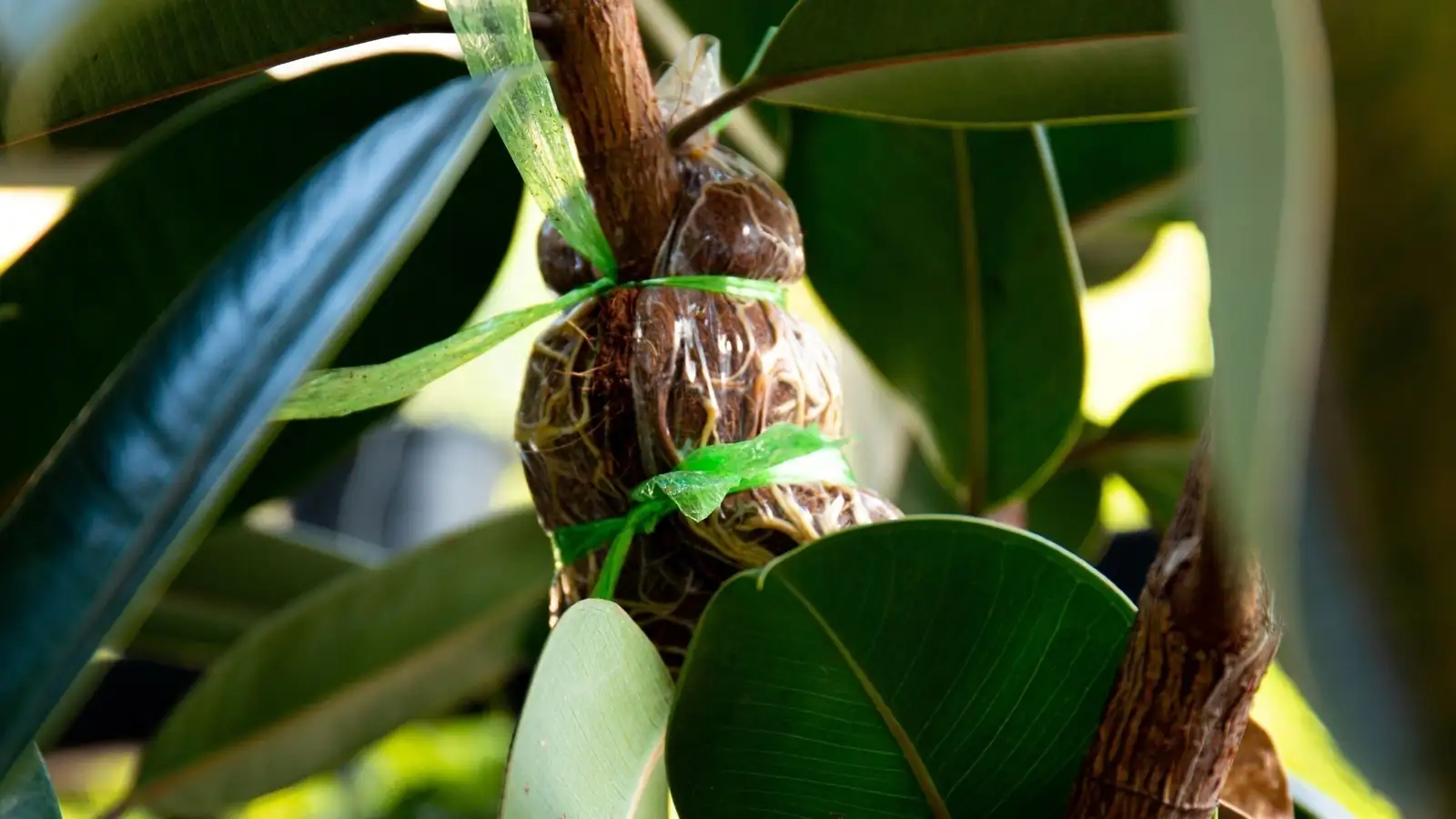
Best for: Those who want high odds and minimal kit—great when you’ve already got a nicely shaped, vigorous mother plant.
What to choose
- Material: A healthy, vigorous branch (pencil to finger thickness) that receives bright light but won’t bake at noon.
How to do it
1) Girdle: Remove a neat ring of bark. Lightly scrape the exposed wood. Dust with rooting hormone (optional but helpful).
2) Pack the layer: Wrap moist sphagnum or a coarse, airy medium around the girdle. Enclose in plastic, seal ends. Shield from direct midday sun.
3) Maintain moisture: The layer should stay evenly moist but never sopping.
Timeline
- Roots visible in about 30–40 days.
- Detach and pot after about 50–60 days.
Typical success rate
- High when moisture is steady: commonly 70–95%.
Pros
- Reliable, quick, and you can see roots before committing.
- Minimal tools; great for shaping—take a layer exactly where you want future branching.
Cons
- Produces own-root plants (no rootstock benefits).
- Failure risks: drying out the moss or letting it get waterlogged.
Which should you choose? A fast, gardener-friendly decision guide
- Small space, no rootstock, want simplicity: Choose June–July cuttings.
- Want vigor and long-term container performance: Choose March–April grafting on citron or lemon rootstock.
- Want the highest odds with minimal equipment: Choose May–July air-layering.
Speed to “ready-to-pot” and establishment
- Fastest visible roots: Air-layering (30–40 days to roots; detachable by ~50–60 days).
- Strong early growth: Grafting (scion push ~40–50 days; benefits of rootstock kick in quickly).
- Most compact startup: Cuttings (root ~30–35 days; pot on by ~60–70 days).
Skill level and gear
- Easiest: Air-layering (knife, moss, wrap).
- Intermediate: Cuttings (humidity control, rooting hormone, free-draining sandy mix).
- Most technical: Grafting/budding (clean cuts, alignment, wrapping, humidity management).
Space and plant size outcomes
- Own-root options (cuttings, air-layers): Naturally well-suited to 30 cm/12 in containers; easy to keep 60–150 cm (2–5 ft) with pruning.
- Grafted plants: Can be more vigorous; great if you want a lush display and potentially sturdier root system in pots.
Aftercare that makes or breaks success (for all three)
- Light: Bright with gentle midday shade in summer. Indoors, east or south window with airflow.
- Temperature: Aim for 22–28°C (72–82°F) during active growth. Protect from cold; damage can occur below ~4°C (39°F).
- Watering: The golden rule for Buddha’s Hand is “water when nearly dry, then water deeply.” Never let pots sit in water; waterlogging triggers leaf and fruit drop.
- Soil: Slightly acidic, fertile, and very free-draining. A loam-based mix with leaf mold/compost plus coarse sand works well.
- Feeding: Skip fertilizer for new pot-ups the first year. Thereafter, feed during active growth; once fruit sets on mature plants, a weekly citrus fertilizer with micronutrients keeps quality high.
- Pruning and thinning: Keep a balanced shape and airflow. Thin spring flowers and favor summer bloom/fruit for better quality; aim for roughly one fruit per branch for show-stopping displays.
Clean plant material and hygiene
- Always use clean, disease-free budwood and sanitize tools before each cut. In many regions, certified clean budwood programs exist to reduce the risk of deadly citrus diseases spread by insects and movement of plant material.
- Good airflow and avoiding soggy media help prevent fungal problems. If pests like aphids or scale show up, treat early with citrus-safe horticultural oil or soap.
How each method fits your long game
- Cuttings: Own roots, manageable vigor—ideal for long-term indoor-outdoor container life where you can fine-tune watering. Moderate learning curve; moderate success.
- Grafting on citron or lemon: Higher, more predictable take; rootstocks can improve overall performance and stress tolerance. Great for those who want a robust show plant.
- Air-layering: The surest short-term win—especially if you want to clone a particularly shapely branch. Quick roots, minimal kit, excellent odds.
A quick note on symbolism and “flower language”
Buddha’s Hand is an old cultural symbol in East Asia, displayed for good fortune, longevity, and blessings—especially around the Lunar New Year. Its “flower language” is really the language of the fruit’s form: those outstretched “fingers” suggest offering, protection, and auspicious energy. Gardeners amplify that symbolism by thinning flowers and fruit so each branch carries a single, perfectly formed citron—an intentional act of curation that turns horticulture into ritual.
Why we love growing it at home
- Evergreen gloss and delectable perfume from intermittent blossoms.
- Fruits that scent a room for days and candy into ambrosial peel.
- A winter display that feels like a living sculpture—especially satisfying when you propagated it yourself.
Bottom line
- Start with air-layering if you want the highest odds and quick roots.
- Choose grafting in March–April if you value a high, professional finish and the benefits of a citron or lemon rootstock.
- Use June–July cuttings if you prefer own-root plants and a straightforward, bench-friendly method.
Whichever route you take, keep the plant warm, bright, and never waterlogged. With steady hands and steady conditions, Buddha’s Hand will reward you with a fragrant, golden “hand” that blesses your space all winter long.