

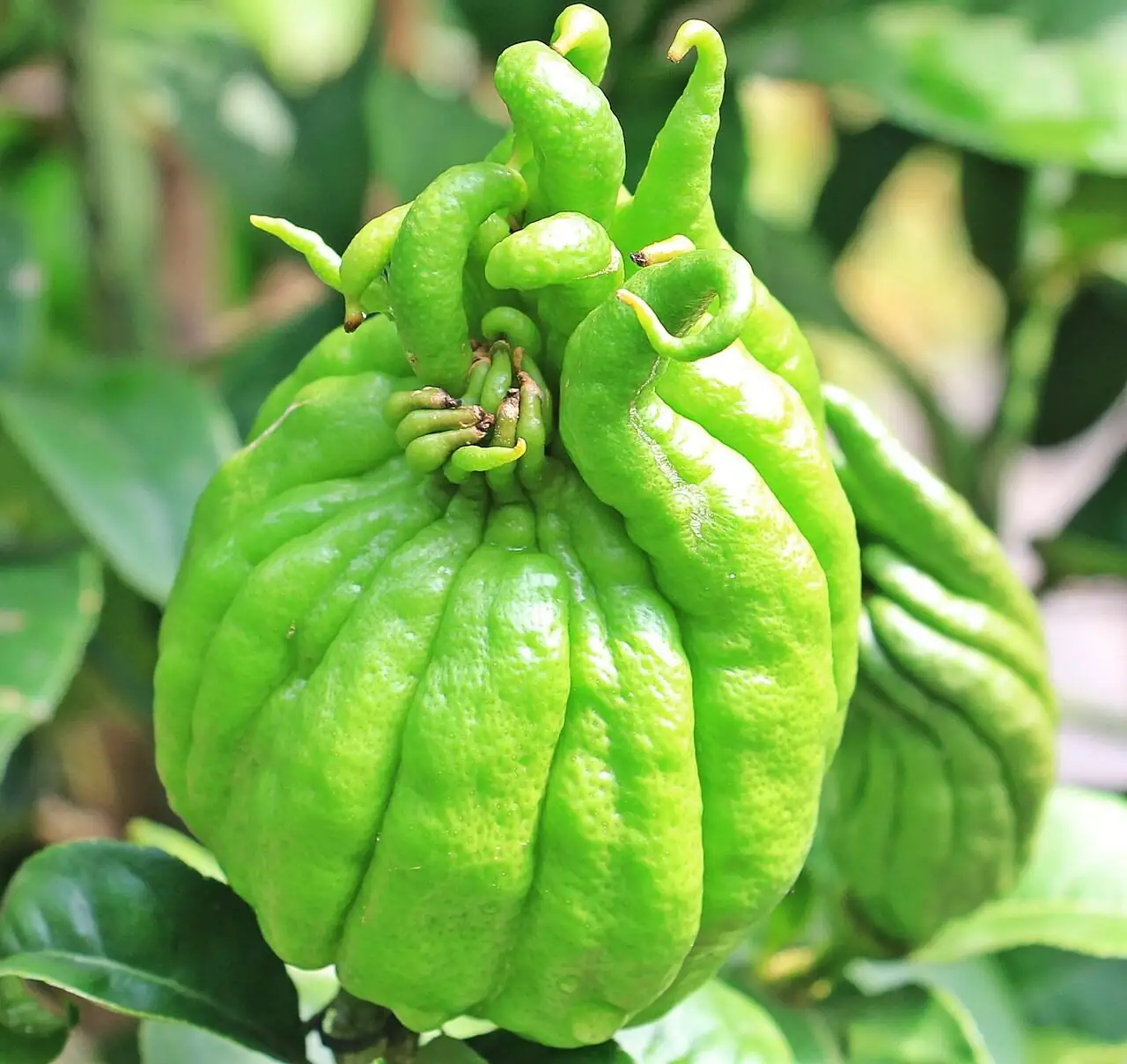
If your Buddha’s Hand citron just went from dazzling centerpiece to sticky, sooty, or mysteriously shedding leaves and fruit, don’t panic. This warmth-loving citrus is dramatic—but very fixable. Here’s your fast, field-tested playbook for diagnosing and correcting the big four headaches: honeydew, black sooty mold, sudden drop, and waterlogging—plus citrus-safe controls and airflow tricks that actually work.
Start here: stabilize the “big three” (light, temperature, water)
Get these right and most problems fade fast.
- Light: Bright light with some direct sun; protect from harsh midsummer midday sun to avoid leaf scorch. An east or south window/balcony with good airflow is ideal.
- Temperature: Grows best at 22–28°C (72–82°F). Cold damage below ~4°C (39°F). For winter display, aim for a bright, cool 5–12°C (41–54°F) to hold fruit and reduce stress. Avoid prolonged indoor temps below 8°C (46°F) or above 35°C (95°F).
- Watering rhythm: Water thoroughly, then wait until the top layer just begins to dry. Evenly moist in active growth, never soggy. In summer heat, don’t let it bone-dry; in winter, keep slightly drier. While carrying fruit, be extra strict about no standing water.
Soil and pot basics:
- Use a fertile, free-draining, slightly acidic mix (loam + leaf mold/compost + coarse sand). Avoid alkaline media.
- Pot must drain freely; never let the pot sit in a saucer of water.
- Repot about every 2 years in early spring; refresh mix and lightly prune to rebalance after any root work.
Airflow baseline:
- Indoors: give space from walls, run a gentle oscillating fan, and rotate the plant weekly.
- Outdoors: bright site with light midday shade and natural breezes; shelter from cold winds.
—
Sticky honeydew (with or without ants): your 15-minute save
What it means
- Sap-sucking pests—usually aphids, scale, mealybugs, or whitefly—are feeding and excreting sticky honeydew. Ants often “farm” these pests and protect them.
Quick confirm
- Look for clusters of soft-bodied insects on new growth, leaf undersides, or along stems. Scale appear as immobile bumps; mealybugs look like tiny cotton tufts.

Fast cleanup (right now)
- Isolate the plant from others if possible.
- Rinse or wipe leaves with lukewarm water and a drop of mild liquid soap to remove honeydew.
- For mealybugs in crevices, dab with a cotton swab lightly moistened with isopropyl alcohol; test one leaf first.
Citrus-safe controls that work
- Horticultural oil or insecticidal soap: Smother soft pests and can also help suppress sooty mold. Thoroughly coat upper and lower leaf surfaces and stems.
- Timing: Cool morning or evening. Reapply 7–10 days later to catch new hatchlings.
- Precautions: Don’t spray when the plant is water-stressed or temperatures exceed ~32°C (90°F). Don’t mix with sulfur products; do not substitute cooking oils.
- Ant control: Disrupt the ant “protection service” with sticky barriers on pot stands and ant baits placed off the pot. Avoid spraying household insecticides on the plant.
Pro tip: Repeat light pruning to open the canopy so your spray actually reaches pests—and to speed leaf drying.
—
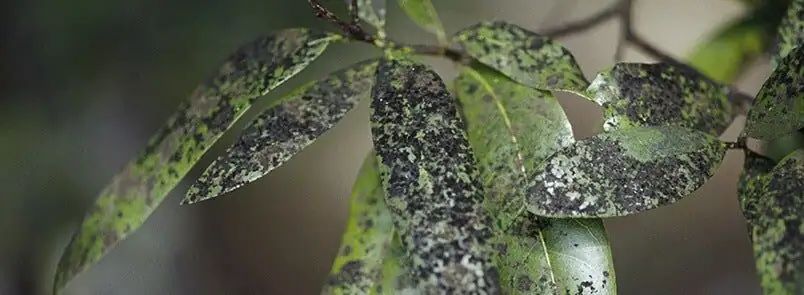
Black sooty mold: make it vanish without drama
What it is
- A superficial fungus feeding on honeydew. It blocks light and looks terrible, but the plant tissue beneath is usually fine.
Confirm
- Black, soot-like film wipes off with a damp cloth; often found under or near pest hotspots.
Clean-and-clear plan
- First, control the honeydew makers (see above).
- Wash: Gently sponge leaves with lukewarm water and a drop of mild soap, then rinse.
- Follow-up: A horticultural oil spray helps dislodge residues and suppress regrowth.
- Optional: If heavy fungal films persist or fungal leaf issues are also present, a copper-based product can be used where appropriate. Always follow label directions, especially if you plan to use the rind; rinse fruit after treatments.
Prevention
- Keep air moving, thin dense growth, and stay ahead of sap-suckers. Clean up sticky leaves promptly—sooty mold thrives on neglect.
—
Sudden fruit or leaf drop: pinpoint the trigger, fix the cause
Top triggers (ranked by frequency)
- Waterlogging or uneven watering (soggy → dry → soggy).
- Temperature shocks: below ~8°C (46°F) indoors or above 35°C (95°F), cold drafts, or hot blasts.
- Low light or abrupt light changes (sudden moves indoors/outdoors).
- Dry, heated indoor air and poor airflow.
- Overfeeding/salt buildup or a rootbound, oxygen-starved root zone.
- Pest pressure (honeydew pests) stressing the plant.
- Overload: too many fruits for the framework.
Your 24-hour triage
- Empty the saucer and check drainage. If the mix is saturated and cold, stop watering and increase airflow immediately.
- Move to bright light with gentle air movement; shield from harsh midday sun until stable.
- Thin the crop: Aim for roughly one fruit per branch for show-quality fruit and less stress.
- Hold fertilizer for now; flush salts with a thorough watering once the mix has partly dried.
- Water only when the top layer begins to dry; in fruiting, err slightly drier—never soggy.
When to consider emergency repotting
- If the mix smells sour/rotte n or roots are brown and mushy, slip the plant into a free-draining, slightly acidic mix. Trim only dead roots; lightly prune top growth to rebalance. Ideally done in early spring—but root rot is an emergency.
Prevention that sticks
- Keep winter plants cool-bright at 5–12°C (41–54°F) and water sparingly.
- Provide midday shade in high summer; maintain steady moisture (not wet).
- Prune for balance and airflow; thin spring flowers and keep more summer bloom/fruit for better results.
—
Waterlogging: the silent saboteur
Classic causes
- No drainage holes, a water-holding cachepot, heavy/alkaline mix, or a perpetually wet saucer.
Fix it now
- Elevate the pot on feet so it can drain freely; always empty the saucer.
- Increase airflow around the container; a small fan helps indoors.
- Let the top layer begin to dry before the next deep watering.
Mix and pot setup that prevent it
- Soil: Loam-based plus leaf mold/compost and coarse sand for drainage; slightly acidic.
- Pot: Drainage holes are non-negotiable; a 30 cm (12 in) container is common for display plants.
- Repot cadence: About every 2 years in early spring to refresh structure and oxygen.
—
Airflow tricks that actually work
Indoors
- Fan finesse: A gentle oscillating fan for a few hours daily keeps leaves dry, discourages pests, and reduces sooty mold.
- Breathing room: Keep 10–20 cm (4–8 in) away from walls or windows; avoid cramped corners.
- Rotate weekly so all sides see light and breeze.
Outdoors
- Place in bright light with protection from fierce midday sun; ensure natural cross-breezes.
- Don’t crowd with dense foliage neighbors; prune lightly in summer to open the canopy.
Pruning for air and fruit
- Early spring: remove crowded/weak branches and overly vigorous shoots, preserving short fruiting spurs.
- Summer: light touch-ups for shape and airflow.
- Autumn: keep strong new shoots; they’re next year’s fruiting wood.
—
Citrus-safe spray cheat sheet
- Best all-rounders for sap-suckers: horticultural oil or insecticidal soap. Thorough coverage is the secret.
- Timing: Early morning/evening; repeat 7–10 days later if needed.
- Heat/cold cautions: Don’t spray oil on drought-stressed plants or in extreme heat; avoid freezing conditions.
- Food use: If you intend to candy or zest the rind, follow labels precisely and rinse fruit after treatments.
- Blossoms and beneficials: Avoid spraying open flowers to protect pollinators.
- Copper-based products: Sometimes used for fungal issues where appropriate; follow label guidance carefully.
—
Quick seasonal playbook
- Spring: Repot (about every 2 years), prune before bud break, thin early flowers. Strengthen light and airflow as growth ramps up.
- Summer: Bright light with midday shade; keep evenly moist (not wet). Scout weekly for pests; treat early with oil/soap.
- Autumn: Preserve healthy autumn shoots; maintain bright light and good airflow.
- Winter: This is peak ornamental season. Move indoors to a bright, cool 5–12°C (41–54°F). Water sparingly; never let the pot sit in water. Extra humidity helps in very dry rooms.
—
Why we grow it anyway (and how to keep the magic)
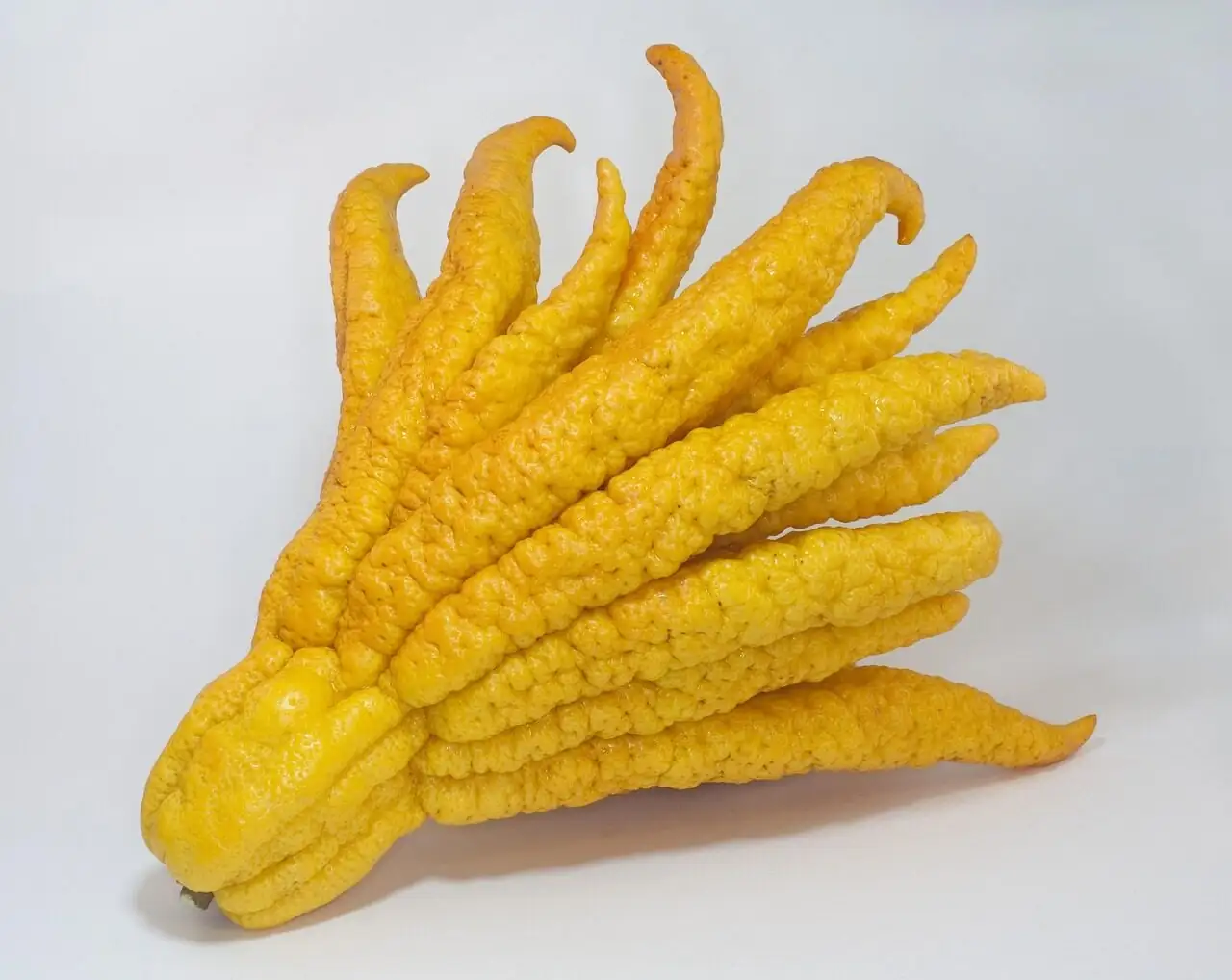
Buddha’s Hand citron is an evergreen showstopper from the citrus family, grown more for its wildly fragrant, fingered fruit than for juice. A single ripe fruit perfumes a room for days, and the aromatic rind candies beautifully. Keep light bright-but-kind, water with discipline, and let the air move—and you’ll trade sticky soot and sudden drop for glossy leaves and sculptural, golden “hands” all winter long.