


You know that dazzling, confetti-like cascade of color that stops you in your tracks? That’s Bougainvillea glabra and its popular hybrids (like Bougainvillea × buttiana) doing what they do best: throwing a months-long party of papery bracts around tiny cream flowers. And yes, the show is worth it—provided you coach this thorny climber with a few smart safety habits. Here’s how to enjoy bold color without the scratches.
Meet bougainvillea: the paperflower with a punch
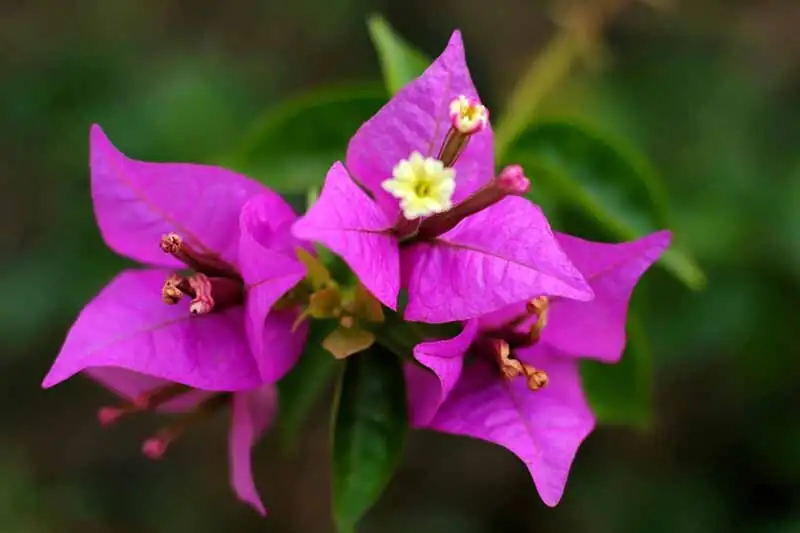
- What it is: A sun-loving, woody, scrambling shrub-vine (often thorny) in the Nyctaginaceae family. Those “petals” are actually papery bracts; the true flowers are small and tucked inside.
- Origin: Native to Brazil; many nursery favorites are South American–derived garden hybrids, grown worldwide.
- Size and training:
- In containers with training: often about 1.5 m × 1.5 m (5 ft × 5 ft).
- Outdoors in warmth with support: roughly 1.5–6 m (5–20 ft), depending on cultivar and pruning.
- Train over trellises, hoops, wires, warm walls, fences, pergolas—or shape into standards and even bonsai-like forms.
- Light and bloom power: Full sun is everything. Aim for 6+ hours daily for abundant bracts; shade makes it leggy and sparse.
- Season: Spring through autumn primarily; in frost-free, very bright conditions, it can cycle blooms much of the year.
Why safety matters with bougainvillea
- Thorns: Sharp enough to pierce light fabric and skin. They’re great for security hedging; less great for bare ankles.
- Sap: Can irritate skin and eyes; ingestion may cause gastrointestinal upset. Treat it as a low-to-moderate hazard plant: enjoy it, but handle with care.
- Kids and pets: Curious fingers and noses meet thorns and sap—so plan placement thoughtfully and keep canes neatly tied.
Gear up: the right kit for thorny training
- Gloves: Thick, snug-fitting leather or goatskin with gauntlet cuffs that cover wrists/forearms.
- Eye protection: Clear safety glasses or wraparound goggles—especially when bending or tying canes at face level.
- Clothing: Long sleeves, tough pants, closed-toe shoes. Tie back long hair and remove scarves or dangling jewelry that can snag.
- Tools: Sharp bypass pruners, long-handled loppers for woody canes, soft plant ties (rubberized wire, jute twine, or fabric ties), and a “hook stick” (a smooth-ended stake) to pull or lift thorny canes without grabbing them.
- First-aid basics: Antiseptic wipes, bandages, and saline eyewash nearby.
The safe training-and-pruning playbook
Before you start
- Pick your moment: Calm, dry weather with good light. Wind turns canes into whips.
- Prep your support: Install trellis, wires, or hoops first. Cap any sharp wire ends.
- Map the path: Decide which main canes will form your structure; everything else is a side branch you’ll shorten later.
Handling canes without getting snagged
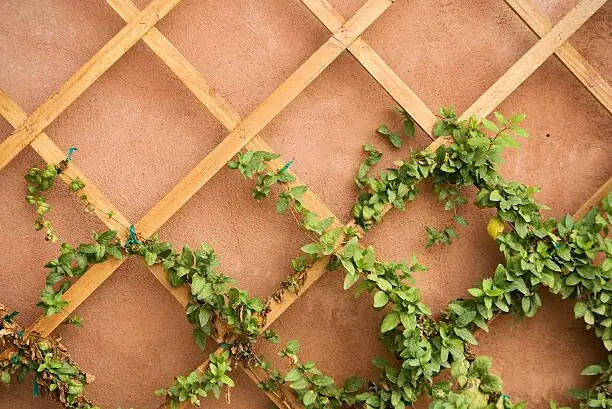
- Move, don’t wrestle: Use your hook stick to guide canes into “S” curves along supports. Never yank; bougainvillea bark can tear.
- Tie little, tie often: Secure canes every 20–30 cm (8–12 in) so they don’t spring free. Use soft ties snug but not strangling.
- Keep the tangle above reach: Train the lowest permanent ties just above child/pet head height for your household.
Pruning, safely and strategically
- Timing: Light pinching and shaping as needed; more shaping after a bloom cycle. Avoid heavy pruning right at peak color if you don’t want to sacrifice the show.
- Cuts that count: Many plants bloom on new growth. Pinch tips to encourage branching; remove dead, weak, or crossing stems.
- Disinfect tools: Between plants and after removing suspect material.
- Optional thorn-trimming: On major, already-positioned trunks only, you can carefully nip off thorn tips to reduce snags. Avoid excessive bark damage.
Ladder and container safety
- Stabilize: Anchor pots, and don’t overreach—move the ladder instead. Two-person rule for higher work.
Dispose without drama
- Stage a landing zone: Lay a tarp under your work area to catch prunings and papery bracts.
- Bundle smart: Align cut canes in one direction, tape or tie both ends, and carry with thorns pointing away from your body.
- Clean tools and gloves afterward to remove sap residues.
Sap sense: how to avoid irritation (and what to do if it happens)
- Prevention:
- Wear gloves and eye protection.
- Don’t touch your face mid-task.
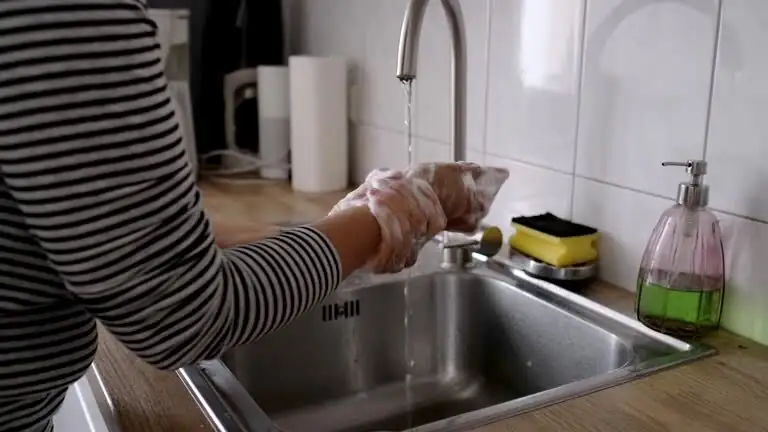
- Wash up with soap and cool water right after handling.
- If skin is exposed: Rinse with cool water and mild soap. Avoid hot water, which can increase irritation. Apply a bland emollient if needed.
- If eyes are exposed: Rinse with clean water or saline for at least 15 minutes. Seek medical advice if pain or redness persists.
- If ingested by a child or pet: Expect possible GI upset. Offer water, monitor, and contact a medical professional or veterinarian for guidance, especially if symptoms develop.
- Thorn punctures: Clean the wound, apply antiseptic, and monitor for signs of infection.
Kid- and pet-safe placement that still looks fabulous

- Keep distance from play zones and pools: Plant or place containers away from high-traffic areas; avoid pool edges where bare feet meet hidden thorns and where bracts can clog skimmers.
- Give it room to grow: Outdoors, allow generous space and airflow; a 6–9 ft buffer from other plants and paths keeps scratches and crowding down.
- Raise the canopy: Remove low, outward-thrusting side shoots and train the main framework higher so little hands can’t reach thorns.
- Use barriers wisely: Low decorative fencing or a dense companion planter in front of the trunk can create a “do-not-touch” zone without spoiling the view.
- Indoors or on balconies: Choose the brightest south- or west-facing spot. Keep the plant out of main walkways, tie in canes promptly, and secure the container so it can’t tip.
Clean-up habits that keep everyone scratch-free
- Bract confetti patrol:
- Sweep or blow walkways and steps regularly; dry bracts can be slippery underfoot.
- If near water features or pools, skim promptly to prevent clogs.
- Consider gutter guards if it grows near eaves.
- After storms or windy days: Check ties, retuck strays, and clear debris quickly before it’s tracked indoors or grabbed by kids.
- Green-waste handling: Use a tarp to transport prunings; bag thorny waste in heavy-duty sacks and label, so no one reaches in blindly.
Quick-care that also improves safety
Healthy, well-managed plants are easier to handle and less likely to fling thorny whips.
- Sunlight: 6+ hours of direct sun prevents weak, leggy growth that snags passersby.
- Watering: Water deeply, then let the mix head toward “nearly dry” before watering again. Keep drier in winter. Constantly wet soil = stress, leaf/bract drop, and a messy cleanup cycle.
- Feeding: Regular feeding in the growing season, favoring higher potassium for blooms. Avoid excess nitrogen—it fuels leafy, grabby shoots instead of color.
- Soil and pots: Free-draining mix, strong drainage holes. Slightly root-restricted plants often bloom better and stay tidier; repot young plants about every 2 years, top-dress mature ones.
- Airflow: Good circulation reduces pests like spider mites (common in very dry indoor air), which means fewer sprays and safer handling.
- Note on vigor: In some warm regions, bougainvillea can grow aggressively. Prune and train consistently so it doesn’t overrun paths or neighboring plants.
Fast reference: safe training steps at a glance
1) Suit up: gauntlet gloves + eye protection + long sleeves.
2) Pre-tie plan: install supports, cap wire ends, stage a tarp.
3) Guide with a hook stick, don’t grab canes.
4) Tie every 20–30 cm with soft ties; keep lower zone clear.
5) Prune after bloom cycles; disinfect tools.
6) Bundle and bag prunings; sweep bracts from paths.
Mini FAQ
- Are bougainvilleas poisonous?
- They’re generally a low-to-moderate concern. The sap can irritate skin and eyes; ingestion may cause GI upset. The real hazard most people meet first is the thorns—so protect hands and eyes and keep out of children’s and pets’ reach.
- Can I make a bougainvillea thorn-free?
- No, but you can minimize contact by raising the canopy, tying promptly, and carefully clipping a few thorn tips on main trunks after they’re secured.
- When’s the best time to prune?
- Lightly as needed for tidiness; more shaping after a bloom cycle. Avoid heavy pruning at peak display if you want to keep the color show going.
- I’m getting tons of leaves but few bracts—what’s up?
- Usually not enough direct sun, too much water, or fertilizer too high in nitrogen. Move to the brightest spot, let the mix dry more between deep waterings, and shift to a bloom-leaning, higher-potassium feed.
Flower language and symbolism: a warm welcome—handled wisely
Bougainvillea is widely associated with passionate color, celebration, and hospitality—the botanical equivalent of stringing bright banners to welcome guests. While “flower language” traditions vary by culture and aren’t scientific, the plant’s real-world effect is clear: bold bracts signal joy and festivity. Let that spirit guide your placement—around entries, over pergolas, or flanking sunny patios—while your safety habits keep the celebration blissfully scratch-free.
Parting coach’s note
Give bougainvillea sun, drainage, and gentle discipline; give yourself gloves, goggles, and a tidy routine. Do that, and you’ll enjoy a waterfall of color for months—no bandages required.