


Bougainvillea glabra—along with powerhouse hybrids like Bougainvillea × buttiana—turns sunshine into cascades of papery color. The secret to multiplying that magic? Turn your routine prunings into rooted plants and train them into waterfalls of bloom. With the right season, warmth at 21–27°C, sharp drainage, and a light hand with water, your cuttings will sprint from sticks to confetti-loud displays. Here’s the step-by-step, plus when grafting is the smartest move for finicky cultivars.
The right season makes rooting easy
Bougainvillea is a woody climber that roots well when the cutting’s maturity matches the season.
- Early spring: Softwood cuttings (tender new growth just firming up). Fast to root, but needs careful humidity and airflow.
- Summer: Semi-ripe cuttings (partly matured, slightly woody). Excellent strike rate for most gardeners.
- Autumn (in warm weather) or mild climates: Hardwood cuttings (fully woody). Slower but sturdy—great if summer got away from you.
- Winter: Pause. Keep mother plants bright and above 7–10°C; prep tools and potting mix for spring.
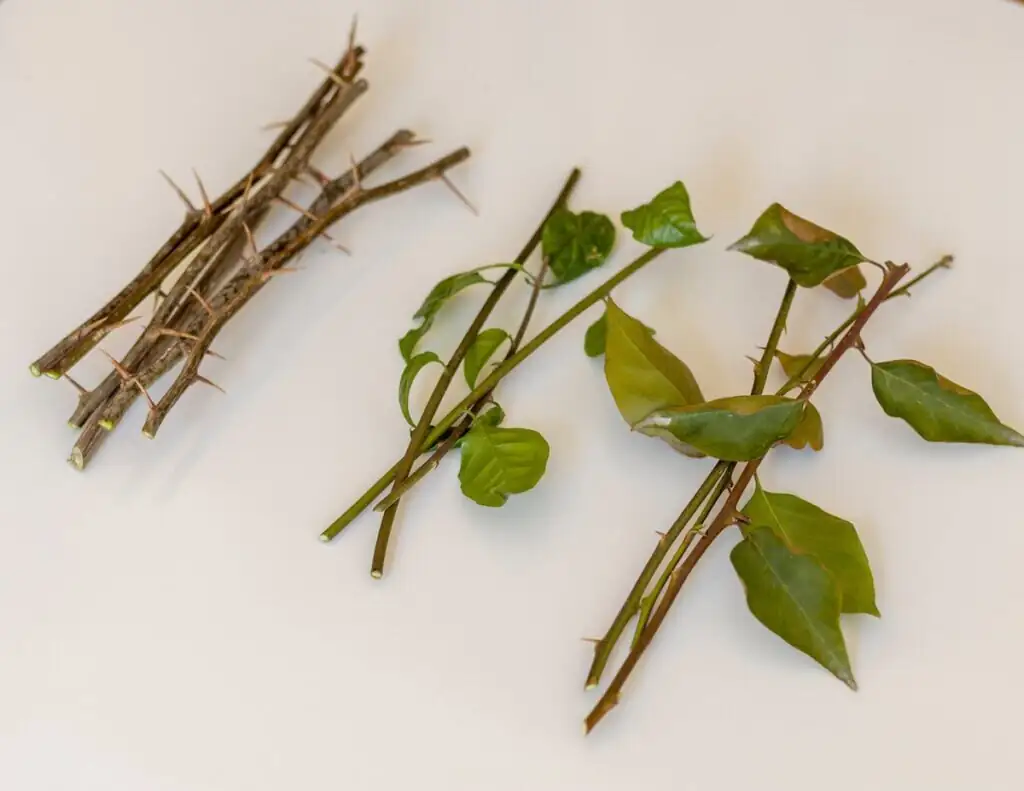
Typical cutting length: 15–20 cm (6–8 in). Rooting often takes around a month in warm, bright conditions.
What you’ll need for high success
- Clean, sharp pruners (sanitize before and after)
- Gloves and eye protection (thorns + mildly irritating sap)
- Rooting hormone: IBA rooting powder or gel (a standard powder in the 0.1–0.8% range works well)
- Small pots with strong drainage holes
- A free-draining rooting medium (see recipes below)
- Plant labels and ties
- Optional but powerful: bottom heat or a warm spot to maintain 21–27°C at the root zone
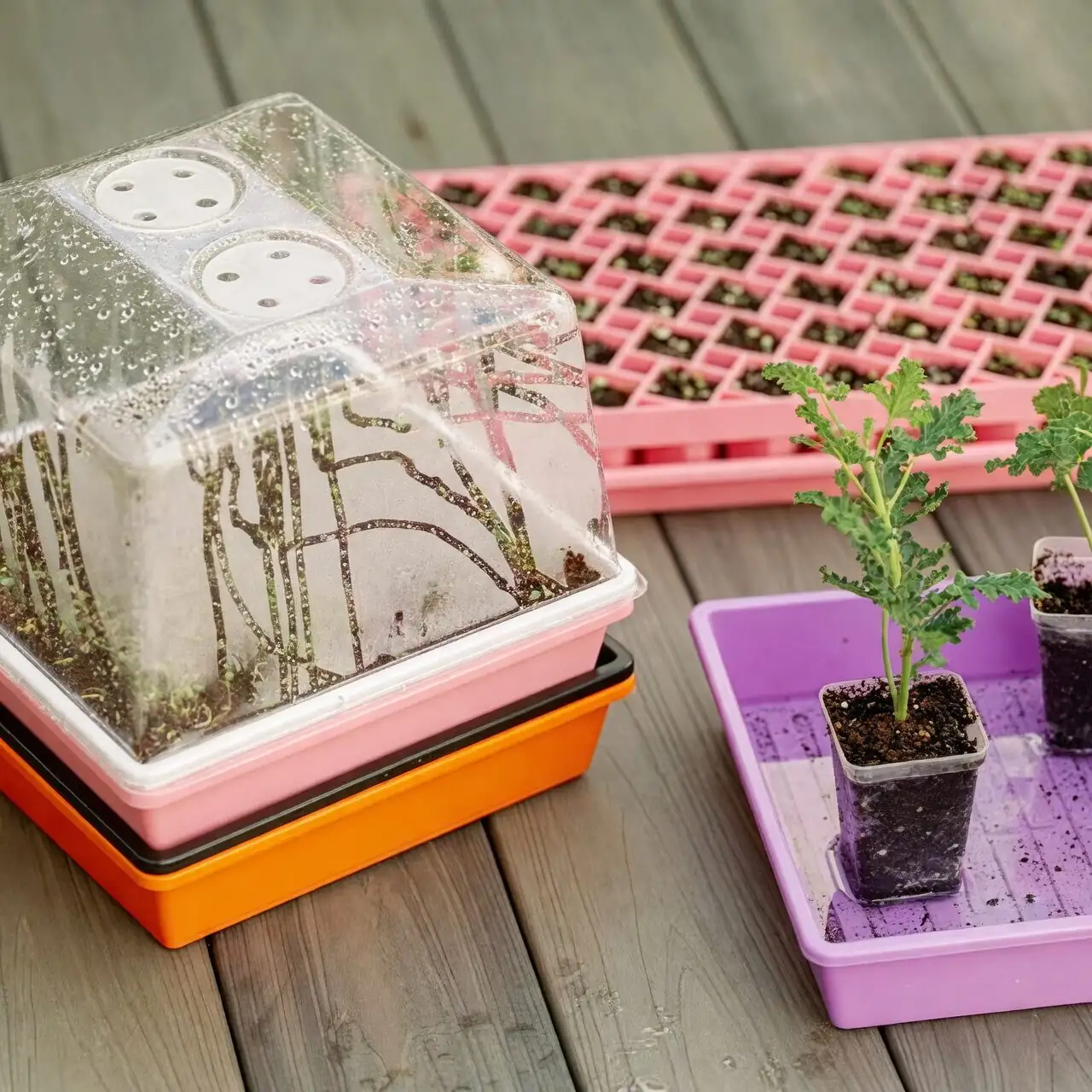
- A ventilated humidity cover (prop dome with vents or a clear container you can crack open)
Rooting media that drain fast
You want air around the base and quick drainage—wet, stagnant mixes invite rot.
- Option A: 50% quality potting mix + 50% coarse sand or grit
- Option B: 60% perlite + 40% coco coir or bark-based potting mix
- Option C: 1:1:1 coarse sand, perlite, and potting mix
Moisten the mix thoroughly before inserting cuttings, then let excess water drain.
Step-by-step: from trimming to rooted start
- Select and prepare the cutting
- Choose non-flowering shoots if possible. Cut 15–20 cm from healthy growth with several nodes.
- Remove all bracts/flowers and the leaves on the lower half. Keep one or two trimmed leaves near the top to reduce transpiration.
- Optional for semi-ripe/hardwood: lightly wound the base (a 1–2 cm shallow scrape) to expose cambium—this can boost rooting.
- Hormone and insertion
- Dip the base into IBA rooting hormone (tap off excess).
- Insert so at least one to two nodes are below the surface; firm the medium snugly around the stem.
- Water and cover
- Water once to settle the medium; let it drain completely.
- Cover with a ventilated humidity dome. Aim for high humidity with airflow—not a sealed swamp. Vent daily.
- Provide the ideal environment
- Temperature: a steady 21–27°C. Bottom heat is your best friend.
- Light: bright shade or dappled light—no harsh midday sun until you see fresh growth.
- Airflow: gentle, consistent. Good air movement prevents fungal issues.
- Patience and checks
- Resist tugging. In 2–3 weeks, watch for a flush of new leaves—the best sign roots are forming.
- Typical rooting: roughly 3–5 weeks in warmth; hardwood can take longer.
Moisture management: the rot-proof rhythm
- After the initial watering, allow the top 2–3 cm of mix to dry slightly before watering again.
- Never let the pot sit in a saucer of water. Drainage is non-negotiable.
- If under a dome, wipe heavy condensation and open vents daily.
Potting up and aftercare to prevent rot (and set up blooms)
Once roots are 3–5 cm long or you see vigorous new growth:
- Pot size: step up only one size into a small, well-drained pot. Bougainvillea flowers better slightly root-restricted; over-potting invites root rot.
- Mix: use a fast-draining container blend (e.g., potting mix cut with coarse sand/grit/perlite).
- Watering: water deeply, then let the mix head toward “nearly dry” before watering again. Constant dampness = leaf/bract drop and rot.
- Light: harden off to full sun over 1–2 weeks. Long-term, aim for 6+ hours of direct sun for the best bract show.
- Feeding: in active growth, feed regularly but avoid nitrogen-heavy formulas.
- Every 2 weeks with a balanced liquid, switching every third feed to a higher-potassium bloom booster, or
- Monthly with a bloom-leaning fertilizer (e.g., higher K). A one-time monopotassium phosphate boost in peak bloom can intensify color—use sparingly.
- Autumn/winter shift: slightly reduce watering in autumn to encourage blooming; in winter, keep very bright and drier, above 7–10°C.
When grafting shines for tricky cultivars
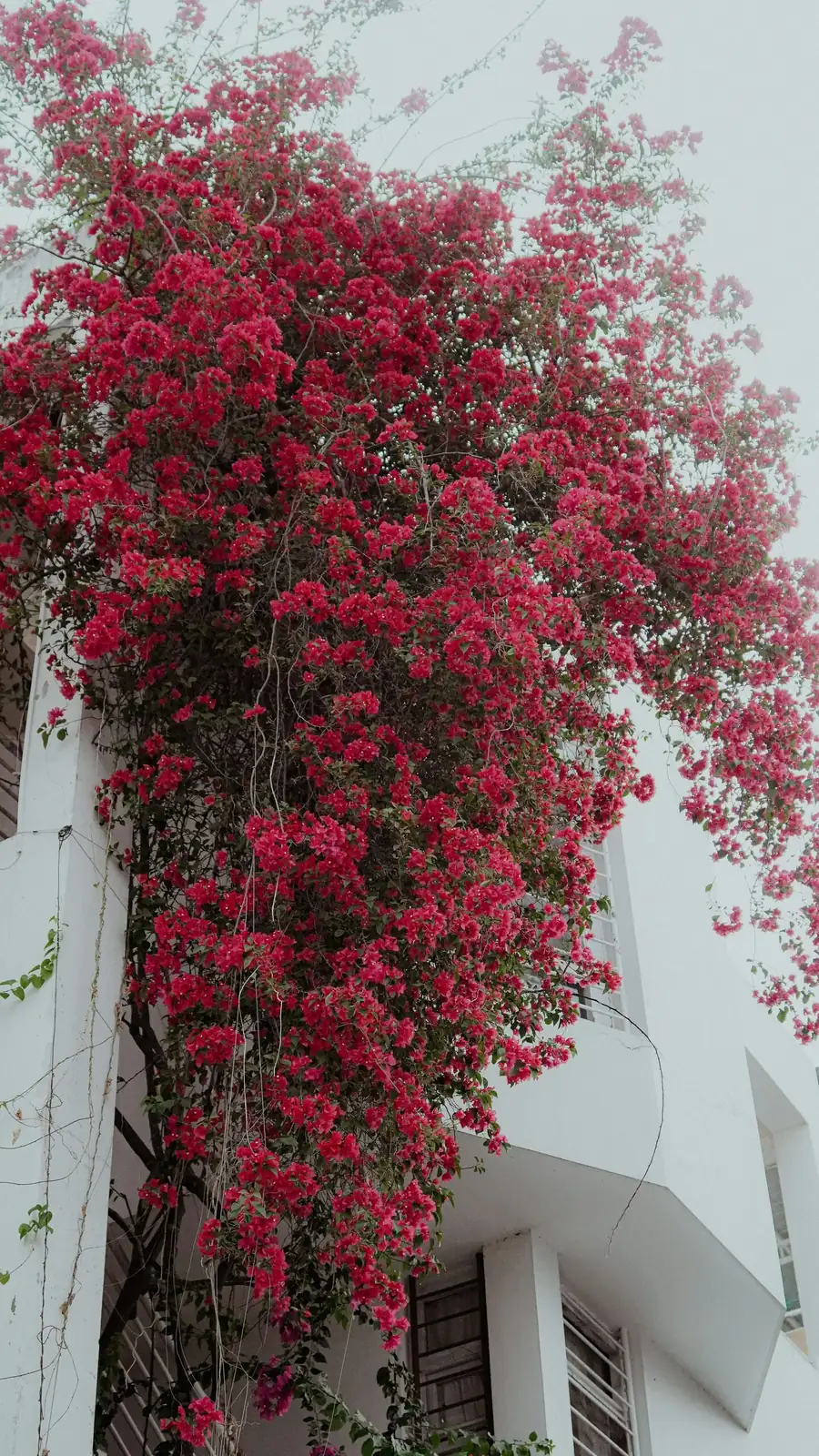
Some cultivars—especially heavily variegated or slow-rooting selections—perform best when grafted onto a vigorous rootstock.
- Best timing: spring, when temperatures reliably exceed about 15°C.
- Rootstock: sturdy, well-rooted Bougainvillea glabra (often more vigorous).
- Scion: healthy, non-flowering shoots from the desired cultivar.
- Techniques: side-veneer or wedge grafts are common on bougainvillea’s woody stems.
- Aftercare:
- Keep warm (ideally near 21–27°C) in bright shade with gentle humidity.
- Remove any rootstock shoots that pop below the graft.
- Support the union; don’t let wind flex it.
- Why graft?
- Faster establishment and vigor for finicky cultivars
- More reliable performance for standards, espaliers, and trained forms
- Uniform displays that hold color and bloom cycles well
Air-layering and simple layering: near-guaranteed backups
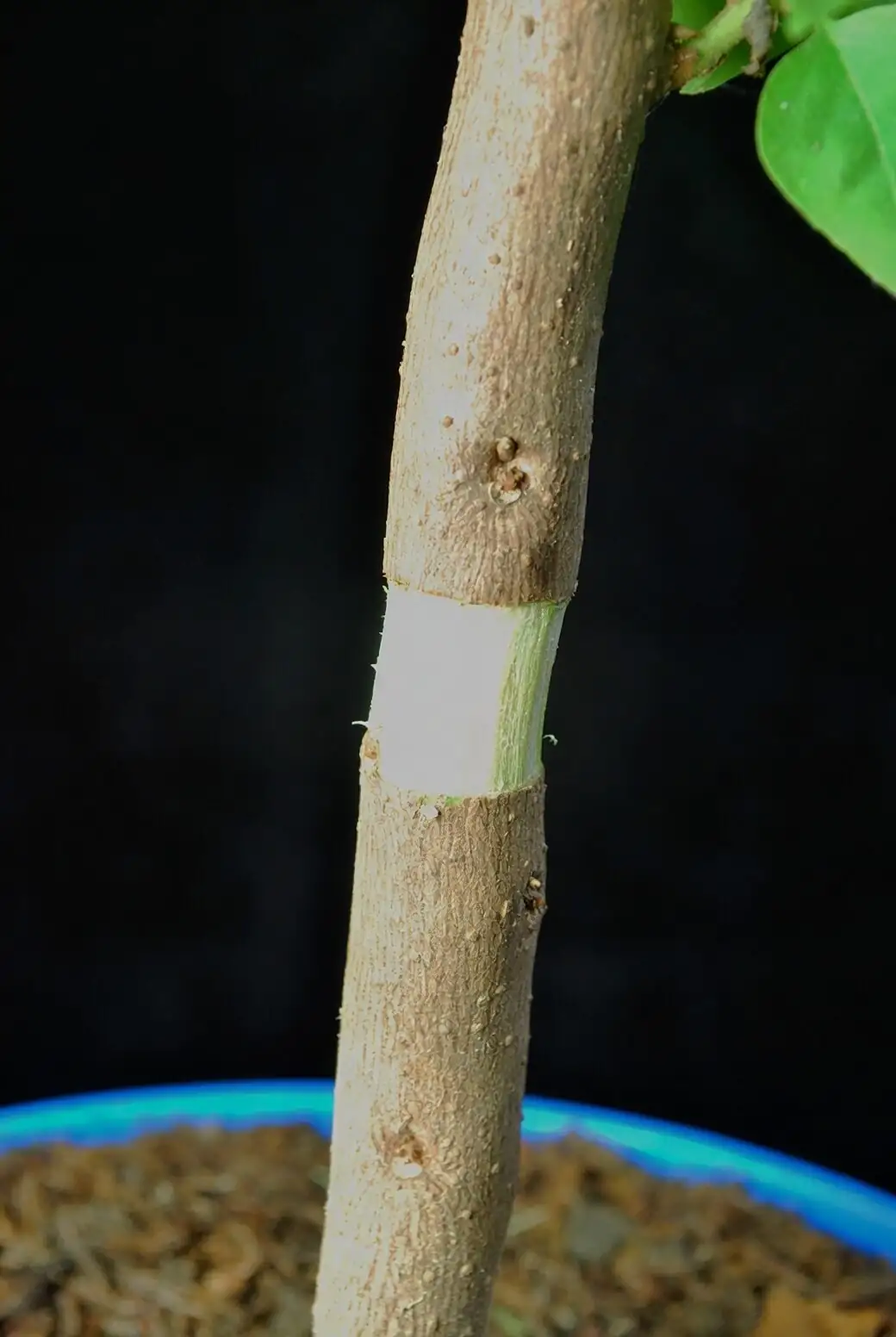
If cuttings are hit-or-miss for you, layering is wonderfully forgiving.
- Timing: early summer is prime.
- Air-layer method:
- Select a pencil-thick stem; remove a 1–2 cm ring of bark.
- Wrap the wound with moist sphagnum (optionally mixed with perlite), then with plastic; secure both ends.
- Keep consistently moist, not sopping. Roots often form in about 2 months.
- Once well-rooted, cut below the layer and pot into a sharp-draining mix.
- Simple layering: bend a low stem to the soil, nick it slightly, peg it down, and cover with mix. Sever once rooted.
Shape those new plants into blooming cascades
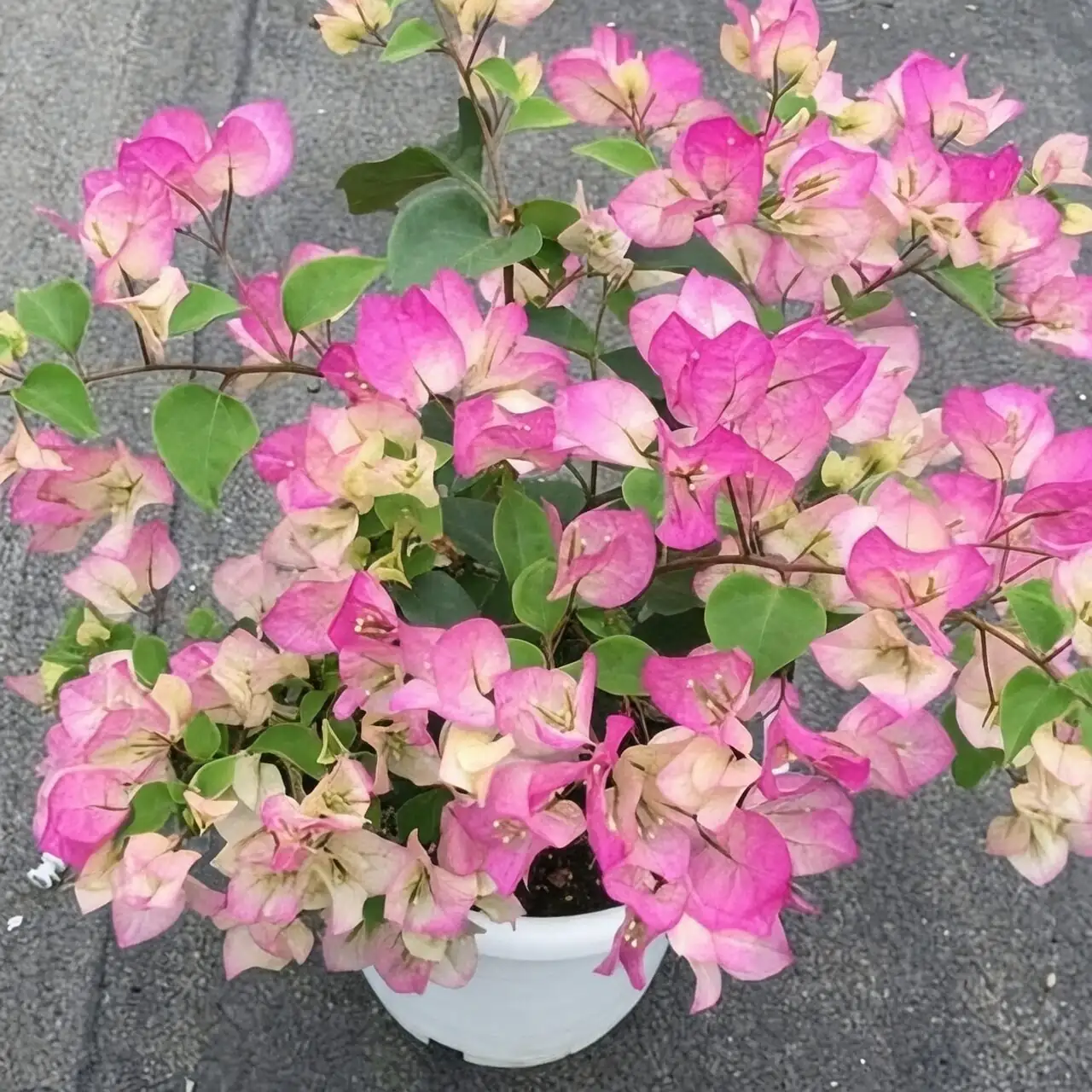
Bougainvillea is a natural scrambler—your job is to guide the drama.
- Pinch tips early and often to encourage branching. Bougainvillea often blooms on new growth; each pinch sets up more flowering wood.
- Train onto a hoop, trellis, or wires. Tie lightly and redirect lanky shoots to build a “waterfall” framework.
- For instant fullness: plant two to three young plants together in a single container (still with superb drainage).
- Container choices:
- Compact starts: about 15–18 cm (6–7 in) wide
- Hanging baskets and small cascades: 20–25 cm (8–10 in)
- Tidy after flushes: trim back spent side shoots to keep a tight shape and trigger the next round of color.
Troubleshooting fast
- Base turning black, cutting collapses
- Cause: waterlogged medium, stagnant air, or cold roots.
- Fix: refresh with a freer-draining mix, increase airflow, maintain 21–27°C, and allow slight surface drying between waterings.
- Wilting without recovery
- Too much sun too soon or too little humidity. Move to bright shade, improve ventilation, and recheck moisture balance.
- Lots of leaves, few bracts
- Classic trio: not enough direct sun, too much water, too much nitrogen. Increase sun, let the mix dry more between deep waterings, and lean fertilizer toward potassium.
- Pests on tender growth
- Spider mites in dry indoor air, aphids, mealybugs, and scale can appear. Boost airflow and sun; treat with horticultural oil or insecticidal soap per label.
Seasonal playbook at a glance
- Spring
- Softwood cuttings root fast; maintain 21–27°C.
- Repot young plants (one size up) or top-dress mature ones.
- Grafting window opens once nights stay above about 15°C.
- Summer
- Semi-ripe cuttings: high success with ventilated humidity.
- Layering and air-layering thrive now.
- Train and feed regularly; full sun for bloom.
- Autumn
- Hardwood cuttings in warm regions or under protection.
- Reduce watering slightly to encourage flowering; prune side shoots after blooms fade.
- Winter
- Keep bright and above 7–10°C; water sparingly.
- Watch for spider mites indoors; avoid heavy pruning during showtime.
Safety first
- Sap may irritate skin and eyes; thorns can scratch. Wear gloves and eye protection, and keep plants away from curious kids and pets.
A quick note on meaning
Bougainvillea’s bracts read like party banners—no surprise many cultures link them with welcome, celebration, and passionate color. While “flower language” is a modern, poetic construct rather than botany, it fits: a well-grown bougainvillea telegraphs joy from the curb.
Turn your trimmings into tomorrow’s cascades: pick the right wood for the season, keep those bases warm at 21–27°C, use IBA, insist on sharp drainage, and treat water like a tool—not a constant. When a cultivar plays hard-to-get, graft it. Your reward is months of color that looks (and feels) like a holiday.