

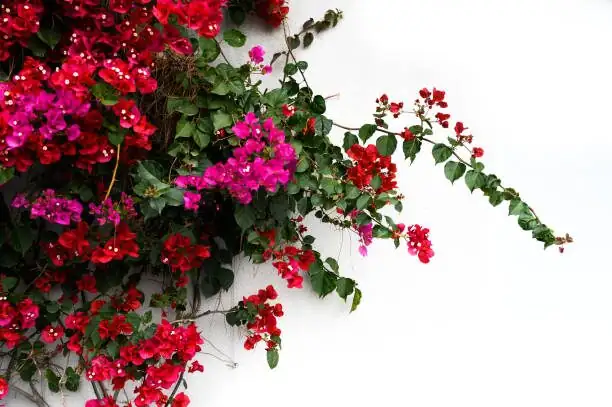
Imagine a plant that keeps a suitcase full of carnival confetti and throws a parade any time the sun comes out. That’s Bougainvillea glabra—and its equally showy hybrid cousins such as Bougainvillea × buttiana—your ticket to months-long color with very little fuss, provided you understand a few delightful quirks.
Meet the “petals” that aren’t: bracts vs. true flowers
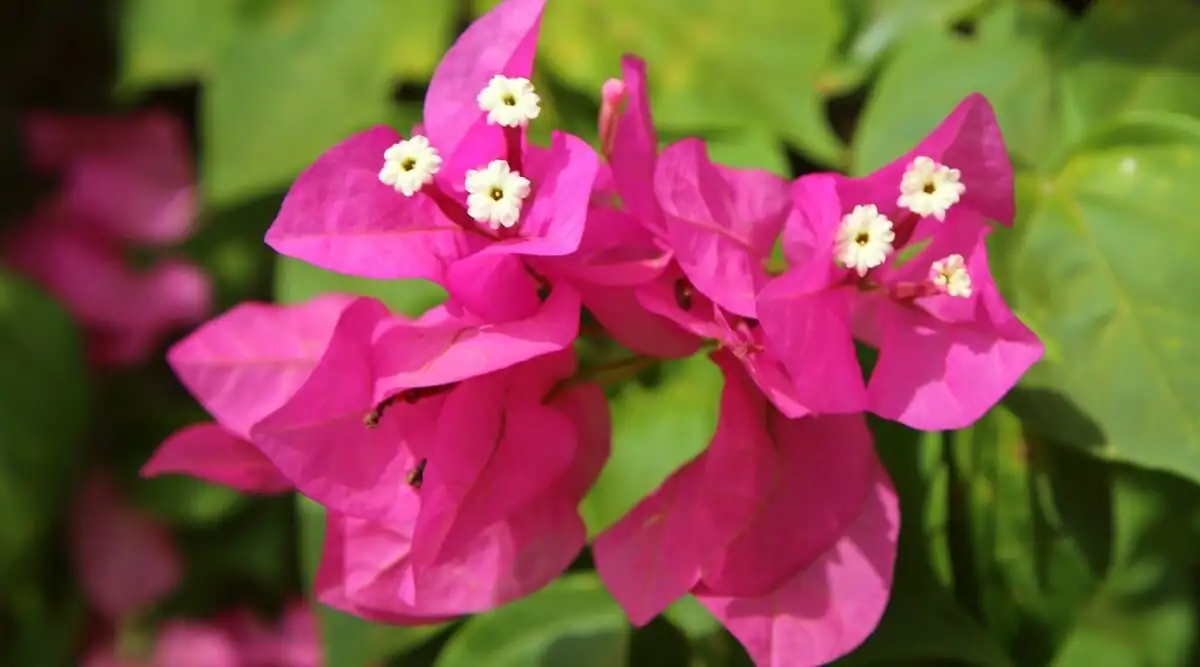
- The headliners are bracts—papery, vividly colored, modified leaves that look like petals. They form the neon waterfall: magenta, pink, red, white, plus oranges and bicolors depending on cultivar.
- The real flowers are the tiny, pale to creamy trumpets tucked neatly inside those bracts. Blink and you’ll miss them; the bracts do the megaphone work for pollinators.
- Fun morphological clue: B. glabra’s leaves are typically smooth and glossy (glabrous—its name is a hint). Many of the bougainvilleas we grow are hybrids bred for denser bloom and knockout color.
Sun, stress, and the surprising science of more bloom
Bougainvillea adores bright, warm conditions—and it has a little drama-queen streak that you can use to your advantage.
- The “brief dryness” trick: A short, controlled drying period signals the plant to switch from leafy growth to a bloom push. Think of it as a polite tap on the shoulder, not a fainting spell. Water deeply, then let the mix head toward nearly dry before watering again. In autumn, easing off the water slightly often nudges bud set.
- Why sun turns the volume up: Strong, direct light (aim for 6+ hours daily) fuels the formation of colorful bract pigments and tighter, more abundant clusters. Shade means stretch, fewer bracts, and more leaf drop.
- Color chemistry, simplified: Bougainvillea’s bracts carry betalain pigments (including bougainvillein-type betacyanins that power those rich pinks and purples). Intense sun plus a bloom-leaning feed—especially a bit more potassium—often deepens color and crispness.
Built to scramble: thorny survival tricks
- Grappling hooks: Those curved thorns aren’t just for attitude—they help the viney shrub latch onto trellises and neighbors, hauling the plant upward into full sun without spending resources on thick trunks.
- Drought-savvy design: Small, tough leaves and papery bracts don’t waste water; the plant can power through heat once it’s well established, especially in fast-draining soil.
- Browsing deterrent: Thorns and slightly bitter sap say “no thanks” to grazers. For humans: gloves on, eyes protected when pruning.
Shape‑shifter: from hoops to bonsai-like trees
Bougainvillea is a botanical contortionist. With ties, clips, and a sunny wall, you can sculpt it into almost anything:
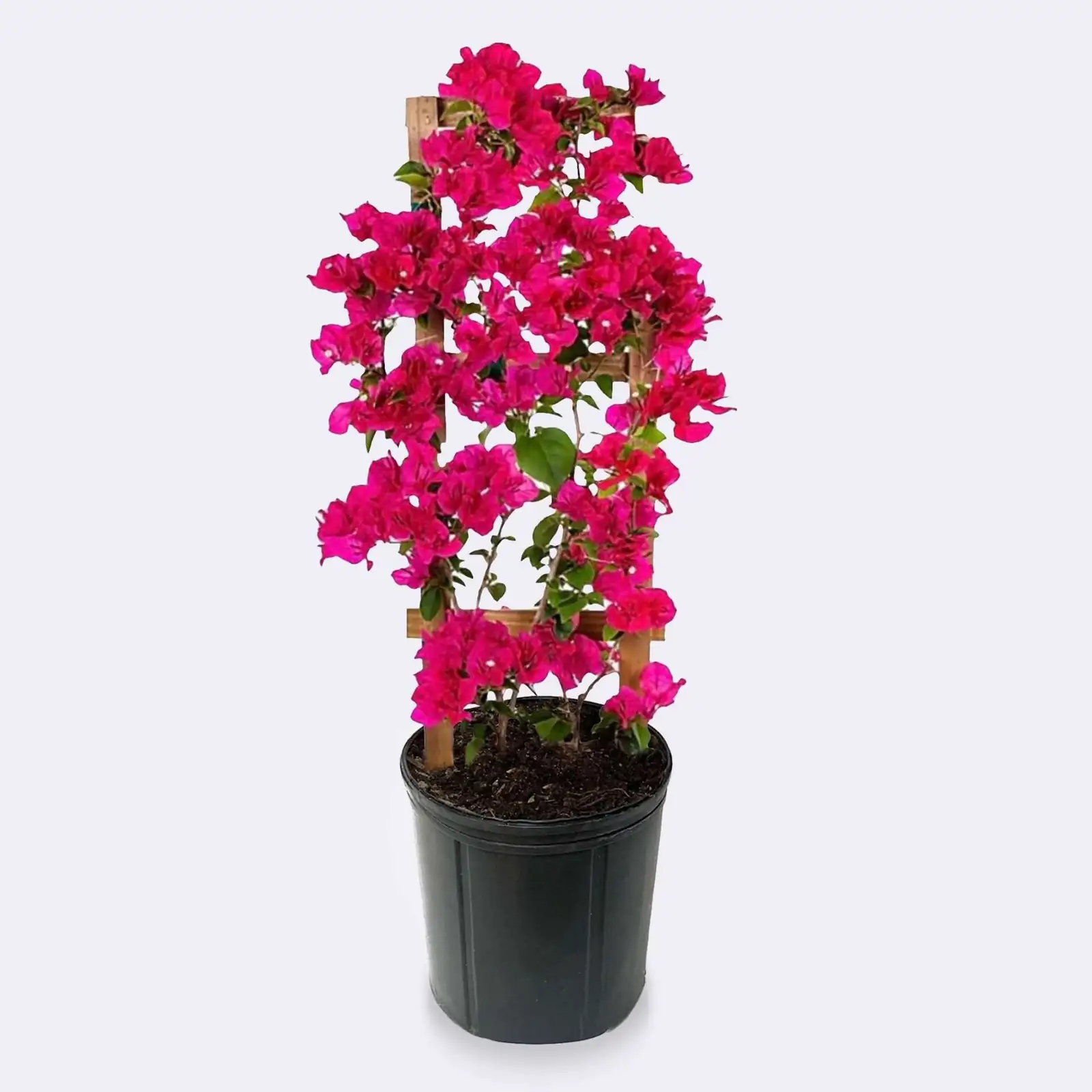
- Trellis or wires (waterfall style): Tie long canes outward and upward; pinch tips to encourage side shoots that bloom.
- Hoop or arch: Spiral one or two flexible canes around a hoop; keep tying new growth while it’s soft. The result looks like a floral halo.
- Standard (mini tree): Select one strong stem as a trunk; stake it straight, remove side shoots low down, and build a rounded crown by frequent tip pinching.
- Espalier (flat fan): Splay stems horizontally on a fence or grid; horizontal arms trigger lots of flowering laterals.
- Hanging basket: Trailing types spill color; keep them root-restricted and very sunny for best show.
- Bonsai‑like specimen: Choose a gnarled base, prune for structure after each flush, and wire only young, supple shoots. Older wood can be stiff—bend with care.
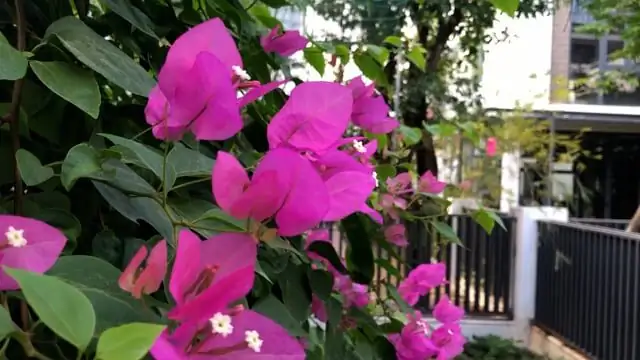
Growing basics (the quick, confidence‑boosting guide)
Light and placement
- Sun addict: Full sun is essential—4–6+ hours minimum; 6+ is ideal.
- Best spots: A bright balcony or patio, a radiant warm wall, pergola, or a sunroom/south- or west-facing window indoors.
Temperature and hardiness
- Loves warmth: Roughly 15–30°C (59–86°F) is its happy zone.
- Not frost-hardy: Best outdoors year-round in USDA Zones 10–11; can squeeze by in warm Zone 9 with protection. Overwinter above about 7–10°C (45–50°F).
Soil and potting
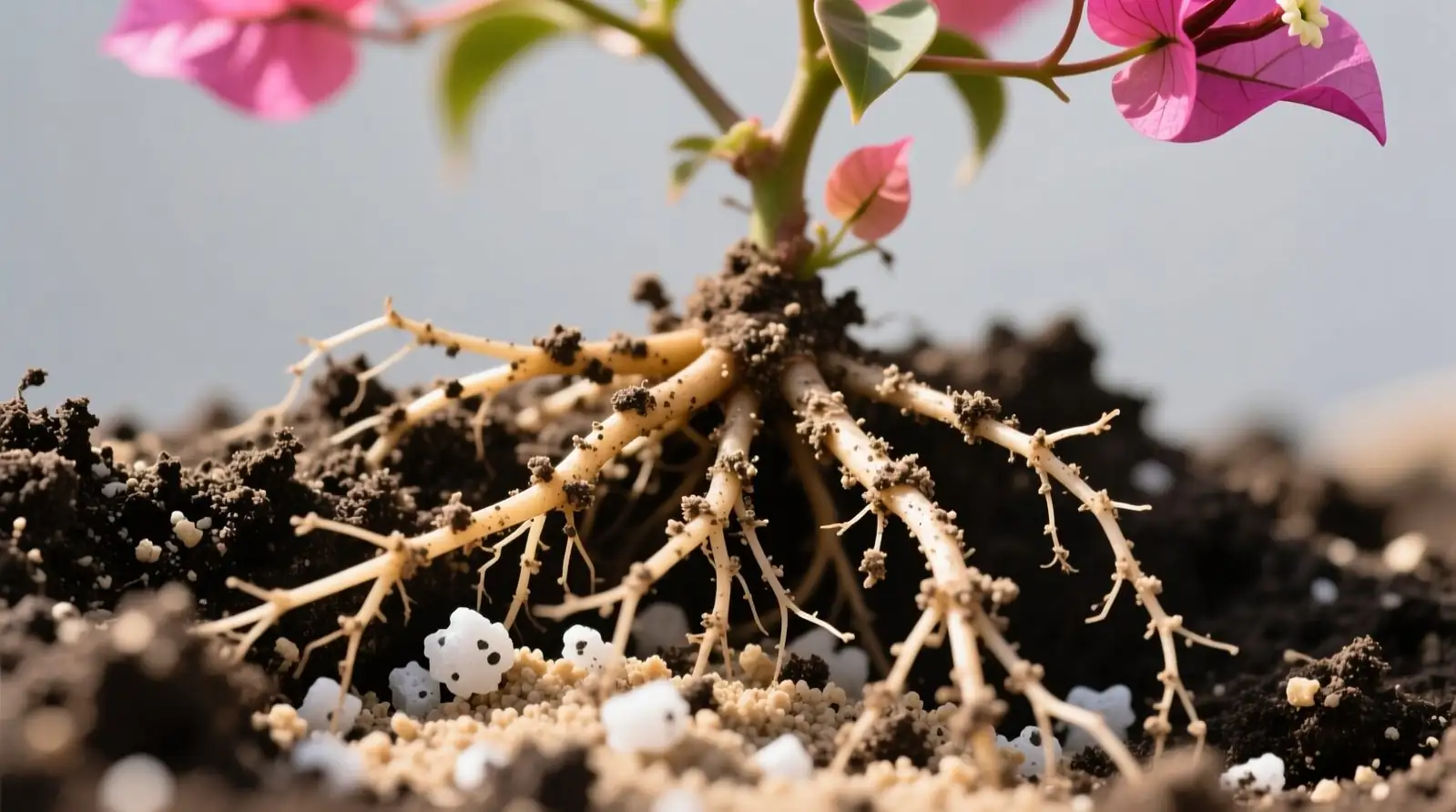
- Think “sharp drainage”: Use a high-quality potting mix cut with coarse sand/grit/perlite.
- Slightly snug is good: Slight root restriction often boosts bloom. Don’t leap to oversized pots; top-dress mature plants in spring instead.
Watering
- The rhythm: Water deeply, let excess drain, then wait until the top layer dries and the mix is nearing “almost dry” before watering again.
- Autumn nudge: Slightly reduce watering to promote bud set.
- Winter: Much brighter light, much less water. Keep on the drier side, watering only after a clear dry-down. Constant wetness equals leaf/bract drop and potential rot.
Feeding
- Bloom-leaning diet: During active growth, feed regularly without overdoing nitrogen.
- Option A: Monthly with a balanced-to-bloom formula tilted to potassium (e.g., a bloom-type 15-15-30).
- Option B: Every 2 weeks with a balanced liquid feed; every third time, switch to a higher‑potassium bloom feed.
- Color boost: A one-time monopotassium phosphate application during peak bloom can intensify bract color. Easy does it: too much nitrogen = a jungle of leaves, not color.
Pruning and training
- Pinch soft tips to branch and set up future blooms.
- Shape after flowering; remove weak, dead, or congested stems.
- Older plants (around 5–6+ years) benefit from occasional rejuvenation pruning.
- Tie new shoots early; older wood is less flexible.
Propagation
- Cuttings are straightforward: 15–20 cm (6–8 in) softwood in spring, semi-ripe in summer, or hardwood in warm seasons. Use a free-draining medium, warmth (about 21–27°C / 70–81°F), and rooting hormone for best success.
- Layering and air-layering also work. Many cultivated forms are grafted once spring temperatures stay above about 15°C (59°F).
Size and where it fits
- In containers with training: often around 1.5 m × 1.5 m (5 ft × 5 ft).
- In warm, outdoor sites with support: commonly 1.5–6 m (5–20 ft), depending on cultivar, pruning, and where you steer it.
Pests, prickles, and pet safety
- Common pests: Scale, mealybugs, aphids on new growth, spider mites (especially in hot, dry indoor air), plus the occasional caterpillar. Good airflow and bright sun keep pressure down. Treat with horticultural oil or insecticidal soap as needed.
- Diseases: Leaf spot and root rot typically trace back to soggy mix or stagnant air. Fix drainage and watering habits first.
- Safety: Sap can irritate skin and eyes; ingestion may upset stomachs. Thorns are sharp. Wear gloves, and keep plants out of reach of kids and pets.
A seasonal playbook
- Spring–early autumn: Maximum sun, deep water followed by partial drying, regular feeding, tie in new growth.
- Autumn: Trim side shoots after flowering to neaten; dial back water a notch to encourage the next flush.
- Winter: Keep very bright and above 7–10°C (45–50°F). Water sparingly.
- Spring refresh: Repot young plants every ~2 years; top-dress older ones. This is prime time to graft or to start cuttings in warmth.
FAQ: fast fixes for common hiccups
- Leaves galore, hardly any bracts? It’s usually one (or more) of these: not enough direct sun, too much water, or nitrogen-heavy feeding. Move to full sun, let the mix dry more between waterings, and switch to a bloom-leaning fertilizer with higher potassium.
- Can it live indoors year‑round? Yes—if you provide strong direct sun (bright south or west window/sunroom) and keep it drier in winter. Without enough direct light, expect legginess and few bracts.
- Does it want a big pot? Often the opposite. Slightly pot-bound plants bloom better. Step up one size at a time, or simply refresh the top layer of mix in spring.
- Post-purchase pro tip: Place it in sun immediately. Keeping it away from ripening fruit and veg can help reduce leaf/bract drop.
Where it comes from—and why it feels so at home in heat
- Roots in South America: Bougainvillea glabra is native to Brazil, and many of the showiest plants in gardens today are South American–derived hybrids (including Bougainvillea × buttiana). They’re heat-tolerant, sun-seeking woody climbers in the Nyctaginaceae family, bred and selected for that nonstop color fiesta.
Symbolism and the “flower language”
- The vibe: Bougainvillea reads as warm welcome, celebration, and passionate color—the living equivalent of stringing up party flags.
- About flower language (花语): Meanings are cultural rather than botanical; they’ve traveled via gardening traditions and popular culture, not scientific doctrine. In many places, the plant suggests resilience (thorny, drought-savvy) and joy (those festival bracts). Take any single “official” meaning with a pinch of salt; context and culture shape the message.
The bougainvillea difference: 5 wow‑worthy nuggets to remember
- Those aren’t petals: They’re bracts—clever, papery billboards boosting tiny true flowers.
- Dryness = drama: A brief, controlled dry-down can kickstart a bloom cycle. Don’t overdo it.
- Sunshine supercharges color: Strong light plus a touch more potassium turns pigments up to eleven.
- Thorns with purpose: Built-in carabiners let this woody shrub-vine scramble skyward.
- Shape it your way: From hoops and arches to standards and bonsai-like trees, it’s one plant with a thousand silhouettes.
Give bougainvillea full sun, sharp drainage, and just‑right watering, and it will return the favor with a months-long confetti storm. Train it, celebrate it, and let those bracts do what they do best: make every day look like a holiday.