

Imagine a little balcony garden that greets you with a cool, clean, menthol whisper every time you pass. That’s the Vicks plant—Plectranthus hadiensis var. tomentosus—your fuzzy, fragrant anchor for a smart, bug‑savvy container display that hums with pollinators and good airflow.
Here’s how to build it beautifully, keep it thriving, and pair it with the right neighbors for scent, color, and balance.
Meet the Vicks plant (aka Vicks Plant, Woolly Plectranthus)
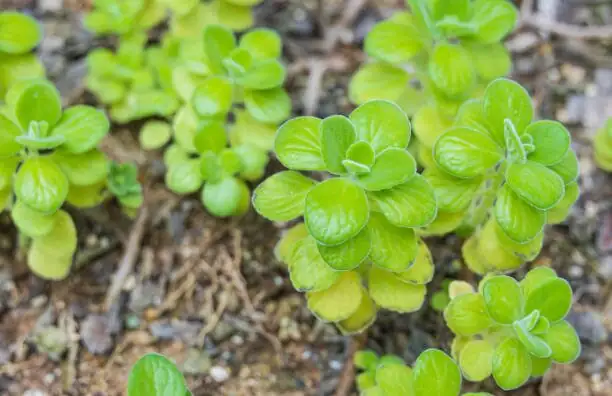
- Personality: Soft, velvety, gray‑green leaves that release a menthol/Vicks-like aroma when brushed. It stays compact and branches readily when pinched.
- Size in pots: Typically 6–12 in (15–30 cm) tall and about as wide; can spill slightly over the rim with age.
- Light and climate sweet spot: Bright light with gentle direct sun; tolerates partial shade. Loves warmth, hates soggy soil, and cannot take frost (treat as a houseplant except in very mild climates, roughly USDA 10–11).
- Bonus: Summer brings small, mint-family flower spikes—but the scented foliage is the star.
Light, warmth, and airflow: the balcony basics
- Sunlight
- East-facing or bright south/southwest with light filtering is ideal: 2–4 hours of gentle sun keeps leaves thick and happy.
- Avoid harsh midday sun through glass (scorch risk). Outdoors, give brief midday shade if the site bakes.
- Temperature
- Best at 50–77°F (10–25°C). Bring indoors or protect before temps dip to 50°F (10°C).
- Airflow
- Good ventilation reduces rot and pests. Space pots so foliage doesn’t crowd; leave 4–6 in (10–15 cm) of air between plants.
- Indoors, a small oscillating fan on low for an hour or two daily helps—especially after watering.
Potting mix and drainage that Vicks plants love
- Mix recipe
- Use a fertile but fast-draining indoor potting mix amended with extra aeration. Aim for roughly:
- 2 parts quality peat/coco-based mix
- 1 part perlite or pumice (add a bit of coarse sand if you have it)
- Containers
- Choose a 6–8 in (15–20 cm) pot with large drainage holes; terracotta boosts breathability.
- Raise pots on feet so water doesn’t pool under the base; group plants on slatted shelves for under‑pot airflow.
- Watering rhythm
- Aim for “even moisture, never soggy.” Let the top of the mix dry, then water thoroughly until excess drains; empty saucers.
- Avoid frequent tiny sips and avoid wetting the fuzzy leaves.
- Winter: water sparingly, keep warm, and move to the brightest spot.
- Top dressing tip
- A thin layer of gravel or pumice on the soil surface keeps leaves clean and drier at the base—great for preventing rot.
Creative container recipes: bug‑smart mini gardens
Each recipe balances scent, nectar, and structure while matching light and watering needs. Use one shared container when needs are similar, or cluster single‑plant pots for easy, tailored care.
1) Sunny “cool‑and‑color” rail box
- Core: Vicks plant (center‑mid), pinched for a rounded mound
- Pollinator pals: Sweet alyssum (Lobularia), dwarf marigolds (Tagetes), trailing calibrachoa or verbena
- Why it works
- Alyssum’s open, nectar-rich flowers invite beneficial insects; marigolds add color and are classic companions in IPM plantings; verbena/calibrachoa trail and bloom for months.
- Care notes
- Full morning sun, light afternoon shade. Let the top soil dry, then water deeply. Snip alyssum lightly to keep it flowering.
2) Scented “herbal handshake” bowl
- Core: Vicks plant
- Aromatic neighbors: Compact rosemary or sage (as the vertical “thriller”), thyme as a carpet, and chives as slim accents
- Why it works
- All enjoy bright light and free‑draining soil; layered aromas can help “mask” host plant scents and invite pollinator interest to tiny blooms.
- Care notes
- Keep the mix gritty; avoid overfertilizing. Prune rosemary/sage into tidy columns, pinch Vicks for branching.
3) Partial‑shade comfort corner (east balcony or filtered south)
- Core: Vicks plant
- Pollinator‑friendly bloomers: Torenia (wishbone flower) or impatiens for color in bright shade; trailing sweet alyssum on the edge
- Why it works
- Gentle light keeps Vicks foliage plush; torenia’s open flowers feed visiting pollinators where mornings are bright but afternoons are soft.
- Care notes
- Water when the top inch dries; ensure excellent drainage and airflow to offset slightly higher humidity in shadier spots.
4) “Trap‑and‑attract” duet cluster (use separate pots)
- Pot A: Vicks plant in a gritty mix
- Pot B: Nasturtium on a trellis or to spill (classic trap crop for aphids); optional pot C with sweet alyssum to attract beneficials
- Why it works
- On small balconies, companion planting shines: nasturtiums can lure pests away, while alyssum helps bring in allies like hoverflies and lacewings. Your Vicks plant enjoys the company without sharing soil or water.
- Care notes
- Keep the nasturtium a tad lean on fertilizer; deadhead often. Inspect it first for aphids, and rinse or remove infested stems before they spread.
Pairing menu: pollinator pals and aromatic neighbors
- Great pollinator partners
- Sweet alyssum (low, long‑blooming nectar trays)
- Dwarf marigolds (color, beneficial insect appeal)
- Salvias and compact agastache (sunny sites, hummingbird/bee draw)
- Verbena and calibrachoa (trailing color, loves drainage)
- Aromatic neighbors that suit the mix
- Rosemary, sage, thyme, oregano, chives
- Basil near seating areas for fragrance and easy harvests
- Keep in mind
- Mediterranean herbs (rosemary, thyme, sage) prefer especially sharp drainage and slightly drier intervals—excellent with Vicks in a gritty mix.
- Basil and impatiens like steadier moisture; either enrich one section of a large planter slightly or keep them in their own pots within the cluster.
- Lavender is lovely but can be fussier about excess moisture; pair it in its own pot within the grouping.
Design and spacing tricks for vigor and fewer bugs
- Use the “thriller–filler–spiller” layout:
- Thriller: rosemary or a compact salvia
- Filler: Vicks plant
- Spiller: alyssum or nasturtium
- Keep foliage off wet soil: top‑dress with gravel and remove lower yellowing leaves.
- Maintain air gaps: don’t let plants knit into a windproof wall; stagger heights so breezes can pass through.
- Rotate the container a quarter‑turn weekly to keep growth even and dense.
Pinching, pruning, and fast refresh
- Pinch seedlings at 3–4 in (8–10 cm); top rooted cuttings at 5–6 in (12–15 cm) for extra branching.
- Snip spent blooms on companions to keep nectar coming.
- Refresh Vicks from cuttings each spring: soft tips (~4 in/10 cm) root quickly—often in 4–5 days in warm, bright conditions—so you always have backups and fuller pots.
Watering and feeding, without the soggy drama
- During active growth
- Let the surface dry, then water thoroughly. Always drain the saucer.
- A full soak to rehydrate a dry root ball is fine 1–2 times per month in growing season—then drain completely.
- Feed once monthly April–October with a balanced liquid fertilizer at label rate.
- Winter
- Move to the brightest spot, keep above 50°F (10°C), water sparingly, no soggy soil.
Pest- and rot‑smart habits
- The Vicks plant’s strong aroma is popularly believed to help deter insects, and it’s often relatively pest‑resistant. Still, watch for:
- Mealybugs: cottony tufts in nodes; dab with alcohol on a cotton swab and increase airflow.
- Aphids and spider mites: check undersides; rinse gently and use a soapy water wipe on test spots if needed.
- Biggest real threat: stem/root rot from overwatering, heavy soil, wet leaves, and stagnant air.
- Prevention: fast drainage, let the surface dry, avoid wetting leaves, prune out dead foliage, ventilate.
Seasonal balcony calendar
- Spring: Repot to a 6–8 in pot with gritty mix; take cuttings; begin regular pinching.
- April–October: Bright light; water after the surface dries; feed monthly; watch heat and midday sun.
- Summer: Protect from harsh midday scorch; enjoy occasional flowers; keep air moving.
- Autumn: Reduce watering gradually; maintain light and airflow.
- Winter: Indoors, brightest window; above 50°F (10°C); water lightly.
Safety, look‑alikes, and quick ID
- Safety: Edibility/toxicity aren’t well documented. Treat as a non‑food ornamental; keep out of reach of pets and children. Aromatic oils can irritate sensitive skin or stomachs if ingested.
- Look‑alike caution: This plant is sometimes confused in trade with “Cuban oregano” (a different species). Trust the feel and fragrance: Vicks plant leaves are densely fuzzy and release a clear, menthol‑like scent when brushed.
Symbolism and scent culture
- In everyday plant lore, Vicks plant symbolizes freshness, comfort, and a harmonious home—the clean menthol note feels like a deep breath and a tidy room. Unlike traditional floriography, this “flower language” grew from modern home culture: windowsill classics passed between friends for good vibes and good fortune, valued more for how they make a space feel than for historic codes.
Build your mint‑meets‑velvet mini garden with bright light, a gritty mix, and companions that buzz and bloom. Keep the air moving, the soil quick to drain, and your fingertips ready to pinch—and your balcony will answer back with fragrance, color, and a happy, bug‑smart rhythm all season long.