

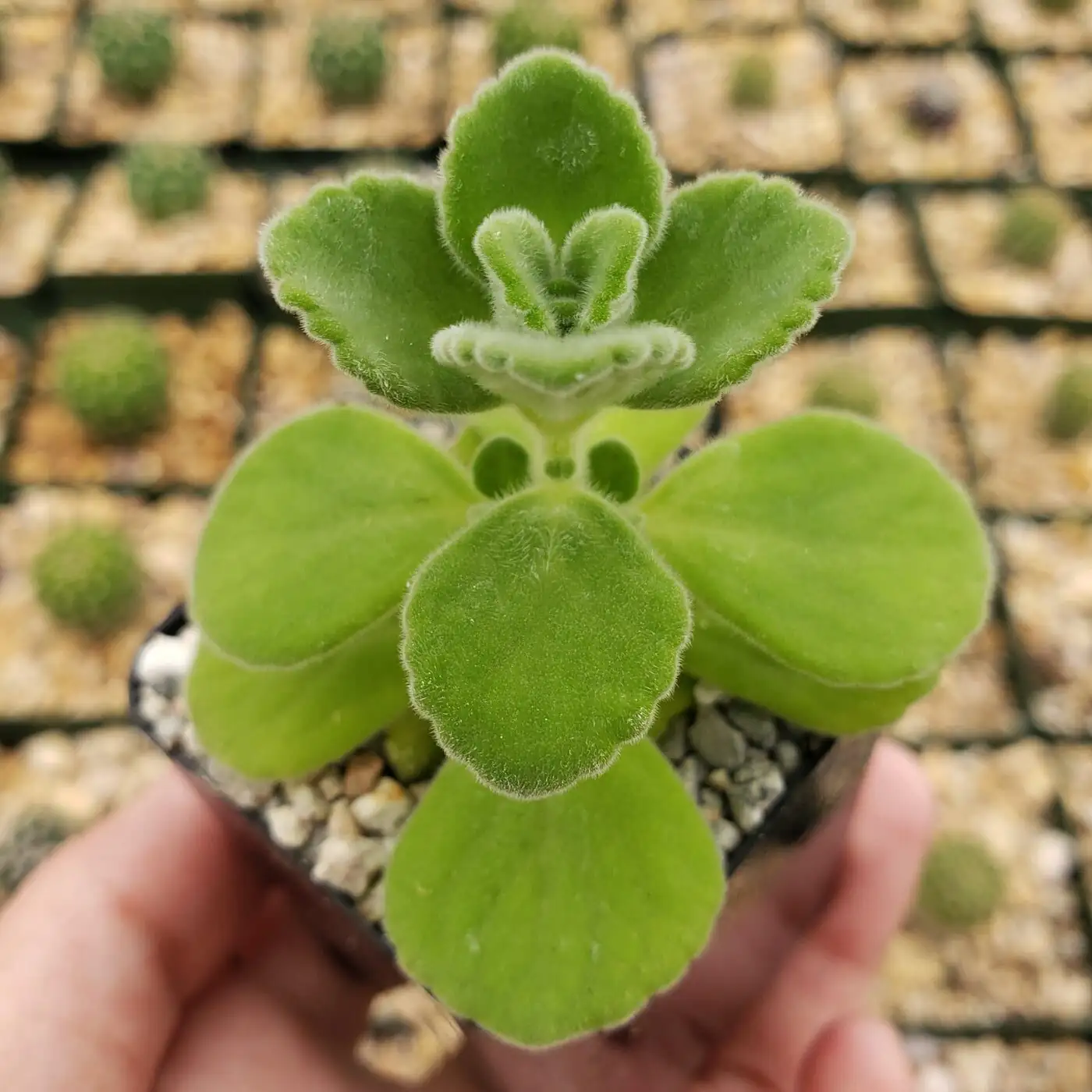
If a plant could wear a cozy sweater and a dab of cologne, it would be this one. Plectranthus hadiensis var. tomentosus—nicknamed the Vicks plant—sports plush, velvety leaves that release a fresh, menthol-like scent the moment you brush past. It stays compact, roots at superhero speed, and turns delightfully thick-leaved in brighter light. Let’s dive into the friendly science behind the fuzz, the fragrance, and the “thickening” trick—plus exactly how to keep this houseplant happy.
Meet the Vicks Plant, the Fuzzy Mint-Cousin
- Scientific name: Plectranthus hadiensis var. tomentosus (you’ll also see it sold under Plectranthus tomentosa in horticulture)
- Family: Lamiaceae (the mint family)
- Origin: Southeastern Africa (commonly cited from the South Africa/Eswatini region)
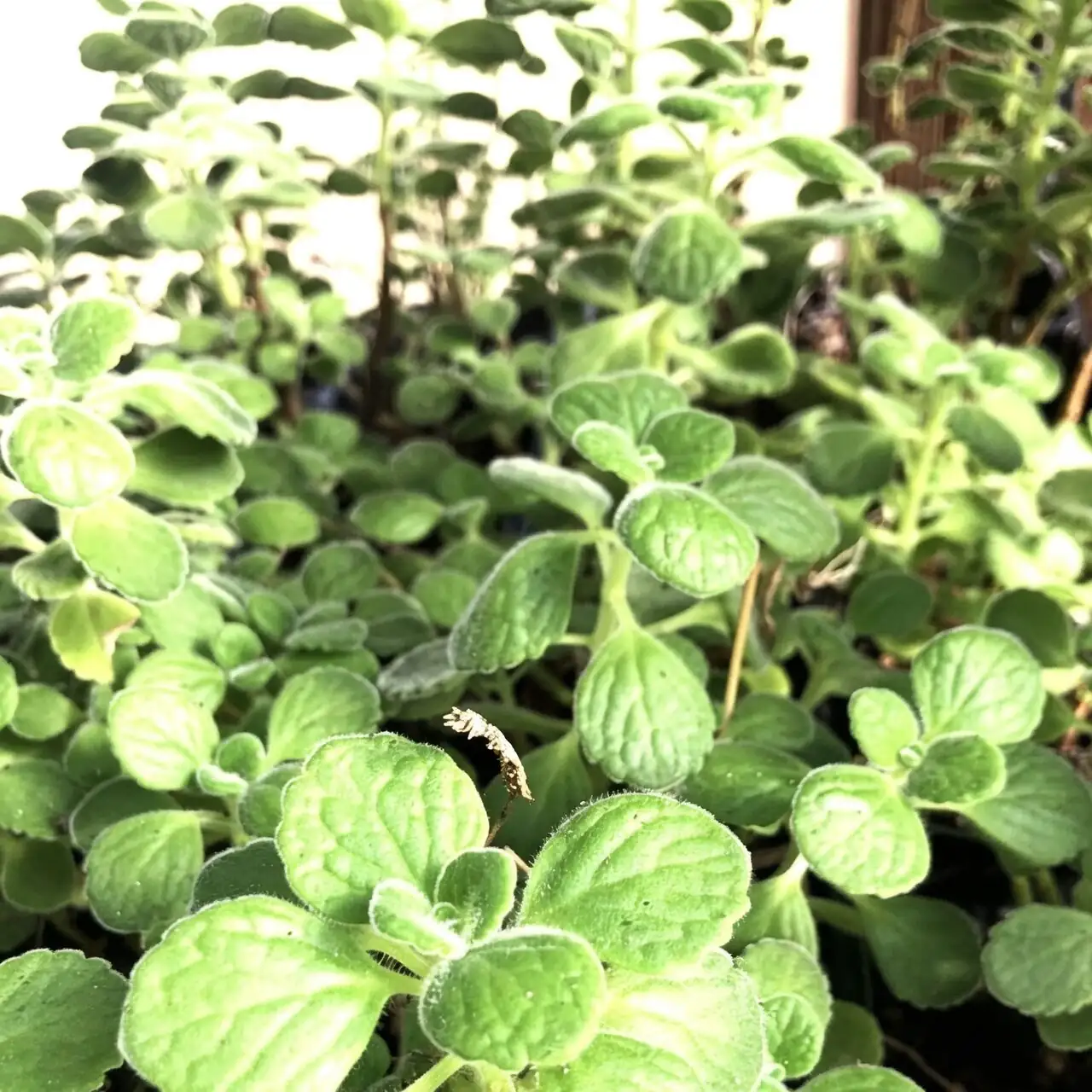
- Look and feel: Soft, gray‑green, velvety foliage with scalloped edges; compact, branching habit with a semi-succulent vibe
- Size in pots: Typically 15–30 cm (6–12 in) tall and about as wide; can gently spill over the rim with age
- Scent: A clean, menthol-like “Vicks” aroma when brushed; stronger if a leaf is lightly crushed
- Flowers: Small, mint-family blooms on short spikes in summer—sweet, but the scented foliage is the star
- Friendly tip: Plant 3–5 starters in a 15–20 cm (6–8 in) pot for a lush mound, then pinch regularly for extra bushiness
The Fuzzy Science: Why Those Leaf Hairs Matter
The “sweater” on this plant is called tomentum—a dense coat of fine hairs. It’s not just for looks; it’s a multi-tool.
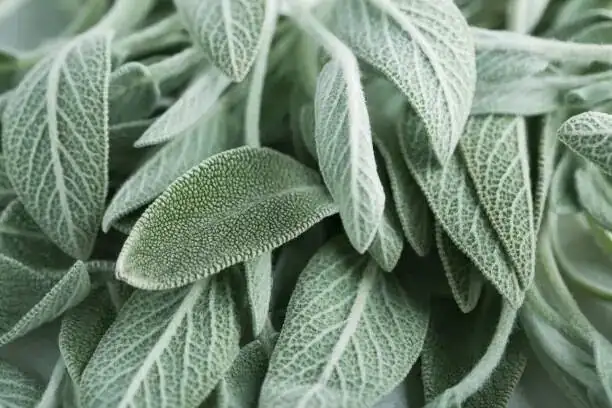
Tiny perfume factories in the fuzz
- Among the soft hairs are specialized, microscopic oil glands that store aromatic compounds.
- A gentle brush or rub breaks some of these tiny reservoirs—think “mini perfume balloons”—releasing a fresh menthol-like scent into the air.
- Crushed leaf = more ruptured reservoirs = a bigger, bolder fragrance burst.
Built-in shade, AC, and moisture control
- The fuzzy coat scatters harsh light like a natural sunscreen.
- It slows air movement right at the leaf surface (a cozy boundary layer), helping the plant conserve moisture.
- Result: a leaf that keeps its cool and sips water rather than guzzles it.
Bonus: bug and scorch defense
- Texture and scent can help discourage some pests.
- The hair layer buffers against sudden leaf wetting and hot, glaring sun—though strong midday sun through glass can still scorch, so go easy there.
Bright Light = Thicker, Semi-Succulent Leaves
Give this plant stronger light and it responds by bulking up—literally.
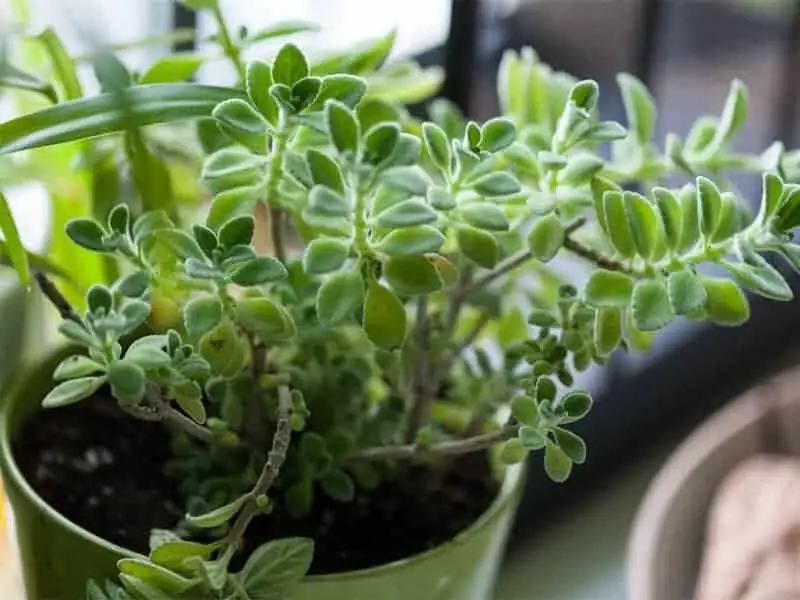
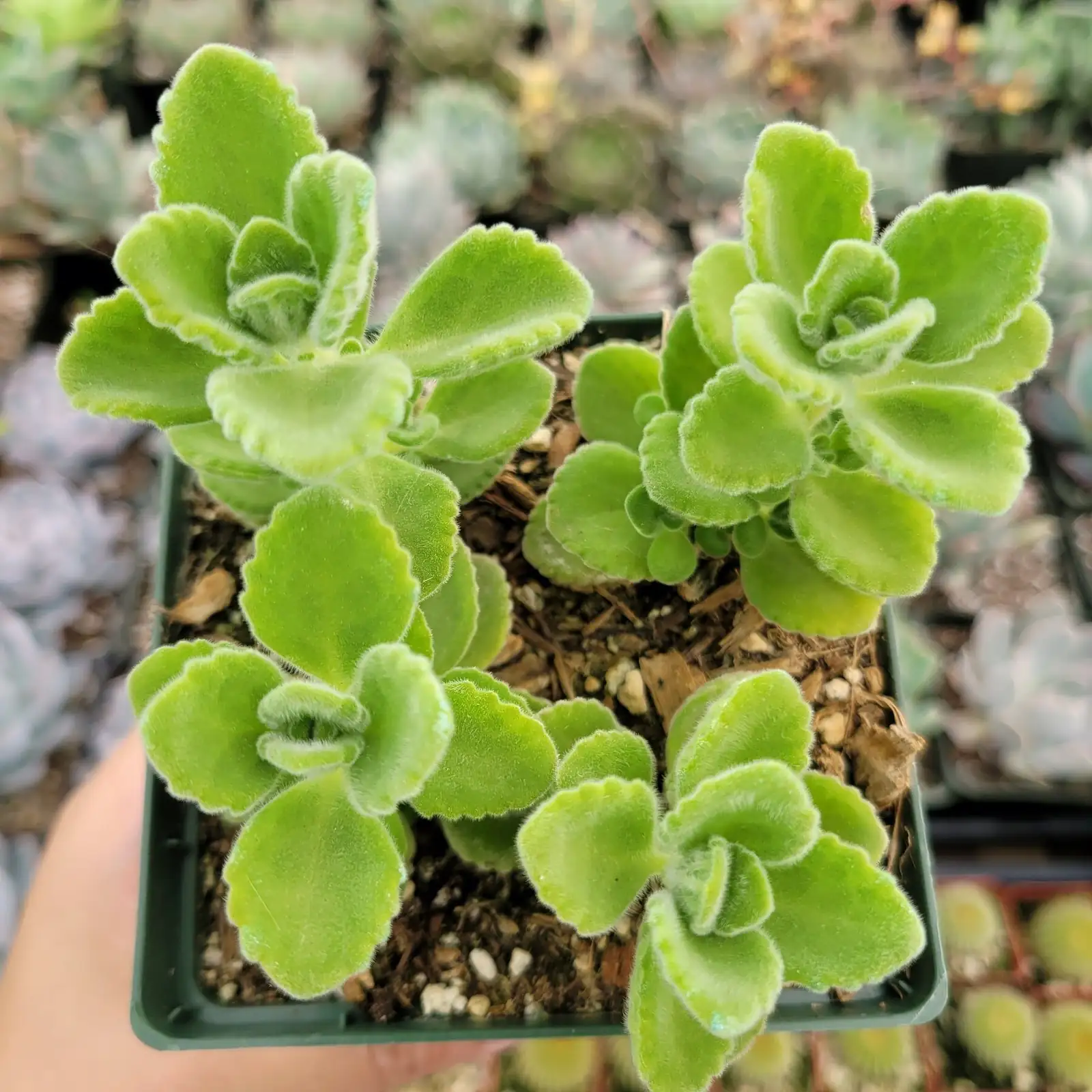
- In bright conditions with a bit of gentle direct sun, leaves grow thicker and more semi-succulent, building extra water-storage tissue and sturdier structure.
- Growth stays compact, with shorter internodes and a dense, mounding shape.
- In lower light, leaves tend to be thinner and flatter, stems stretch, and the plant looks a bit “loosy-goosy.”
Light sweet spot:
- Aim for bright light with some soft direct sun—an east window or a south/southwest exposure with light filtering works beautifully.
- Avoid fierce midday rays magnified by window glass.
Care Cheat Sheet (Simple but Specific)
Light
- Best: Bright light, plus gentle direct sun.
- Tolerates: Partial shade.
- Avoid: Harsh midday sun through glass that can scorch fuzzy leaves.
Temperature and Humidity
- Temperature: 10–25°C (50–77°F); keep above 10°C (50°F) in winter.
- Humidity: Average indoor is fine. Provide airflow; avoid persistently high humidity with wet leaves and wet soil.
Soil and Pot
- Mix: Fertile but fast-draining indoor potting mix amended with perlite/pumice/coarse sand.
- Pot: Use drainage holes; empty saucers promptly.
Watering
- Golden rule: Even moisture, never soggy.
- Method: Let the surface of the mix dry, then water thoroughly until it drains. Don’t “sip-water” frequently or keep leaves sopping wet.
- Winter: Water sparingly, but keep the plant warm and in bright light.
- If it wilts from hidden dry pockets: Soak the entire pot to rehydrate evenly, then drain well. In active growth, this full soak can be handy 1–2 times per month if needed.
Feeding
- April–October: Feed monthly with a balanced liquid houseplant fertilizer at label rate (or a mild organic liquid).
- Winter: Reduce or pause feeding.
Pinching and Shaping
- Pinch seedlings at 8–10 cm (3–4 in) tall.
- Top rooted cuttings at 12–15 cm (5–6 in).
- Regular tip-pinching = a neater, denser, happily branching plant.
Repotting
- Repot yearly in spring into a free-draining, fertile mix.
- For an instant full look, plant 3 (up to 3–5) young plants together in a 15–20 cm (6–8 in) pot.
The Party Trick: Lightning-Fast Rooting
This plant is comically eager to make more of itself.
Tip cuttings (the speed run)
- Take 10 cm (4 in) soft tip cuttings.
- Root in a peat/coco-based medium, kept warm and bright.
- Roots often appear in about 4–5 days. Many cuttings are ready to pot up in roughly a week.
Water propagation
- Early summer works well. Take a 15 cm (6 in) semi-mature cutting, remove 2–3 lower leaves, and place the lower half in clean water.
- Change water every 5–7 days; pot up once well-rooted.
Seeds and experiments
- Fresh seed can germinate in 7–10 days at 19–24°C (66–75°F).
- Water culture is possible but less common; if you try it, transition gently in spring and anchor roots with clean stones to keep them aerated.
Why it roots so fast:
- Semi-succulent stems store energy and moisture.
- Nodes are primed to produce adventitious roots.
- The fuzzy leaf microclimate helps cuttings lose water more slowly while they “boot up” roots.
Flowers: Cute, But the Foliage Steals the Show
- Expect small, mint-family flower spikes in summer.
- Think pale and dainty, not fireworks—most growers keep it for the scent and touchable texture of the leaves.
Styling and Placement Ideas
- Sunny windowsill companion for desks and side tables.
- A great “pass-along plant” because it propagates so readily.
- Looks plush when allowed to tumble slightly over the pot rim with gentle trailing stems.
Troubleshooting and Plant Health
- Soft stems, wilted leaves? Two big culprits:
- Soggy soil leading to rot—improve drainage, water less often, and boost airflow.
- Patchy dry mix from uneven watering—do a full soak to even things out, then drain fully.
- Pests: Usually quite resistant thanks to its aroma, but stressed plants can attract mealybugs, aphids, or spider mites. Treat early and improve care conditions.
- Biggest real risk: Overwatering + heavy soil + poor ventilation.
Safety Note
- Toxicity isn’t well documented. Treat it as a non-food ornamental, discourage chewing, and keep away from pets and children.
- Aromatic oils can cause mild stomach upset if ingested and may irritate sensitive skin.
Seasonal Rhythm (At-a-Glance)
- Spring: Repot; refresh from cuttings; begin pinching; keep lightly moist.
- April–October: Water after the surface dries; feed monthly; enjoy ultra-fast propagation.
- Summer: Prime bloom time; protect from scorching midday sun; avoid soggy soil.
- Autumn: Maintain the “dry a bit, then water well” pattern; gradually reduce watering.
- Winter: Keep above 10°C (50°F), give maximum light, water sparingly, and avoid cold drafts.
Symbolism and “Flower Language”
With its clean, cooling aroma and cozy, soft leaves, this plant is popularly associated with freshness, comfort, and easy breathing room—metaphorically and atmospherically. In everyday plant culture, it’s also linked to happiness, good fortune, and a harmonious home. There’s no deep historical canon behind this “flower language”; it’s a modern sentiment born from how the plant feels to live with—calming scent, calm presence.
Quick FAQs
- Why are my leaves getting thin and flat? It needs more light. Move it to a brighter spot with gentle direct sun and watch leaves plump up.
- How do I avoid overwatering? Let the top of the mix dry, then water thoroughly and drain. No standing water in saucers.
- Can it live outdoors? Only year-round in mild, frost-free climates (roughly USDA 10–11). Protect from cold and harsh midday sun.
In short: give your Vicks plant bright light, a breezy, fast-draining home, and sensible sips—not soaks. Then rub a leaf, breathe in that crisp menthol-like scent, and enjoy watching the foliage grow a little thicker and cozier with every sunny day.