

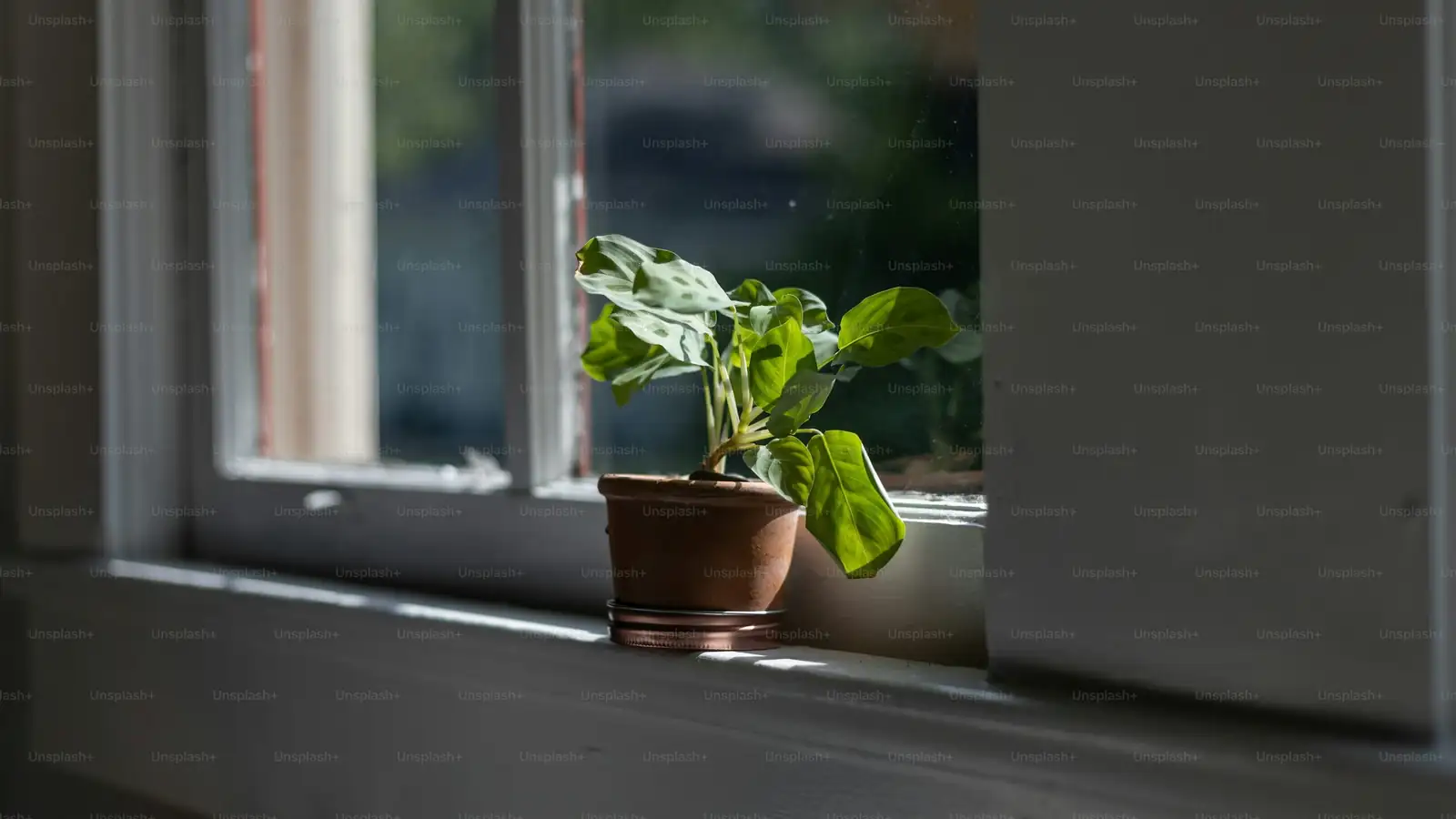
Breathe in, brush a leaf, and there it is—that clean, menthol-like waft that made this fuzzy little mint-family charmer famous. Plectranthus hadiensis var. tomentosus is the windowsill plant that smells like a memory, evoking comforting chest rubs and breezy summer air. But before it became a pass-along favorite under the catchy nickname “Vicks plant,” it was a sun-loving native on Southeastern African slopes. Here’s the plant’s origin story—roots, relatives, and a quick untangling of its many names included.
From Southeastern African hills to your windowsill
Southeastern Africa is the plant’s ancestral stage—commonly cited from the South Africa/Eswatini region—where warm light, moving air, and intermittent dryness shaped its character. That’s why it thrives in bright conditions, dislikes soggy soil, and carries foliage so densely velvety you want to pet it. The soft hairs aren’t just adorable; they help buffer leaf temperature and reduce moisture loss, a tidy adaptation to sunny, breezy habitats.
From there, it traveled the globe in gardeners’ pockets—quite literally. Snip a stem, tuck it into a pot, and it roots in days. That easy-going nature turned it into a classic pass-along plant: an aromatic keepsake that settles happily onto a desk, a kitchen sill, or a sunny balcony.
A mint with a memory: the family connection
Plectranthus hadiensis var. tomentosus belongs to the Lamiaceae—the mint family—famous for aromatic leaves and small, nectar-rich flowers.
- The fragrance: Touch releases a fresh, menthol-like scent. Crush a leaf and it becomes unmistakably “Vicks.”
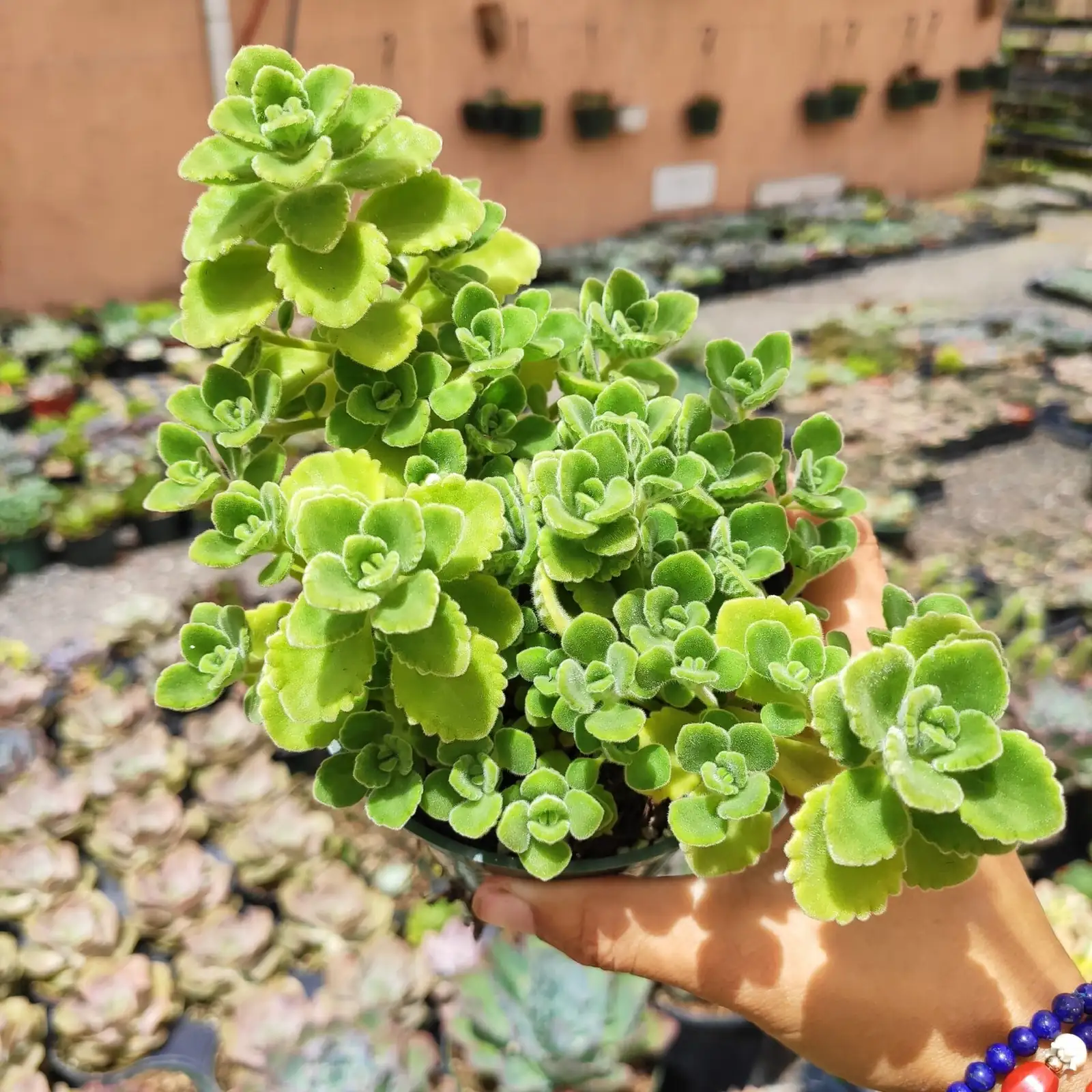
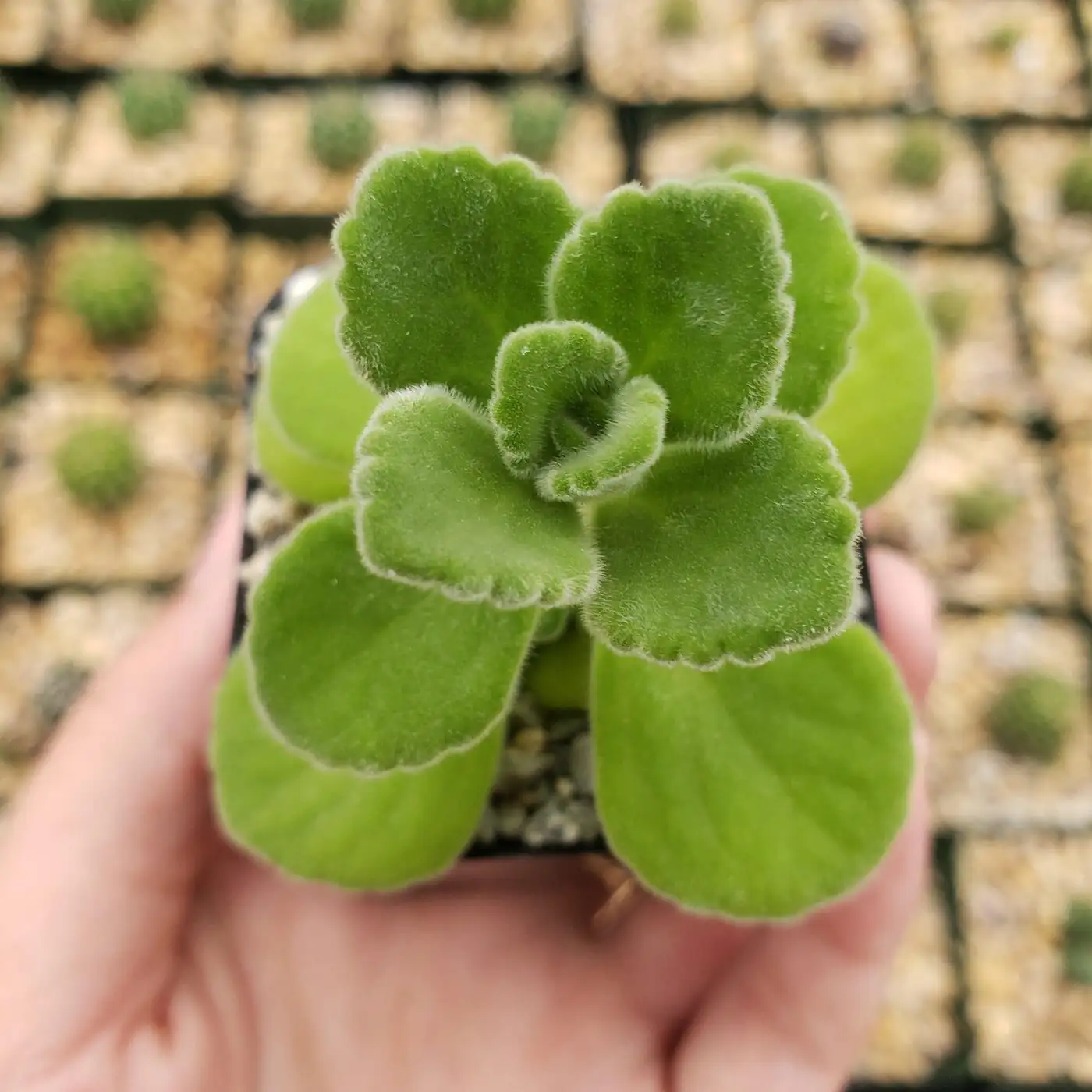
- The look: A compact, bushy habit with soft, gray‑green leaves cloaked in fine hairs; in strong light they take on a thicker, semi-succulent feel.
- The bloom: In summer, it sends up small mint-style flower spikes—pale and delicate. Pretty, yes, but here the foliage is the star.
No wonder people keep it near where they sit and read. It’s a plant you experience as much with your nose and fingertips as with your eyes.
Why “Vicks plant”? How a scent became a name
Common names often stick to the senses, and this one is as on-the-nose as it gets. Brush the leaves and you’ll understand: the plant’s essential oils smell menthol-like, reminiscent of familiar chest rubs. Across markets you’ll also hear “Vicks herb,” “Succulent Coleus,” and “Woolly Plectranthus.” In Chinese, it’s affectionately called 碰碰香—“touch-touch fragrance”—a perfect nickname for a plant that performs on cue.
Important note: the scent is evocative, not a prescription. This is a non-food ornamental—admire the aroma, but don’t brew it into tea or use it as medicine.
The naming tangle, untangled
If you’ve seen more than one scientific name for this plant, you’re not imagining things. Here’s the quick tour:
- The name you’ll see used today in many references—and the one we use here—is Plectranthus hadiensis var. tomentosus.
- You’ll still encounter the label Plectranthus tomentosa in the trade. Think of it as a legacy tag for the same plant; many growers haven’t updated their labels.
- Some modern catalogs file related species under the genus Coleus. So you may also run into Coleus hadiensis in broader discussions. In everyday horticulture for this fuzzy, menthol-scented houseplant, Plectranthus hadiensis var. tomentosus is a solid, recognizable name.
- Beware the mislabel: “Cuban oregano” is commonly, but incorrectly, slapped on this plant. True Cuban oregano is a different species (often sold as Coleus/Plectranthus amboinicus) with chunkier, more strongly flavored leaves and a different look and use profile.
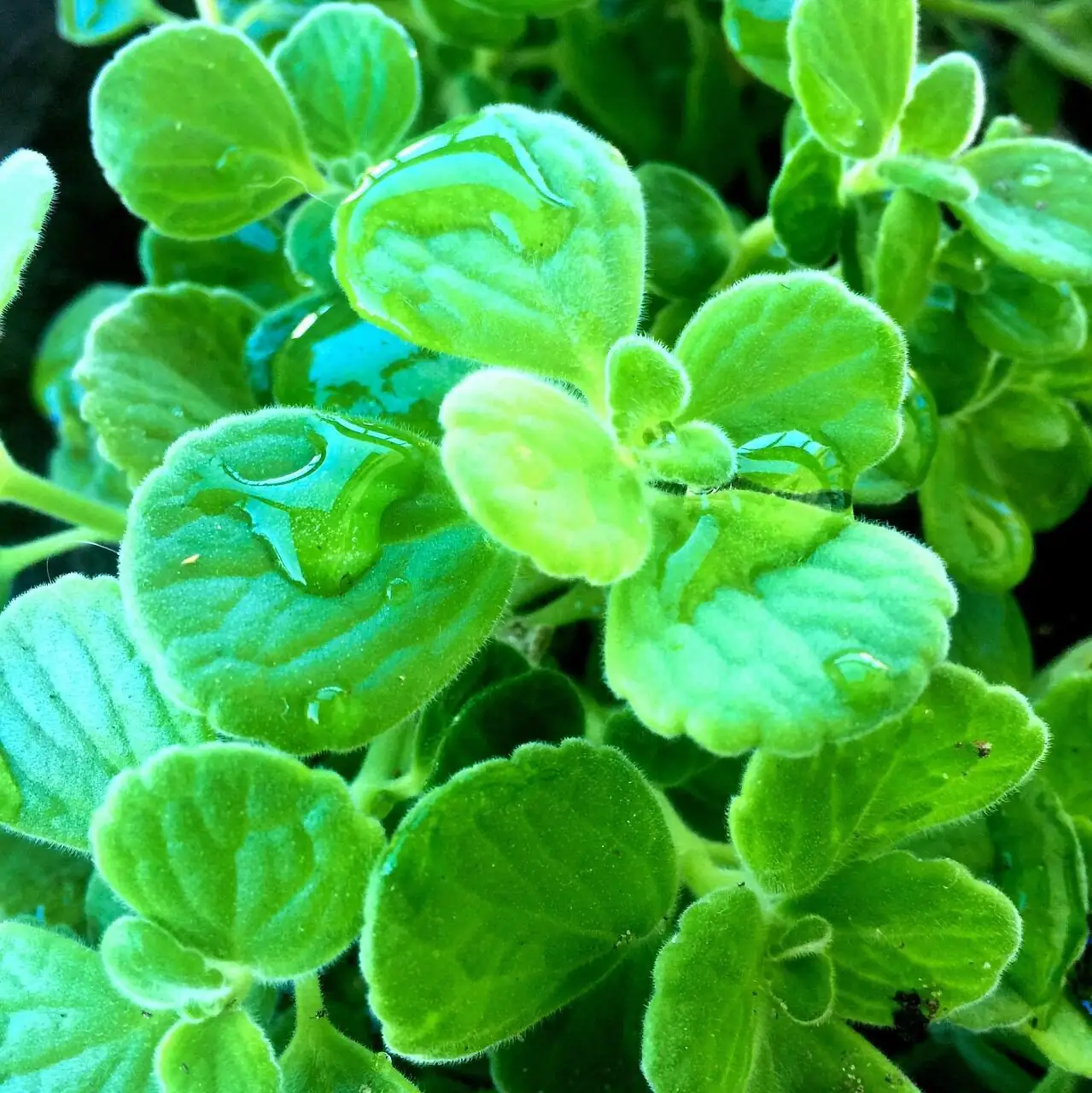
Bottom line: if it’s compact, velvety gray‑green, and smells like a soothing menthol rub when you touch it, you’re holding the right plant—whatever the tag says.
Portrait of the plant
Habit and size
- Indoors, it keeps a tidy 15–30 cm (6–12 in) tall and about as wide, forming a low, mounding shrub that can gently spill over the rim as it ages.
- It branches freely, especially with regular pinching, and can look lush when 3–5 young plants share a 15–20 cm (6–8 in) pot.
Leaves and flowers
- Leaves: Soft, velvety, gray‑green, densely hairy; thicker in strong light, thinner and flatter in lower light.
- Flowers: Small, mint-family blooms on short summer spikes—pleasant but understated.
Living well with a plant from sunny slopes
Think “bright, warm, and airy”—and never swamp the roots.
- Light: Bright light with gentle direct sun suits it best; partial shade is fine. Shield from harsh midday rays behind glass.
- Temperature: 10–25°C (50–77°F). Keep above 10°C (50°F) in winter and avoid cold drafts.
- Soil: Fertile but fast-draining mix—indoor potting soil plus extra perlite/pumice/coarse sand does the trick.
- Water: Aim for even moisture, never soggy. Let the top of the mix dry, then water thoroughly and empty the saucer. In winter, water sparingly and keep it bright and warm. Avoid wetting the leaves.
- Humidity and airflow: Average indoor humidity is fine; pair it with good ventilation and avoid stagnant, damp conditions.
- Hardiness: Frost-tender; outdoors year-round only in mild climates (roughly USDA Zone 10–11).
Pro tip for sudden wilting: If stems feel soft because parts of the root ball stayed dry, soak the entire pot to rehydrate evenly, let it drain well, then return to your normal rhythm.
Pinch, shape, and refresh
- Pinch seedlings at 8–10 cm (3–4 in) to encourage branching.
- Top newly rooted cuttings at 12–15 cm (5–6 in) for a dense mound.
- Repot in spring into a free-draining mix; for a full look, plant 3–5 starts together.
- Feed monthly from April to October with a balanced liquid fertilizer; ease off in winter.
Propagation: faster than a good story travels
- Tip cuttings: 10 cm (4 in) soft cuttings root with surprising speed—often in about 4–5 days in warm, bright conditions. Pot up within a week.
- Water propagation: In early summer, root a 15 cm (6 in) semi-mature cutting in clean water, changing the water every 5–7 days. Pot once roots are well formed.
- Seed: Sow fresh seed lightly covered at 19–24°C (66–75°F); germination often in 7–10 days.
No wonder it’s a beloved pass-along plant—one snip becomes a gift in a week.
Culture, symbolism, and everyday lore
This plant’s “flower language” is more modern houseplant culture than Victorian floriography. Its menthol-cool fragrance and tidy, touchable leaves have made it a small emblem of:
- Freshness and comfort: a sensory reset on a desk or bedside.
- Happiness and good fortune: in everyday plant lore, its bright scent is said to lift rooms and moods.
- A harmonious home: tidy, fragrant, and easy—qualities that play well with domestic calm.
Consider it a living room deodorizer with personality—no plug-in required.
Buyer’s guide and mislabel pitfalls
- Do the scent test: Gently rub a leaf—healthy plants release a clear, pleasant menthol-like aroma.
- Look for vigor: Choose a compact, branching plant with firm stems and evenly colored, fuzzy leaves.
- Skip trouble: Avoid soggy pots, blackened stem bases, or any sour smell (early rot red flags).
- Name-check: Labels may read “Plectranthus tomentosa” or even “Cuban oregano.” Trust your senses and the look; the true Vicks plant has softer, silvery-fuzzy foliage and a clean, menthol-like scent.
Health and safety
- Pests: Generally resilient—the strong aroma may help—but stressed plants can attract mealybugs, aphids, or spider mites. The most serious risk is stem/root rot from overwatering or heavy soil. Keep it quick-draining and airy.
- Toxicity: Not well documented. Treat as a non-food ornamental; discourage nibbling and keep out of reach of pets and children. Aromatic oils may irritate sensitive skin or tummies.
In a nutshell: why it wins hearts
- Smells like comfort when you brush it.
- Grows compactly in bright indoor light.
- Roots from cuttings in days—easy to share.
- Stays happiest with warmth, fast-draining soil, and a light hand with water.
From Southeastern African sunlight to your sunny sill, Plectranthus hadiensis var. tomentosus has perfected the art of being small, soft, and unforgettable—one gentle touch at a time.