

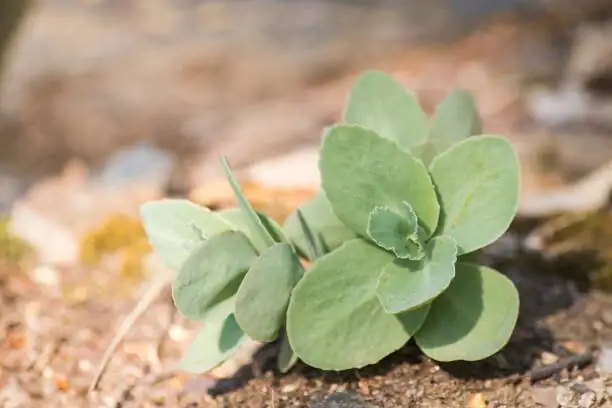
Run a fingertip across those soft, silvery-green leaves and—whoosh—the Vicks Plant releases a clean, menthol-like scent that makes you want to keep touching it. Good news: it loves a gentle brush and rewards simple, consistent care. Follow this step-by-step guide to get bushy, velvety growth without ever drifting into soggy-soil trouble.
Why beginners love Plectranthus hadiensis var. tomentosus
- Naturally compact, branches freely, and stays tidy on a bright windowsill or desk
- Soft, fuzzy leaves with a refreshing menthol fragrance
- Forgiving if you learn its water rhythm: even moisture, never soggy
- Fast from cuttings, so you can fill a pot quickly
- Cold sensitive but otherwise easygoing indoors
Light: the make-or-break (and how to nail it)
Think “bright and gentle.”
- Best spots
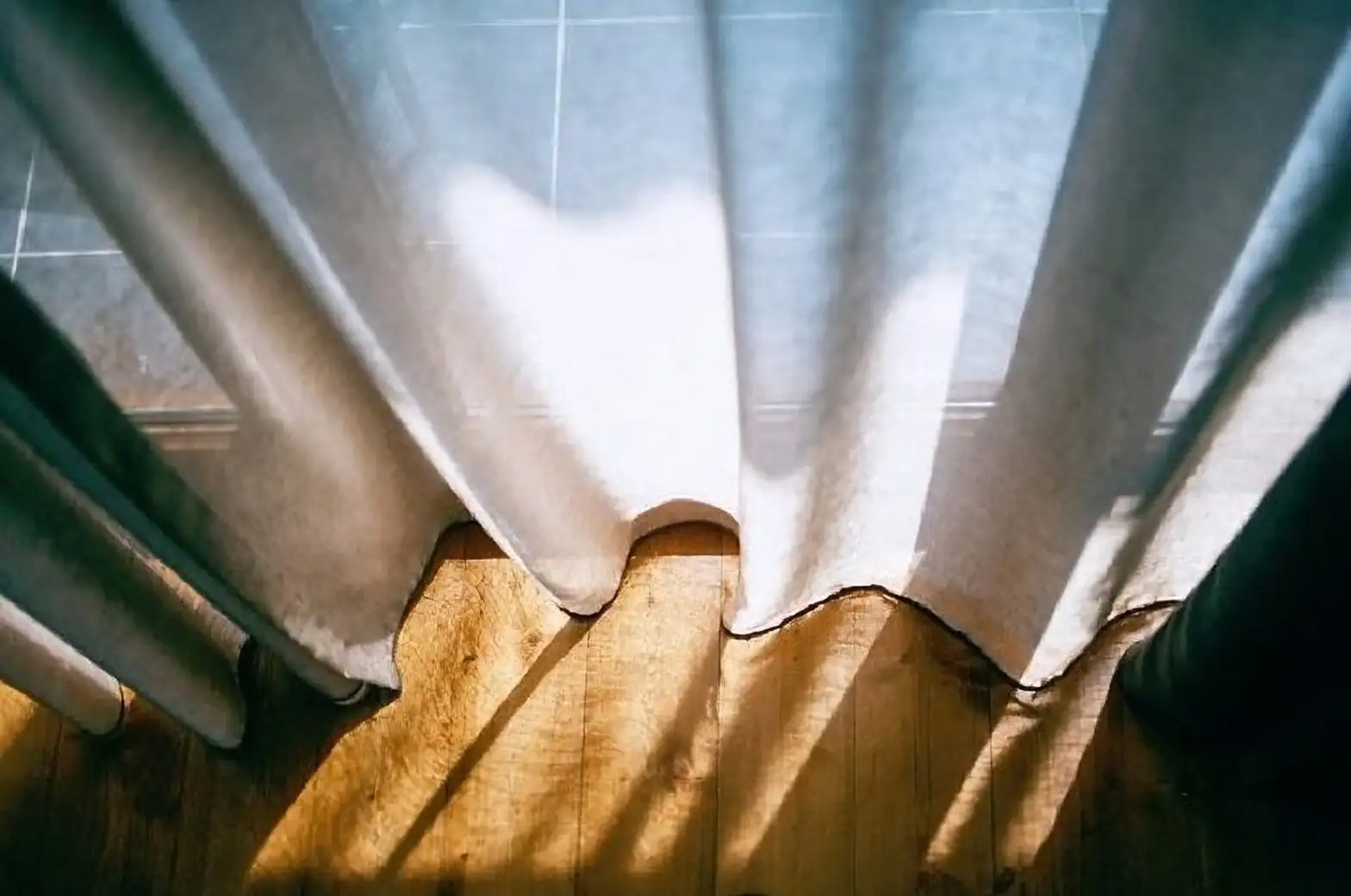
- Bright east window, or south/southwest window with a sheer curtain or light filtering
- A sunny balcony/patio with protection from harsh midday sun through glass
- How much sun?
- It enjoys some direct morning or late-afternoon sun.
- Avoid harsh midday rays—fuzzy leaves can scorch.
- What the leaves tell you
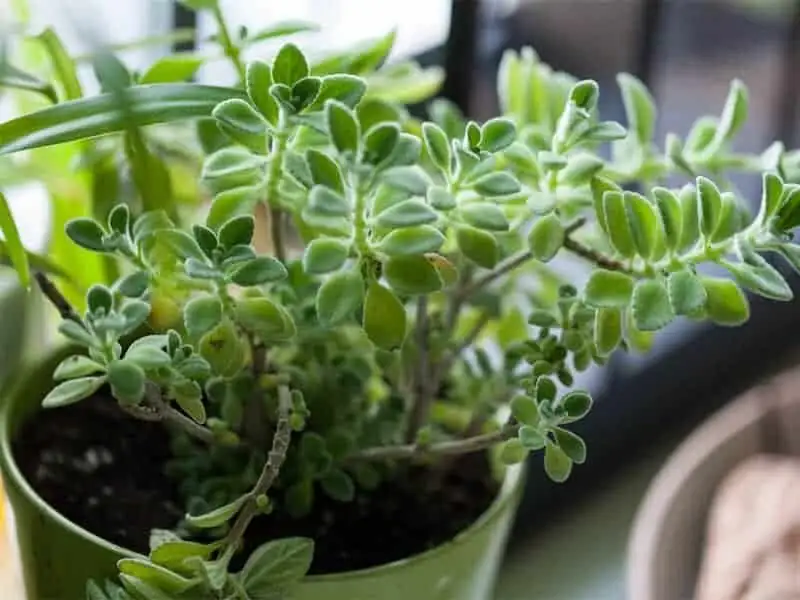
- Thick, semi-succulent leaves = light is strong and good.
- Thin, flat, stretched leaves = it wants more light. Move it closer to a bright window or add a sheer-filtered south-facing spot.
- Pro tip
- Rotate the pot every 1–2 weeks for even, bushy growth.
Watering rhythms you can trust
Aim for “even moisture, never soggy.”
- The everyday routine
- Let the top of the mix dry first (the top 1–2 cm/½–¾ in).
- Water thoroughly until excess drains from the bottom.
- Empty the saucer. Do not let it sit in water.
- Avoid frequent tiny sips and try not to wet the leaves.
- Seasonal shift
- Spring to early autumn: steady rhythm—dry a bit, then water well.
- Winter: water less and keep slightly on the dry side, but in the brightest, warmest spot you have.
- Easy cues
- Pot feels light, top looks matte-dry, and leaves feel a touch less plump? Time to water.
- Leaves collapsing while soil is wet = trouble (see troubleshooting below).
The soak-to-rehydrate rescue (for unevenly dry root balls)
Sometimes pots develop dry pockets—stems droop, and the base feels soft even though parts of the soil are dry.
- Do this when the mix has dry pockets (not when it’s already sodden):
- Place the whole pot in a basin of room‑temperature water.
- Let it soak until bubbling slows and the mix is evenly moist.
- Lift out, let it drain completely, then return to bright light with good airflow.
- How often?
- In the growing season, a full soak like this can be helpful about 1–2 times per month if needed. Return to your normal “dry a bit, then water well” routine afterward.
Season-by-season playbook
- Spring
- Repot, refresh plants from cuttings, begin regular pinching, and keep lightly moist.
- April–October (active growth)
- Water after the surface dries; feed monthly; bright light with gentle sun.
- Summer
- Prime flowering time (small, mint-family blooms; foliage is the main show). Shield from scorching midday sun and avoid soggy soil.
- Autumn
- Keep the same rhythm but gradually reduce watering.
- Winter
- Keep above 10°C/50°F in the brightest window. Water sparingly and avoid cold drafts.
Soil, pot, and repotting for lush, airy roots
- The mix
- A fertile, fast-draining indoor blend, such as peat/coco with compost or leaf mold, boosted with extra aeration (perlite, pumice, or coarse sand).
- Avoid heavy mixes that hold water.
- The pot
- A 15–20 cm (6–8 in) pot with good drainage. Terracotta helps excess moisture evaporate.
- Repot rhythm
- Repot yearly in spring.
- For an instant full look, plant 3 young plants together (up to 3–5 in a wider pot).
- Repotting day, step-by-step
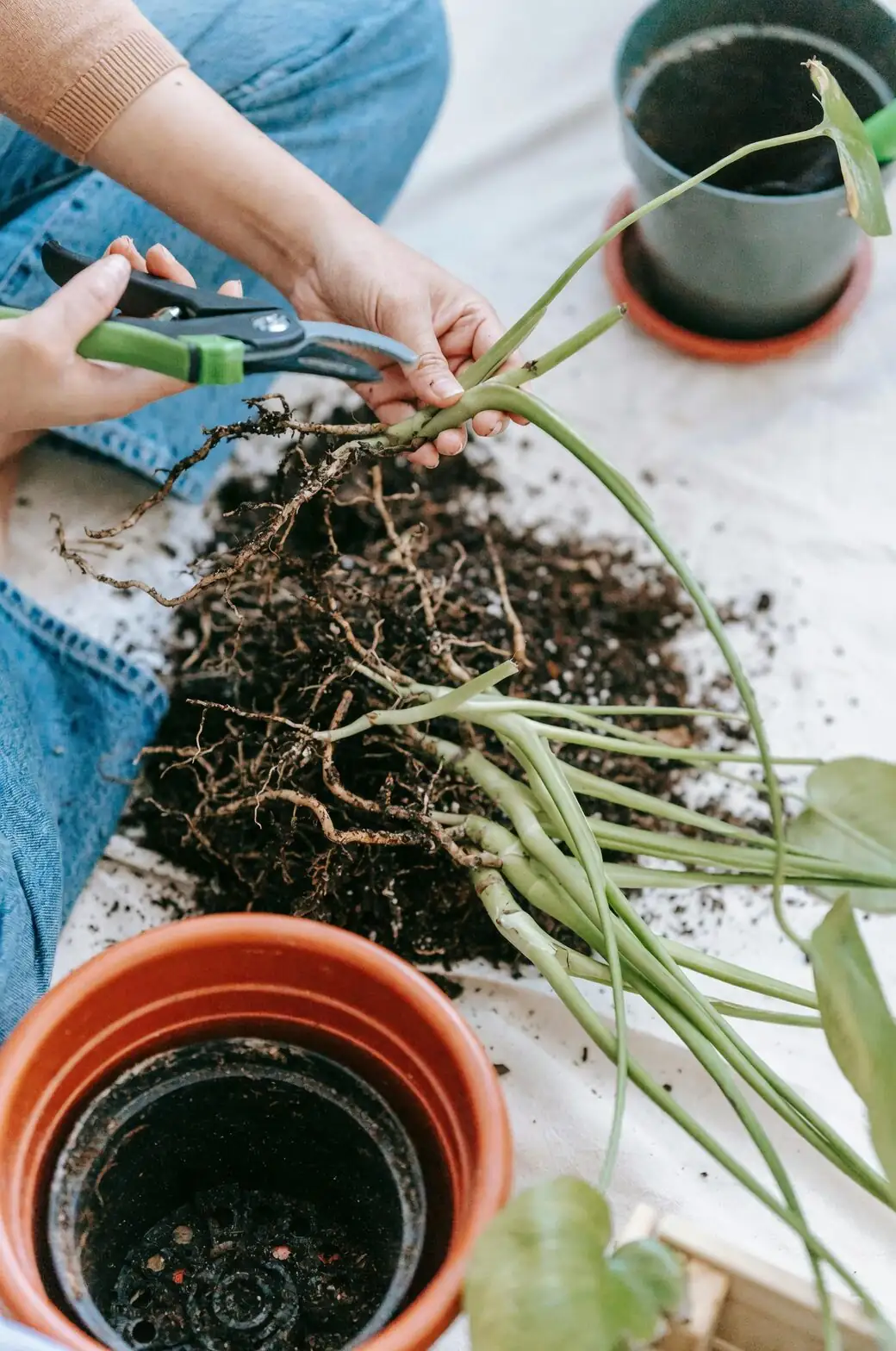
- Water lightly a day before; it eases removal.
- Gently loosen roots and trim any blackened or mushy bits.
- Set into fresh, airy mix at the same depth.
- Water through once, then let the top dry before the next drink.
Shaping a dense, velvety mound
- Pinching schedule
- Pinch seedlings at 8–10 cm (3–4 in) tall.
- Top young rooted cuttings at 12–15 cm (5–6 in).
- Grooming
- Remove yellowing or spent leaves near the base to keep airflow high and rot risks low.
- Habit to expect
- A compact 15–30 cm (6–12 in) mound that may softly trail over the rim in time.
Feeding made simple
- April–October: feed about once per month with a balanced liquid houseplant fertilizer at label rate (a mild organic feed works too).
- Winter: reduce or pause feeding.
Placement, temperature, and humidity
- Temperature sweet spot: 10–25°C (50–77°F). Keep it above 10°C/50°F in winter; protect from cold drafts and frost.
- Humidity: average indoor levels are fine. Pair moderate humidity with good airflow; avoid persistently wet leaves in stagnant air.
- Outdoors year-round only in mild climates (roughly USDA Zone 10–11); otherwise treat as a houseplant.
Fast fixes: common problems and what to do
- Wilted, soft stems
- Either rot from soggy soil or dry pockets in the mix.
- Check the root zone: if very wet, improve drainage and allow a longer dry-down. If parts are bone-dry, use the soak-to-rehydrate rescue, then drain well.
- Leaves getting thin and flat
- Needs more light. Move to a brighter window or give gentle, filtered sun.
- Yellowing, soft bases, sour smell
- Overwatering or heavy soil. Repot into an airy mix, empty saucers promptly, and water only after the surface dries.
- Pests
- Generally resistant thanks to its aroma, but stressed plants may get mealybugs, aphids, or spider mites. Treat early and improve light/airflow to prevent reinfestation.
Propagation: the fun (and fast) way to a fuller pot
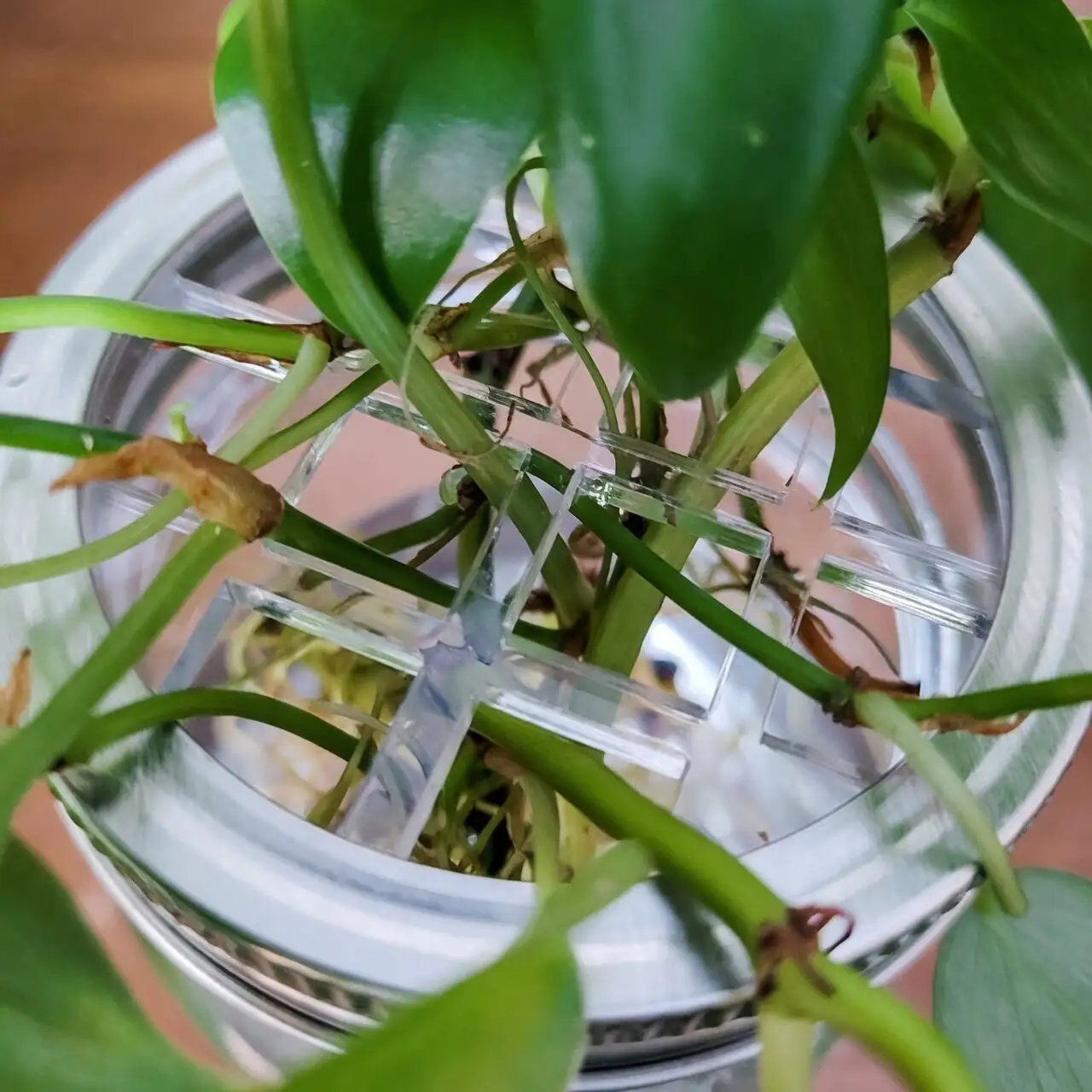
- Tip cuttings in mix
- Take 10 cm (4 in) soft cuttings; root in a light peat/coco medium in warm, bright conditions. Rooting can be very fast—often about 4–5 days—and ready to pot in roughly a week.
- Water propagation
- In early summer, take a semi-mature 15 cm (6 in) cutting, remove 2–3 lower leaves, place the lower half in clean water, change water every 5–7 days, then pot once well‑rooted.
- Seed
- Sow fresh seed, cover very lightly, keep evenly moist at 19–24°C (66–75°F); germination typically in 7–10 days.
- Less common option
- Some growers transition to water culture in spring by rinsing soil from roots and anchoring with stones; long-term care differs from soil culture, so adjust expectations.
Quick size and styling notes
- Typical indoor size: 15–30 cm (6–12 in) tall and about as wide.
- Display ideas
- A bright desk companion, windowsill mound, or a small patio pot (with shade from harsh sun).
- Plant several starts together for a plush, fragrant cushion that softens pot edges.
Safety note
Toxicity is not well documented. Treat as a non-food ornamental: discourage chewing and keep away from pets and children. The aromatic oils may irritate sensitive skin or cause mild stomach upset if eaten.
Aroma and symbolism
The crisp, menthol-like scent is the reason it’s called “Vicks Plant,” a nod to the familiar chest rub fragrance released when leaves are brushed or lightly crushed. In everyday plant culture it’s linked with freshness and comfort—and is often shared as a little symbol of happiness, good fortune, and a harmonious home. While “floral language” traditions are more cultural than scientific, this plant’s clean aroma and easygoing nature make those meanings feel right at home on a sunny sill.
Keep it bright, keep it warm, let the top dry, then give a thorough drink—and your Vicks Plant will stay plush, perfumed, and wonderfully touchable.