

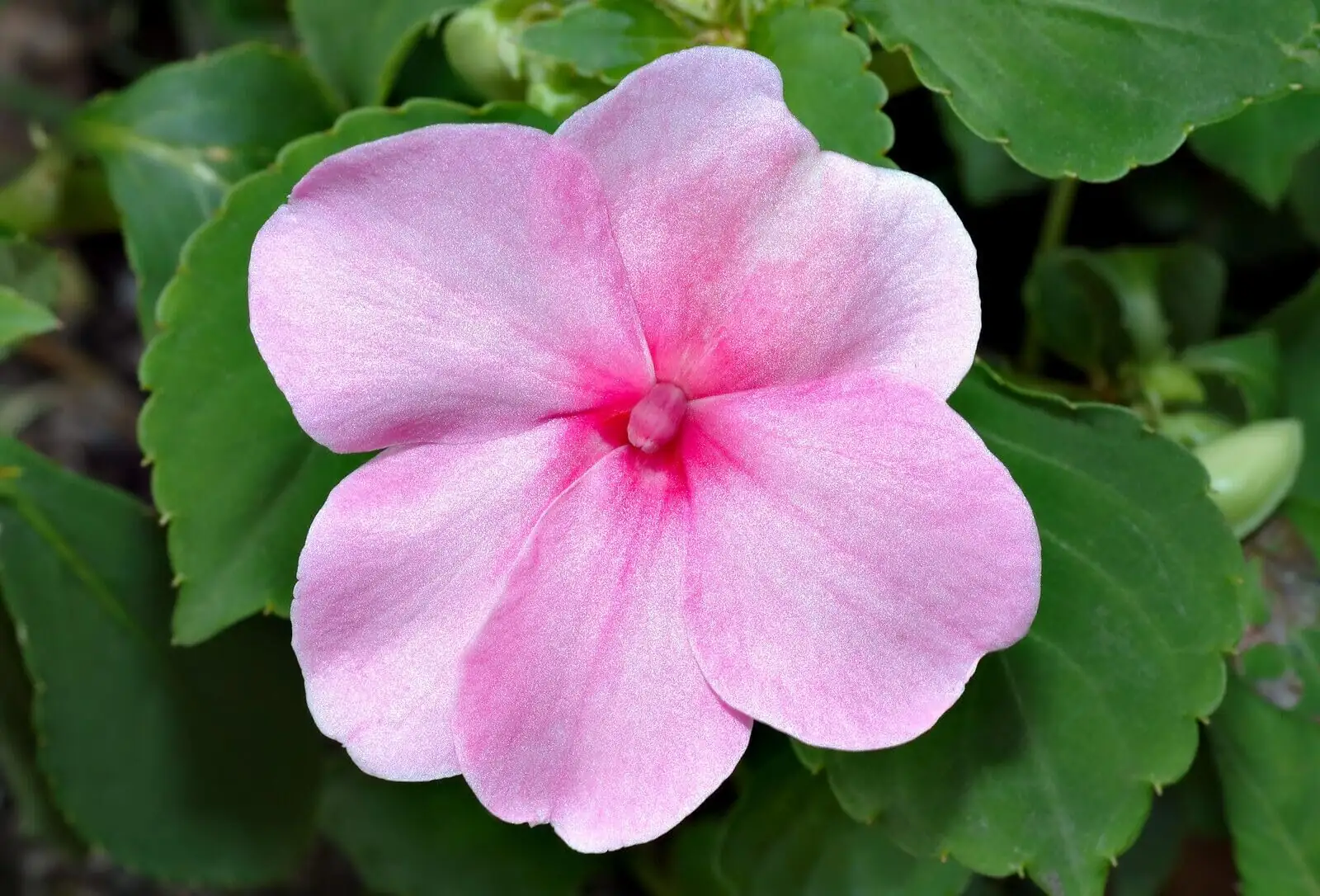
Busy Lizzie (Impatiens walleriana) has a well-earned reputation for summer pizazz, but with a few smart tweaks you can coax this “seasonal” bloomer into a year‑round companion. Think cozy minimum temperatures (10–12°C+), brighter-but-gentle light, humidity with fresh airflow, and the softest winter watering hand. Do that, and those glossy leaves and cheerful flowers can carry you from frosts to fireworks and back again.
Meet your plant
- Origin: Tropical East Africa
- Habit: Compact, mounding to lightly trailing; 20–45 cm tall and wide
- Personality: Fast, full, and eager to bloom in bright filtered light
- Best homes: Window boxes, hanging baskets, sheltered porches, bright indoor windows
The year‑round formula at a glance
- Temperature: Keep above 10°C; 12°C+ is kinder after purchase and through winter. Ideal day-to-day is 17–20°C; above 16°C often keeps flowers coming. Avoid heat spikes above 30°C—buds may drop.
- Light upgrades: Bright filtered light or morning sun; shield from harsh midday/afternoon rays. Indoors in winter, add a grow light to keep blooms rolling.
- Humidity with airflow: Aim for ~50%+ humidity, but never let air go stagnant. Gentle air movement helps prevent leaf spot and gray mold.
- Watering rhythm: Evenly moist in active growth; “gentle” in winter—about weekly, letting the top layer dry. Always water the soil, not the petals.
Light: dial it in for continuous color
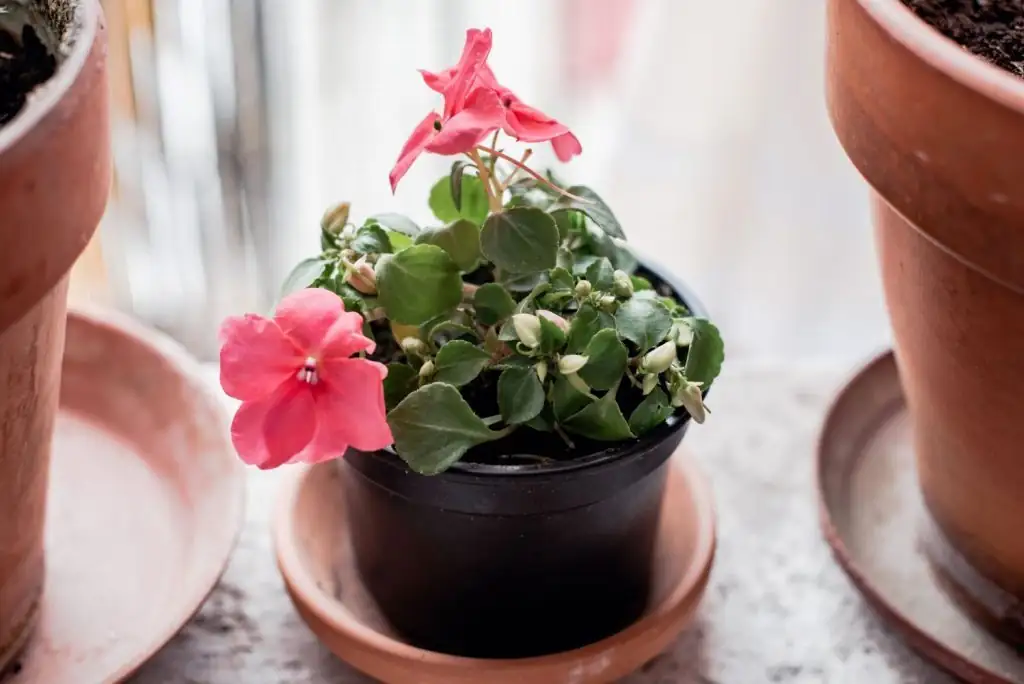
- Outdoors (spring–autumn): Morning sun or bright, dappled light is perfect. In exposed sites, provide roughly 40–50% shade to prevent scorch and flower spotting.
- Indoors (autumn–winter): Park near a bright window (east or a south window with a sheer). Add a small LED grow light 12–14 hours/day, hung 20–30 cm above the plant, to keep growth compact and flowering steady.
- Keep blooms dry: When you water, aim for the soil. Splashed petals spot and age faster.
Temperature: cozy, not hot
- Sweet spot: 17–20°C.
- Minimums that matter: Keep above 10°C (absolute); above 12°C reduces yellowing/drop when plants are settling in or overwintering. If you can hover at 16°C+, expect stronger winter bloom.
- Summer warning: Prolonged heat above 30°C often triggers bud/flower drop—move to brighter shade and keep roots evenly moist.
Humidity and airflow: humid, yet fresh
- Target 50%+ humidity, especially indoors with heating on.
- Best methods: Pebble trays with water (pot on top, not sitting in it), room humidifier, grouping plants.
- Airflow is your ally: A gentle, oscillating fan on low keeps leaves dry and discourages fungal issues. Avoid misting blooms or soaking foliage.
Water and soil: the “wrung‑sponge” rule
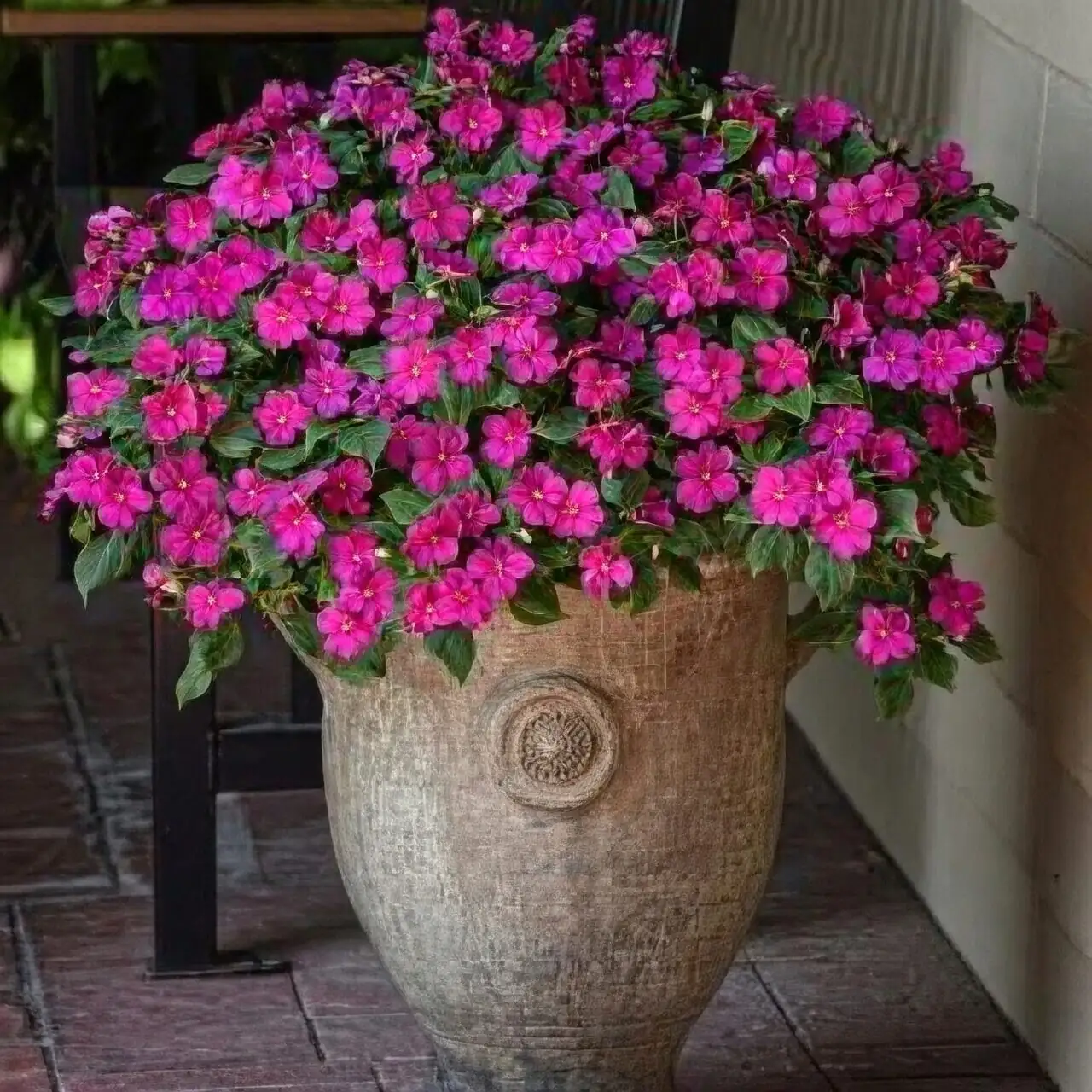
- Soil mix: Rich yet free-draining. Use peat or coco coir or leaf mold + a touch of fertile loam + coarse sand/perlite. Aim for moisture that feels like a wrung-out sponge—never swampy.
- Seasonal watering rhythm:
- Spring: About 2× weekly; adjust to light and pot size.
- Summer: As needed—check often, but don’t let it sit soggy. In extreme heat, water when the top layer dries.
- Autumn: Typically every 2–3 days as temps cool and light shifts.
- Winter: About once per week, sometimes less if growth slows. Let the top 1–2 cm dry between waterings.
- Technique: Water at soil level and drain well. Never leave the pot in a saucer of runoff.
Feeding: plenty during bloom, a pause in winter
- March–October: Feed every 2 weeks with a balanced fertilizer (e.g., 20‑20‑20 at label rate).
- Peak bloom boost: Add 2–3 feeds of a bloom formula a bit higher in phosphorus/potassium.
- Slow down: Reduce feeding during extreme summer heat and stop in winter if growth pauses.
Pruning, shaping, and refresh
- Pinch once at ~10 cm tall to encourage branching and a full, mounded shape.
- Groom often: Remove spent blooms and any soft, damaged, or diseased growth promptly to keep plants fresh and floriferous.
- Quick makeover: If stems stretch in low light, trim lightly and upgrade light—growth rebounds fast.
Propagation for insurance blooms
- Seeds: Start indoors in early spring at 16–18°C; germination in 10–20 days; flowering in roughly 8–10 weeks in warm, bright conditions.
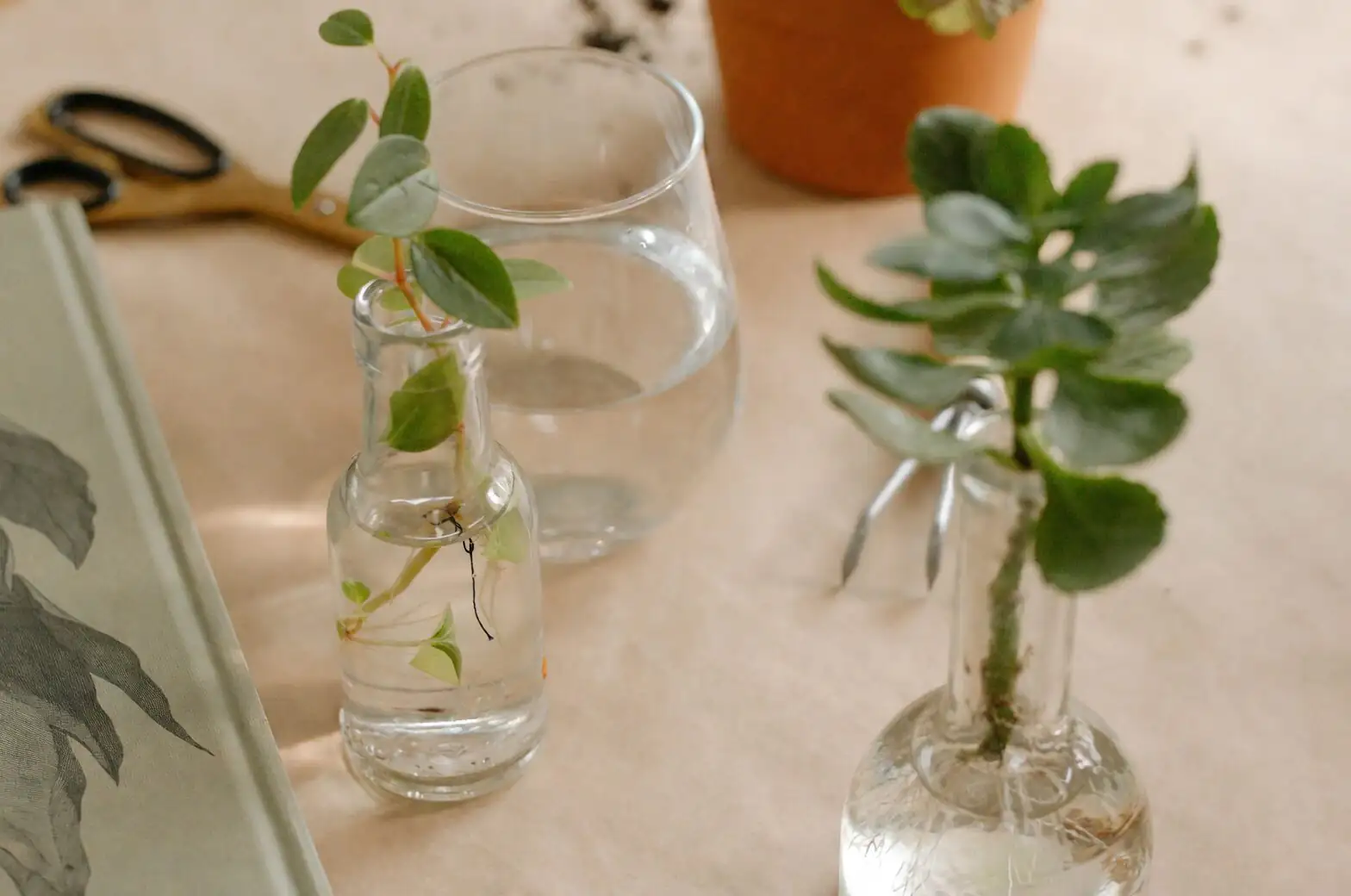
- Cuttings: Take 10–12 cm tip cuttings in spring to early summer; root in a sterile, moist medium at 20–25°C. Roots form in about 20 days; pot up in ~30.
- Display tip: For lush baskets, plant three young plants in a 12–15 cm pot.
Your autumn-to-winter game plan (step-by-step)
1) Move early: Bring containers in before chills arrive—don’t wait for a cold snap. These are frost-tender.
2) Inspect and quarantine: Check undersides of leaves for aphids, mites, and whiteflies. Isolate new arrivals for ~2 weeks.
3) Acclimate gently: Over 5–7 days, increase indoor time so the plant adjusts to new light and humidity.
4) Place for success: Bright filtered light near a window; add a grow light if days are dim. Keep above 12°C, ideally 16–20°C.
5) Ease watering: Shift to “gentle weekly.” Check soil first; water early in the day; keep blooms dry; ensure full drainage.
6) Pause the feast: If growth slows, hold fertilizer until late winter as days lengthen and new growth resumes.
7) Add airflow: Light, continuous air movement keeps foliage dry and disease at bay.
Troubleshooting the “almost there” moments
- Yellowing or leaf drop: Often temperature stress, drought/waterlogging, low light, or pests. Keep above 10–12°C, upgrade light, water evenly, inspect for mites/aphids/whiteflies.
- Bud or flower drop: Heat above 30°C, harsh sun, or water on petals are classic triggers. Provide filtered light, keep evenly moist, and water the soil—not the blooms.
- Leggy growth: Light is too low. Move closer to a bright window or add a grow light; pinch to re-compact.
- Spots and gray mold: Usually wet foliage plus stagnant air. Improve airflow, keep humidity via trays/humidifier rather than misting, and remove affected parts promptly.
Placement ideas that shine
- East-facing kitchen or living room windows for soft morning sun.
- Sheltered balconies and porches with dappled light.
- Window boxes and hanging baskets where trailing stems can spill over the rim.
Repotting and sizing
- Typical containers: Single plant in a 10 cm pot; fuller baskets (12–15 cm) pop when planted with three young plants.
- Repot when roots fill the pot and water runs through too quickly. Refresh with the rich, free-draining mix above.
Pests, diseases, and prevention
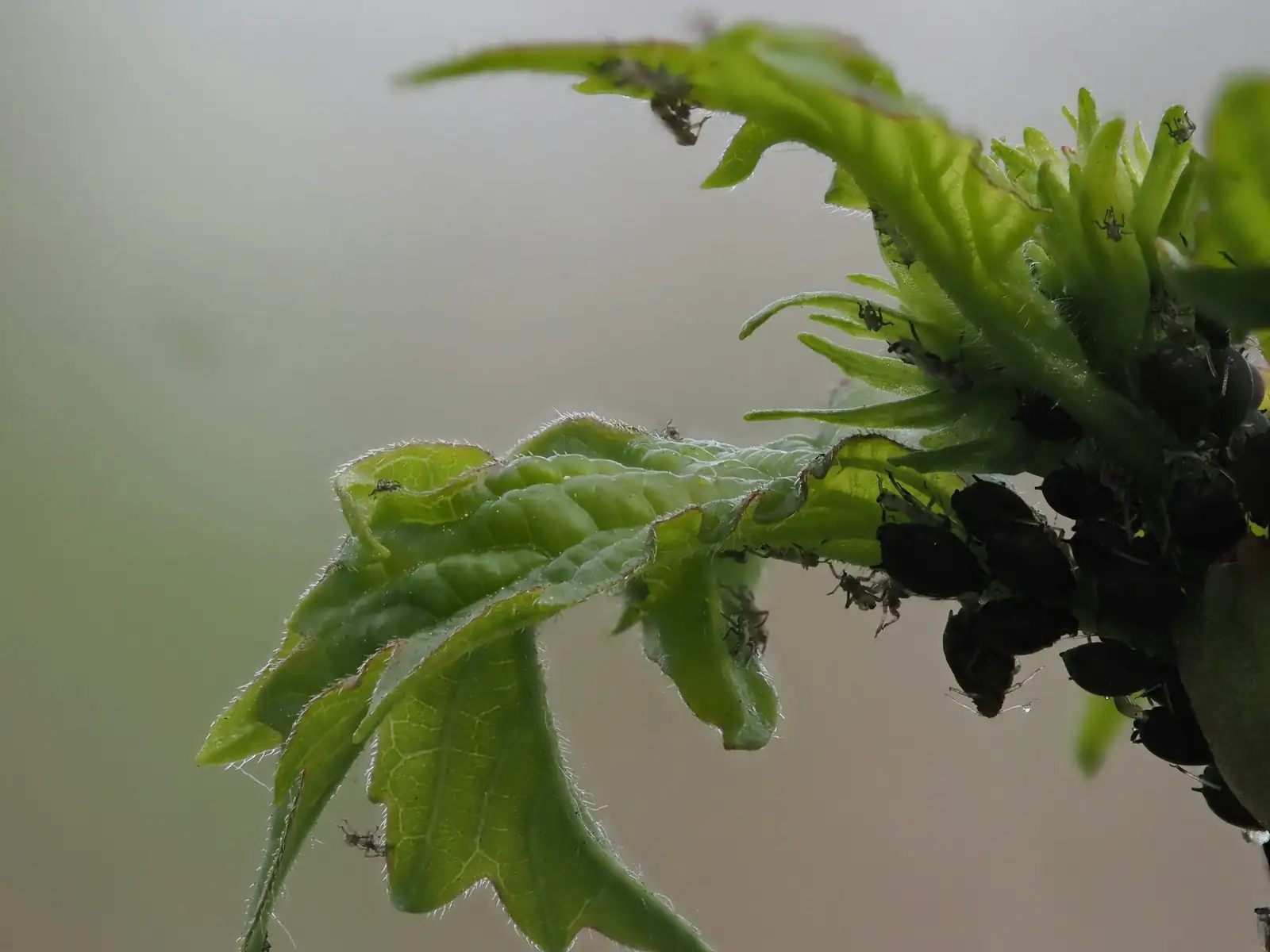
- Common pests: Aphids, spider mites, whiteflies. Treat early with insecticidal soap or horticultural oil; repeat as labeled.
- Diseases: Leaf spot, gray mold (Botrytis), stem/root rot. Prevention is key: bright filtered light, keep petals/foliage dry, and maintain gentle airflow.
Safety and good vibes
- Toxicity: Generally considered non-toxic/low-toxicity for people and pets, though nibbling may upset sensitive stomachs.
- Symbolism: With its “busy” parade of blooms, Busy Lizzie embodies cheerful, bustling energy—like a friendly neighbor who always waves from the window box. It’s a modern cottage‑garden emblem of steady joy: not flashy for a week, but generous for months.
A note on “look‑alikes”
- You’ll often see closely related New Guinea impatiens and modern hybrids sold alongside Busy Lizzie. They share a similar “bloom like crazy” attitude and many care basics. This guide focuses on Impatiens walleriana, your classic, compact window‑box star.
Fast facts to remember
- Light: Bright filtered; protect from harsh midday sun.
- Temperature: Best 17–20°C; never below 10°C; above 12°C+ is kinder in winter.
- Humidity and airflow: 50%+ humidity with gentle air movement.
- Water: Evenly moist in growth; gentle weekly in winter; keep blooms dry.
- Feeding: Every 2 weeks March–October; pause in winter if growth slows.
- Hardiness: Frost tender; generally perennial outdoors only in very warm climates (about USDA Zone 10–11).
Turn the dials—light a bit brighter, air a bit fresher, water a bit gentler in winter—and your Busy Lizzie won’t just survive the off‑season. It will keep you company, quietly busy with color, all year.