

Think of Busy Lizzie (Impatiens walleriana) as a tiny, tireless design team for balconies, window ledges, and petite patios. Glossy leaves, juicy stems, and nonstop color mean you can compose lush, finished looks in minutes—even in shade—then tweak them all season like a stylist in a plant lab. Ready to play with palettes, textures, and small-space tricks that deliver instant fullness? Let’s design.
Why Busy Lizzie is a small-space MVP
- Compact but showy: typically 20–45 cm tall and wide, with mounding, gently trailing stems that spill just enough to soften rims.
- Shade savvy: thrives in bright filtered light, morning sun, or partial shade; protect from harsh midday/afternoon sun.
- Long-blooming: flowers summer through autumn outdoors; in warm, bright rooms it can flower for much of the year.
- Container natural: shines in window boxes, hanging baskets, and porch pots where steady moisture and airflow are easy to manage.
Pro tip: In very bright outdoor spots, a 40–50% shade screen (or dappled canopy) prevents leaf scorch and keeps blooms pristine.
Light, warmth, and comfort settings
- Light: Bright light to partial shade. Morning sun OK; avoid intense midday/afternoon rays on petals.
- Temperature: Sweet spot is 17–20°C (63–68°F). Keep above 10°C (50°F); below 5°C (41°F) risks cold damage. Sustained heat above 30°C (86°F) triggers bud/flower drop—move to shade and keep evenly moist.
- Humidity: Likes ~50%+ with good airflow. Stagnant, damp air plus wet foliage = fungal trouble.
- Hardiness: Frost tender; treat as an annual outside most places (roughly USDA 10–11 for year-round).
The small-space design lab
Palette picks that pop in shade
- Pink-on-pink glow
- Fillers: Impatiens in hot pink + pale blush
- Spillers: Dichondra ‘Silver Falls’ for a cool cascade
- Accent: Variegated ivy or soft torenia in lavender
- Tangerine sorbet
- Fillers: Coral and orange impatiens mixed
- Thriller: A compact chartreuse coleus to spark contrast
- Spillers: Golden creeping Jenny (Lysimachia) at the corners
- Wisteria and silver
- Fillers: Double impatiens in lilac/wisteria tones
- Texture: Heuchera ‘Wildberry’ or another deep-plum foliage
- Spillers: Silver dichondra or variegated vinca to frame the glow
Tip for calm elegance: Monochrome mixes (all pinks or all whites) read larger and more intentional in tight quarters.
Leaf-texture layering (the fast way to “designer”)
- Glossy vs. matte: Busy Lizzie’s shiny leaves play beautifully against velvet coleus, matte heuchera, or fern fronds.
- Fine vs. bold: Pair the plant’s medium-size leaves with finely cut ferns (Athyrium) and big hearts of caladium for three distinct scales.
- Light-benders: Silver or lime foliage (dichondra, chartreuse coleus) bounces light around shaded spaces, making containers look airier and bigger.
Spillers, thrillers, and fillers for tiny pots
- Fillers (color engine): Impatiens walleriana in your chosen hues
- Spillers (soften the edges): Dichondra ‘Silver Falls’, variegated ivy, trailing torenia, or bacopa
- Thrillers (upright focal point): Compact coleus, a small fern, or a tidy caladium for shaded sites
Keep thrillers scaled to the pot—too tall, and they’ll flop or crowd your blooms.
Spacing tricks for instant fullness
- Three-per-pot magic: In small containers (12–15 cm / 4.7–5.9 in), tuck three young impatiens per pot for a ready-made “bouquet” effect.
- Pinch once for plushness: When plants reach about 10 cm (4 in), pinch the tips to encourage branching and a bushier crown.
- Window box math
- 60 cm (24 in) box: 5–6 impatiens as fillers, 2 spillers at front corners, 1 compact thriller in back center
- 90 cm (36 in) box: 7–9 impatiens, 3–4 spillers spaced across the front, 1–3 small thrillers to create rhythm
- Hanging baskets: A 12–15 cm (4.7–5.9 in) basket planted with 3 starts gives a rounded, cascading look fast.
Planting mix and pot prep
- Mix: Rich but free-draining—peat or coco coir plus leaf mold/loam, with coarse sand or perlite for air pockets. Aim for “moist like a wrung sponge,” never swampy.
- Drainage and airflow:
- Ensure holes are open and pots sit on feet or risers.
- For window boxes, leave a small gap behind the box so water and air can pass; this also helps keep siding dry.
Watering and feeding that keep the show going
- Watering rhythm (adjust for your conditions)
- Spring: about twice weekly; don’t let the root zone swing from parched to soggy.
- Summer: water as the top layer dries; in extreme heat, check daily but avoid keeping soil saturated.
- Autumn: often every 2–3 days.
- Winter indoors: roughly weekly if growth slows.
- Always water at soil level to keep petals dry—splashed blooms spot easily and invite gray mold.
- Feeding: March–October, fertilize about every 2 weeks with a balanced formula (e.g., 20-20-20 at label rate). During heavy bloom, add 2–3 rounds of a bloom booster higher in P/K. Ease off during heat waves; pause in winter if growth rests.
Three ready-to-plant mini “recipes”
- The Balcony Blush (part shade)
- 60 cm box: 5 pink impatiens (mix hot + pale), 2 Dichondra ‘Silver Falls’, 1 compact green coleus
- Shade Jewel (dappled shade)
- 60 cm box: 6 lavender/lilac double impatiens, 2 trailing torenia in violet, 1 heuchera ‘Wildberry’
- Coral Cascade (bright filtered light)
- 12–15 cm basket: 3 coral impatiens, 1 small strand of variegated ivy snuck near the rim to trail
Quick-care calendar
- Spring: Start seed indoors at 16–18°C (61–64°F). Pinch young plants at ~10 cm. Keep evenly moist.
- Summer: Shield from harsh sun; above 30°C (86°F), expect bud drop—move to cooler shade, water evenly, reduce feeding.
- Autumn: Maintain moisture; tidy spent blooms to keep plants fresh.
- Winter: Keep above 10°C (50°F)—ideally 12°C (54°F)+—near a bright window; water sparingly.
Buying and settling in
- Choose plants that are full, symmetrical, and deep green with plenty of buds (and a few open blooms).
- After purchase, keep warm (above 12°C / 54°F), give bright filtered light, and water when the top layer just begins to dry.
Troubleshooting, fast
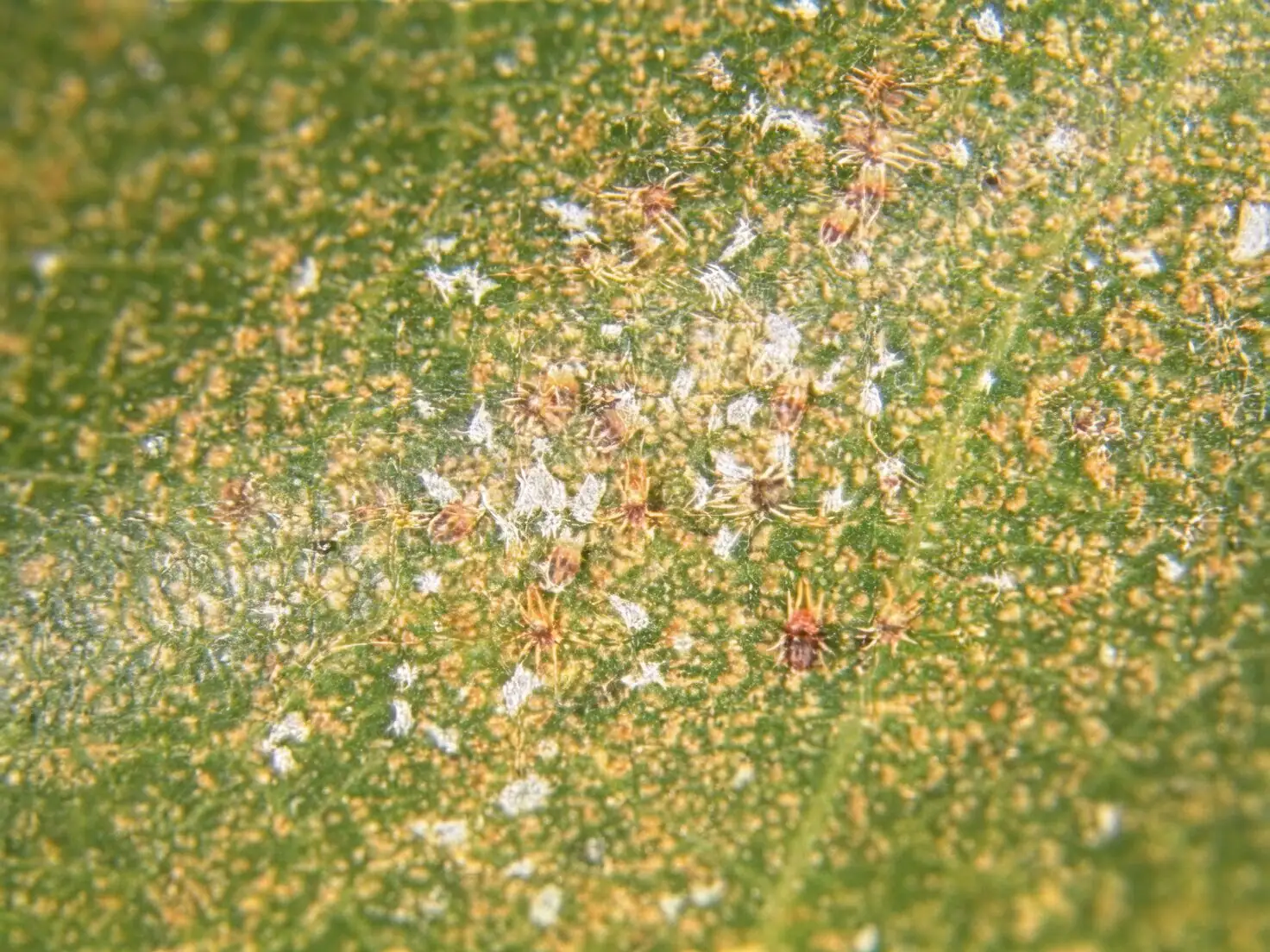
- Yellowing leaves or drop? Check for temperature stress (too cold or hot), uneven watering, low light, nutrient gaps, or pests (spider mites love undersides of leaves).
- Dropping buds/flowers? Often heat-related above 30°C (86°F), or sun scorch. Move to bright filtered light and keep petals dry.
- Pests and diseases: Watch for aphids, spider mites, whiteflies; treat early with insecticidal soap or horticultural oil. Prevent leaf spot, Botrytis, and root rot by improving airflow and avoiding overhead watering.
Safety note
Generally considered low-toxicity for people and pets when used ornamentally. Still, discourage chewing—some individuals may get mild stomach upset.
Symbolism (flower language) with a wink
Busy Lizzie’s constant bloom has tied it to cheerfulness and bustling home energy in modern floriography. Victorian-era “flower language” loved assigning virtues to prolific bloomers, and impatiens—ever eager to perform—fit the script. While meanings aren’t universal, gifting a pot of these steady bloomers still reads as a wish for lively, daily joy.
A word on cousins and lookalikes
You’ll often see New Guinea impatiens and modern hybrids sold alongside classic Busy Lizzie—they share the same “bloom like crazy” personality and pair well in mixed designs. Just match each plant’s light comfort level, and keep petals dry for the crispest color.
Design lab takeaway: layer textures, stick to a confident palette, and use the three-per-pot trick for immediate volume. With bright filtered light, steady moisture, and a touch of pinching, Impatiens walleriana turns even the slimmest sill into a season-long color study.