

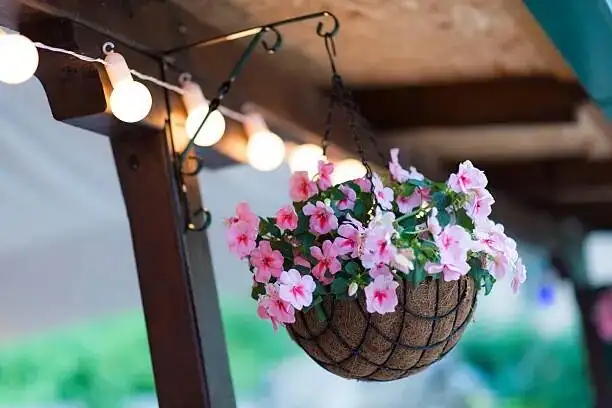
Meet Busy Lizzie (Impatiens walleriana), the cheerful East African native that packs baskets and window boxes with nonstop color. If you’ve ever wished your impatiens would root faster, flower sooner, and finish more uniformly, this is your playbook. We’ll keep it pro-level but simple: precise sowing temperatures, the right light, and a tip-cutting routine that delivers rooted liners in about 20 days—ready to knit into lush, even mounds.
Why this species is a finisher’s dream
- Mounding to gently trailing habit ideal for 12–15 cm baskets and window boxes
- Dense, glossy foliage on juicy stems, bursting with blooms in pinks, reds, whites, oranges, purples, and bicolors
- Loves bright, filtered light and even moisture—rewarding you with months of color
Origin: Tropical East Africa (especially Tanzania and Mozambique). In shops you’ll see close cousins like New Guinea impatiens and modern hybrids sold alongside; they look and behave similarly for baskets, but this guide spotlights Impatiens walleriana.
Propagation at a glance
- From seed:
- Sow at 16–18°C
- Germination: typically 10–20 days
- First flowers: about 8–10 weeks from sowing in warm, bright conditions
- From tip cuttings:
- Take 10–12 cm tips in spring to early summer
- Root at 20–25°C
- Rooting: ~20 days; pot up around day 30
- Basket recipe: 3 plants per 12–15 cm basket for quick, uniform coverage
Seed propagation: cool, steady, and bright
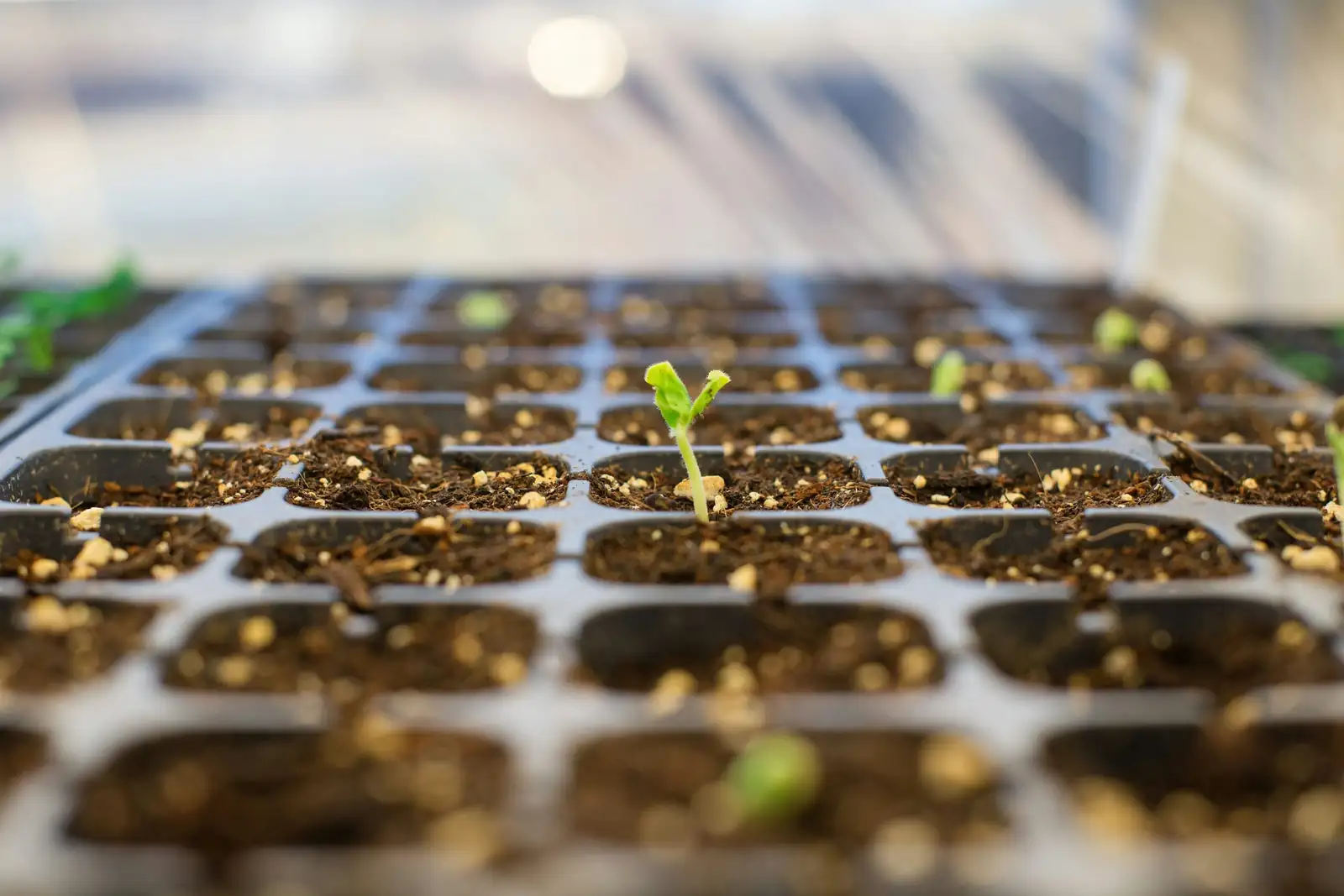
Set the stage
- Containers and medium
- Use clean cell packs or trays with drainage. Disinfect previously used containers (1 part chlorine bleach to 9 parts water), then rinse and dry.
- Medium: a fine, sterile, moisture-retentive seed-start mix; aim for “wrung-sponge” moisture—never soggy.
- Sowing temperature
- Keep the medium at 16–18°C for best germination consistency.
- Light and coverage
- Provide bright, indirect light; avoid harsh midday sun.
- Surface-sow or barely cover with a whisper-thin layer of vermiculite or mix—do not bury deeply.
Sowing and germination
- Bottom-water to pre-moisten the mix, then sow. A moistened toothpick makes single-seed placement easy.
- Cover flats with a clear humidity dome to keep moisture stable, but keep them out of direct sun.
- Expect emergence in 10–20 days. As soon as you see green, remove the cover to boost airflow and reduce damping-off.
Seedling care and potting on
- Light: bright, filtered light to prevent stretch; maintain gentle air movement.
- Water: keep evenly moist from the soil level—avoid splashing tender foliage.
- Feeding: once seedlings are growing steadily, begin light, balanced feeding at label rates.
- Transplant timing: move to cell packs or small pots within about a week of germination when roots anchor well.
- Pinch once at ~10 cm tall to encourage branching and a fuller canopy.
From plug to basket
- Pot singles into 10 cm pots, or for a fast, full basket, plant 3 sturdy young plants per 12–15 cm pot.
- Maintain 17–20°C for compact growth and steady bud set.
- Provide bright, filtered light; outdoors, about 40–50% shade prevents scorch.
- Expect your first wave of flowers roughly 8–10 weeks after sowing.
Common seed-stage hiccups (and fixes)
- Damping-off: prioritize sterile tools/media, bright but gentle light, and quick removal of humidity domes at emergence; water from below.
- Stretch: increase light intensity (indirect), improve airflow, and avoid over-warm conditions.
- Bud drop later on: sustained heat above 30°C often triggers it—move to cooler, shaded conditions and maintain even moisture.
Tip cuttings: your fast track to uniform baskets
Clones ensure matching vigor and habit—a major win for symmetrical displays.
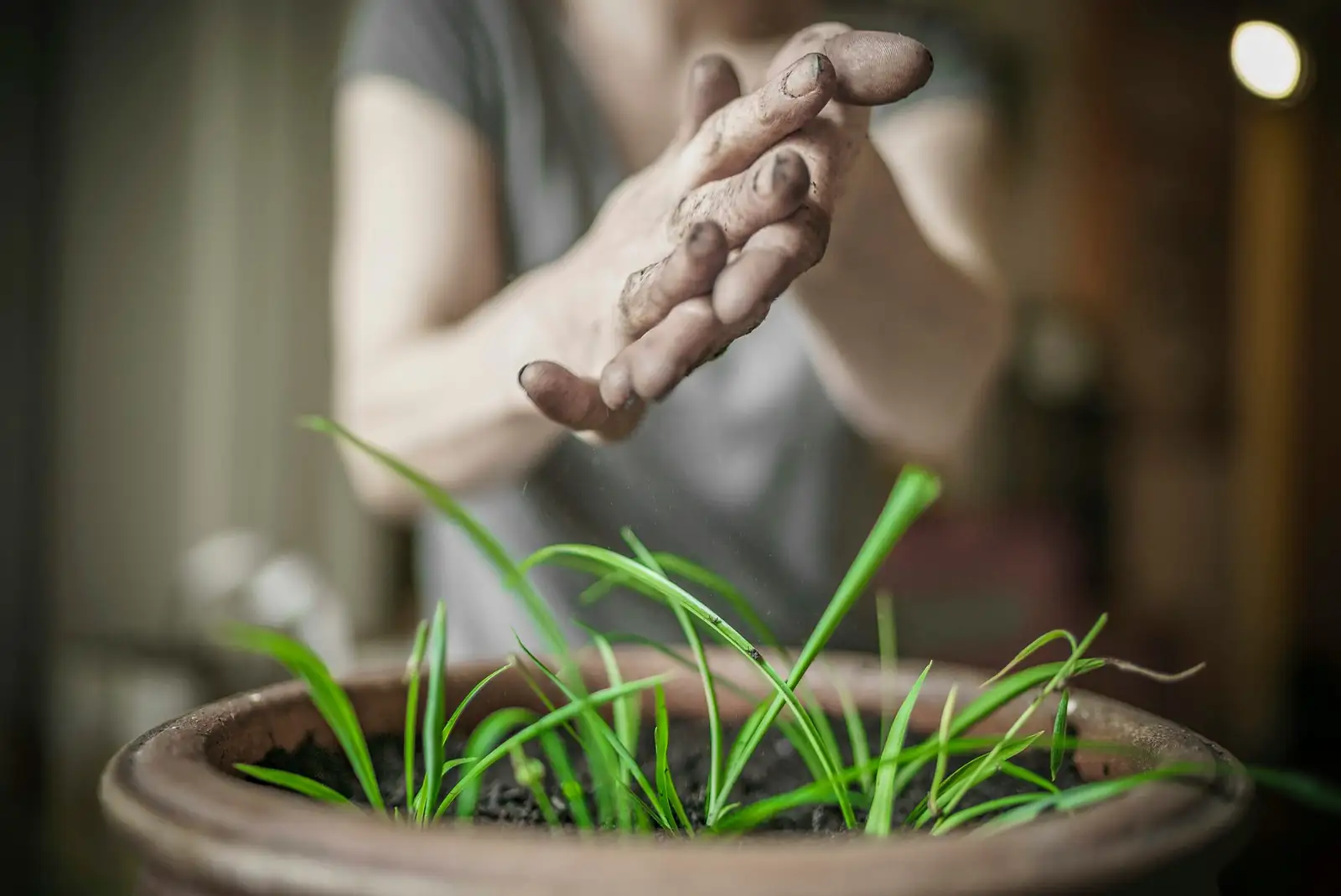
The numbers that matter
- Cutting length: 10–12 cm
- Medium: sterile sand or a propagation mix with excellent drainage
- Rooting temperature: 20–25°C
- Rooting time: ~20 days
- Pot-up timing: ~30 days
Step-by-step
- Select non-flowering shoot tips with firm, green stems. Cut just below a node.
- Strip lower leaves; keep 2–3 nodes above the medium. Optional: a quick dip in rooting hormone.
- Stick into pre-moistened, sterile medium. Space generously for airflow.
- Environment:
- Light: bright, filtered light—no direct midday sun.
- Humidity: moderately humid, but avoid stagnant air; light mist is fine, not dripping foliage.
- Heat: maintain 20–25°C at the root zone.
- Watering: keep evenly moist, never waterlogged; bottom heat plus bottom-watering works well.
- Root check at ~3 weeks: a gentle tug should meet resistance. Pot up at ~4 weeks.
Finishing from cuttings
- Transplant into 10 cm pots, or 3 liners per 12–15 cm basket for fast canopy closure.
- Pinch once after establishment if needed; many selections branch readily.
- Feed with a balanced fertilizer at label rate; reduce in extreme heat.
Light, temperature, water: dial in the finish
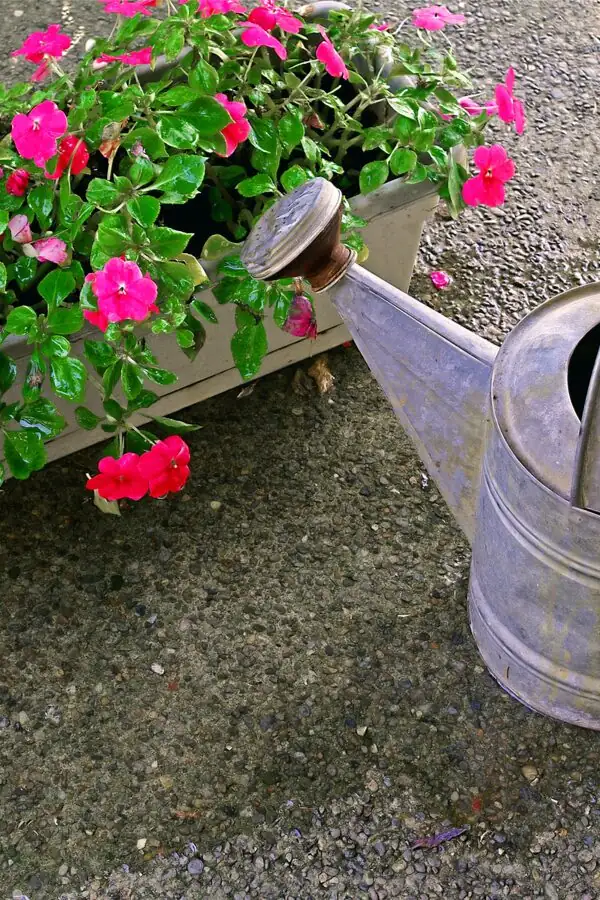
- Light: bright light to partial shade. Morning sun is fine; shield from harsh midday/afternoon sun. Outdoors, ~40–50% shade is ideal.
- Temperature: happiest at 17–20°C. Keep above 10°C in winter; cold damage likely below 5°C. Above 16°C, flowering often stays strong; sustained heat above 30°C can drop buds/flowers.
- Humidity and airflow: enjoys 50%+ humidity with good ventilation. Stagnant, damp air plus wet foliage invites fungal issues.
- Watering: even moisture only—“wrung-sponge” feel. Water at soil level; keep blooms dry to minimize spotting and gray mold.
Care that keeps the color coming
- Feeding: March–October, feed about every 2 weeks with a balanced fertilizer (e.g., 20-20-20 at label rate). During heavy bloom, add 2–3 applications of a bloom-boosting formula higher in P/K. Reduce feeding during extreme heat; pause in winter if growth slows.
- Grooming: remove spent blooms; promptly cut out soft, damaged, or diseased growth.
- Water cadence (guideline; adjust to conditions):
- Spring: ~2× weekly
- Summer: as needed; avoid constant saturation
- Autumn: every 2–3 days
- Winter: ~weekly
- Seedlings: never allow to dry out
Pests, diseases, and prevention
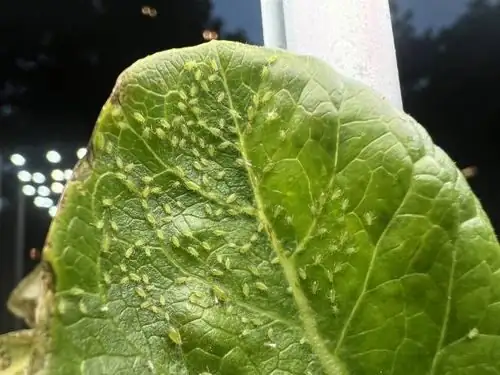
- Common issues: leaf spot, gray mold (Botrytis), stem/root rot; aphids, spider mites, whiteflies.
- Prevention: avoid overhead watering, keep petals and foliage dry, ventilate well, and space plants.
- Treatments: insecticidal soap or horticultural oil for pests; remove affected parts early; use labeled controls if infestations escalate.
Baskets and displays: the pro’s recipe
- Habit: compact, mounding, and slightly trailing—perfect for a soft spill over the rim.
- Pot sizes: 10 cm for singles; 12–15 cm baskets/pots commonly planted with 3 young plants for a full, cascading look.
- Placement: bright porches, sheltered balconies, window boxes, and bright indoor windows—avoid deep, dim corners.
Quick calendar
- Spring
- Sow seeds indoors at 16–18°C; transplant as soon as seedlings handle.
- Take 10–12 cm tip cuttings spring through early summer; root at 20–25°C.
- Pinch at ~10 cm to encourage branching.
- Summer
- Provide shade from harsh sun; keep evenly moist.
- Expect bud/flower drop if temps stay above 30°C—cool and shade promptly.
- Autumn
- Continue even moisture; often every 2–3 days depending on weather.
- Winter
- Keep above 10°C (ideally 12°C+); water about weekly; stop feeding if growth slows.
Flower language: the bustle behind “Busy Lizzie”
In the 19th–20th century “language of flowers,” impatiens gathered a reputation for cheerful, lively energy—the plant always looks busy with blooms. It’s not an ancient, fixed meaning so much as a modern nod to performance: a bright, persistent spirit that lights up everyday spaces. Planting a basket of Busy Lizzies is like switching on a steady glow.
Safety note
Generally considered non-toxic/low-toxicity to people and pets, though nibbling may cause mild stomach upset in sensitive individuals.
Bring it all together: sow cool at 16–18°C with bright, gentle light for seedlings that flower in 8–10 weeks, or leap ahead with 10–12 cm tip cuttings that root in about 20 days at 20–25°C. Group three plants per 12–15 cm basket, keep moisture even and blooms dry, and watch your displays turn uniform, fast, and brilliantly full.