

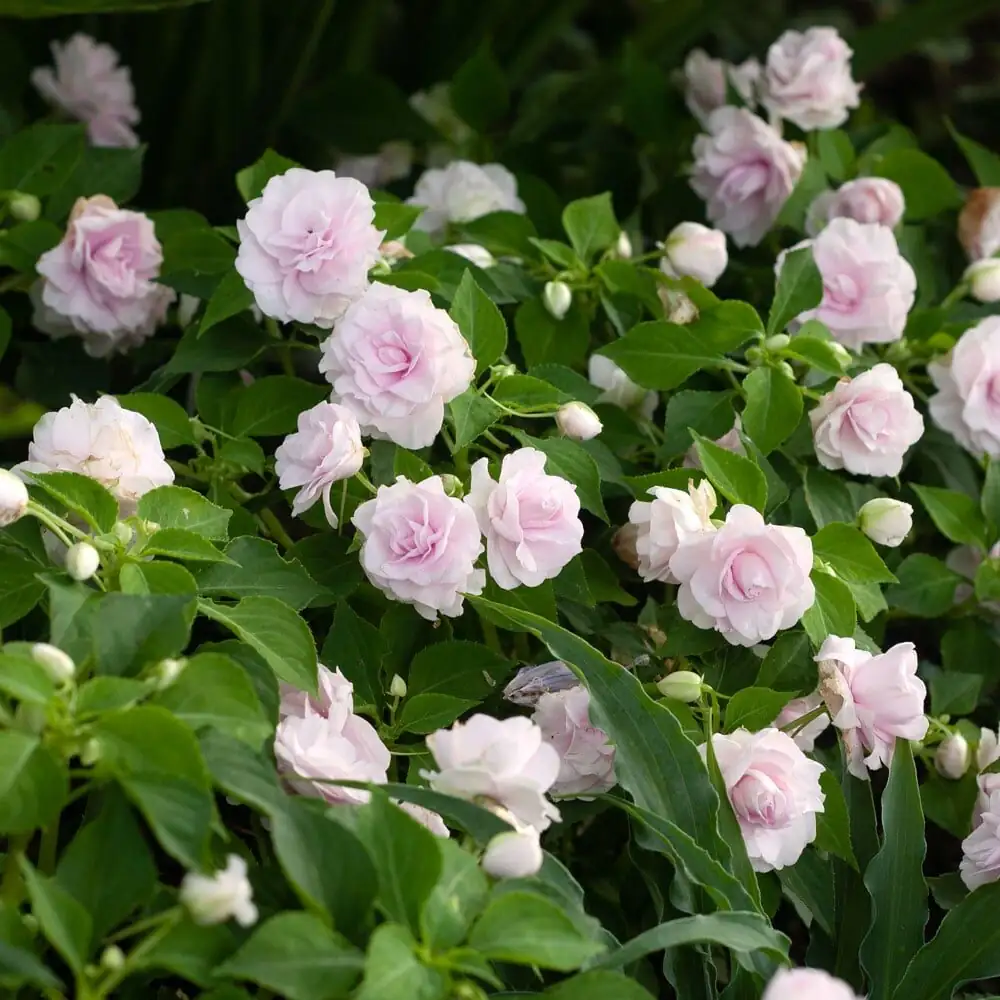
Imagine a plant that seems to giggle when you touch it—then suddenly flings its seeds with a tiny pop. That same plant sprints from seed to flower in just a couple of months, yet wears delicate petals that bruise if you splash them. Meet Busy Lizzie, where fun science meets fabulously easy color.
Meet Busy Lizzie (Impatiens walleriana)
- Origin and family: Tropical East Africa (especially Tanzania and Mozambique); Balsaminaceae family; genus Impatiens.
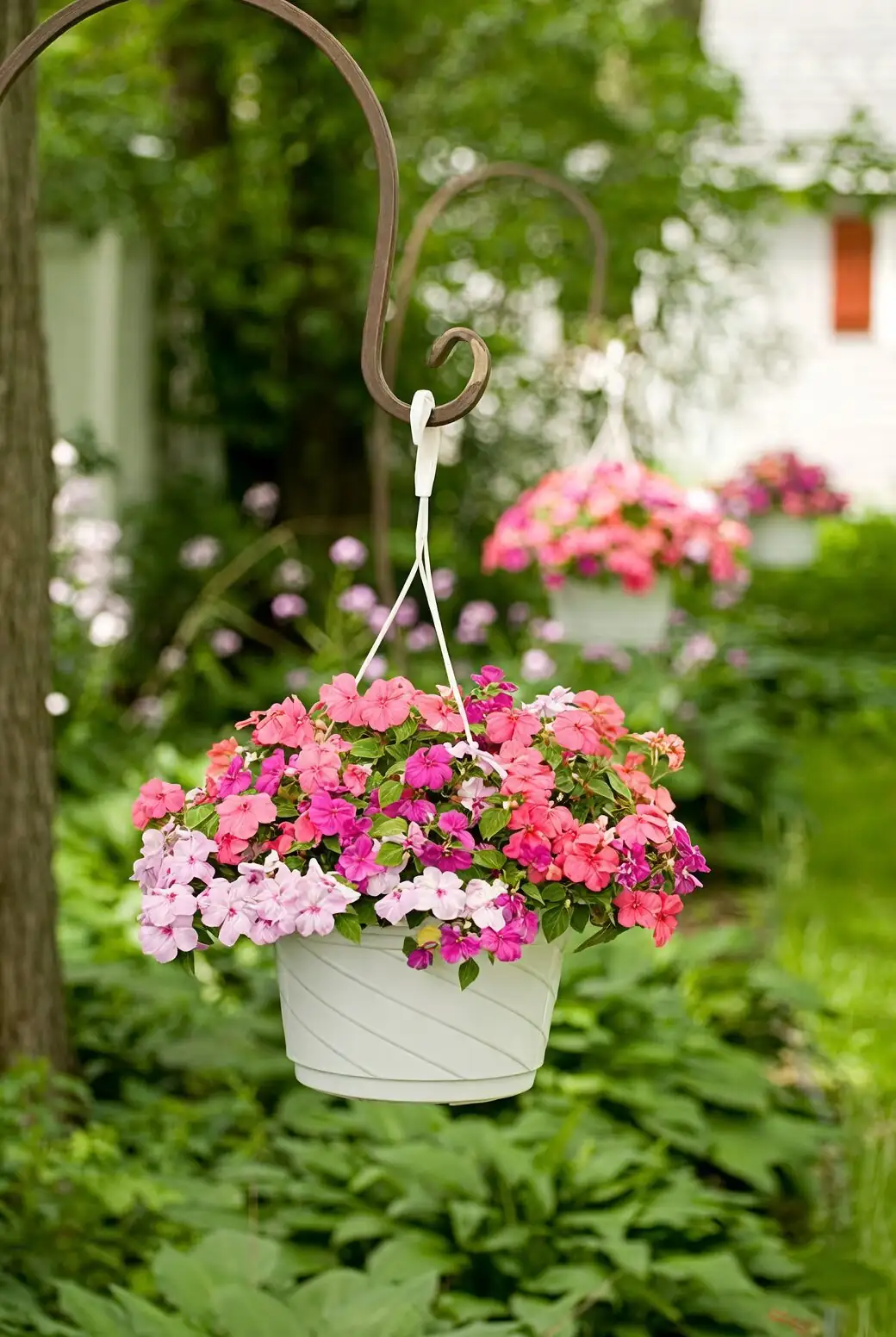
- Look and habit: A compact, mounding to gently trailing plant with glossy, bright-green leaves on juicy, semi-translucent stems. Perfect for baskets, window boxes, and porch pots.
- Size: Commonly 20–45 cm (8–18 in) tall and wide, depending on cultivar and conditions.
- Flowers: Flat, cheerful blooms in pink, red, white, orange, purple, and bicolors. Outdoors it flowers from summer into autumn; indoors in warm, bright conditions it can flower for most of the year.
You’ll often see close cousins—like New Guinea impatiens and modern hybrids—sold right beside it, all sharing that “bloom like crazy” personality and broadly similar care.
The impatient plant: why the seed pods spring open
The genus name Impatiens means “impatient”—and it’s not about temperament, it’s biomechanics. When the slender seed pods ripen, their walls are under tension. A slight touch (or natural aging) releases that tension, and the pod’s outer valves coil inward in a blink, catapulting the seeds away from the parent plant.
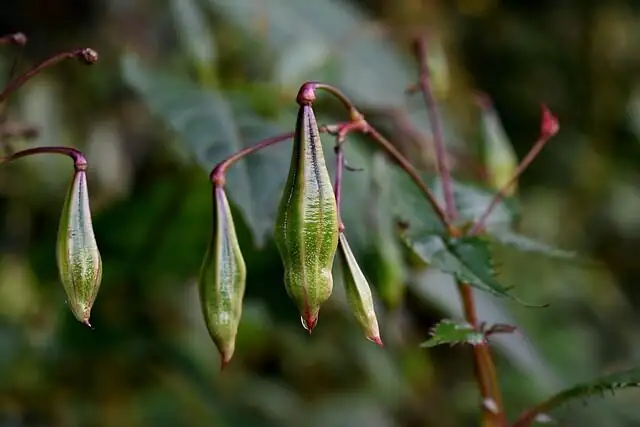
- How it works: The pod tissues store elastic energy while hydrated. When the pod dehisces (opens), that energy is rapidly released as the valves curl—think party popper, but plant-powered.
- Lightning-fast: In a close relative, orange jewelweed (Impatiens capensis), high-speed measurements show dehiscence happens in just a few milliseconds, with the pod walls acting like tiny springs. It’s a classic example of ballistic seed dispersal that helps scatter offspring to new real estate.
This spring-loaded trait charmed early botanists and inspired the genus name: touch a ripe pod, and it just can’t wait to go “pop.”
Speed gardening: seed to bloom in 8–10 weeks
One reason Busy Lizzie owns window boxes worldwide? It goes from seed to flowers astonishingly fast.
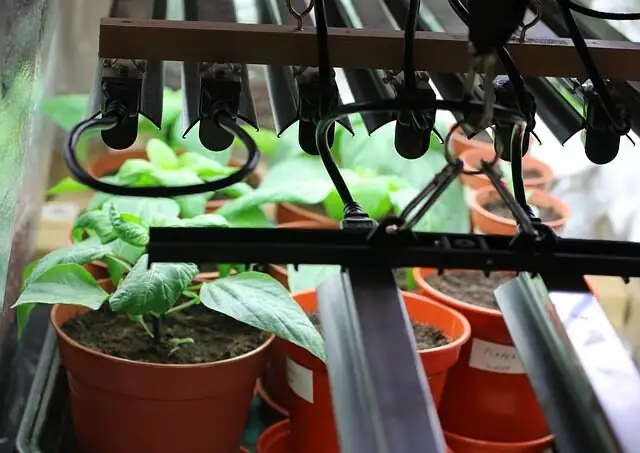
- Start indoors in early spring at 16–18°C (61–64°F).
- Seedlings usually emerge in 10–20 days.
- With warmth, bright filtered light, and steady moisture, flowering often begins just 8–10 weeks after sowing.
- Pinch once at about 10 cm (4 in) tall to encourage branching and a bushier shape.
For a full, cascading look, plant three young starters together in a 12–15 cm (4.7–5.9 in) basket or pot.
Why wet petals bruise (and how to keep them pristine)
Busy Lizzie’s petals are thin and velvety, built more for show than rough-and-tumble weather. Water droplets can:
- Collapse delicate epidermal cells, leaving translucent “water spots.”
- Concentrate sunlight on pigmented tissue, stressing color cells.
- Prolong surface wetness, inviting gray mold (Botrytis) that blemishes or blights petals.
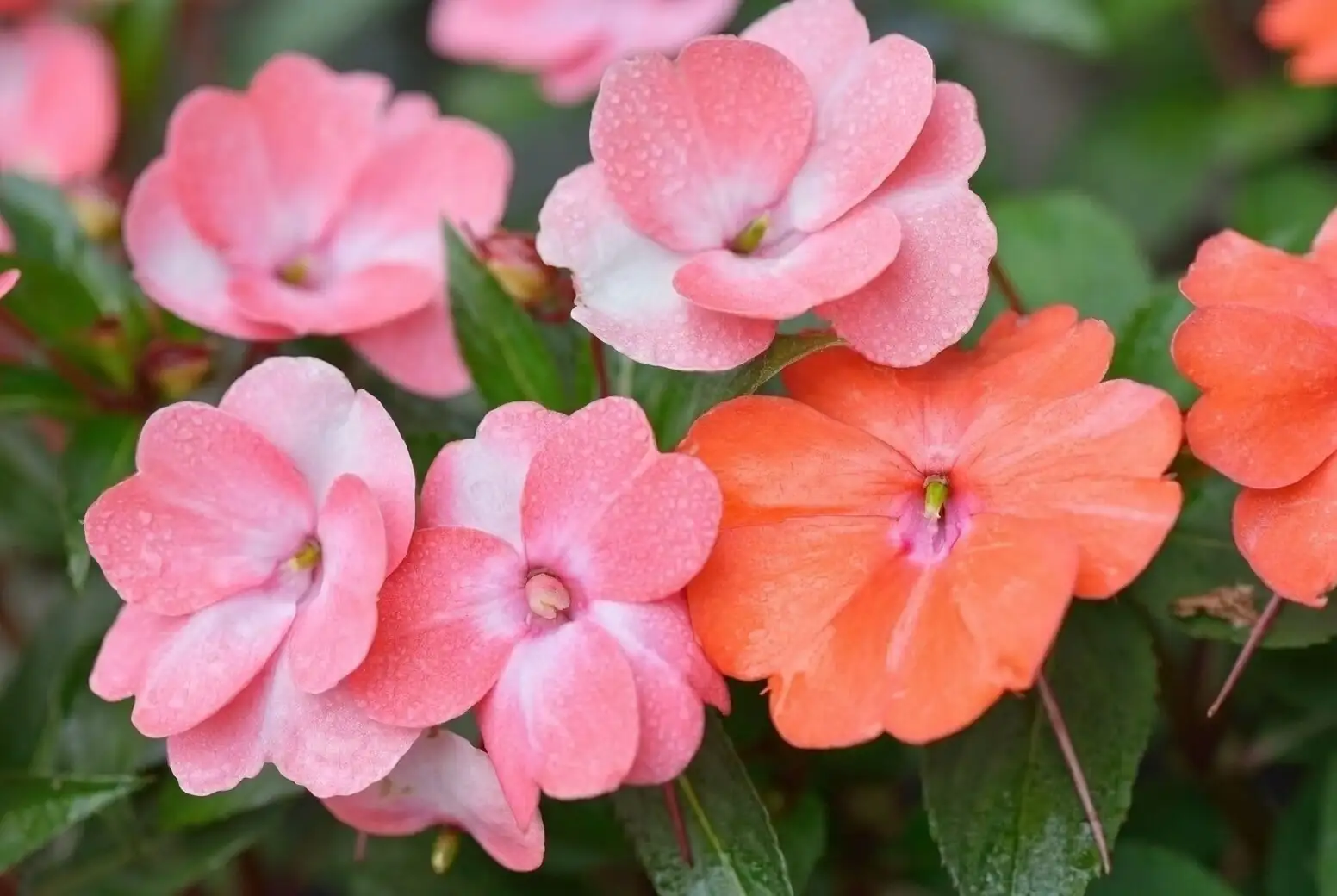
Practical fixes:
- Water at soil level, not over the top.
- Aim for morning watering so stray splashes dry quickly.
- Provide bright, filtered light and a little airflow—stagnant, damp air worsens spotting.
- Shelter baskets and window boxes from harsh midday sun and pounding rain.
Care recipe: bright, gentle light and steady moisture
Light
- Bright light to partial shade; morning sun or bright filtered light is ideal.
- In very bright spots, about 40–50% shade prevents scorch.
Temperature
- Sweet spot: 17–20°C (63–68°F).
- Keep above 10°C (50°F); below 5°C (41°F) risks cold damage.
- Heat alert: prolonged 30°C+ (86°F+) often triggers bud/flower drop.
Water
- Keep soil evenly moist—“wrung-sponge” damp, never swampy.
- Seasonal rhythm:
- Spring: about 2× weekly.
- Summer: as needed; in extreme heat, water based on the top layer drying.
- Autumn: typically every 2–3 days.
- Winter: around weekly (less if growth slows).
- Don’t let seedlings dry out. Always water the soil, not the petals.
Humidity and airflow
- Enjoys moderate to high humidity (around 50%+), but pair it with gentle airflow to deter fungal issues.
Soil and potting
- Rich, well-drained mix that holds moisture: peat/coco coir or leaf-mold base + a bit of fertile loam + coarse sand/perlite.
- Repot when roots fill the pot and water runs through too quickly.
Feeding
- March–October: feed every ~2 weeks with a balanced fertilizer (e.g., 20-20-20 at label rate).
- During heavy bloom, work in 2–3 bloom-boosting feeds higher in P and K.
- Reduce feeding in extreme summer heat; pause in winter if growth rests.
Grooming
- Pinch once at 10 cm for branching.
- Remove spent or soggy blooms and any soft, damaged stems promptly.
Hardiness and placement
- Frost tender (roughly USDA Zone 10–11 for year-round outdoors).
- In cooler regions, grow as an annual or overwinter indoors in bright light away from drafts.
- Perfect for sheltered balconies, bright porches, window boxes, and hanging baskets near a bright window.
Pests, diseases, and quick fixes
- Leaf spot, gray mold (Botrytis), stem/root rot: usually linked to wet foliage and stagnant air. Improve airflow, water at soil level, and remove affected parts early.
- Aphids, spider mites, whiteflies: check leaf undersides. Treat with insecticidal soap or horticultural oil; repeat as needed.
- Yellowing and leaf drop: often temperature stress, drought/waterlogging, low light, nutrient imbalances, or mites. Keep it warm (above 12°C/54°F helps), bright, and evenly moist; inspect regularly.
Good news: Busy Lizzie is generally considered non-toxic/low-toxicity for people and pets, though nibbling can upset sensitive tummies.
New Guinea cousins and modern hybrids
Nurseries often display New Guinea impatiens (Impatiens hawkeri) and SunPatiens hybrids alongside Busy Lizzie. They’re close relatives with a similar look and broadly similar care. Just remember: Impatiens walleriana is the classic “Busy Lizzie” from East Africa and excels in bright filtered light and warm, even moisture.
A dash of symbolism
Flower “language” for impatiens leans modern rather than mythic: with its nonstop bloom show, Busy Lizzie symbolizes cheerful, lively energy—a plant that keeps a home feeling welcoming and busy with color. It’s less about ancient legend and more about the constant, joyful performance on your windowsill.
Quick-start checklist
- Light: Bright filtered or morning sun; protect from harsh midday rays.
- Water: Evenly moist, never waterlogged; keep petals dry.
- Temperature: 17–20°C ideal; avoid cold snaps and heat spikes.
- Humidity: 50%+ with airflow; no misting on blooms.
- Feeding: Every 2 weeks spring–fall; a few bloom-boosters during peak flower.
- Pinch once at 10 cm; deadhead gently.
- Seeds: Start at 16–18°C; germinate in 10–20 days; blooms in 8–10 weeks.
- Display: 3 plants in a 12–15 cm basket for a full, cascading look.
Science, speed, and show—Impatiens walleriana is the friendly overachiever of the window box world. Keep its blooms dry, its soil evenly moist, and its light bright-but-soft, and it will return the favor with a long, happy parade of color.