

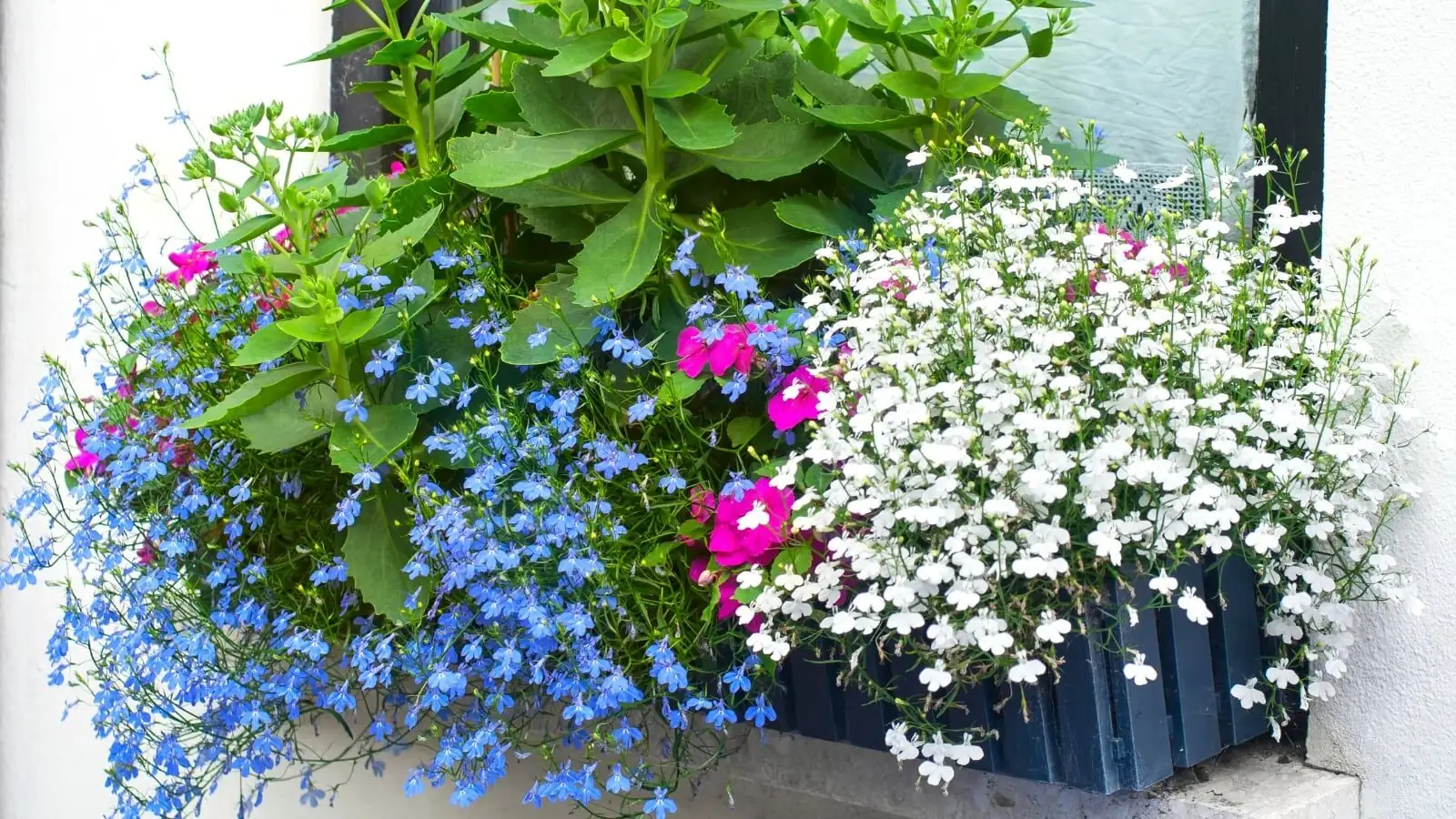
Imagine a plant that traded the dappled shade of East African riverbanks for the glow of your porch, carrying centuries of stories in its juicy stems and nonstop blooms. That’s Impatiens walleriana—better known as Busy Lizzie—an irrepressible color machine that went from Tanzania and Mozambique to window boxes around the world, guided by explorers, missionaries, and modern breeders determined to make a good thing even better.
What’s in a name? From Horace Waller to “Busy Lizzie”
- The scientific name honors Horace Waller (1833–1896), a British missionary and abolitionist who worked in East Africa. His name lives on in a plant that rarely stops flowering—fitting for a life spent in tireless service.
- The genus name, Impatiens, nods to the “impatient” seed pods that pop with the lightest touch, flinging seeds like tiny catapults.
- “Busy Lizzie” is a wink at its personality: always busy making blooms. You’ll also meet it as Garden Impatiens, Sultan’s Balsam, or simply Impatiens in shops.
Habitat to home: East African clues for perfect porch care
Where it’s from—coastal forests and streamside thickets in warm, humid East Africa—explains exactly how to grow it now.
Light: Bright but gentle
- Thrive zone: bright light to partial shade, especially morning sun or bright filtered light.
- Avoid: harsh midday/afternoon sun. Outdoors, aim for roughly 40–50% shade in very bright spots to prevent leaf scorch and flower fade.
- Indoors: place near a bright window; skip deep, dim corners where stems stretch and plants lose their tidy mounding shape.
Temperature and humidity: Warm, even, comfortable
- Sweet spot: 17–20°C (63–68°F).
- Keep above 10°C (50°F); below 5°C (41°F) risks cold damage. Right after purchase, staying above 12°C (54°F) helps prevent yellowing and leaf drop.
- Flowers sulk in extreme heat: sustained 30°C+ (86°F) often causes buds and blooms to drop.
- Humidity: enjoys 50%+ with good airflow. Still, damp air plus wet foliage invites fungal trouble—ventilation is your friend.
Water and soil: Riverbank logic
- Watering mantra: “moist like a wrung sponge,” never swampy.
- Seasonal rhythm:
- Spring: about 2× weekly.
- Summer: as needed; don’t allow constant saturation—adjust in heat.
- Autumn: often every 2–3 days.
- Winter: roughly weekly, less if growth slows.
- Technique: water at soil level to keep petals dry—splashes can spot or damage flowers and encourage gray mold.
- Potting mix: rich but free-draining; peat or coco coir or leaf mold blended with fertile loam plus coarse sand/perlite. This mimics a moisture-retentive yet airy forest floor.
Size, habit, and bloom notes
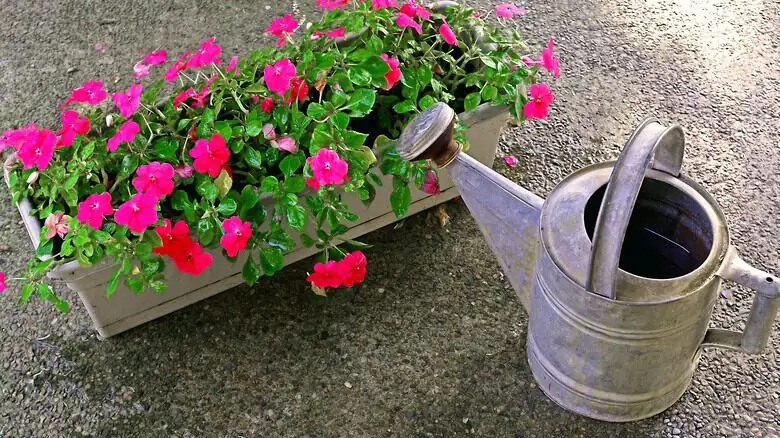
- Habit: compact mounds with arching, slightly trailing stems that happily spill from baskets.
- Typical size: 20–45 cm (8–18 in) tall and wide, depending on cultivar and care.
- Flowers: masses of flat, vivid blooms in pinks, reds, whites, oranges, purples, and cheerful bicolors. Keep spent blossoms trimmed and keep moisture even for a pristine display.
- Petal care: keep blooms dry to reduce spotting and gray mold.
Quick shaping and feeding
- Pinch once at about 10 cm (4 in) tall to encourage branching and a fuller cushion of color.
- Feed March–October every two weeks with a balanced fertilizer; during heavy bloom, add 2–3 light doses of a blossom booster higher in P and K. Ease off feeding in extreme heat and pause in winter if growth slows.
Containers that look instantly lush
- Single plants love a 10 cm (4 in) pot.
- For a full, cascading look, use a 12–15 cm (4.7–5.9 in) hanging basket or pot with three young plants.
From Tanzanian trails to garden triumphs: the hybrid chapter
Busy Lizzie’s fame sparked a breeding revolution that changed how—and where—we use impatiens.
The rise of bedding impatiens
Traditional I. walleriana selections became the world’s go-to bedding and container color, prized for dense foliage and months-long bloom. Series bred for uniform habit and nonstop flowers turned porches, window boxes, and baskets into fireworks displays.
New Guinea impatiens enters the scene
Close cousins from a different homeland—New Guinea impatiens (Impatiens hawkeri)—arrived with broader leaves and bold color. You’ll often see them sold alongside Busy Lizzie because they share the same “bloom like crazy” energy, though they’re distinct species. Many modern lines and brand-name hybrids combine the vigor, larger flowers, and improved sun tolerance inspired by New Guinea genetics while keeping containers drenched in color.

- SunPatiens, for example, brought broader light tolerance and landscape stamina to the impatiens family, expanding where gardeners could plant that signature impatiens glow.
Breeding through challenges
When impatiens downy mildew shook the bedding-plant world in the early 2010s, breeders doubled down. Today, improved I. walleriana lines with better resilience (alongside the New Guinea types and interspecific hybrids) have helped restore the impatiens’ reign in shady beds and bright, sheltered porches.
A porch plan you can copy this weekend
- Choose plants: look for dense, deep-green foliage with lots of buds and some open blooms.
- Pot up: three starters into a 12–15 cm basket with a rich, free-draining mix.
- Placement: morning sun or bright filtered light; shelter from harsh afternoon rays.
- Water: when the top feels slightly dry; keep soil evenly moist, not soaked. Aim water at the soil, not the petals.
- Feed: every two weeks from spring through fall; add a couple bloom-boosting feeds midseason.
- Groom: pinch once early; remove spent flowers and any soft, damaged growth.
Troubleshooting with field-notes logic
- Yellowing and leaf drop?
- Check temperatures (keep 12–20°C ideally), watering (avoid drought or waterlogging), and light (brighten dim spots).
- Inspect for pests—spider mites, aphids, and whiteflies love tender growth.
- Buds/flowers dropping?
- Heat above 30°C, strong midday sun, or wet petals are common triggers. Move to bright filtered light and keep watering even.
- Fungal issues (leaf spots, gray mold) or rot?
- Improve airflow, avoid overhead watering, and remove affected parts early. Treat pests with insecticidal soap or horticultural oil if needed.
Safety, symbolism, and a wink
- Safety: generally considered non-toxic/low-toxicity to people and pets, though chewing any plant can upset sensitive stomachs.
- Symbolism: its flower language is cheerful perseverance—an emblem of domestic joy and steady effort. The meaning likely stems from its relentless bloom cycle and long association with welcoming porches and windowsills. In many languages, nicknames translate to “joy of the home,” perfectly catching its mood.
Propagation and overwintering
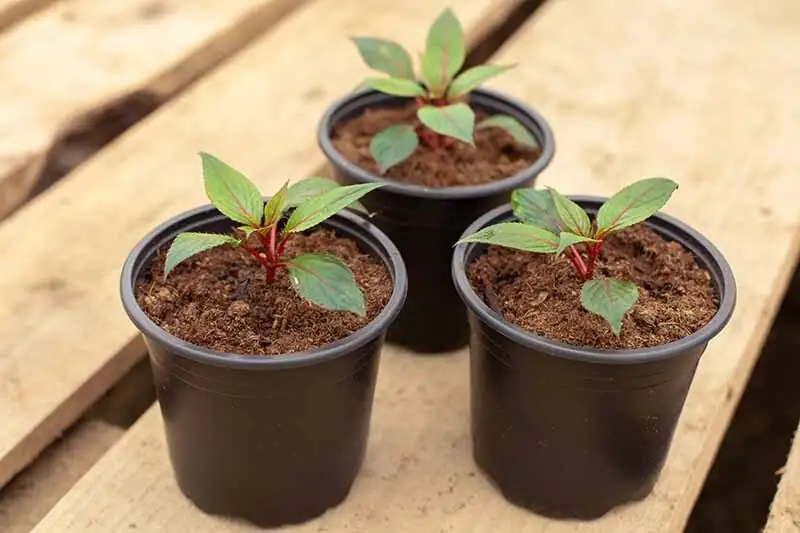
- From seed: sow indoors in early spring at 16–18°C (61–64°F); germination in 10–20 days; flowering in about 8–10 weeks in warm, bright conditions.
- From cuttings: take 10–12 cm (4–4.7 in) tip cuttings in spring to early summer; root in a sterile, airy medium at 20–25°C (68–77°F). Expect roots in around 20 days; pot up in about a month. New Guinea types and many hybrids are often propagated this way too.
- Overwintering: frost tender outdoors except in very warm climates (roughly USDA 10–11). In cooler regions, bring containers indoors before frost; keep above 10°C (50°F)—and ideally above 12–16°C (54–61°F)—in bright light. Water lightly, feeding only if growth continues.
Year-round care calendar
- Spring
- Start seeds at 16–18°C.
- Water about twice a week.
- Pinch once at ~10 cm for bushiness.
- Take cuttings in spring–early summer.
- Summer
- Provide shade from strong midday sun.
- Keep evenly moist; reduce fertilizer during extreme heat.
- Expect some bud drop if temperatures hold above 30°C—cool and shade gently.
- Autumn
- Water as needed, often every 2–3 days.
- Continue grooming and remove tired blooms.
- Winter
- Keep above 10°C (50°F); ideally 12–16°C.
- Water roughly weekly; stop feeding if growth slows.
- Bright indoor light prevents stretching.
Why Busy Lizzie still wins
Because it remembers where it came from. Give it East Africa’s recipe—bright-filtered light, warm air, steady moisture, and a soft breeze—and it answers with a living confetti of flowers for months. Add in modern breeding—bigger palettes, better vigor, and broader placement options—and you’ve got a plant that moved from Tanzanian riverbanks to your porch with its spirit completely intact, and its bloom schedule busier than ever.