

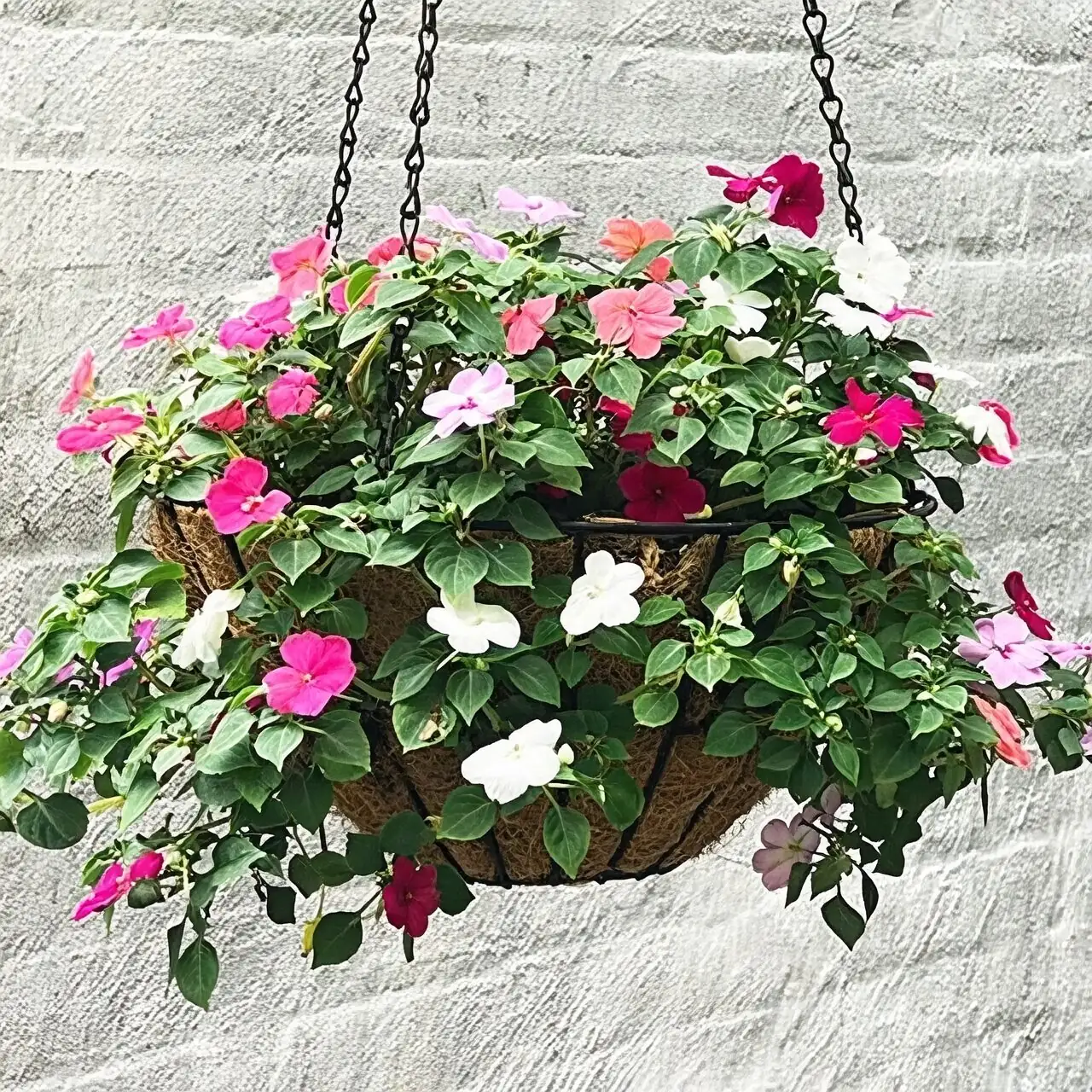
If you love color that rarely quits and a plant that feels as lively as a summer street fair, say hello to Impatiens walleriana—Busy Lizzie. This classic for baskets, window boxes, and shady patios is all gloss and glow: succulent, semi-translucent stems; dense, bright-green leaves; and waves of blooms in pinks, reds, whites, oranges, and purples. The secret to keeping that party going? A prevention-first playbook that keeps leaves dry, air moving, and pests/disease at bay—plus smart, gentle interventions when needed.
Below is your practical, prevention-forward guide—with special watchouts for humid summers and downy mildew—so your Busy Lizzies keep bustling.
Meet Busy Lizzie (Impatiens walleriana)
- Origins: Tropical East Africa (especially Tanzania and Mozambique)
- Family: Balsaminaceae; Genus: Impatiens
- Habit and size: Compact, mounding to slightly trailing; typically 20–45 cm (8–18 in) tall and wide
- Best use: Hanging baskets, window boxes, porch planters, bright indoor windows
- Light: Bright, filtered light or partial shade; shield from harsh midday/afternoon sun. In very bright spots, 40–50% shade helps prevent scorch.
- Bloom season: Summer through autumn outdoors; in warm, bright indoor conditions, blooms can continue most of the year
- Personality: Fast, full, and floriferous—when warm, evenly moist, and well-aerated
Note on close cousins: You’ll often see New Guinea impatiens and SunPatiens sold right next to Busy Lizzie. They look and perform similarly in containers but differ genetically—and they’re notably more tolerant of downy mildew. Keep that in mind for humid regions.
The Prevention-First Playbook
Think of Busy Lizzie care like great kitchen hygiene: clean tools, good ventilation, and no splashing. That’s how you stop problems before they start.
1) Airflow and spacing
- Give plants room: Aim for a mounded plant with leaves that don’t stay damp after watering. Avoid cramming pots together.
- Use stands and hanging positions that catch light breezes.
- Rotate baskets every week so all sides get light and air.
2) Watering: even moisture, never wet foliage
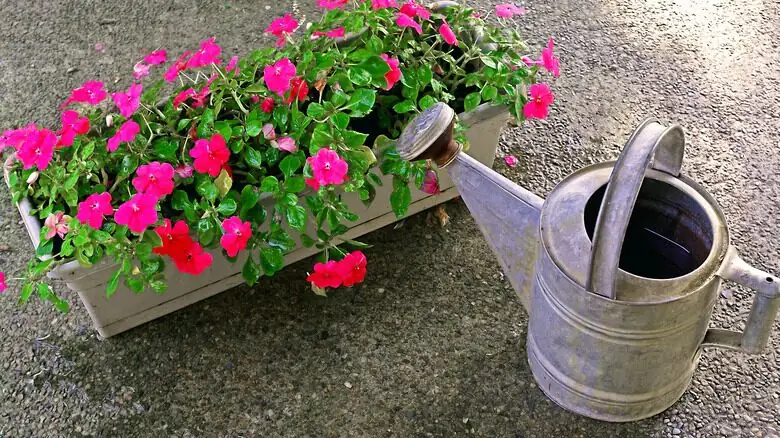
- Goal: “Moist like a wrung sponge,” never swampy. Keep soil evenly moist and avoid extremes—neither drought nor waterlogging.
- Technique: Water at soil level; keep blooms and leaves dry. Wet petals spot easily and wet foliage invites fungal trouble.
- Seasonal rhythm (adjust to your conditions):
- Spring: about twice weekly
- Summer: as needed to maintain even moisture without saturation (check the top layer; water when it begins to dry)
- Autumn: typically every 2–3 days
- Winter: about weekly if growth slows and indoor heat is on
- Drainage check: If water races through the pot, roots may have filled it—time to repot.
3) Light and heat management
- Best temps: 17–20°C (63–68°F). Keep above 10°C (50°F); below ~5°C (41°F) risks cold damage.
- Heat watch: Sustained heat above 30°C (86°F) often causes bud/flower drop. Move to brighter shade, boost airflow, and ease off fertilizer during heat spikes.
- Shade strategy outdoors: Provide 40–50% shade in intense sun.
4) Humidity without the hazards
- Sweet spot: Moderate to humid (around 50%+), but never stagnant.
- Instead of misting (which wets foliage), use:
- Spaced grouping with a fan’s gentle sweep
- Open windows/porch airflow
- Morning sun plus brisk air movement to dry any incidental leaf wetness
5) Sanitation: the quiet superpower
- Deadhead and tidy: Remove spent blooms and soft, damaged, or diseased growth promptly.
- Keep the surface clean: Don’t let petals or leaves rot on the soil.
- Tool hygiene: Disinfect shears between plants—especially after removing suspect tissue.
6) Potting mix and containers
- Soil: Rich, moisture-retentive but well-drained. Think peat or coco coir/leaf mold + fertile loam + coarse sand/perlite.
- Containers: Single plants do well in 10 cm (4 in) pots; baskets/12–15 cm (4.7–5.9 in) pots often hold 3 young plants for a full, cascading look.
- Placement: Bright porches, sheltered balconies, and windows with bright filtered light.
7) Quarantine new arrivals
- Keep new plants slightly apart for 1–2 weeks.
- Inspect undersides of leaves with each watering.
Humid Summer Watchouts: Downy Mildew
Downy mildew is the headline threat in warm, damp weather for Impatiens walleriana. It’s caused by an oomycete called Plasmopara destructor and spreads swiftly when leaves stay wet for hours at a time.
How to spot it early
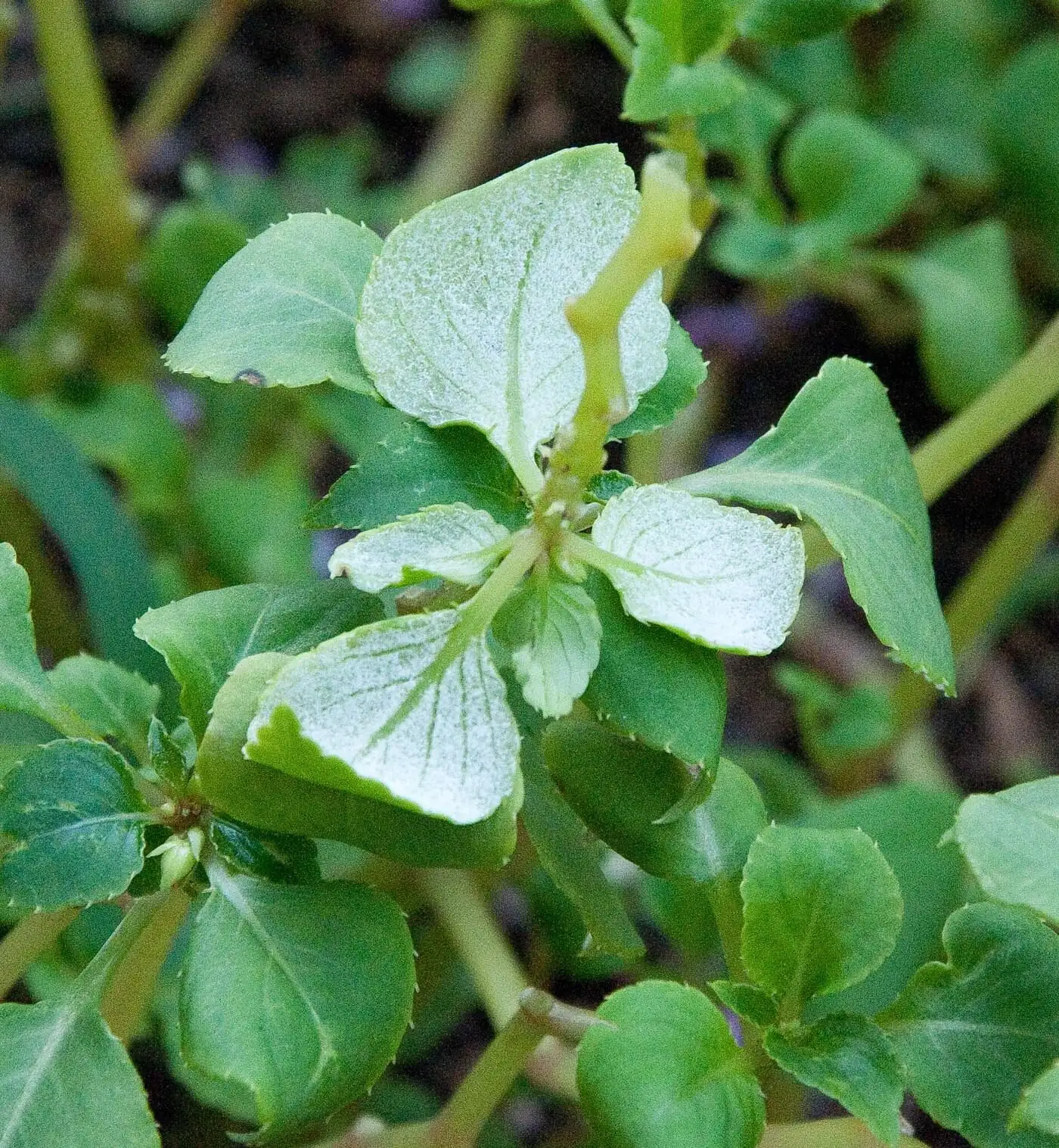
- Leaves yellow, stipple, and often curl downward.
- Fine white, moldy growth appears on the undersides of leaves.
- Advanced cases defoliate rapidly—plants can look like “flowers on green sticks.”
Why it strikes
- Long periods of leaf wetness (often 3–12 hours) plus warm, humid air
- Splashing water and tight spacing that slows leaf-drying
- Spores can ride wind and rain; resting spores in debris/soil can persist for years
Important: This disease targets Impatiens walleriana (Busy Lizzie). New Guinea impatiens and many SunPatiens are much less susceptible, making them smart alternatives in high-pressure areas.
Your DM prevention checklist
- Keep leaves dry: No overhead watering; water early at the soil line.
- Ventilate: Use spacing and airflow so foliage dries quickly after dew or rain.
- Shade smartly: Morning sun and bright filtered light help dry leaves without scorch.
- Sanitize: Remove fallen leaves/petals promptly; clean tools between plants.
- Choose resistant lines: Modern resistant cultivars include Beacon and Imara XDR.
- Rotate plantings: If you’ve had DM, avoid replanting Busy Lizzie in the same bed for several years; switch to New Guinea impatiens, SunPatiens, or other shade annuals.
- Disposal: If DM appears, bag and trash infected plants—do not compost.
Targeted Responses When Trouble Appears
Prevention comes first; when pests show up, reach for gentle, targeted controls.
Soft-bodied pests: aphids, whiteflies, spider mites, thrips
- Signs
- Aphids/whiteflies: Clusters on tender growth; sticky honeydew and sooty mold
- Spider mites: Fine stippling, dry look, delicate webbing; thrive in hot, dry air
- Thrips: Silvery streaking or distorted blooms
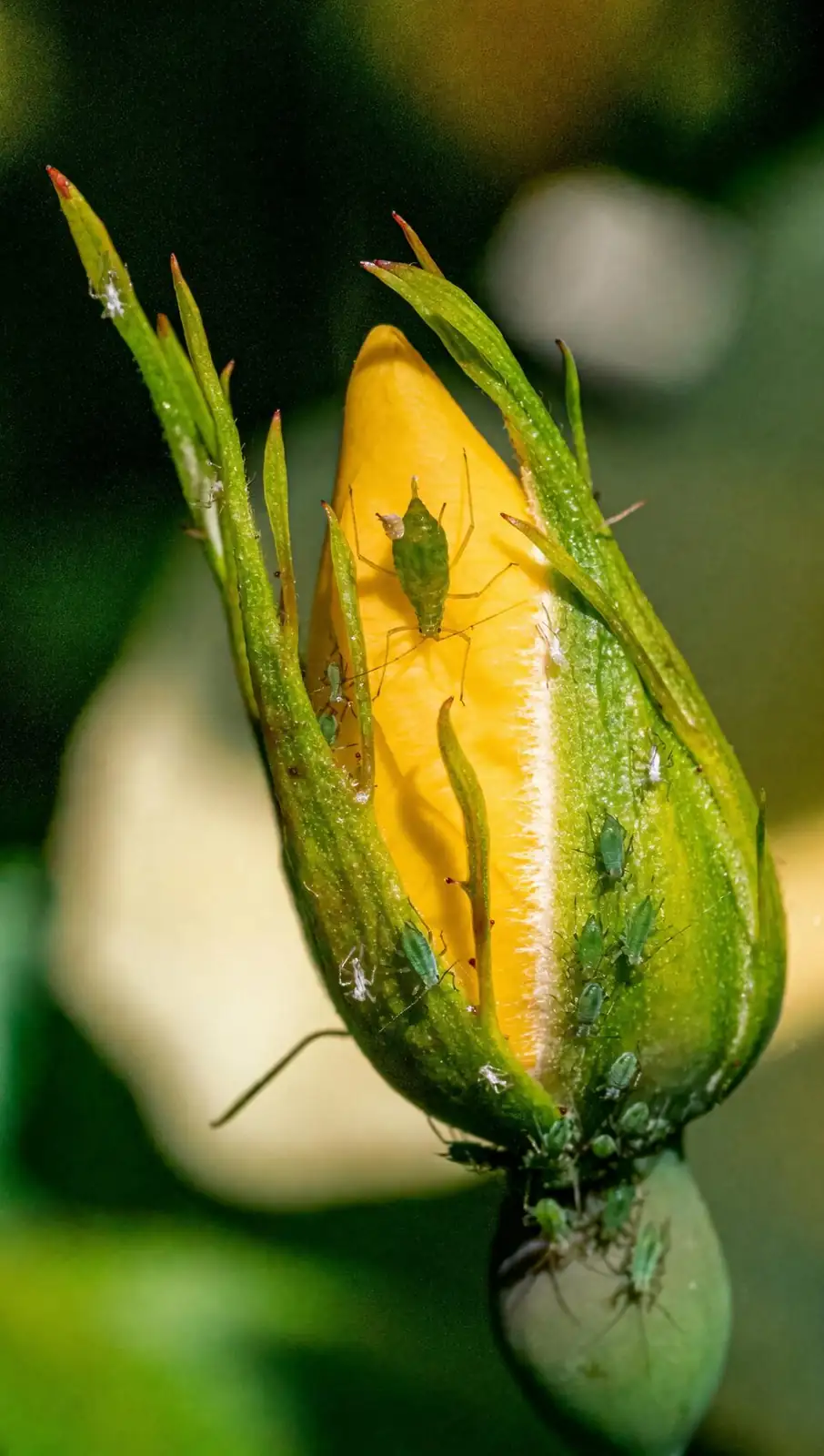
- Response with insecticidal soap or horticultural oil (including neem-based products)
- Coverage: Thoroughly coat upper and lower leaf surfaces and stems.
- Timing: Apply in early morning/evening when temps are mild; avoid hot, bright periods.
- Frequency: Repeat per label (often every 5–7 days) until pests are controlled.
- Spot test: Check a small area for sensitivity first.
- Bonus prevention: Maintain steady moisture and airflow—stressed plants invite pests.
- Skip the hose “blast” and avoid misting: Busy Lizzie’s petals bruise and wet foliage increases disease risk.
Fungal issues beyond DM: gray mold (Botrytis), leaf spots, stem/root rot
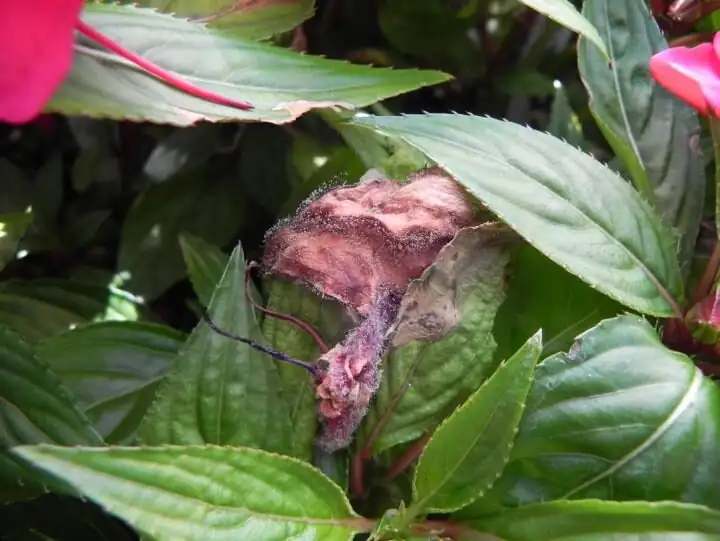
- Triggers: Wet petals/leaves, stagnant humid air, and saturated soil
- Response
- Remove affected blossoms/leaves immediately.
- Improve airflow and adjust watering to keep the canopy dry.
- Check drainage; repot in a freer-draining mix if needed.
- Disinfect tools after pruning affected tissue.
If an outbreak is severe, consult local guidance for labeled controls appropriate to ornamental use in your region.
Care Essentials at a Glance
- Light: Bright filtered light to partial shade; shield from harsh midday/afternoon sun
- Temperature: Best at 17–20°C (63–68°F); keep above 10°C (50°F); stress and bud drop often above 30°C (86°F)
- Humidity: Enjoys moderate to humid air with good ventilation
- Water: Keep evenly moist; never let pots sit in water; water at soil level
- Feeding: March–October, feed every ~2 weeks with a balanced fertilizer; reduce in extreme heat; pause if winter growth slows
- Pruning: Pinch once at ~10 cm (4 in) to encourage branching; deadhead routinely
- Propagation:
- Seed: Sow indoors early spring at 16–18°C (61–64°F); germinates in 10–20 days; flowers in ~8–10 weeks
- Cutings: 10–12 cm (4–4.7 in) tip cuttings in spring–early summer; root at 20–25°C (68–77°F); root in ~20 days; pot up in ~30 days
- Repotting: Use a fertile, free-draining mix; repot when roots fill the pot and water runs through too quickly
- Hardiness: Frost tender; generally perennial outdoors only in warm climates (about USDA Zone 10–11). In cooler regions, treat as an annual or overwinter indoors away from drafts.
- Placement: Porches, sheltered balconies, bright windows—avoid deep, dim corners
Buying Guide: Choose a Winner
- Look for dense, deep-green foliage, symmetrical shape, and plenty of buds (with some just opening).
- Check undersides of leaves for pests.
- After purchase, keep warm (above 12°C / 54°F), give bright filtered light, and water when the surface begins to dry—without wetting flowers.
Seasonal Game Plan
- Spring: Start seeds indoors (16–18°C / 61–64°F); water ~2× weekly; pinch at ~10 cm; take cuttings in spring–early summer
- Summer: Provide shade from harsh sun; keep evenly moist; reduce fertilizer during heat waves; expect bud drop if temps top 30°C (86°F)
- Autumn: Water as needed (often every 2–3 days) and keep tidying spent blooms
- Winter: Keep above 10°C (50°F), ideally above 12°C (54°F); water ~weekly; stop feeding if growth pauses
Troubleshooting: Fast Fixes
- Leaves yellowing and dropping?
- Check temperature (avoid cold snaps/heat spikes), adjust watering (even moisture, not soggy), increase light, and inspect for pests—especially spider mites.
- Buds/flowers dropping?
- Heat stress above 30°C (86°F), harsh sun, or wet petals are common triggers. Move to bright filtered light, water evenly at soil level, and keep blooms dry.
Flower language (花语) and meaning
Busy Lizzie is often linked with cheerful, bustling energy—its constant flowering can make a planter look joyously “busy.” The genus name Impatiens nods to those spring-loaded seed pods that pop when ripe, an image Victorians folded into floriography as a symbol of lively temperament and eager affection. In modern gardening, it’s less about formal codes and more about the mood it sets: a bright, generous companion that keeps the home feeling animated and welcoming.
Safety note
Generally considered non-toxic/low-toxicity for people and pets when used ornamentally. Still, discourage nibbling—sensitive individuals may experience mild stomach upset.
Humid-Summer Survival Kit (Quick Recap)
- Space plants and keep air moving
- Water the soil, not the leaves or blooms
- Keep foliage dry—especially overnight
- Tidy often; remove spent blooms and debris
- Choose resistant Busy Lizzie lines (Beacon, Imara XDR) or switch to New Guinea impatiens/SunPatiens in high-pressure areas
- At first sign of pests, use insecticidal soap or horticultural oil with careful, repeated coverage
Master these simple, prevention-first habits and your Impatiens walleriana will do what it does best: bloom like it means it, all season long.