

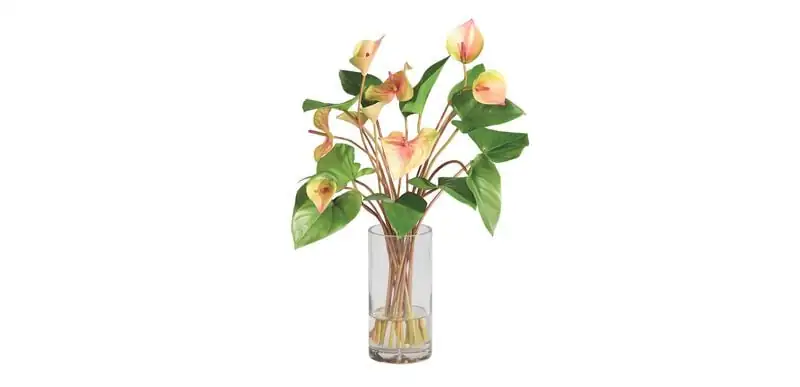
Think sculptural leaves, lacquered “blooms,” and a tangle of pearly roots you can actually admire—Flamingo Flower (Anthurium andraeanum) looks made for modern, soil-free living. On shelves and desks, a clear vase or sleek semi-hydro setup turns this tropical into a minimalist showpiece that keeps coloring up for weeks at a time. Ready to go hydro? Here’s your step‑by‑step guide, nutrient know‑how, and rapid-fire troubleshooting to keep those spathes shining.
Why Flamingo Flower thrives in hydro on a shelf
- Light and bloom power: Bright, indirect light fuels near year‑round flowering indoors. Think east window, bright north window, or a few feet back from south/west light with a sheer.
- Warmth lover: Grows well around 16–24°C (61–75°F); thrives and flowers strongest at roughly 20–30°C (68–86°F). Keep above 15°C (59°F).
- Humidity sweet spot: 50–60%+ with good airflow. A nearby humidifier or pebble tray helps.
- Compact, tidy habit: Most indoor specimens sit happily in the 30–60 cm (12–24 in) range—perfect for desks.
- Note on safety: Like many aroids, it’s toxic if chewed (calcium oxalate). Keep away from pets and kids; sap may irritate skin.
Two sleek, soil‑free setups
1) Pure water vase culture (the clean glass look)
Best for: Maximum root visibility, low mess, easy weekly maintenance.
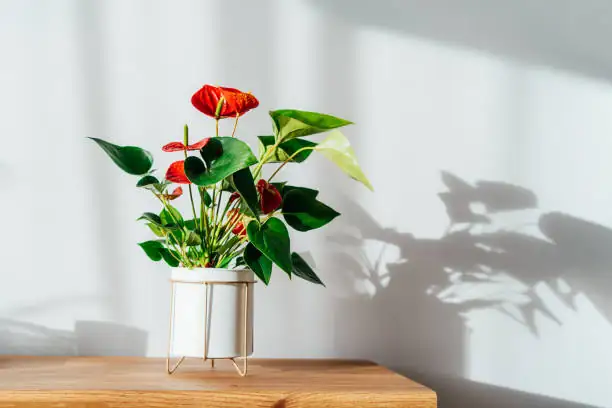
What you need
- A healthy Anthurium with several leaves and firm, pale roots
- Clear glass vase/cylinder wide enough for the root mass
- Room‑temperature water (dechlorinated, spring, or rainwater)
- Optional: dark sleeve or decorative wrap to limit algae
Step-by-step
1) Unpot and rinse: Remove the plant and gently rinse away all mix from roots in lukewarm water. Take your time—cold shocks roots; leftover soil clouds water.
2) Root tidy: Snip off any brown, mushy roots with clean scissors.
3) Position: Sit the plant so only the lower roots are in water. Keep the crown and all leaves above the waterline.
4) Fill: Add just enough water to cover the bottom third to half of the roots—never submerge the stems.
5) Place: Bright, filtered light. Avoid harsh midday sun on both leaves and vase.
Weekly routine
- Change water about once a week and clean the vase to remove film/algae.
- Add a light hydroponic nutrient (see “Nutrient know‑how”) to fresh water.
- Trim any roots that go soft or slimy; keep only firm, white to beige roots.
Pro tips
- If algae builds quickly but you love the clear look, wrap the vase with a removable sleeve or use a smoky glass that still shows the roots.
- An airstone is optional; gentle oxygenation helps but isn’t required if you stick to weekly changes.
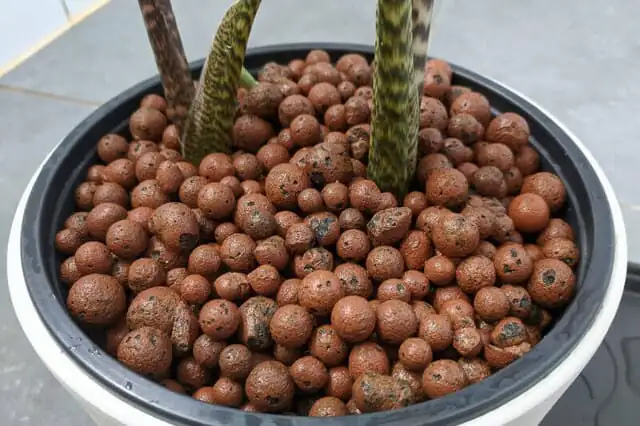
2) Semi‑hydro with LECA (the desk‑friendly workhorse)
Best for: Slightly steadier moisture, fewer water changes, easy travel periods.
What you need
- Rinsed Anthurium, as above
- LECA (expanded clay) pre‑soaked and rinsed
- Net pot that fits inside a cover pot/reservoir
- Cover pot with a 1–2 cm (about 0.5–0.75 in) water line below the net pot
- Diluted hydroponic nutrient solution
Setup
1) Prep LECA: Soak and rinse well to remove dust.
2) Nest: Place the plant in the net pot, gently spreading roots over some LECA; fill in around roots while keeping the crown above the media.
3) Reservoir: Keep 1–2 cm of nutrient solution below the net pot so LECA wicks moisture upward—don’t drown the crown.
4) Place in bright, indirect light and monitor the wicking level.
Ongoing care
- Top up with diluted nutrient solution as the reservoir drops; fully flush with plain water every 3–4 weeks to prevent salt buildup.
- Refresh solution on a regular cadence (every 1–2 weeks, depending on evaporation).
Nutrient know‑how for long‑lasting color
Hydro feeding basics
- Strength: Go gentle. Use a diluted liquid hydroponic formula at roughly 1/8–1/4 strength each time you refresh water. In classic soil culture, Anthuriums appreciate a bloom‑leaning, higher‑potassium feed (e.g., 20‑8‑20) at half strength every two weeks—your hydro version should be lighter but more frequent.
- Frequency: Weekly in vase culture (with each water change). In semi‑hydro, top up lightly and fully refresh/flush on a schedule.
- Seasonality: Feed more during active growth (spring–summer), then reduce in autumn–winter as light drops.
Extra edges
- Micronutrients matter: Choose a complete hydro feed with trace elements. Occasional spring water can supply minerals and reduce limescale versus hard tap water.
- Avoid softened water: Sodium can stress roots.
- Gentle chemistry: If you track pH, aim for mildly acidic (about pH 5.8–6.5). Not a must, but it helps nutrient uptake.
- Flush monthly: Run plain water through the setup to rinse salts and keep tips from browning.
Light, temperature, humidity for blooms
- Light: Bright, indirect is the bloom engine. If using a grow light, place a modest LED (20–40 W) about 25–35 cm (10–14 in) above the foliage for 12–14 hours daily.
- Temperature: 20–30°C (68–86°F) is prime for flowers; keep above 15°C (59°F).
- Humidity: 50–60%+ with airflow. Mist lightly if needed, but avoid wet leaves late in the day or at night.
Styling and placement on shelves and desks
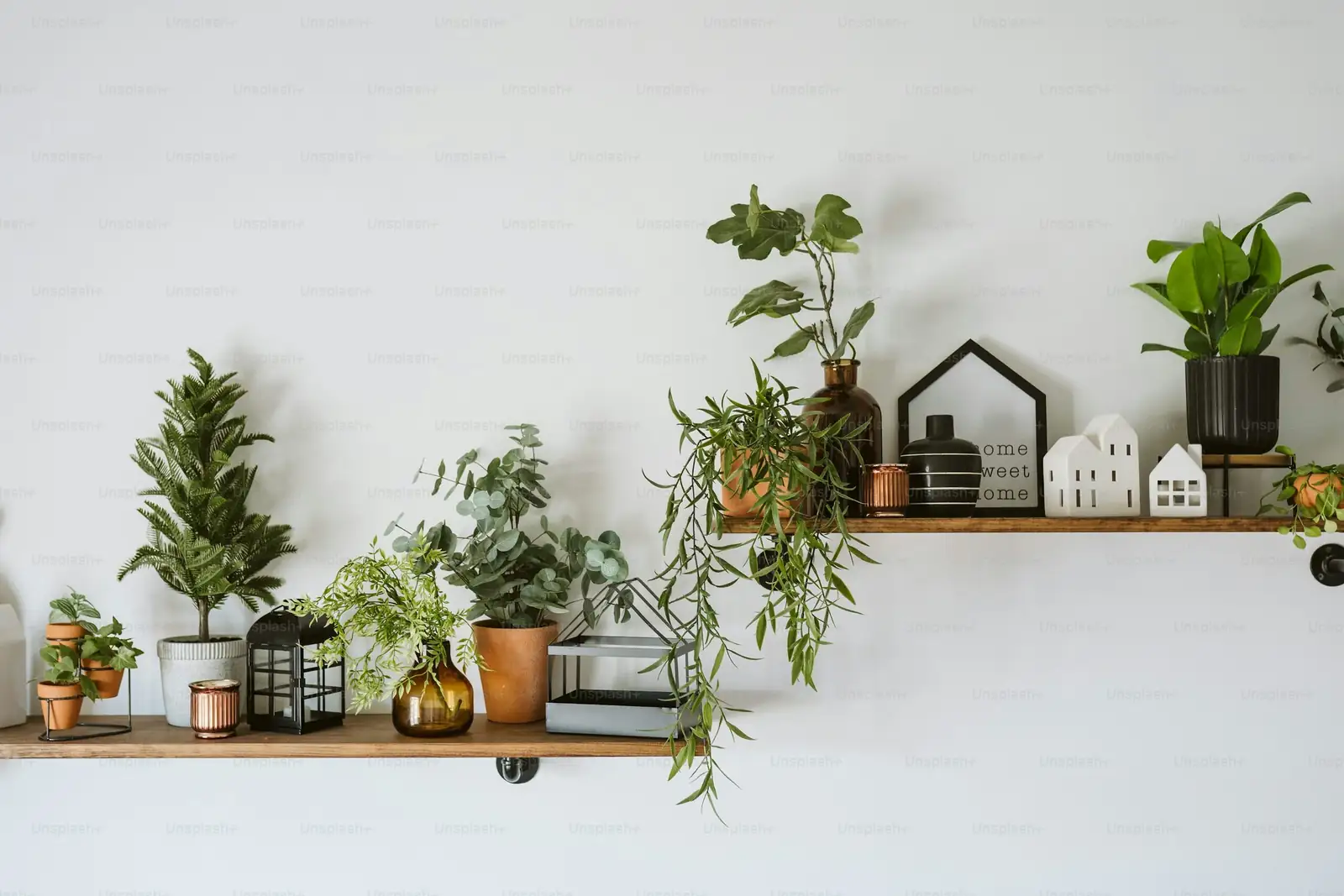
- Window math: East windows are ideal. For south/west windows, set the plant a few feet back with a sheer curtain.
- Keep it clean: Dust dulls the gloss. Wipe leaves with a damp cloth; avoid oil leaf‑shine.
- Rotation: Quarter‑turn weekly for even growth and symmetrical blooming.
- Water line watch: Leaves touching water will rot—keep all foliage above the surface.
- Vase vibes: Tall cylinders spotlight roots; smoky or amber glass hides algae. Pebbles can anchor roots aesthetically—just don’t bury the stem.
Troubleshooting fast
- Yellowing leaves
- Likely causes: Low light, cold drafts, or nutrient imbalance in hydro; older leaves also age out naturally.
- Fix: Brighten light, keep warm above 15°C (59°F), refresh with light nutrient solution, remove spent leaves at the base.
- Limp stems or mushy roots
- Cause: Stagnant, dirty water or submerging the crown.
- Fix: Change water weekly, clean the vase, trim rot, keep only lower roots submerged, consider gentle aeration.
- Brown tips/edges
- Cause: Low humidity or salt buildup.
- Fix: Raise humidity to 50–60%+, flush monthly with plain water, reduce nutrient strength.
- Green, small, or no spathes
- Cause: Not enough light, temperatures too cool, or feed too nitrogen‑heavy.
- Fix: Brighter filtered light, warmer room, bloom‑leaning nutrient with higher potassium.
- Algae in the vase
- Cause: Light hitting nutrient‑rich water.
- Fix: Shade the reservoir, clean glass weekly, keep nutrients light.
- Leaf scorch or faded foliage
- Cause: Harsh direct sun.
- Fix: Move back from the window or add a sheer.
- Spots, fungal issues, inflorescence rot
- Cause: Wet foliage plus poor airflow.
- Fix: Water and mist earlier in the day, increase airflow, remove affected parts; only use fungicides if truly necessary and label‑directed.
- Pests (spider mites, mealybugs, scale, thrips)
- Fix: Isolate, then treat early with insecticidal soap or horticultural oil; repeat as needed and improve humidity/airflow.
Propagation, the clean way
- Division is most reliable: Separate a clump/offset with its own roots and at least ~3 leaves.
- Rooting: New roots commonly form in about 20–30 days. You can root divisions directly in water (keeping only lower roots submerged) or in moist sphagnum before returning to hydro or potting in an airy aroid mix.
- Aftercare: Keep warm and bright; start feeding lightly once new growth appears.
Your hydro routine at a glance
- Weekly
- Vase culture: Change water, add light nutrients, wipe glass, trim soft roots.
- Semi‑hydro: Top up reservoir, check wicking, wipe leaves, rotate plant.
- Monthly
- Flush with plain water to clear salts; deep clean vase or rinse LECA.
- Seasonally
- Spring–summer: Slightly stronger feeding, more frequent top‑ups.
- Autumn–winter: Reduce feed, move to brightest indirect light, keep warm.
Symbolism and the real “flower”
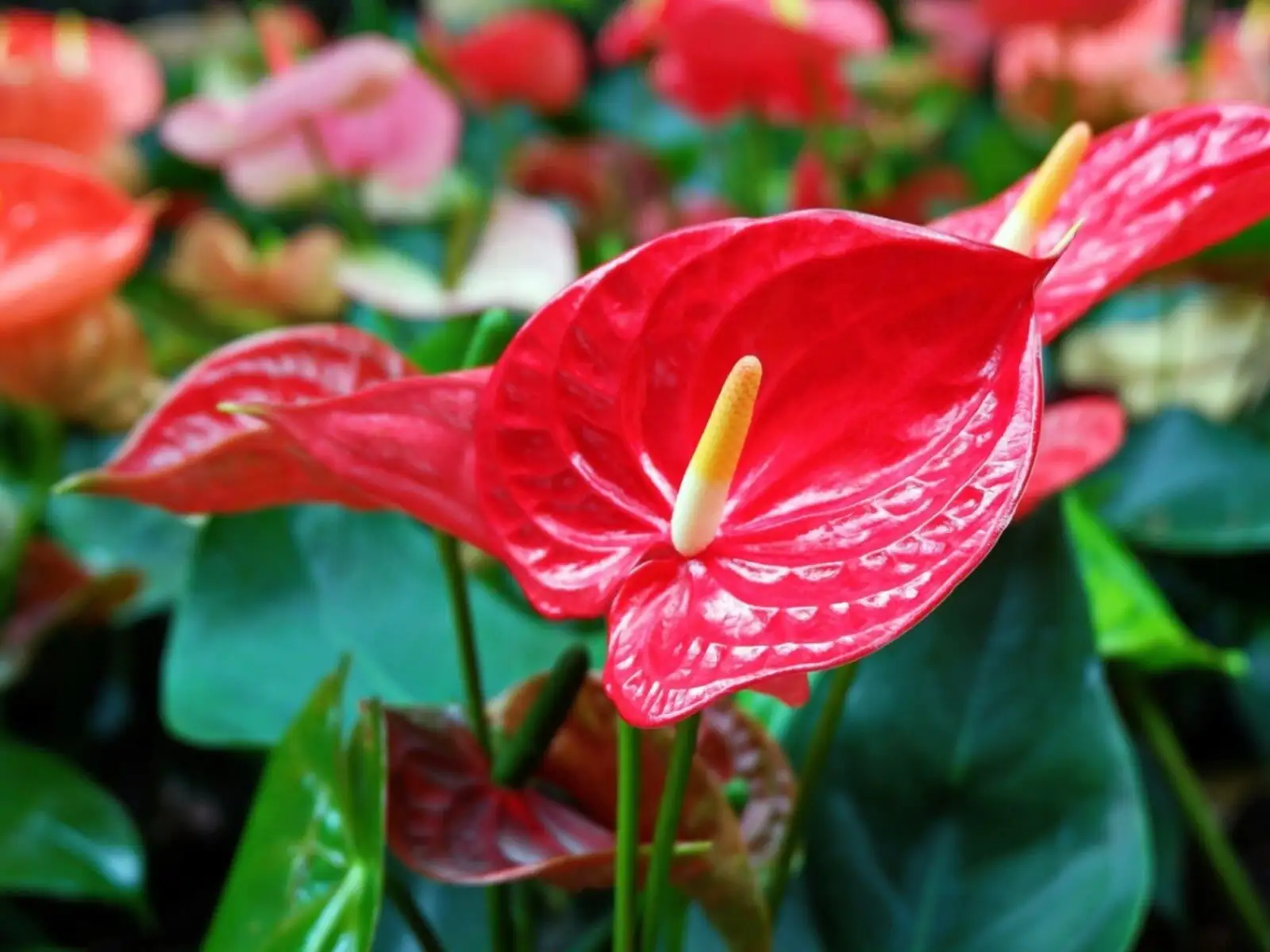
That glossy, heart‑shaped “bloom” is a spathe—a modified leaf—framing a finger‑like spadix where countless tiny true flowers live. Because the spathes hold their polish for weeks, Flamingo Flower is commonly gifted as a symbol of hospitality, warmth, confidence, and lasting love. The meanings aren’t ancient doctrine so much as a blend of tropical welcome and modern floral culture: a plant that stays striking for a long time naturally came to stand for enduring care and attention.
With bright filtered light, steady warmth, and a feather‑light hydro feed, Anthurium andraeanum settles into a sleek, soil‑free life and returns the favor with months of color. Keep the crown dry, the water fresh, and the nutrients gentle—and enjoy the show.