

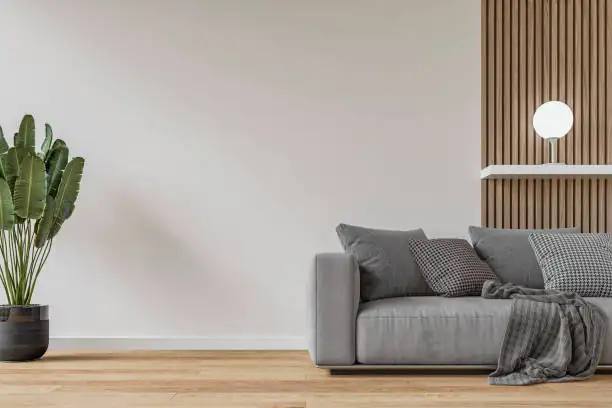
Flamingo Flower (Anthurium andraeanum) is interior styling in plant form: glossy, deep-green leaves topped with high-shine, long-lasting spathes that read like color swatches—red, pink, white, deep burgundy, and sometimes green or bicolors. Think of each spathe as a mood-setting accessory, a little like the perfect lipstick or accent cushion. With the right light and a little humidity love, it can flower on and off for much of the year indoors. Let’s match those show-stopping hues to room vibes, pot choices, and placement—plus a bathroom humidity hack that keeps the gloss going.
Meet the star, quickly
- Identity: Anthurium andraeanum (aka Flamingo Flower, Laceleaf, Painter’s Palette, Tailflower), in the Araceae family.
- What you’re “seeing”: The colorful part is a spathe (a modified leaf) wrapped around a finger-like spadix packed with tiny flowers.
- Size and habit: Upright, clump-forming, typically 30–60 cm tall and wide indoors (many houseplants sit around 45 cm × 30 cm).
- Bloom rhythm: With warmth, humidity, and bright filtered light, it can bloom repeatedly year-round.
- Ideal environment:
- Light: Bright, indirect light or light shade; avoid harsh midday sun.
- Temperature: Happy at 16–24°C indoors; thrives with warmth up to about 30°C. Keep above 15°C in winter.
- Humidity: Loves 50–60%+; good airflow is key.
- Mix: Airy aroid mix—bark + coco coir/peat + perlite, or 1:1 potting mix and chunky orchid bark. Never soggy.
The color-to-mood playbook
Use spathe color as your interior mood board. Each hue nudges a space in a different emotional direction.
Red: Statement energy, spotlight-ready
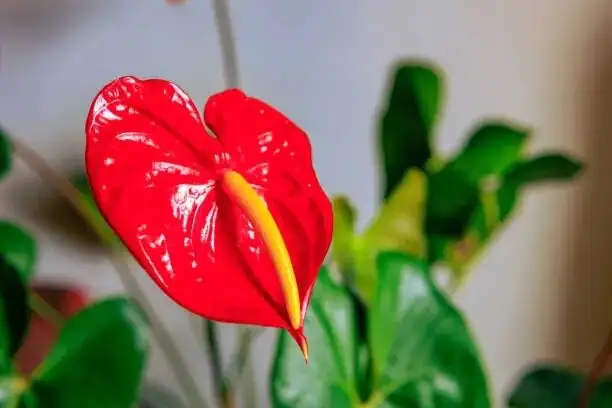
- Room mood: Bold, confident, social. Perfect for entryways, dining rooms, or a dramatic coffee-table moment.
- Pot pairing:
- Matte black or charcoal cylinder for gallery-chic restraint.
- Crisp white gloss to dial up contrast and shine.
- Brushed brass cachepot for glam evening glow.
- Placement:
- A few feet back from a south/west window behind a sheer curtain, or near a bright east window.
- Set on a low side table so spathes meet the eye.
- Style tip: Treat red as your “exclamation point.” Keep surrounding decor simple—linen, stone, and wood—so the plant does the talking.
Pink: Soft focus, feel-good calm
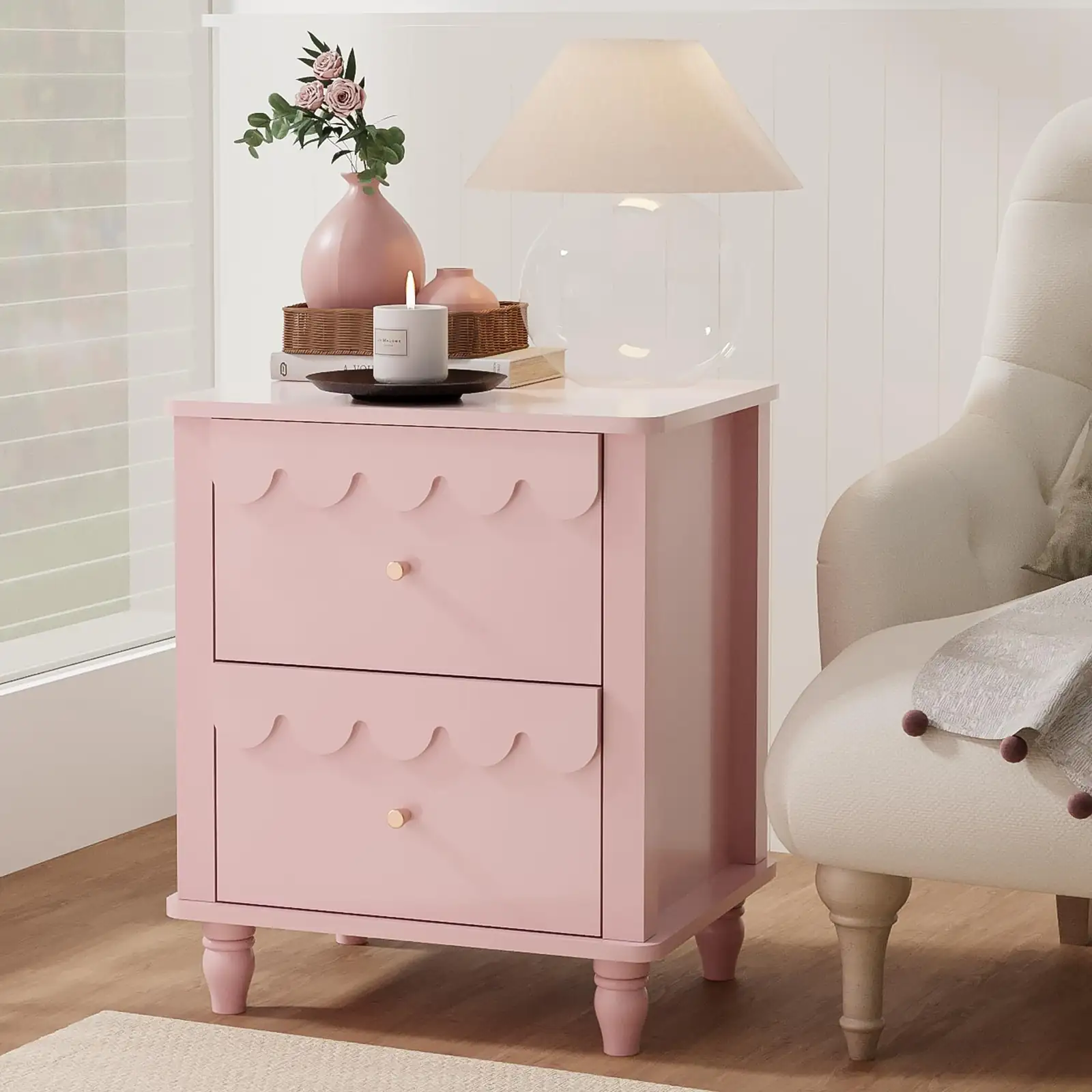
- Room mood: Romantic, creative, gentle. Lovely for bedrooms, reading nooks, and calming studios.
- Pot pairing:
- Soft neutral stoneware (greige, oat, mushroom) to mirror the plant’s softness.
- Terrazzo with subtle specks for playful texture.
- Placement:
- Near a bright north window or an east window with light curtains.
- Style tip: Layer with pastels (sage throws, blush art prints) for a cocooned palette that still feels fresh.
White: Minimalist clarity, spa-bright
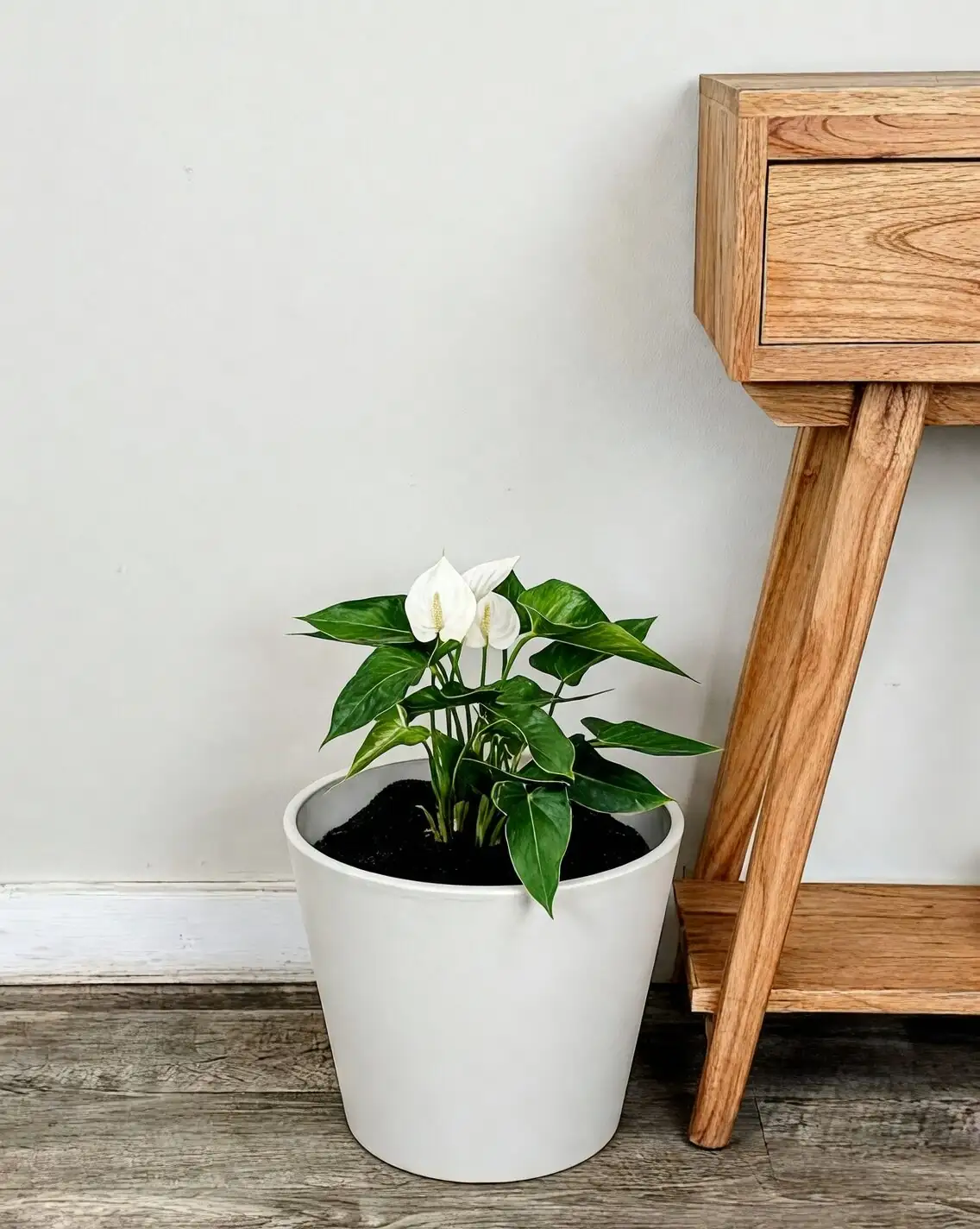
- Room mood: Clean, modern, serene. Perfect for home offices, minimalist living rooms—and bathrooms with a window.
- Pot pairing:
- Architectural concrete or satin-white ceramic for a Japandi edge.
- Clear glass cachepot around a plain nursery pot for a floating effect (ensure drainage is uncompromised).
- Placement:
- On a bright sill or shelf, never in harsh direct sun.
- Style tip: White spathes bounce light. Position them where they “read” against a darker background—charcoal tile, walnut shelving—for crisp contrast.
Deep burgundy: Lounge luxe, quiet drama
- Room mood: Sophisticated, moody, intimate—think reading corners and evening lounges.
- Pot pairing:
- Smoked bronze, deep espresso, or inky green planters to enrich the palette.
- Footed pedestals to elevate spathes above low furniture lines.
- Placement:
- Back from a bright window; dapple with a sheer to avoid bleaching.
- Style tip: Add warm woods and a low-watt lamp; the burgundy will glow like velvet at dusk.
Green or bicolors: Contemporary cool, design-forward
- Room mood: Unexpected, artful, invigorating—great for modern kitchens, entry consoles, or a clean-lined loft.
- Pot pairing:
- Sage, ecru, or soft black for a curated, monochrome moment.
- Ridged or fluted ceramic to play up the plant’s sculptural leaves.
- Placement:
- Bright, indirect light—east window ledge or a bright nook with good ambient light.
- Style tip: Treat green/bicolor spathes as “living art.” Minimal backdrop, maximum shape.
Choose the right pot (form and function)
Your container should make the colors pop and keep roots perfectly aerated.
- Size sweet spot:
- Most houseplants thrive in 12.5–20 cm (5–8 in) pots; larger, mature clumps may use 15–25 cm (6–10 in).
- Repot only when root-bound (typically every 2–3 years). Keep the crown at or just above the mix.
- Drainage first:
- Always use a pot with drainage holes; slip it into a decorative cachepot if you want a polished look.
- Self-watering is fine if the inner pot is airy and you avoid constant saturation.
- Material and finish:
- Matte black or concrete cools fiery reds; satin white sharpens burgundy drama.
- Soft neutrals flatter pinks and whites; earthy glazes soothe green/bicolors.
- Soil recipe:
- Chunky, well-drained aroid blend: bark + coco coir/peat + perlite. Or mix 1:1 potting soil with orchid bark. Aim for air pockets—never a heavy, compact mass.
Placement made easy: Light, distance, and display heights
- Best windows:
- East or bright north are ideal.
- South/west can work if you’re a few feet back or use a sheer curtain.
- Heights that flatter:
- Coffee table or low side table for red/burgundy (eye-level impact when seated).
- Console or floating shelf for white and pink (they read beautifully against wall color).
- Kitchen island or peninsula for green/bicolors (watch for hot, direct beams).
- Rotate a quarter turn weekly so spathes and leaves grow evenly.
Bathroom humidity hack (the glossy-bloom secret)
Turn everyday showers into a tropical microclimate.
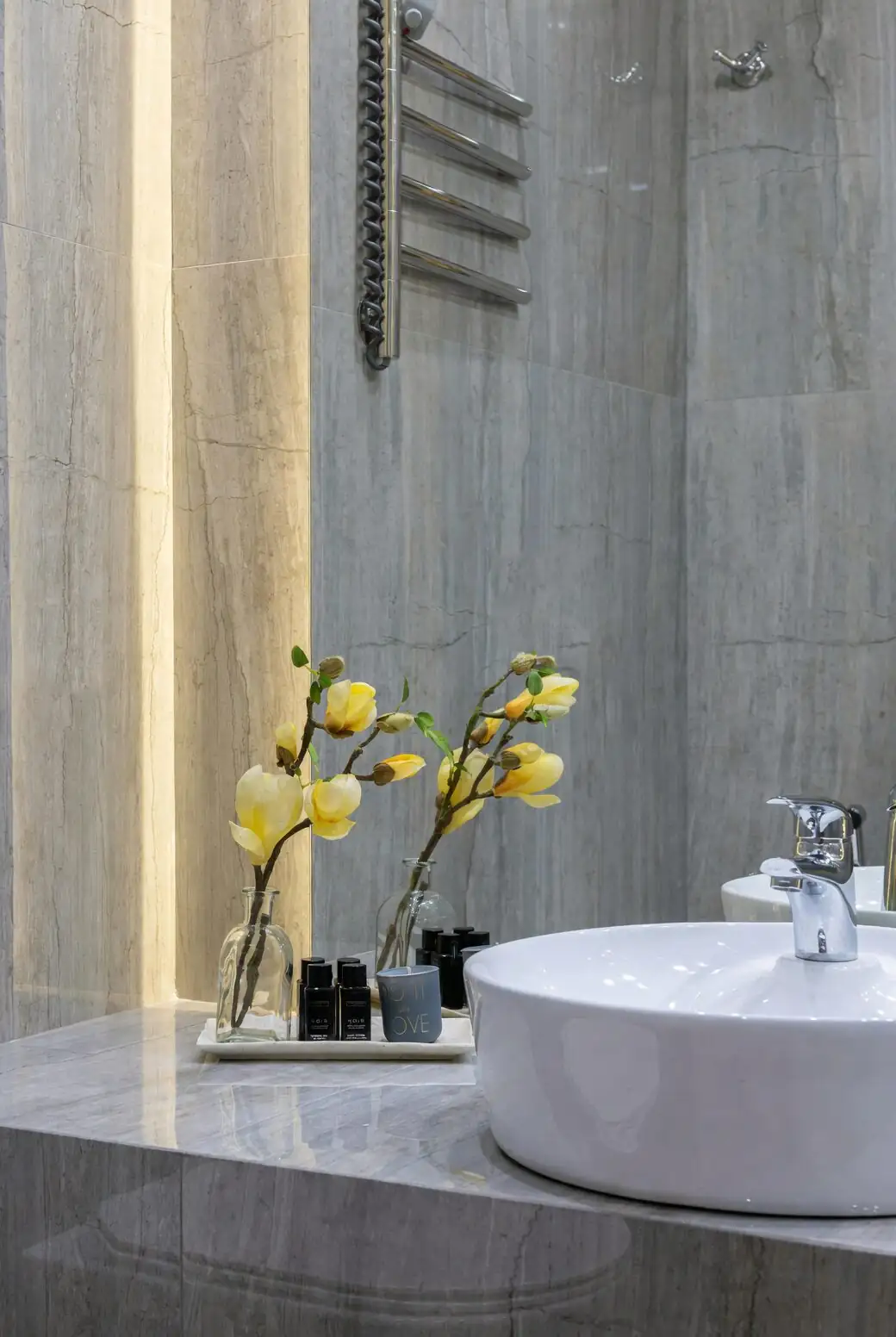
- Pick the right bathroom:
- It must have a window with bright, indirect light. Windowless bathrooms are a no-go.
- Perfect perch:
- A shelf or sill out of direct spray and away from hot radiators or vents.
- Smart humidity boost:
- Set the nursery pot on a pebble tray with water below (not touching) the pot base.
- Run the exhaust fan after steamy showers to keep airflow healthy.
- Watering routine:
- Water when the top 2–3 cm (about 1 in) of mix feels just dry, then drench and drain thoroughly.
- Water mid-morning to mid-afternoon to avoid chilling roots.
- Clean glamour:
- Wipe spathes gently with a damp cloth to keep that waxy shine.
- Avoid:
- Misting at night (wet leaves + still air = fungal trouble). If you do mist, use non-chlorinated water and stick to mornings.
Style recipes: Instant color-pop pairings
- Red spathe + matte black cylinder + travertine coffee table + linen sofa = gallery-bold living room.
- Pink spathe + terrazzo pot + oak nightstand + oatmeal bedding = soft, sunrise bedroom.
- White spathe + satin-white pot + charcoal tile + eucalyptus towels = spa-bright bathroom.
- Burgundy spathe + brushed brass pot + walnut bookshelves + amber lamp = luxe reading nook.
- Green/bicolor spathe + sage fluted pot + pale walls + black-framed art = modern entry vignette.
Care that keeps the color coming
- Watering:
- Aim for evenly moist, never soggy. Let the top 2–3 cm dry, then water thoroughly and drain.
️ – In warm rooms this may be every few days; in winter, less.
- Feeding:
- Spring–summer: every 2 weeks with a diluted liquid fertilizer (balanced to bloom-leaning, higher potassium such as 20-8-20) at half strength.
- Ease off in autumn–winter.
- Pruning:
- Snip spent spathes and yellowing or crowded leaves at the base with clean scissors to redirect energy.
- Repotting and roots:
- Every 2–3 years when tight in the pot. Keep the crown slightly above the mix; top-dress exposed aerial roots with a little moss.
- Pests and pitfalls:
- Watch for spider mites, mealybugs, scale, and thrips. Treat early with insecticidal soap or horticultural oil.
- Soggy mix invites root rot and fungal spots. Airy soil and good airflow are your prevention squad.
- Safety:
- Toxic if chewed (insoluble calcium oxalate). Keep away from pets and children; sap may irritate skin.
Bonus styling: The crystal-clear hydro look
Yes, Flamingo Flower can be grown in water for a sleek, modern display.
- Rinse off soil; place only the lower roots in water (don’t submerge the crown).
- Change water weekly; add a light hydroponic nutrient.
- Keep warm (20–30°C) and trim any rotting roots promptly.
- Style it on a bright bathroom or kitchen shelf—never in direct sun.
Flower language and color symbolism—use it thoughtfully
Anthuriums have long been gifted as emblems of hospitality, warmth, confidence, and lasting love—fitting for a plant whose spathes stay beautiful for weeks. Modern color “meanings” often blend traditional gifting lore with color psychology:
- Red suggests passion and vitality.
- Pink leans affectionate and tender.
- White reads as purity and balance.
- Deep burgundy hints at luxury and depth.
- Green or bicolors feel fresh, contemporary, and growth-oriented.
Treat these meanings as creative guides, not rules. Culture, context, and personal taste shape how color is perceived. The best “message” is the one that harmonizes with your space and mood.
Quick room-by-room cheat sheet
- Entryway: Red or burgundy in a high-contrast pot for instant welcome.
- Living room: Pink or burgundy on a low table; rotate weekly for even growth.
- Home office: White in a minimal pot to brighten and calm the workspace.
- Kitchen: Green/bicolors on an island or shelf with bright ambient light.
- Bathroom (with window): White or pink on a pebble tray—hello, humidity!
Bring one home with glossy leaves, multiple buds, and at least a couple of open spathes; avoid sour-smelling soil or limp stems. Set it in bright, filtered light, keep the roots airy and evenly moist, and let color do what color does best—transform a room in an instant.