

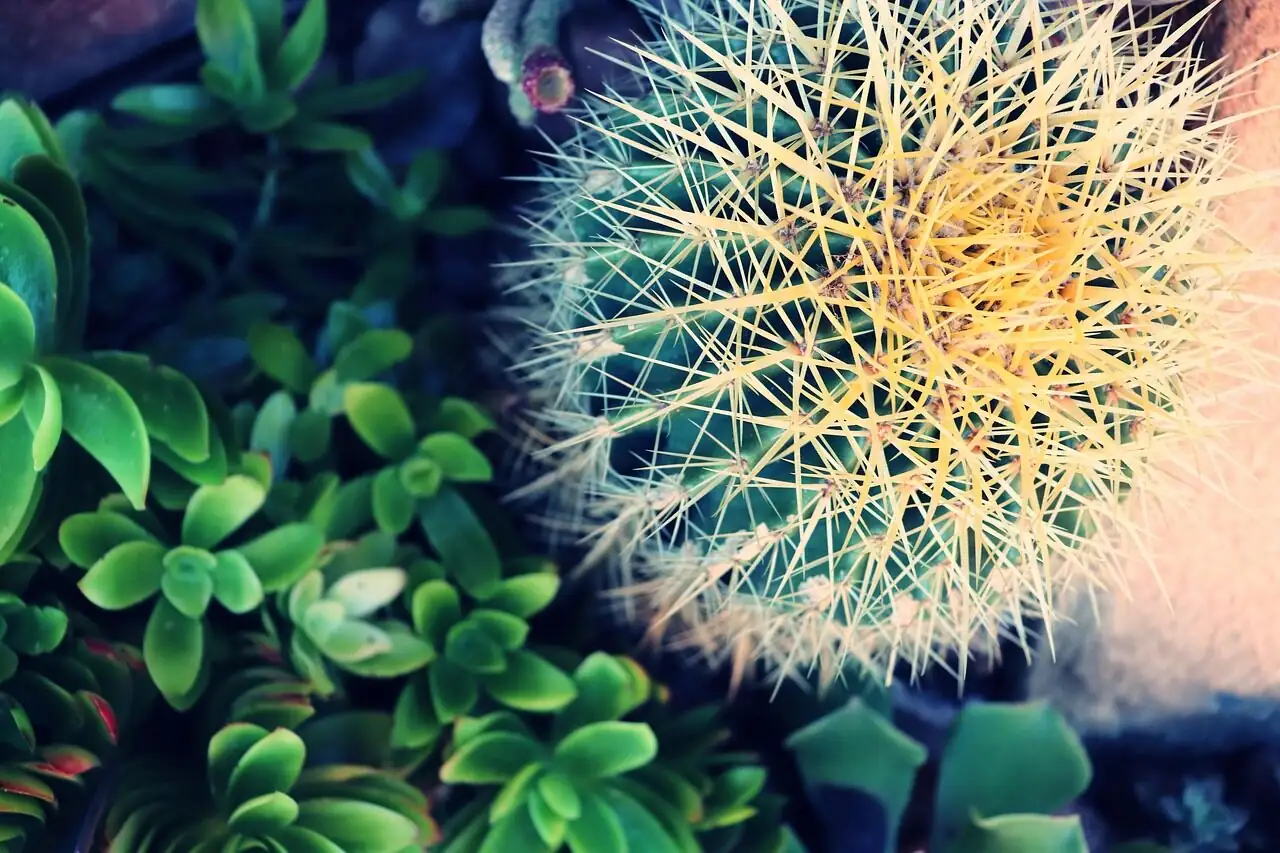
Think of the Golden Barrel Cactus (Echinocactus grusonii) as a sun‑loving, low‑maintenance sculpture that rewards simple, steady habits. Give it bright light, let it dry thoroughly between drinks, anchor it in gritty soil, and keep it warm—not complicated, just consistent. Here’s how to make that routine second nature.
Meet the Golden Barrel (Echinocactus grusonii)
- Origin: Central Mexico
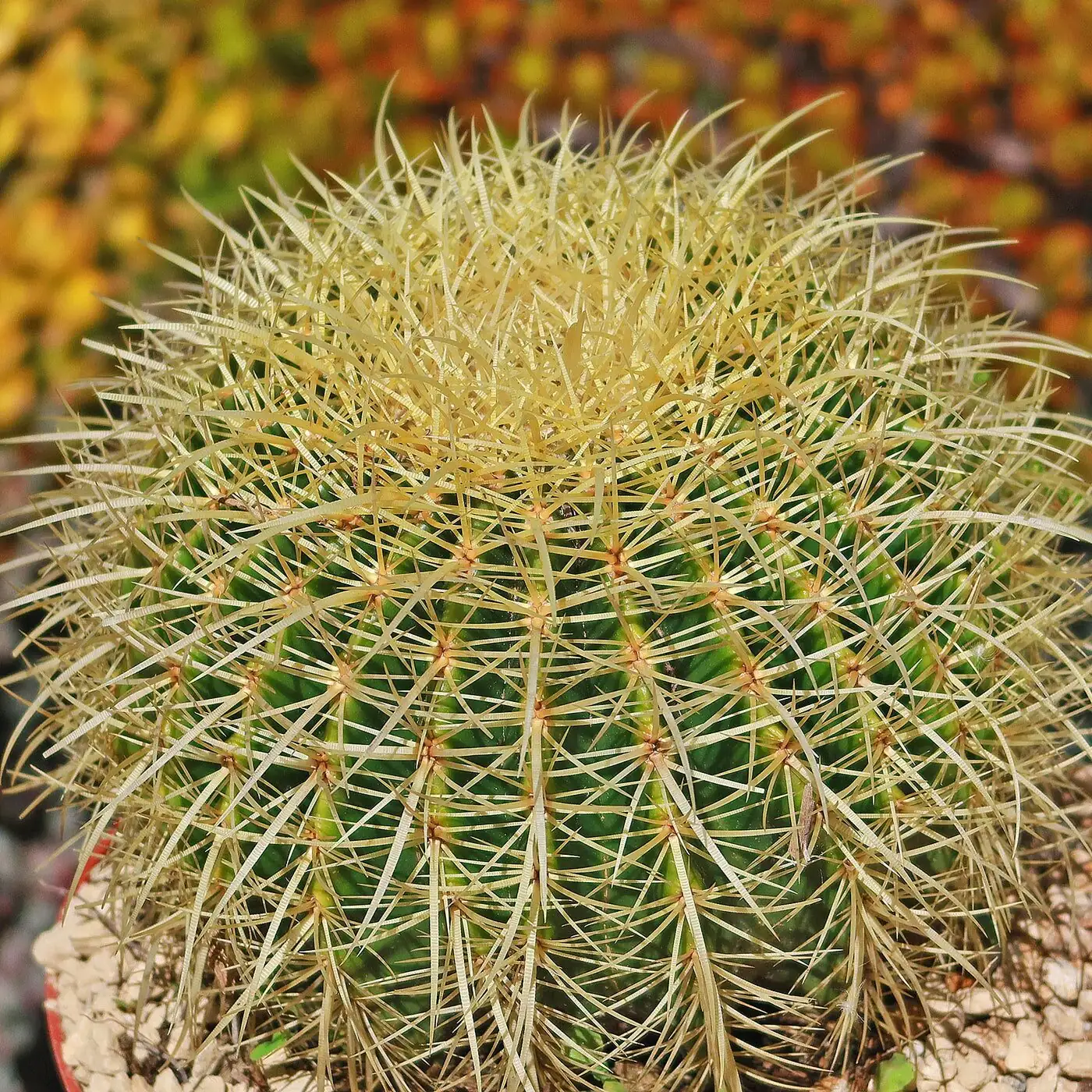
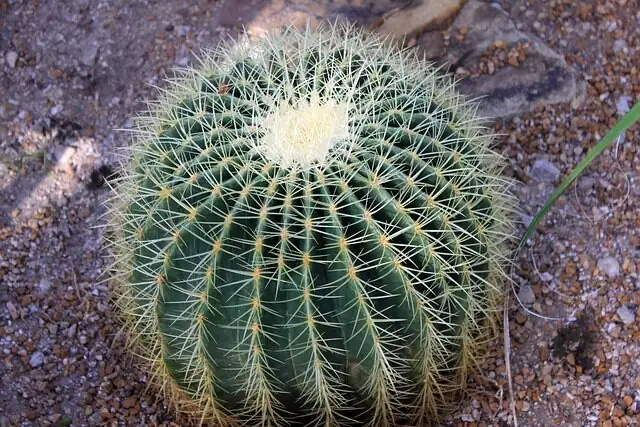
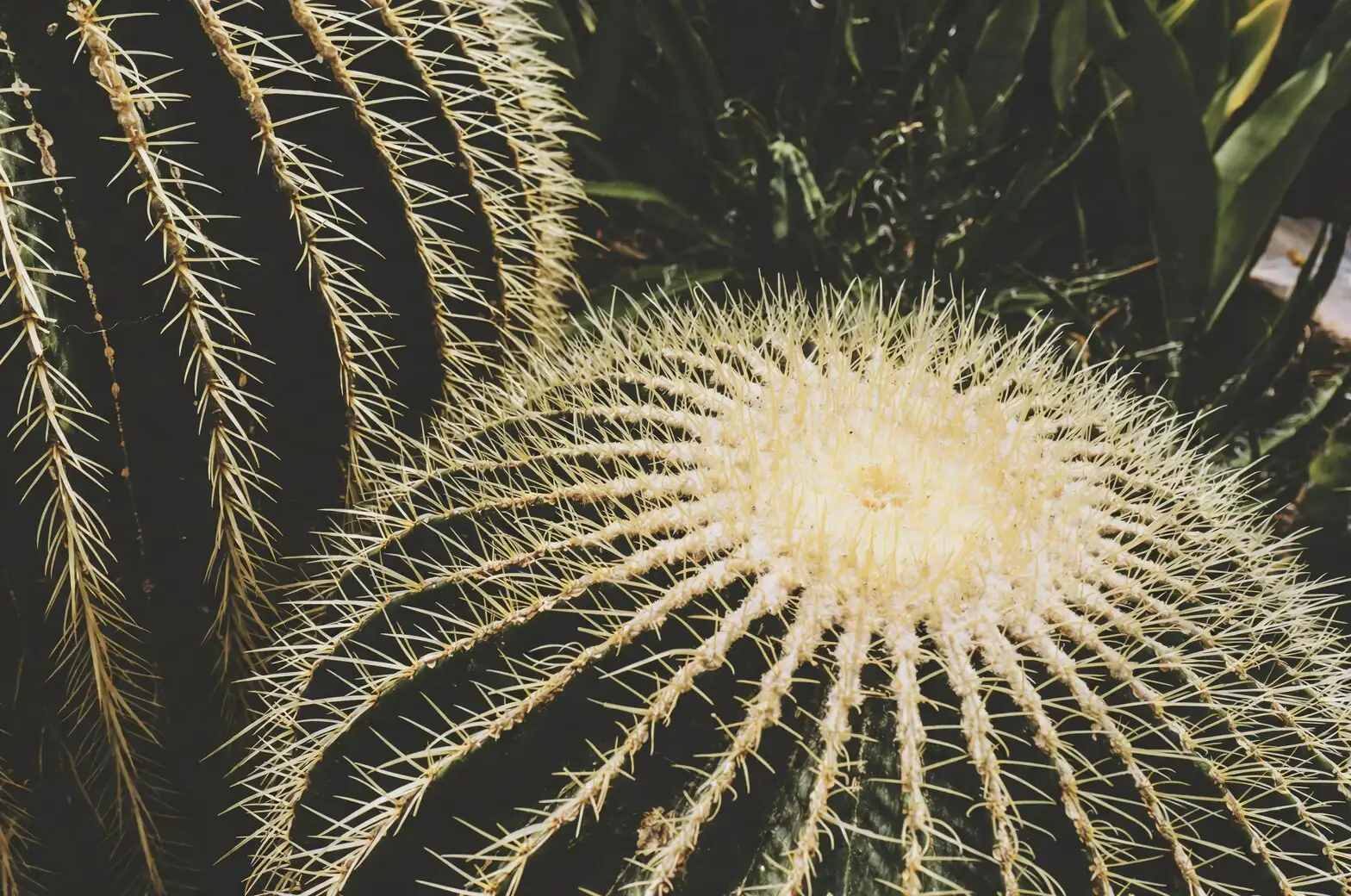
- Look: A bright green, ribbed globe wrapped in dense, golden‑yellow spines; older plants may produce offsets (“pups”) and eventually clump.
- Size: Over time, the plant body can reach about 30–90 cm (12–35 in) tall and wide. In pots, you’ll commonly see containers 12–40 cm (4.7–15.7 in) across.
- Flowers: Small yellow blooms may ring the crown of mature, well‑lit plants in summer.
- Vibe: Architectural, slow‑growing, and famously tough—often gifted as a symbol of resilience.
Light Made Simple: Bright to Full Sun (with Smart Acclimation)
- Indoors: A south‑ or bright east‑facing window is ideal. Bright light to full sun keeps growth tight and spines richly golden.
- Outdoors: Full sun is great in frost‑free climates (roughly USDA 10–11). Behind glass on scorching midsummer afternoons, brief light shade can prevent scorch.
Signs it wants more light:
- Spines look dull or less golden
- Body elongates or leans toward the window (stretching)
Signs it needs a touch less:
- Sudden pale patches, bleached skin, or brown scorch after a big jump in light
A 2‑Week Sun‑Strength Acclimation Plan
- Days 1–3: Bright indirect light or gentle morning sun only.
- Days 4–7: Add 1–2 hours of direct morning sun.
- Days 8–10: Extend to 3–4 hours; avoid harsh midday glass‑magnified sun.
- Days 11–14: Move toward full sun if no scorch appears. In very intense climates, keep light midday shade during heatwaves.
Consistency note: Don’t backslide into dim corners; prolonged low light dulls spine color and stretches growth.
Watering Without Worry: The Dry‑Then‑Soak Habit
Golden rule: Water thoroughly only after the mix has dried out well. Then drain completely. Never let the pot sit in water, and try not to wet the crown/body.
Seasonal rhythm (adjust to your light, temperature, and pot size):
- Spring: About every 2 weeks in many homes.
- Summer (active growth/flowering potential): Often about once per week in warm, very bright conditions.
- Autumn: Taper off as days shorten and growth slows.
- Winter: Keep almost completely dry. If kept cool, you can stop watering until warmth and light return.
How to check dryness:
- Use a wooden skewer/chopstick; if it comes out clean and dry, it’s time.
- Lift the pot—surprisingly light usually means dry.
- Look, don’t guess: compact, gritty mixes dry faster than peat‑heavy soils.
How to water:
- Water the soil thoroughly until you see runoff, then empty saucers.
- Avoid pouring into the crown where water can sit and trigger rot.
Soil and Pot Setup: Gritty and Fast‑Draining
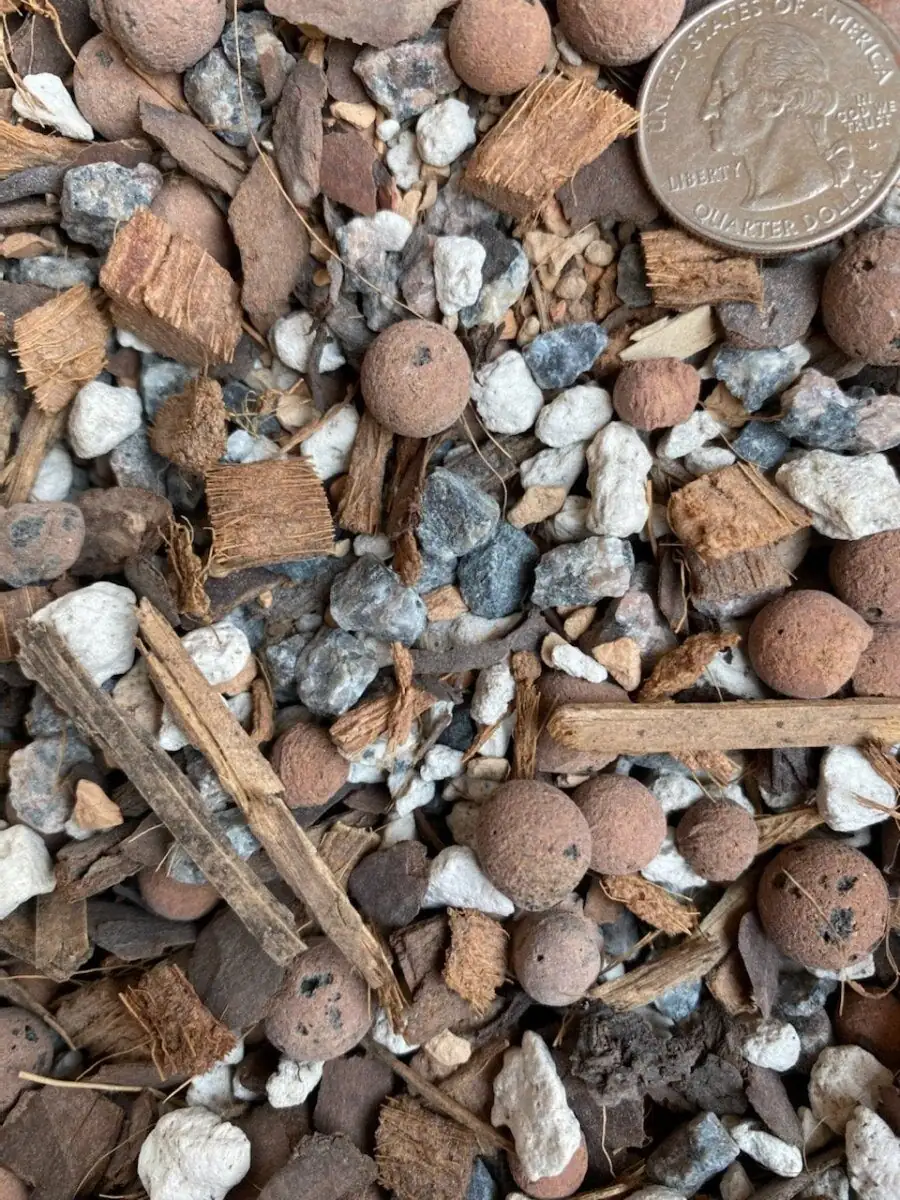
- Goal: A very free‑draining cactus mix that never stays soggy.
- Simple recipe: Loam‑based potting soil or loamy garden soil + a small portion of leaf mold/compost, amended heavily with coarse sand or grit. Avoid heavy, water‑retentive mixes. If you add organic richness (even well‑aged manure), do so sparingly.
- Pot choice: Always use a pot with large drainage holes. A heavier pot helps prevent tipping as the globe grows.
Repotting:
- Every ~2 years in spring or when rootbound.
- Size to the root system (don’t jump too large).
- After repotting, keep dry for several days so any root nicks can callus before the first watering.
Temperature, Air, and Humidity
- Best growth: 13–24°C (55–75°F). Nights around 10–13°C (50–55°F) are fine during active growth.
- Winter minimum: Keep above about 8°C (46°F). Protect from frost.
- Air: Prefers dry air and good ventilation. Normal indoor humidity is fine. If the room is extremely dry, lightly mist the surrounding air (not the plant body) and keep air moving to prevent rot.
A Year With Your Golden Barrel: Easy Season‑By‑Season
- Spring
- Gradually increase watering.
- Start monthly feeding (half‑strength cactus fertilizer or low‑nitrogen, e.g., 15‑15‑30).
- Repot if needed; maximize light.
- Summer
- Water more regularly but only after the mix dries.
- Provide brief, light shade during extreme heat or right after moving into stronger sun.
- Ensure airflow; this is prime time for flowers on mature plants.
- Autumn
- Taper watering; stop feeding as growth slows.
- Winter
- Keep bright, cool, and dry. If cool, don’t water until spring warmth returns.
- Protect from cold drafts and frost.
Indoors vs. Outdoors: Placement Notes
- Indoors: Sunny windowsill, sunroom, or bright office. Rotate the pot a quarter‑turn every few weeks to keep symmetry.
- Outdoors (frost‑free climates 10–11): Full sun with excellent drainage. On glassed‑in porches, watch for midday scorch behind windows; offer light shade if needed.
Feeding: Small Doses, Big Results
- Growing season: Feed about once per month at half strength with a cactus fertilizer or a low‑nitrogen mix.
- Winter: Do not fertilize.
Propagation and Shaping
- Offsets: Some plants produce pups over time. Detach when 1–2 cm (0.4–0.8 in) across, let the cut callus, then root in a gritty medium. Warm conditions often root in 20–30 days.
- Seed: Best around 20–24°C (68–75°F). Sow on the surface with a thin cover; many germinate in ~20–25 days.
- Grafting: Common May–July; unions typically heal in 3–4 weeks.
- Pruning: Rarely needed. Remove offsets to preserve a perfect globe or to propagate. Trim overly long/damaged roots during repotting and let cuts dry before watering.
Troubleshooting: Quick Fixes
- Spines turning dull or less golden: Needs stronger light. Brighten the spot and acclimate gradually.
- Plant stretching/leaning: Insufficient light; move closer to the sun and rotate periodically.
- Pale/brown patches on sun‑side: Sun scorch from abrupt exposure—back off to gentler light, then re‑acclimate.
- Mushy tissue or sour smell: Overwatering/rot. Unpot, remove affected tissue, keep drier, ensure gritty drainage, and consider a suitable fungicide.
- Pests (spider mites, mealybugs, scale): Isolate and treat with insecticidal soap or horticultural oil; improve airflow and light.
Safety
Not poisonous, but the spines are serious. Handle with thick gloves, folded newspaper, or tongs, and position out of reach of kids and pets.
Symbolism and “Flower Language”
Golden Barrel is widely gifted as a symbol of resilience, endurance, and protective strength—its armored symmetry suggests steadfastness. While “flower language” traditions vary by culture, the cactus’s meaning likely grew from its long life, drought tolerance, and imposing spines: beauty with boundaries. It’s a fitting desk companion for anyone building patience and grit.
FAQs
- Why are the spines turning dull, darker, or less golden?
- Usually not enough light. Increase brightness and acclimate to stronger sun. During extreme midsummer heat, brief light shade prevents scorch, but avoid long periods of shade that cause stretching.
- How do I choose a healthy plant, and what do I do after bringing it home?
- Pick a firm, symmetrical specimen with dense golden spines; avoid soft spots, pests, and severely stretched plants. Place it in a bright, airy spot right away (south or east window is ideal). Acclimate to intense sun over 1–2 weeks. Water only after the mix dries well; keep it dry in winter if it’s cool.
- Can it be grown in water (hydroponically)?
- Possible but riskier. Clean soil from roots, stabilize the plant, keep roughly half the roots in water, and change water weekly in summer and monthly in winter. Clean the container, gently rinse roots, add a small amount of nutrient solution during changes, and watch closely for rot.
Advanced: Hydroponic Experiment (Optional)
- Rinse off all soil and secure the plant so spines don’t tip it.
- Keep about half the roots submerged; aeration and hygiene are critical.
- Summer: change water weekly; Winter: monthly. Rinse roots and clean the vessel each change.
- Add a small dose of nutrient solution at changes.
- Monitor closely—rot risk is higher than in gritty soil.
Your 5‑Minute Weekly Habit Checklist
- Light: Confirm 6+ hours of strong light; rotate the pot a quarter turn.
- Water: Test the mix. Only water after it’s dried well; then soak and drain.
- Air: Ensure good airflow; avoid stagnant corners.
- Cleanliness: Keep the crown dry; empty saucers; check for pests.
- Seasonal tweak: In summer, consider a touch of midday shade behind glass; in winter, stay bright and almost completely dry.
Treat these steps like brushing your teeth—small, regular actions that keep your Golden Barrel glowing for decades. Keep it bright, keep it dry between drinks, and let that perfect geometry do the rest.