

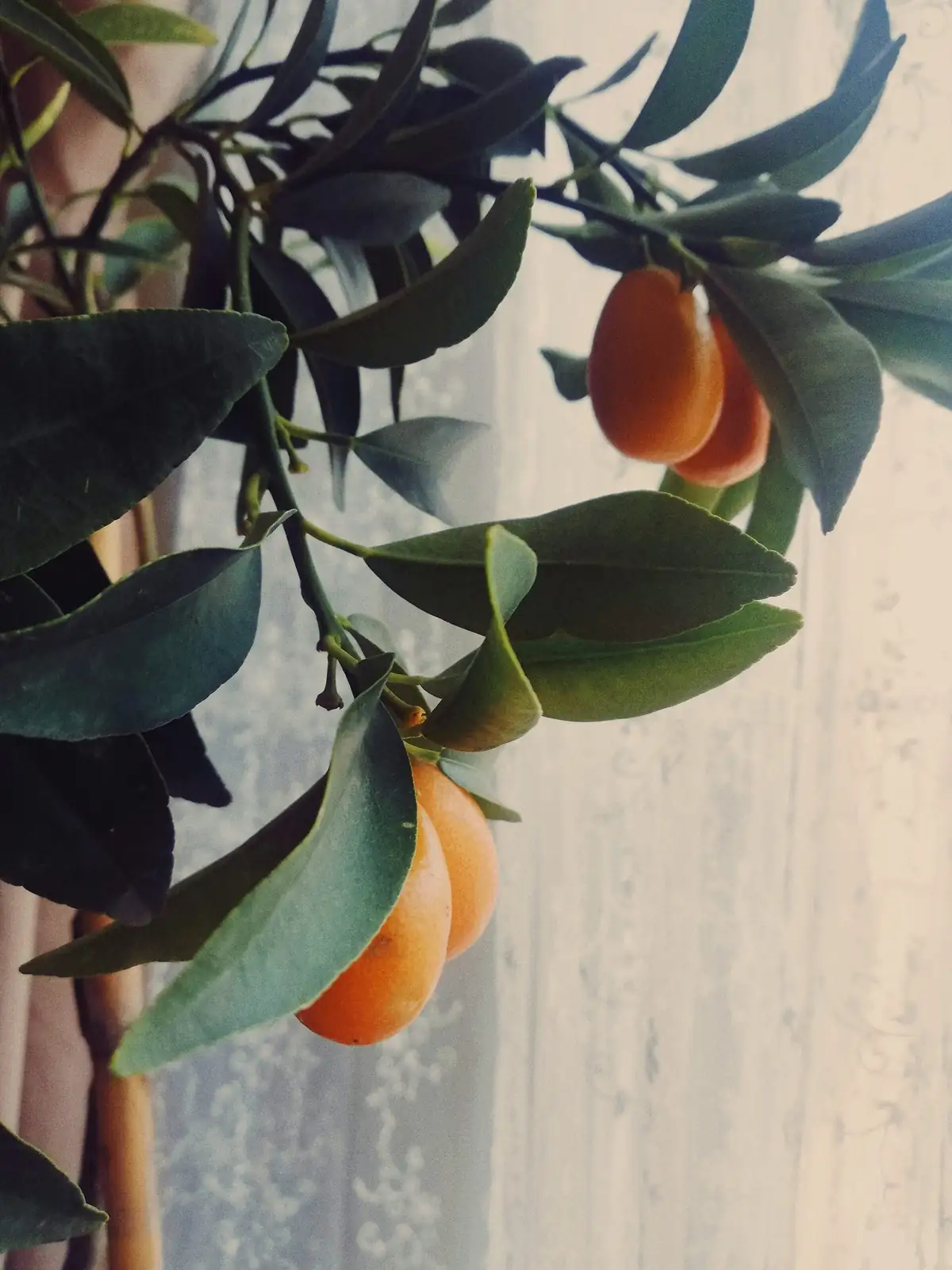
Picture a glossy, fruit-laden kumquat on your balcony or by a bright window—golden, festive, and buzzing with tiny pollinators. Now imagine a smart understory of herbs and low blooms that keep beneficial insects nearby, help discourage mites and scale, and look terrific while they’re at it. With Citrus japonica, the right companions and a little airflow choreography turn a single potted tree into a thriving mini-ecosystem.
Know Your Kumquat, Then Build Around It
- Light: Bright light to full sun for best fruiting. In very hot summers, buffer harsh midday rays to protect leaves and young fruits from scorch.
- Temperature: Loves warmth; protect from frost. Overwinter above 7°C/45°F.
- Humidity: Enjoys moderately humid air, especially while flowering and holding fruit—but keep foliage dry late in the day to avoid disease.
- Watering rhythm: Keep soil evenly moist in active growth and fruiting; avoid bone-dry to sodden swings that trigger fruit drop. A brief, controlled dry-down in early summer can encourage flower-bud formation, then resume normal watering as buds swell.
- Indoors: Hand-pollination improves fruit set if bees can’t visit.
These needs point to companions that:
1) Attract and feed pollinators and beneficial insects.
2) Don’t crowd roots or block light.
3) Support airflow and dryness of foliage.
4) Help deter mites/scale as part of integrated care.
Companion Goals Around Citrus japonica
Pollinator Magnets (Outdoor Balconies/Patios)
Choose compact, nectar-rich plants that bloom through warm months without shading your kumquat’s canopy:
- Sweet alyssum (Lobularia maritima): A long-blooming, honey-scented edge that draws hoverflies and tiny bees.
- Dwarf calendula and signet marigold (Tagetes tenuifolia): Cheerful color, edible petals, and steady nectar.
- Compact salvias (e.g., Salvia ‘Hot Lips’ types or low-growing varieties): Hummingbird and bee favorites.
- Globe basil and spicy globe basil: Aromatic, bee-luring, and tidy. Pinch to keep them domed.
- Creeping thyme or lemon thyme: A low, sun-loving carpet with small flowers bees adore.
- Chives and garlic chives: Umbel blooms attract hoverflies and parasitic wasps that help keep sap-suckers in check.
- Pentas and dwarf verbena: Butterfly-friendly and heat resilient.
Tip: If your kumquat summers outdoors and winters inside, grow pollinator companions in separate, lighter pots you can shuffle seasonally without disturbing kumquat roots.
Allies Against Mites and Scale
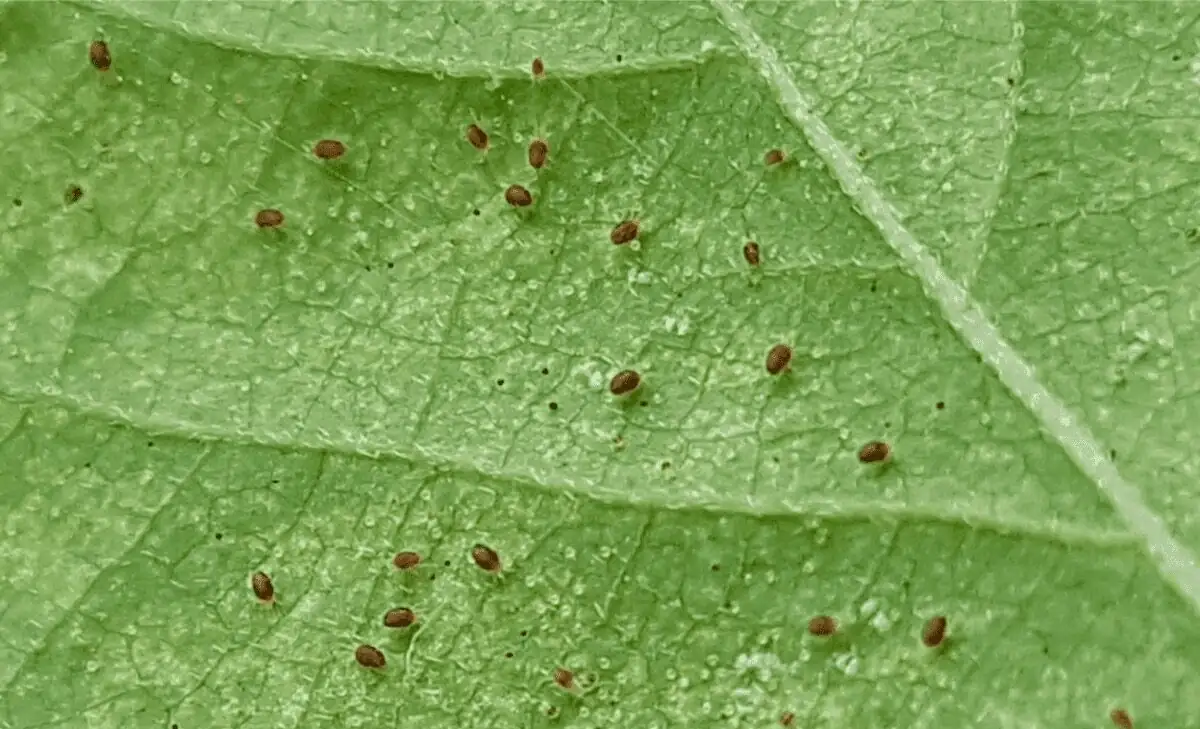
No plant totally “repels” these pests, but certain companions support a natural defense network while cultural habits do the heavy lifting.
- Beneficial-insect support
- Sweet alyssum, dill, parsley, coriander/cilantro allowed to flower: Provide nectar/pollen for hoverflies, lacewings, and parasitoid wasps whose larvae hunt soft-bodied pests and scale crawlers.
- Aromatic herbs to confuse and discourage
- Rosemary, lavender, thyme, sage: Their volatile oils can help make your planting less attractive to mites and other sap-suckers while thriving in the same sunny, lean conditions.
- Mints (peppermint, spearmint): Keep them in their own pot; their aroma can discourage mites in tight container courts. Position downwind so scent wafts through.
- Cultural musts (more effective than any single plant)
- Keep air moving through the canopy.
- Avoid dusty, hot, bone-dry conditions (prime spider-mite weather).
- Control ants (they farm scale/aphids). Use ant baits near pot feet and keep pathways clean.
- At first sign of pests, treat promptly with horticultural oil or insecticidal soap and repeat as labeled; escalate only for severe cases.
Understory Ideas For the Kumquat Pot (Without Cramping Roots)
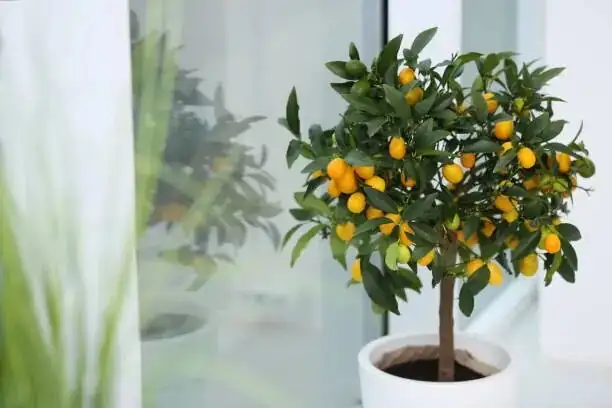
Underplant sparingly and shallowly. Choose low, fine-textured plants that won’t hog water or shade fruiting wood. Keep all underplantings away from the trunk and graft union; leave 2–3 cm of bare surface for easy watering and inspection.
- Sunny Mediterranean “skirt”
- Creeping thyme + sweet alyssum + a ring of signet marigolds
- Why it works: All love heat and bright light, stay low, and lure pollinators/beneficials.
- Citrus & kitchen mini-garden (for large containers)
- Globe basil at three compass points + a tuft of chives
- Why it works: Compact, edible, nectar-rich. Pinch basil to keep it tight and avoid shading.
- Silver-and-scented guard
- Dwarf lavender (very compact variety) near the rim + a scatter of thyme
- Why it works: Excellent airflow, drought-tolerant, and subtly discouraging to sap-suckers.
Rotation note: Swap understory plants seasonally (cool-season alyssum vs. warm-season basil) to avoid competition during the kumquat’s main display and fruit enlargement. If your kumquat is in a modest 20–25 cm (8–10 in) pot, consider placing companions in adjacent pots instead of the same container.
Airflow, Light, and Humidity: Choreograph the Microclimate
How to Group Pots for “Juicy-Air” Humidity—Without Inviting Disease
- The triangle cluster
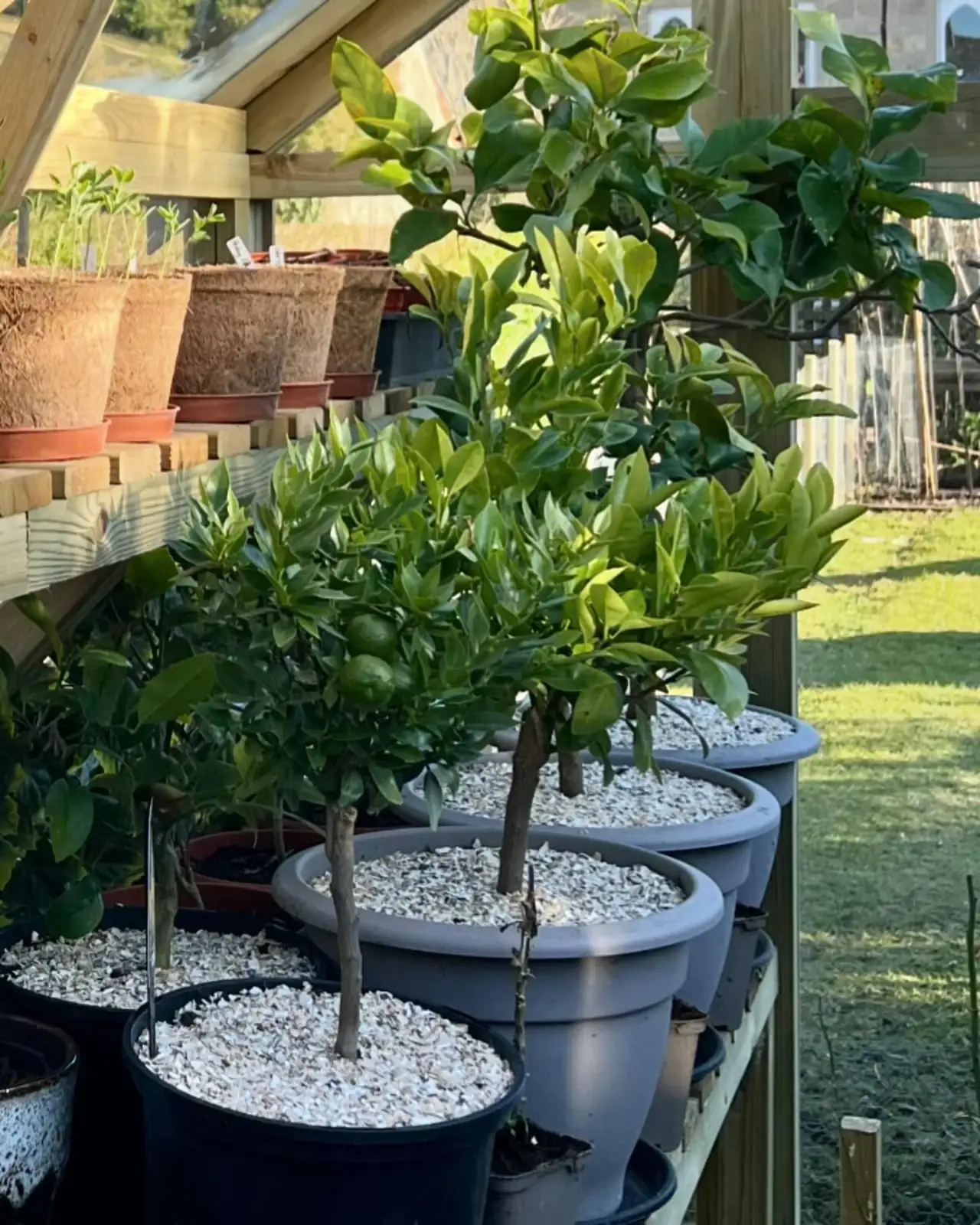
- Place kumquat slightly windward or outermost, with two lower companions offset behind it. This captures a touch of humidity between pots while keeping breezes moving through citrus leaves.
- The “no-touch” rule
- Leaves should never touch neighboring plants. Aim for 10–20 cm (4–8 in) of air between canopies.
- Vertical tiers
- Use low risers or stands to stagger heights. Keep the kumquat canopy higher than most companions to maximize sun and airflow.
- Pebble trays, not shared saucers
- Elevate containers on separate pebble trays; water evaporates to lift local humidity, but pots never sit in water and pathogens don’t spread via a common pool.
- Morning water, dry evenings
- Water early so any incidental splash dries fast. Avoid late-day misting; keep foliage dry toward nightfall.
- Gentle movement
- Outdoors: Position where light breezes comb through. Indoors: a small fan on low, oscillating to create leaf tremble, not flapping.
Indoors and Conservatories
- Place in the brightest east or south window, rotating the pot weekly so fruit and foliage color evenly.
- Use a humidity tray or group with other plants for a mild humidity boost, but keep gaps for airflow.
- Hand-pollinate blooms by dabbing from flower to flower with a clean, soft brush.
Three Plug-and-Play Container Recipes
1) The Balcony Bee Bar
- Kumquat as centerpiece in a 30–40 cm pot.
- Surrounding pots: sweet alyssum, globe basil, dwarf calendula.
- Benefits: Season-long nectar, easy pinching and grooming, friendly to hoverflies and small bees.
2) Mite-Minder Medley
- Kumquat + separate pots of rosemary, lavender, and peppermint (peppermint in its own contained pot).
- Benefits: Scented turbulence and excellent airflow; herbs appreciate the same sun, and the mix is easy to overwinter.
3) Compact Citrus Courtyard
- Large kumquat tub + creeping thyme tucked at the rim + a satellite pot of chives and dwarf salvia.
- Benefits: Understory stays low and airy; chive umbels and salvia spires draw beneficials right to the action.
Quick Care Beats That Make Companions Work
- Pruning for air and fruiting wood
- In early spring, shape your kumquat: maintain 3 strong framework branches, pinch shoots at ~20 cm, and again after 5–6 leaves to encourage branching and flower-bearing wood. Remove weak or out-of-season shoots.
- Feeding in step with the season
- Begin feeding as new growth starts; step up before bloom; during fruit sizing/color, use slightly higher phosphorus and potassium; stop feeding as fruits fully color.
- Watering discipline
- Steady moisture prevents fruit drop. In early summer, a brief, controlled dry-down can help set buds—then resume normal watering as buds swell.
- Disease hygiene
- Space plants, keep foliage dry late in the day, and promptly remove spotted or infected leaves/twigs. Where permitted, copper-based preventives are traditional for canker/scab; follow local labels.
Troubleshooting at a Glance
- Spider mites (stippling, fine webbing; worst in hot, dry, dusty spots)
- Rinse foliage early morning, then treat with horticultural oil or insecticidal soap; improve air movement and humidity; add peppermint/rosemary nearby and keep dust down.
- Scale (bumps on stems/leaves; sticky honeydew; ants marching)
- Control ants with baits; dab heavy clusters with alcohol on a cotton swab; follow with horticultural oil. Repeat as needed.
- Sudden fruit drop
- Check for dry–soak watering swings, heat stress, or low light. Keep moisture even, provide bright light, and buffer harsh midday sun in heatwaves.
- Leaf scorch or pale, stretched growth
- Too much midday intensity (scorch) or not enough light (stretch). Adjust position or provide light shade in extreme heat; aim for strong, steady light overall.
A Note on Symbolism (and Why It’s Worth Designing Around)
Kumquats are beloved for Lunar New Year displays—their clusters of golden fruit symbolize prosperity and good fortune. That festive glow is half the joy of growing Citrus japonica in containers. By pairing your plant with nectar-rich understory blooms and aromatic sentinels, you’re not just decorating—you’re building a small, resilient habitat that keeps fruits gleaming through autumn and winter.
Design for air, light, and gentle humidity; invite pollinators and beneficials; and keep maintenance crisp. Your kumquat will repay you with a tidy crown of glossy leaves, intoxicating blossoms, and a confetti of bright, edible fruit—sweet peel, tangy heart—right when you crave color most.