

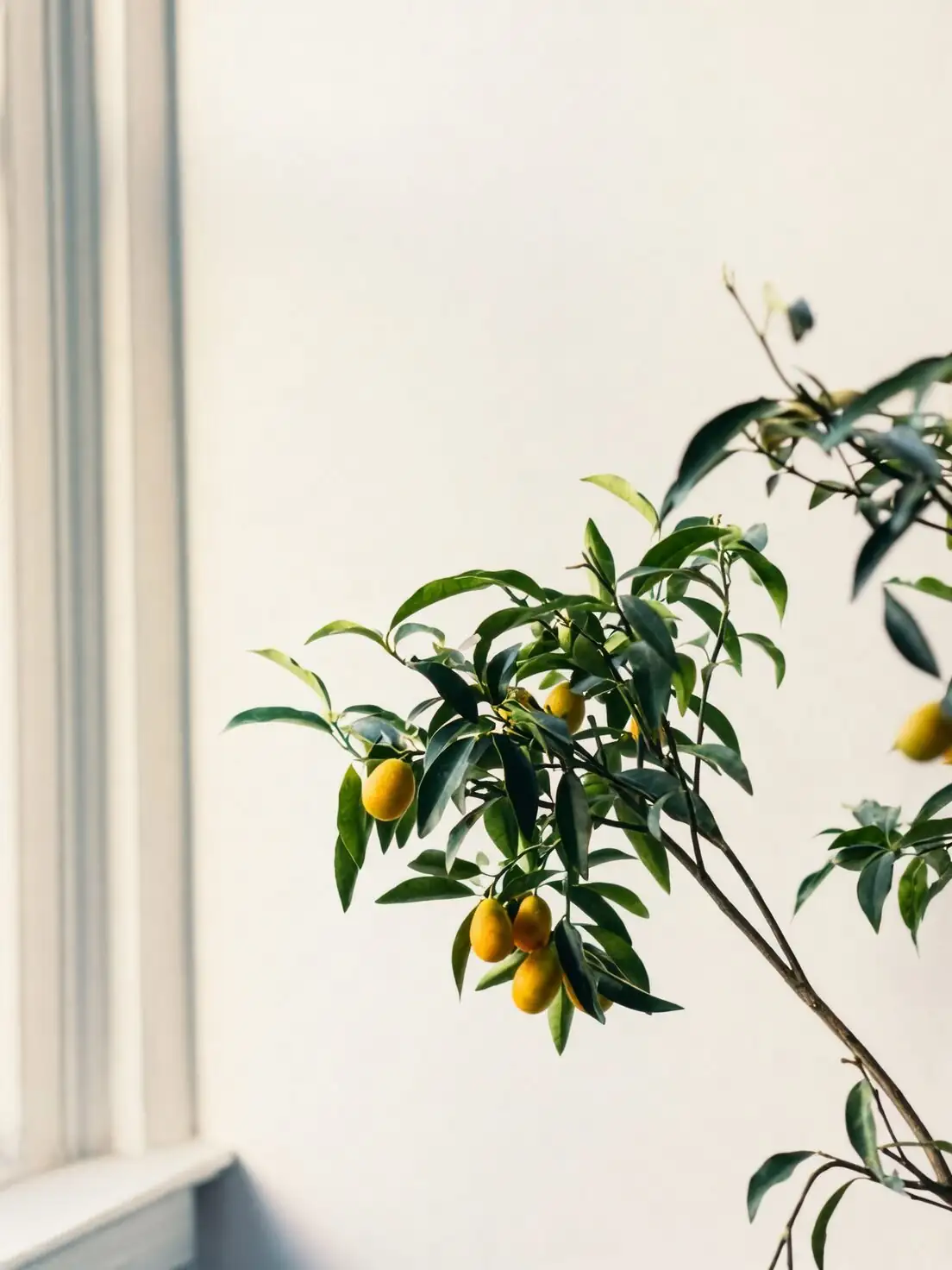
Imagine a compact evergreen crowned with glossy leaves and peppered with tiny, golden-orange lanterns—fruits that sweeten your doorway, balcony, or bright window just as the year turns festive. That’s Citrus japonica—kumquat—your cheerful, edible ornament. To keep those fruits shining year after year, follow this season-by-season checklist that blends smart pruning, precise watering, and perfectly timed feeding with simple tweaks to light and humidity.
Meet Citrus japonica (Kumquat), the gleaming pot citrus
- Origin: China; family Rutaceae; modernly treated as Citrus japonica (you’ll also see Fortunella in older references).
- Habit: Naturally bushy, evergreen, and very responsive to pruning and pinching—perfect for pots.
- Size: Typically kept 0.6–1.5 m (2–5 ft) in containers; many display plants sit in 20–25 cm (8–10 in) pots.
- Light and heat: Bright light to full sun with a touch of midday protection in heatwaves; happiest around 20–25°C (68–77°F).
- Winter safety: Keep above 7°C (45°F). Below freezing can cause damage; container plants are frost-tender.
- Edible charm: Thin, sweet peel with tangy flesh—most people eat them whole, peel and all.
—
Spring: prune, pinch, and reset the engine
Early spring (before the main growth flush) is your moment to shape next winter’s display.
Your spring checklist
- Repot (about every two years)
- Remove any lingering fruits first.
- Step up only one size if needed; kumquats prefer a snug—but not cramped—pot. Avoid oversized containers that stay wet.
- Use a fertile, airy, free-draining citrus mix (e.g., loam/compost with peat/coir and coarse sand).
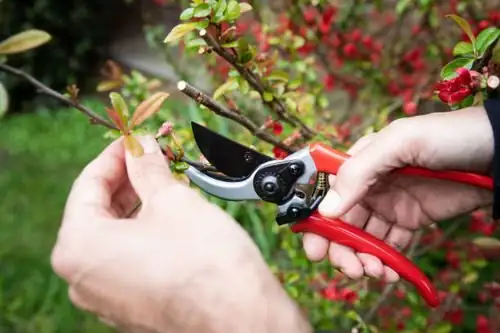
- Structural pruning
- Aim for ~3 strong framework branches.
- On each, retain 3–4 plump buds near the base to fuel sturdy, fruitful shoots.
- Remove dead, crossing, weak, or inward shoots.
- Pinching for compact, fruitful wood
- When new shoots reach ~20 cm (8 in), pinch the tips.
- Pinch again after a shoot carries 5–6 leaves to encourage branching and future flower spurs.
- Remove out-of-season autumn “water shoots” that sap energy.
- Water and feed, steadily
- Keep the root zone evenly moist—never soggy, never bone-dry.
- Begin feeding when buds break and new leaves start; every ~2 weeks with a quality citrus fertilizer. Feed after pruning/pinching.
- Placement and acclimation
- Indoors: brightest east- or south-facing window.
- Moving outside? Harden off gradually to avoid leaf scorch.
—
Early summer: the controlled dry-down for flower-bud formation
This is a classic kumquat grower’s trick to pivot the plant from leafy growth to bloom potential.
How to do a “short, controlled dry-down”
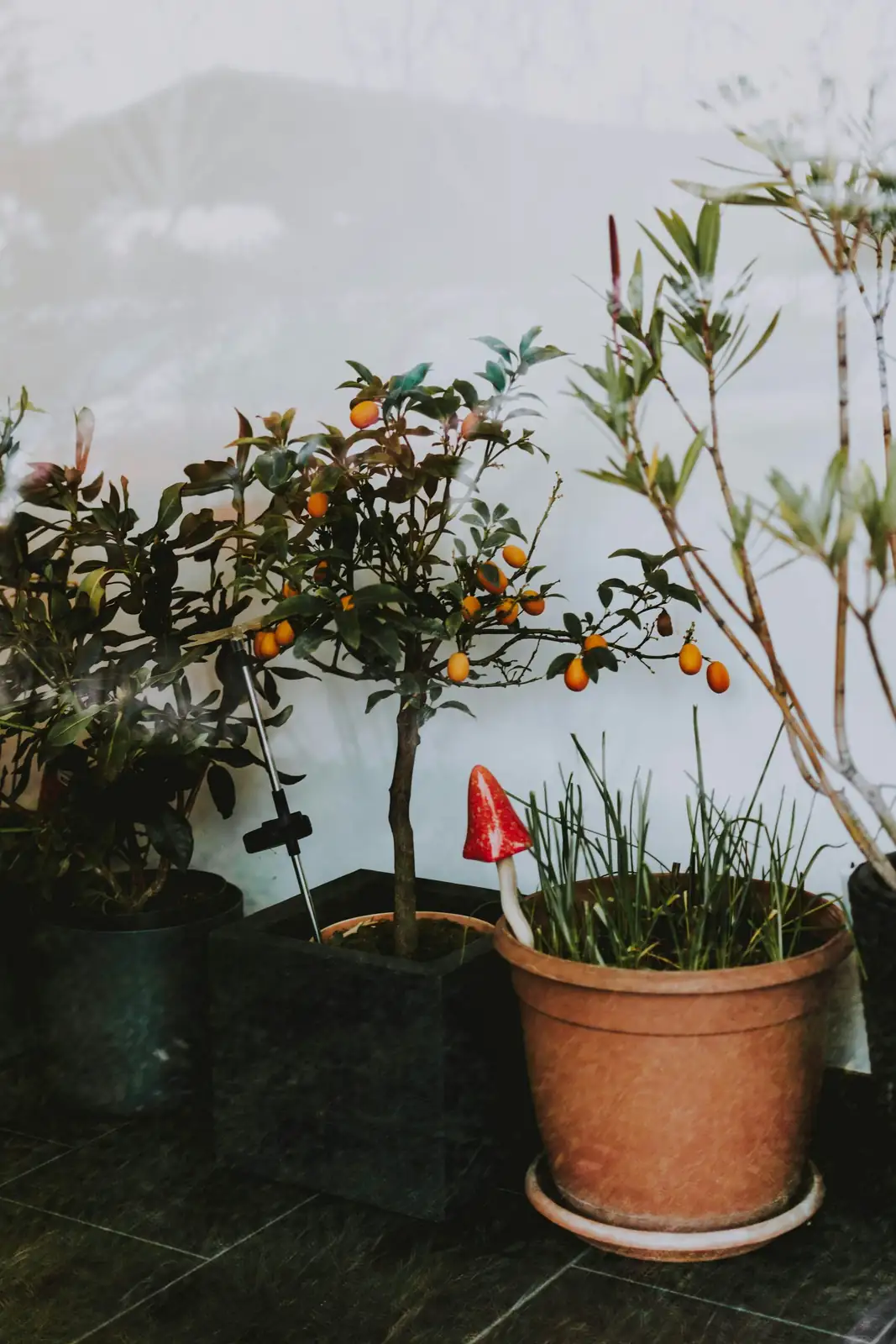
- Allow the potting mix to dry more deeply than usual—but not to the point of hard wilt or leaf drop.
- Practical cue: let the top several centimeters/inches dry and the pot feel distinctly lighter. A moisture meter can help you avoid guesswork.
- Maintain strong light, but protect from harsh midday sun in heatwaves.
- Watch for swelling, lightening buds (they look plumper and slightly paler). Once you see them:
- Resume normal, even watering.
- Keep humidity moderate and airflow good.
Bloom and set fruit

- Fragrant white blossoms often follow. Growing indoors? Hand-pollination can improve fruit set:
- On a dry morning, lightly brush between open flowers with a soft, clean artist’s brush.
—
Late summer to early autumn: pre-bloom feeding and the fruiting push
Think of this as loading the pantry just before the party.
Feeding strategy
- Give a stronger pre-bloom feed late summer into early autumn to support flowering and early fruit set.
- As fruits begin to enlarge, switch to a slightly higher phosphorus and potassium emphasis.
- Frequency: about every 10 days during fruit enlargement.
- Stop fertilizing once fruits reach full color and begin to ripen.
Watering rhythm
- Keep moisture consistent. Wide swings from too-dry to soaking wet commonly trigger fruit drop.
Canopy care
- Keep pinching light now—focus on stability and light penetration.
- Thin or support branch-heavy clusters if needed to prevent stress or splitting.
—
Autumn: boost humidity and color evenly
The show is on—your goal is glossy foliage and steady, stress-free ripening.
Humidity and stability
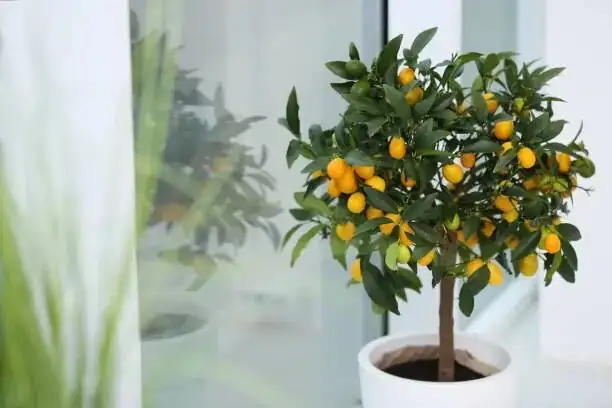
- Raise ambient humidity, especially indoors:
- Use a pebble tray with water (pot sits above waterline), and mist lightly in the mornings if air is very dry.
- Keep moisture even and avoid cold, wet soil.
- Rotate the pot weekly for uniform fruit color.
- Light: the brightest safe spot you have. Morning sun is gold; shield from extreme midday scorch during heat spikes.
—
Winter: light and temperature targets to keep fruits shining
Winter is display season. Prioritize light and gentle, steady conditions.
Your winter targets
- Light
- East or south window is ideal. Consider a supplemental LED if light is weak (aim for bright days).
- Temperature
- Keep above 7°C (45°F). Avoid cold drafts and sudden temperature swings.
- Water
- Keep slightly drier than in active growth, but never let the root ball turn to dust. Avoid cold, waterlogged media.
- Feeding
- Pause fertilizers once fruits are fully colored and ripening.
- Clean and check
- Wipe leaves with a damp cloth for shine and better photosynthesis.
- Scout weekly for spider mites and scale. Treat early with horticultural oil or insecticidal soap; repeat as labeled.
—
Watering, at a glance (season by season)
- Spring: steady, even moisture as growth starts.
- Early summer: brief, controlled dry-down to cue flower buds; then return to even watering as buds swell.
- Late summer–autumn: keep moisture consistent—no dramatic dry/wet swings.
- Winter: slightly drier, bright light, and strictly avoid cold, soggy soil.
—
Sunlight and placement, simplified
- Best fruiting = strong sun. An east- or south-facing window, balcony, patio, or conservatory is ideal.
- In very hot weather, shade lightly at midday to prevent leaf and young fruit scorch.
- Outdoors in mild climates (roughly USDA 9–11): shelter from frost and cold winds. In colder regions, overwinter indoors or in a frost-free greenhouse.
—
Troubleshooting fruit drop and leaf issues
- Sudden fruit drop
- Usual culprits: dry/wet swings, low light, temperature shocks, or root stress from repotting at the wrong time.
- Fix: stabilize watering, improve light, avoid abrupt moves, and repot only in early spring.
- Leaf yellowing
- Overwatering or poor drainage is common—refresh mix to a free-draining citrus blend.
- Check for pests; treat promptly.
- Scorch or puckered leaves
- Too-intense midday sun in heatwaves. Provide brief midday protection.
- Poor fruit set indoors
- Hand-pollinate and increase light. Keep moderate humidity and avoid misting open flowers late in the day.
—
Pests and diseases: stay ahead
- Pests: spider mites, scale. Treat early with horticultural oil or insecticidal soap; repeat as needed. Escalate to a labeled insecticide only for severe cases.
- Diseases: citrus canker and scab. Encourage airflow, remove infected parts, avoid late-day wet foliage. Where permitted, copper-based preventives (e.g., Bordeaux mixture) are traditional—use only as locally allowed and labeled.
—
Training, grafting, and repotting notes
- Shape: maintain ~3 framework branches; periodic pinching builds a compact, fruiting canopy.
- Repot: about every 2 years in early spring after removing any remaining fruits. Keep as much of the root ball intact as possible—especially after a successful graft.
- Grafting windows (for enthusiasts)
- March–April: cleft/branch grafting
- June: approach grafting
- June–September: bud grafting
- Cultivar tips: you’ll see names like Nagami (Oval Kumquat). Grafted plants fruit earlier and hold desired traits reliably.
—
Symbolism—and a quick word on “flower language”
Golden kumquats ripening from autumn into winter have long symbolized prosperity and good fortune in Chinese New Year traditions, which is why potted kumquats are seasonal market stars. As for the so‑called “flower language” or floriography, treat it as cultural poetry rather than botany: the plant’s gleaming, coin‑like fruits and evergreen vigor inspired its auspicious meanings—it’s a human story we project onto a hardy, luminous little tree.
—
Year-at-a-glance checklist
- Early spring
- Remove any lingering fruit; repot if due.
- Prune structure; pinch early shoots; start feeding every ~2 weeks.
- Spring
- Keep moisture steady; increase light; harden off if moving outdoors.
- Early summer
- Short, controlled dry-down to encourage flower-bud formation.
- Resume even watering as buds swell; protect from harsh midday sun.
- Late summer–early autumn
- Stronger pre-bloom feeding; then feed about every 10 days as fruits enlarge (higher P/K).
- Autumn–winter (main display)
- High light, stable moisture, boosted humidity.
- Stop feeding as fruits fully color and ripen.
- Keep above 7°C (45°F); avoid cold, wet soil and drafts.
—
Quick buyer’s tip and annual-fruiting formula
- How to choose a plant
- Look for a well-shaped canopy with evenly distributed, plump, brightly colored fruits. Skip plants that look freshly potted in loose, new mix; they often shed leaves and fruit soon after purchase.
- How to get fruit every year
- Prune and pinch in spring; use a brief early‑summer dry‑down to set buds; hand‑pollinate indoors; feed on schedule (pre‑bloom boost, then higher P/K during enlargement); and keep watering consistent through autumn—no dramatic dry/wet swings. Give strong light with a touch of midday protection in heat, and keep winter conditions bright, slightly drier, and above 7°C (45°F).
With this rhythm, your kumquat becomes a dependable calendar in a pot: spring’s tidy pruning, summer’s nudge into bloom, autumn’s glossy color-up, and winter’s bright, edible ornaments—year after shining year.