

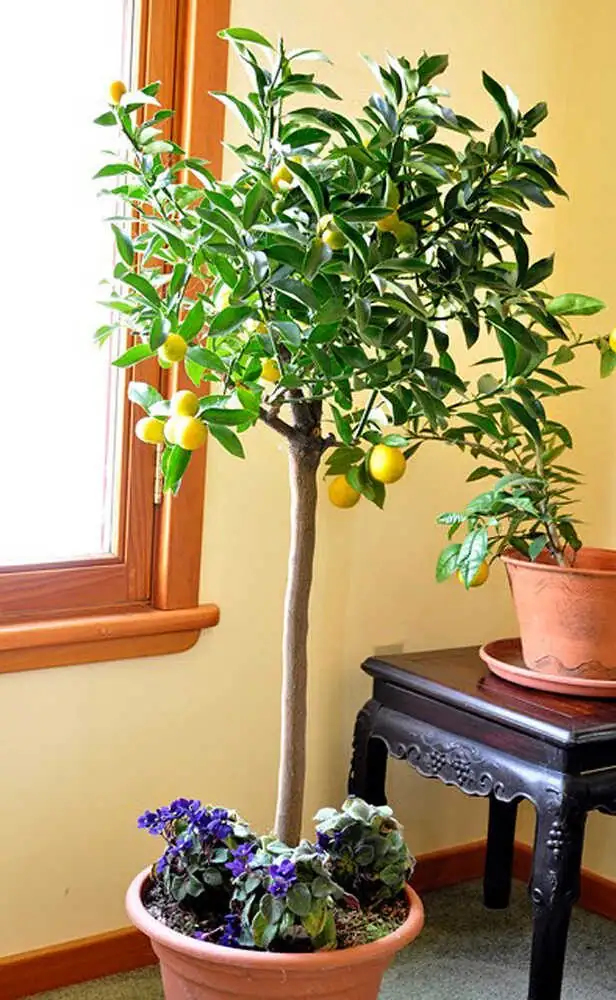
Think of your kumquat (Citrus japonica) as a tiny evergreen orchestra: glossy leaves as strings, starry blossoms as woodwinds, and those lantern-bright fruits as the brass that steals the winter show. When a section slips out of tune—yellowing leaves, fruit drop, or leaf scorch—it’s your cue to conduct. Here’s your friendly, field-tested troubleshooting playbook to keep the music playing all winter, while smartly tackling spider mites, scale, citrus scab, and citrus canker without sacrificing the festive display.
Meet your plant, briefly
- What it loves: Bright light to full sun, warm days (around 20–25°C / 68–77°F), and steady, never-soggy moisture in a free-draining citrus mix.
- Winter rule: Keep above 7°C (45°F). More light, slightly drier soil, and protection from drafts mean more fruits stay put and color beautifully.
- Seasonal rhythm: Flowers mostly spring to summer; fruits color and hold into autumn and winter (often through Lunar New Year). Indoors, hand pollination boosts fruit set.
—
Yellowing leaves, fruit drop, or scorch? Diagnose in minutes
1) Yellowing leaves (chlorosis)
First, note the pattern.
- Lower, older leaves yellowing evenly, plant otherwise vigorous
- Likely cause: Mild nutrient shortfall as the plant prioritizes fruit, or natural turnover.
- Fix:
- In active growth, feed a balanced citrus fertilizer regularly; as fruits size up, favor formulas higher in phosphorus and potassium.
- In winter display, stop feeding once fruits reach full color.
- Ensure strong light and avoid cold, wet soil.
- Mottled or stippled yellowing, fine webbing under leaves
- Likely cause: Spider mites.
- Fix: See “Spider mites” section below (oils/soaps, better humidity, repeat treatments).
- Yellowing with sticky leaves or sooty mold, bumpy “scales” on stems/leaf midribs
- Likely cause: Scale insects.
- Fix: See “Scale insects” section below.
- Sudden widespread yellowing after a cold snap or soggy pot
- Likely cause: Cold/wet root stress or poor drainage.
- Fix:
- Move to the brightest, coziest spot; keep above 7°C (45°F).
- Check pot drainage; never let the pot sit in saucer water.
- Water only when the top 2–3 cm (about an inch) is dry; avoid extremes.
- New leaves pale, plant in shade or far from window
- Likely cause: Insufficient light.
- Fix:
- Shift to an east or south window; add a grow light if needed.
- Indoors, rotate the pot weekly for even light.
2) Fruit drop (green or coloring fruit falling)
- The big three triggers:
- Moisture swings: Alternating bone-dry and sopping-wet soil.
- Temperature drafts/shocks: Cold nights, heater blasts, or frequent moves.
- Light dips: Short, dim winter days or a sudden move away from a bright window.
- Your steadying strategy:
- Keep moisture even—slightly drier in winter but never parched; avoid “feast or famine” watering.
- Maximize light (brightest window, sheer-curtain protection only if leaves scorch).
- Hold room temperature steady and shield from cold glass at night (pull pot 10–20 cm from window if it’s freezing outside).
- Stop fertilizing once fruit hits full color.
- Indoors, hand pollinate during bloom for better fruit set next cycle.
- After purchase, acclimate gently and avoid repotting until post-display (early spring).
3) Leaf scorch/sunburn
- Tell-tale signs: Crispy edges, bleached patches, especially after a midday heatwave or close glass exposure.
- Prevention:
- Provide bright light, but add a touch of midday protection in very hot weather (sheer curtain or shift a little back from glass).
- Don’t spray oils/soaps in direct sun or during heat spikes.
- Keep air moving but not drafty.
—
Spider mites: Spot, stop, and keep your fruit photo-ready
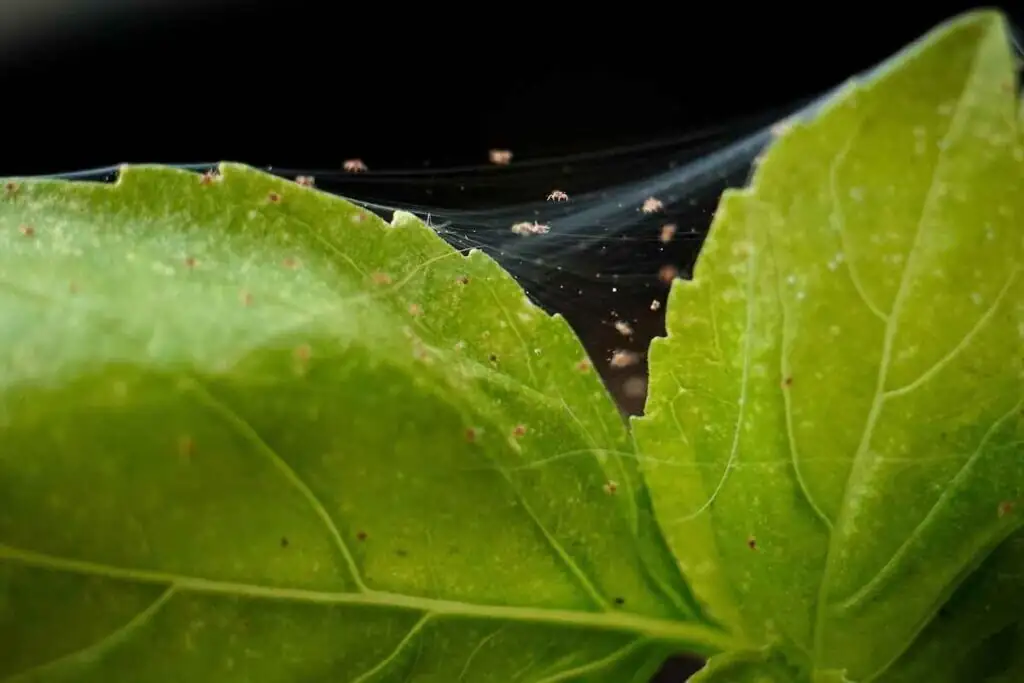
What you’ll see
- Fine stippling on leaves, pale or dusty look, tiny webs between leaves and stems—especially in dry indoor air.
Gentle, display-safe action plan
- Rinse and wipe
- Take the plant to the shower or outdoors on a mild day.
- Gently hose the undersides of leaves; let drip dry. Wipe leaf undersides with a soft, damp cloth.
- Raise humidity
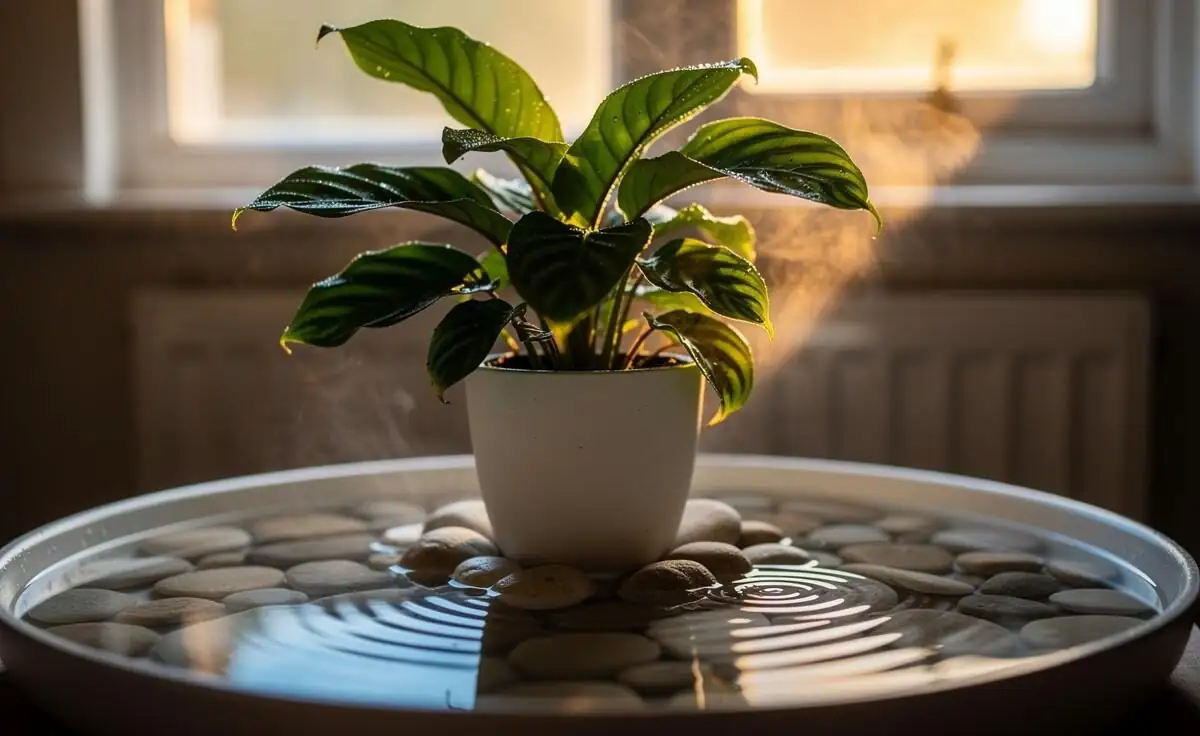
- Place the pot on a pebble tray with water below the potline.
- Lightly mist around (not soaking flowers) to make conditions less mite-friendly.
- Treat with insecticidal soap or horticultural oil (including neem oil)
- Thoroughly coat leaf undersides and stems.
- Timing matters: Spray in early morning or evening; never in direct hot sun or above ~29°C (85°F).
- Test on a small area first; some citrus can be sensitive. Avoid spraying open blooms.
- Repeat
- Reapply every 7–10 days for 3 cycles to catch hatching eggs.
- Keep leaves clean and dust-free to discourage reinfestation.
Pro tip for winter display: Wipe any visible residue off ripening fruits with a damp cloth after sprays dry, so they keep that glossy, gift-ready look.
—
Scale insects: Slow movers, sticky mess—here’s the fix
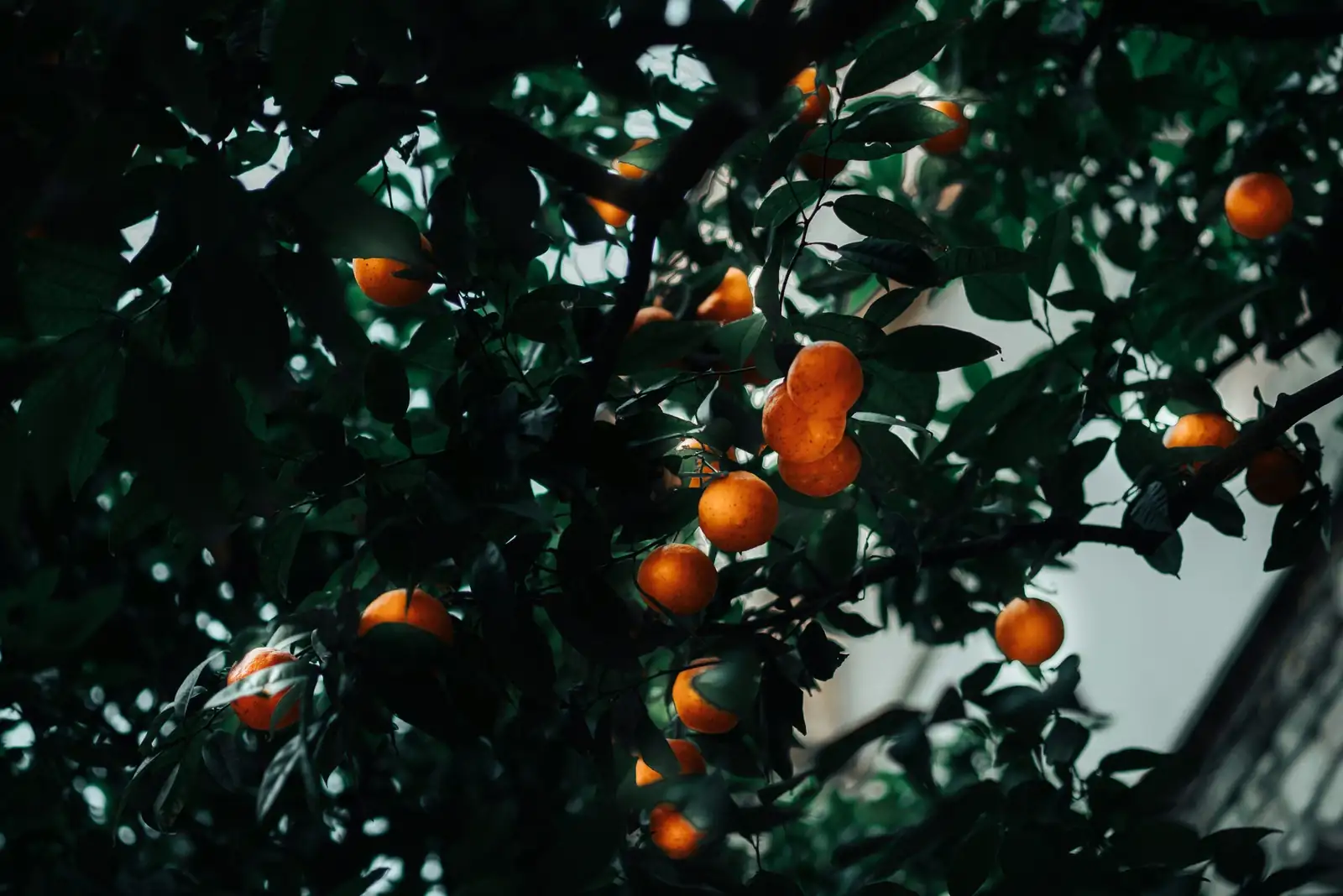
What you’ll see
- Dome-shaped or flattened bumps on stems and leaf midribs that don’t brush off easily; sticky honeydew; sometimes sooty mold.
Layered control that won’t wreck the show
- Manual clean-up
- Use a cotton swab dipped in soapy water to dislodge individual scales on stems and small twigs.
- Prune out heavily infested, non-fruiting twig tips (bag and bin them).
- Oil/soap coverage is crucial
- Apply horticultural oil or insecticidal soap to thoroughly wet stems, leaf midribs, and leaf undersides.
- Repeat every 7–10 days, 2–3 times; timing catches the mobile “crawler” stage.
- As with mites, avoid hot, sunny hours and test a small area first.
- Keep ants out
- If ants are tending scale for honeydew, manage ant access (clean up drips, keep pot benches tidy). Ant control supports lasting scale suppression.
Escalation: Only if infestations remain severe, consider a labeled insecticide and follow local guidelines. Most household-scale outbreaks yield to diligent oil/soap coverage plus sanitation.
—
Citrus scab and citrus canker: Sanitation first; copper where permitted
Citrus japonica can face two visually similar but distinct problems on foliage and fruit.
Citrus scab (fungal)
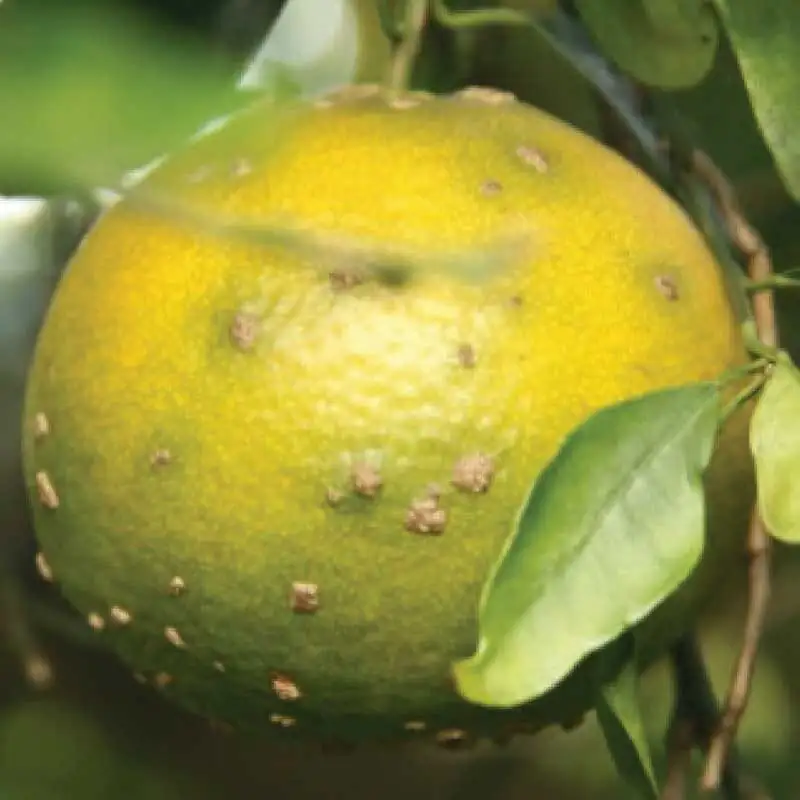
- Symptoms: Slightly raised, pinkish to grey-brown corky spots or warty patches on young leaves, twigs, and fruit that darken with age. Fruit is still edible but blemished.
- How it spreads: Splashing water and wind-driven rain.
- Playbook:
- Sanitation: Promptly remove and bin infected leaves/twigs/blemished fruit; never compost. Keep the canopy airy; avoid late-day overhead wetting.
- Preventive sprays where permitted: Copper-based sprays (e.g., Bordeaux mixture) can protect new flush and young fruit. Always follow the label and local regulations.
- Display saver: If spraying during fruit display is unavoidable, use the lightest effective coverage and wipe visible residue from colored fruit after it dries. When possible, time copper for post-display or early growth flushes to reduce visible residues.
Citrus canker (bacterial; regulated in many regions)
- Symptoms: Raised, corky lesions with a water-soaked edge and often a yellow halo on leaves/fruit; premature leaf and fruit drop in heavy infections.
- How it spreads: Wind-driven rain, wounds, contaminated tools, and movement of infected material.
- Playbook:
- Sanitation and containment: Prune out affected tissue well below lesions; bag and trash immediately. Disinfect tools between cuts.
- Cultural care: Improve airflow, shelter from storm-blown rain, and avoid wounding bark.
- Preventive copper where permitted: Follow all local restrictions and product labels; copper can help protect healthy tissues in at-risk periods.
- Important: In some areas, canker is reportable and movement-restricted—check local rules before transporting plants or clippings.
General disease hygiene
- Keep foliage dry in late day; water the soil, not the leaves.
- Clean up leaf litter and dropped fruit promptly.
- Space plants for airflow and prune overly dense interior twigs in early spring.
—
Your winter display, protected: A weekly checklist
- Light: Brightest window (east or south). Rotate a quarter turn weekly.
- Temperature: Above 7°C (45°F); avoid cold glass and heater blasts.
- Water: Check with a finger—water when the top 2–3 cm is dry; empty saucers.
- Humidity: Pebble tray/top-up; light morning mist around (not saturating leaves late day).
- Clean leaves: Dust or wipe to deter mites and keep the sheen.
- Scout: Flip a few leaves weekly—look for stippling, webbing, sticky honeydew, or scabby spots.
- Spot-treat early: Use soaps/oils small-scale first; keep sprays out of strong sun; wipe any residue from fruit once dry.
—
Seasonal tune-up (for next year’s bumper crop)
- Early spring (post-display): Remove lingering fruits, prune to maintain 3 strong framework branches, and repot if needed (about every 2 years) into fresh, free-draining citrus mix.
- Spring growth: Feed every ~2 weeks as new shoots start; pinch at ~20 cm to keep a compact canopy.
- Early summer: Use a brief, controlled dry-down to encourage flower-bud formation; resume normal watering once buds swell and lighten.
- Late summer to early autumn: Boost feeding before bloom and during fruit sizing with higher P/K; then stop as fruits fully color.
- Indoors at bloom: Hand pollinate to boost set (a soft brush from flower to flower).
—
Quick reference: When to choose soaps, oils, and copper
- Insecticidal soap
- Best for: Soft-bodied pests (mites’ mobile stages, crawlers, aphids).
- Pros: Minimal residue, gentle on displays when spot-applied.
- Caution: Test first; can burn if overconcentrated or in sun.
- Horticultural oil (including neem)
- Best for: Mites, scale (especially smothering overwintering stages).
- Pros: Excellent coverage; disrupts feeding.
- Caution: Do not spray in heat or full sun; repeat to hit new hatchlings.
- Copper (where permitted)
- Best for: Preventing citrus scab and canker on new flush/young fruit.
- Pros: Time-tested protectant.
- Caution: Follow labels/local rules; avoid unnecessary spraying during peak display to limit visible residues.
Always wash edible fruit before eating.
—
A note on symbolism (flower language)
Kumquats are cherished Lunar New Year companions in China: clusters of golden-orange fruits symbolize prosperity and good fortune. Unlike the romanticized “flower language” invented in Victorian Europe, this meaning springs from centuries of cultural practice and seasonal timing—the plant naturally reaches peak color just when households most want brightness and abundance. A well-tended kumquat, studded with glowing fruit through winter, is more than decoration; it’s a living wish for the year to come.
—
Fast fixes at a glance
- Leaves yellowing? Improve light, steady moisture, resume balanced feeding in growth season, and rule out mites/scale.
- Fruit dropping? Stop moisture swings, keep temps stable, avoid repotting/moving during display, and hold fertilizer once fruits color.
- Scorch? Add midday protection in heat, step back from hot glass, and skip oil/soap sprays in bright sun.
- Spider mites/scale? Clean, then treat with insecticidal soap or horticultural oil; repeat every 7–10 days, wiping residues from fruit to keep the shine.
- Scab/canker risk? Sanitation and airflow first; copper only where permitted and ideally outside peak display.
With a steady hand on light, moisture, and cleanliness—and a calm, measured approach to oils, soaps, and copper—you’ll keep Citrus japonica glossy, fruitful, and festive all winter long.