

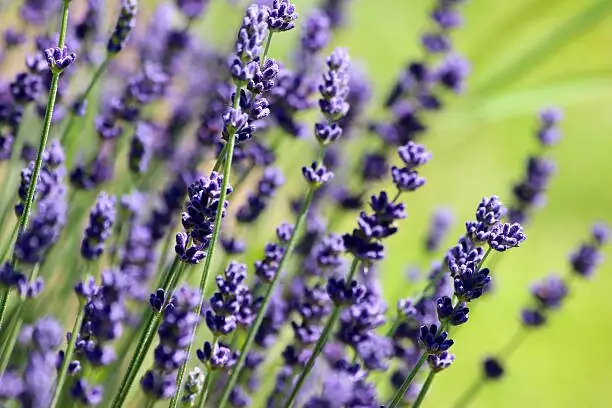
If your lavender looks a little wild after its summer show—flower wands spent, tufts splaying, a hint of shag around the edges—you’re right on time. A smart, confidence-boosting trim now will keep Lavandula angustifolia (English lavender) compact, floriferous, and fragrantly gorgeous for years. Think of it like a good haircut: neat shape, plenty of healthy “green” left on top, and absolutely no buzz-cuts into the woody scalp.
Here’s exactly when to cut, how much to take, and how to avoid the dreaded woody dieback.
Know your plant (and why pruning matters)
Lavandula angustifolia is a sun-loving, drought-tolerant Mediterranean subshrub. It naturally develops a woody base with age, while the soft, silvery-green shoots carry the leaves and blooms. Left untrimmed, that green canopy creeps farther from the base each year, the center can open up, and flowering declines. Light, regular pruning keeps the plant dense and mound-shaped and greatly extends its productive life.
- Sun: the more the better (aim for 6–8+ hours).
- Soil: fast-draining, gritty or sandy; never soggy.
- Habit: woody at the base, green and flowering above—prune mainly in the green.
The golden rules (pin these to your potting bench)
- Prune after flowering and/or in late spring—avoid extreme heat waves.
- Remove spent flower stems and shape the green canopy into a tidy dome.
- How much to cut:
- Vigorous plants: up to about 1/2 of the current green growth.
- Average plants: closer to about 1/3.
- Never cut into old, leafless woody stems (they may not resprout well).
- Keep good airflow and dry foliage to prevent fungal issues.
When to shape after flowering
Summer is bloom time (often June–August). Prune once the main flush fades:
- In warm climates: wait for a cooler spell late summer or early autumn; avoid trimming during a heatwave.
- In colder climates: finish pruning by early autumn so new growth has time to harden before frost.
- Missed it? Hold off on heavy work until late spring, then shape lightly as new shoots expand.
Tip for first-year plants: pinch the tips 2–3 times (or when shoots reach about 10 cm / 4 in) to encourage branching and a dense habit.
How to spot “green” vs “old wood”
Your aim is to cut within leafy, flexible green growth—never down into bare, grey-brown wood.
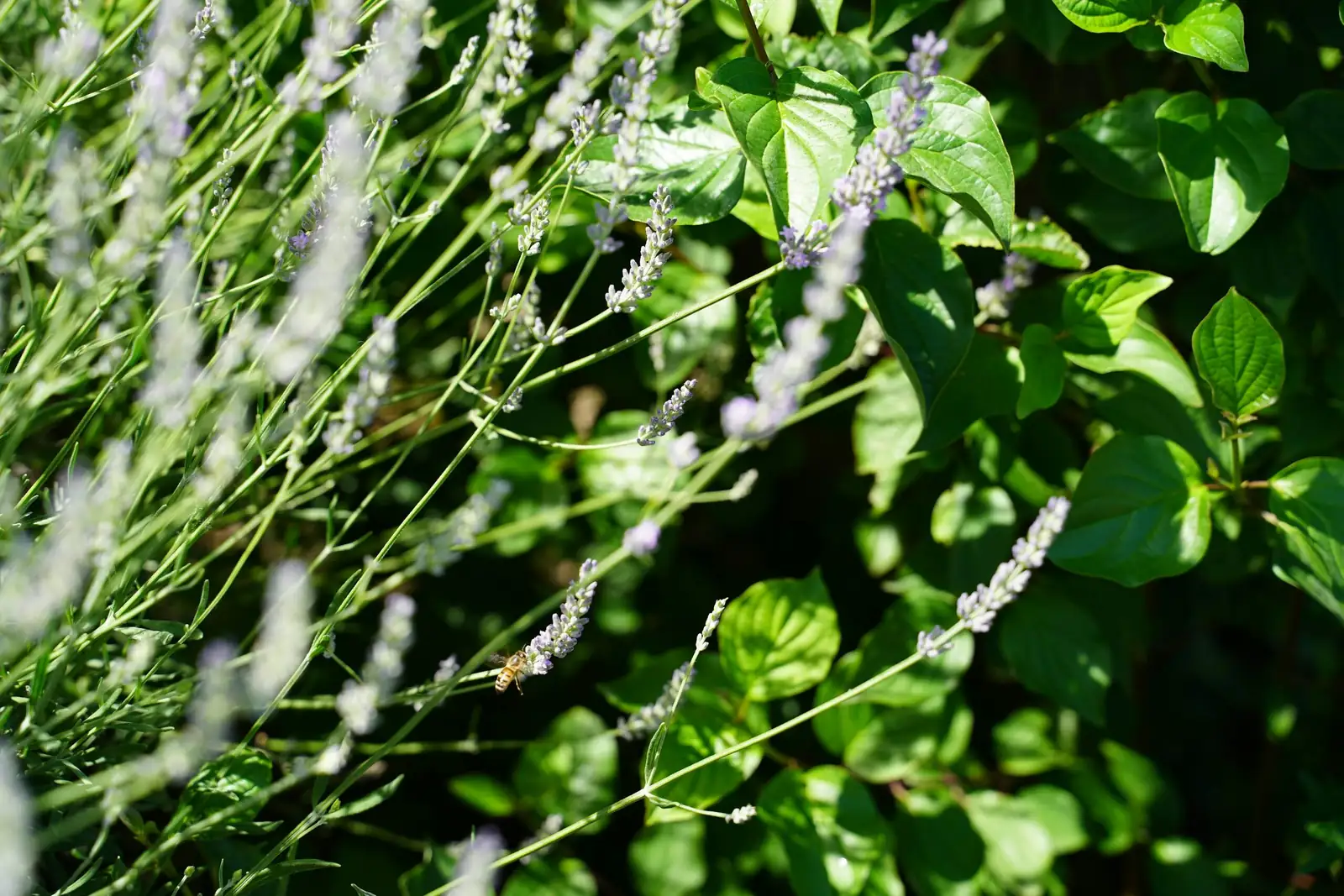
- Color and texture: green shoots are pliable and leafy; the base is harder, woody, and often leafless.
- The scratch test: gently scratch a lower stem. Bright green just beneath the surface? It’s alive—but if it’s on an old, leafless section, don’t cut into it. Stay higher in the leafy zone.
- Rule of thumb: always leave a cushion of leafy growth above the woody framework—think several nodes’ worth, not a buzzed stubble.
Step-by-step: the post-bloom prune
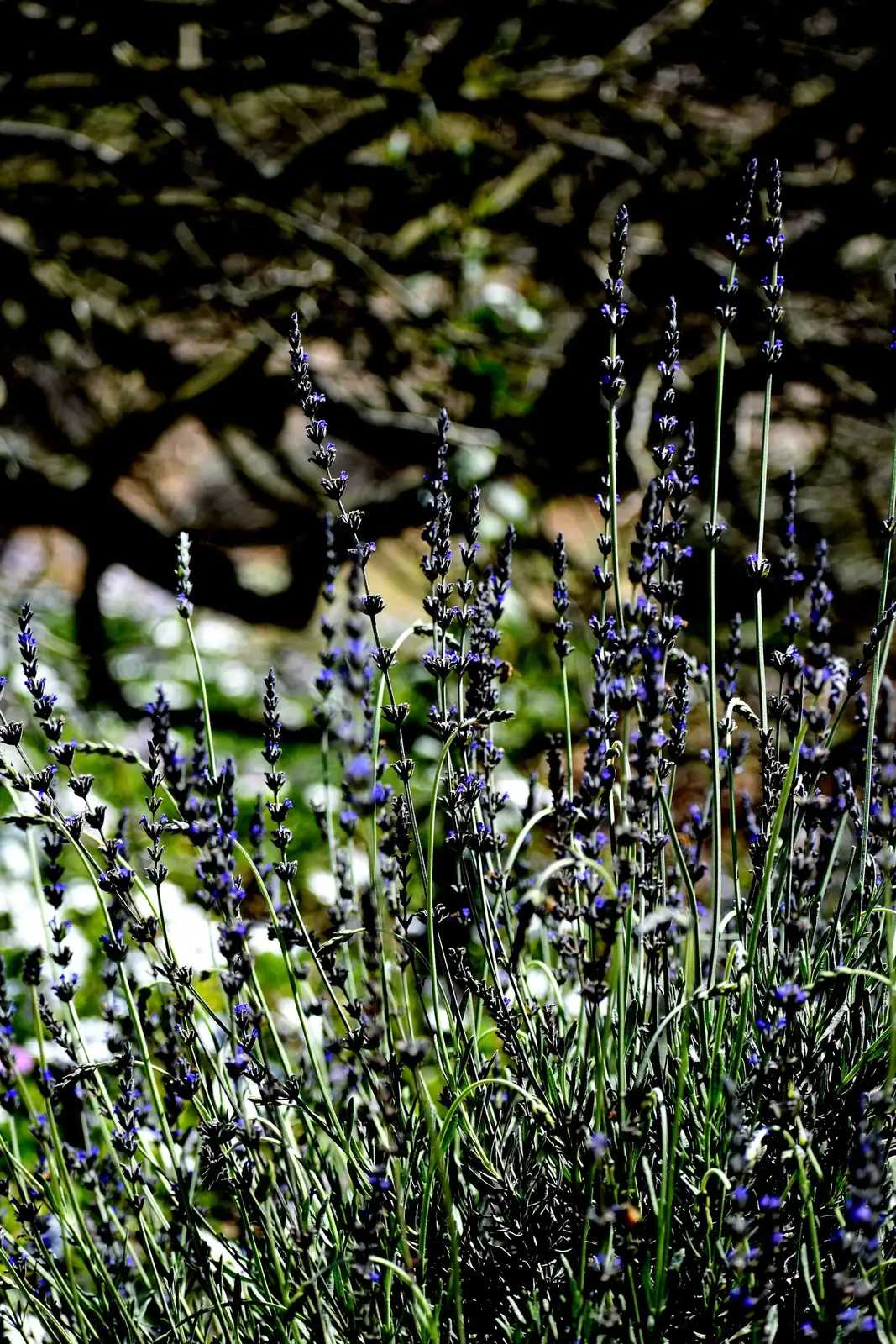
- Gear up
- Clean, sharp shears (secateurs) and a small rake or gloved hand for tidying.
- Disinfect blades if you’ve battled any fungal issues.
- Deadhead with purpose
- Snip off spent flower spikes back into the leafy canopy, just above a pair of healthy leaves.
- Shape the dome
- Lightly clip the outer canopy into a rounded mound.
- Remove about 1/3 of the season’s green growth on most plants; up to 1/2 if they’ve been very vigorous.
- Keep the mound a touch lower at the edges than the center for a natural cushion shape.
- Check your line
- Pause frequently and part the foliage. If you’re nearing the leafless woody base, stop. You should still see several centimeters (inches) of soft, leafy growth remaining all over.
- Clean up and air out
- Remove debris from the crown to boost airflow and discourage mold.
How to avoid woody dieback (for the long haul)
Woody dieback usually starts where conditions are humid, crowded, or cuts were made too deep. Prevent it with these habits:
- Cut only in green growth; never into bare wood.
- Time it right: prune after bloom in late summer/early autumn, or in late spring—skip extreme heat.
- Sunshine and breeze: full sun and generous spacing keep foliage dry and resilient.
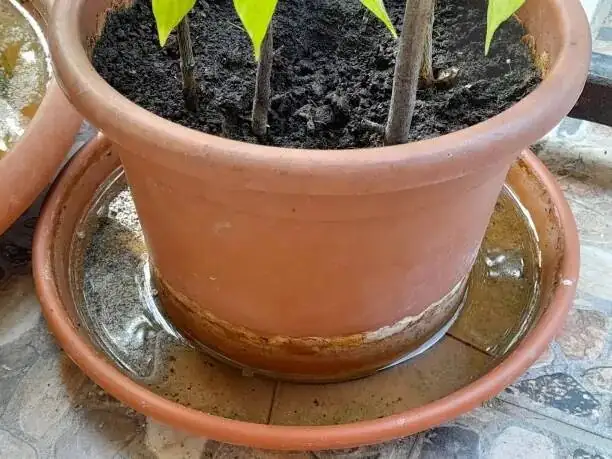
- Water wisely: water deeply, then let soil dry noticeably. Avoid wet foliage late in the day and never leave pots standing in water.
- Go easy on fertilizer: lavender thrives lean. A light monthly feed during active growth is plenty; too much nitrogen = floppy, disease-prone growth.
- Sanitation: remove any grey, mushy, or blackened stems pronto; clean tools between plants.
What if it’s already leggy or woody?
- Don’t hard prune into leafless wood. Instead, stage a recovery:
- Light-shape in the green this year.
- Improve sun, drainage, and airflow.
- Take semi-ripe cuttings (late summer–autumn) to start a fresh, compact plant as insurance.
- In very old, gappy specimens, replacing with a new, well-pruned plant is often faster (and more beautiful) than heroic surgery.
Containers vs. in-ground plants
Containers dry faster and are more vulnerable to winter wet and cold.
- Pruning is the same, but:
- Ensure a very free-draining mix (loam-based with coarse grit/sand/perlite).
- After pruning, water once to settle, then return to a “wet–dry” rhythm.
- Consider repotting in spring or right after flowering with fresh, gritty mix to keep roots airy.
Aftercare that sets you up for next year’s flowers
- Sun: move containers to the brightest, breeziest spot you have.
- Water: let the top few centimeters dry between waterings; reduce as growth slows into autumn.
- Feed: if you feed at all, do so lightly (about monthly in active growth). Skip heavy nitrogen.
- Watch for botrytis in hot, humid spells—keep foliage dry and space plants so air can move.
Make the most of your clippings
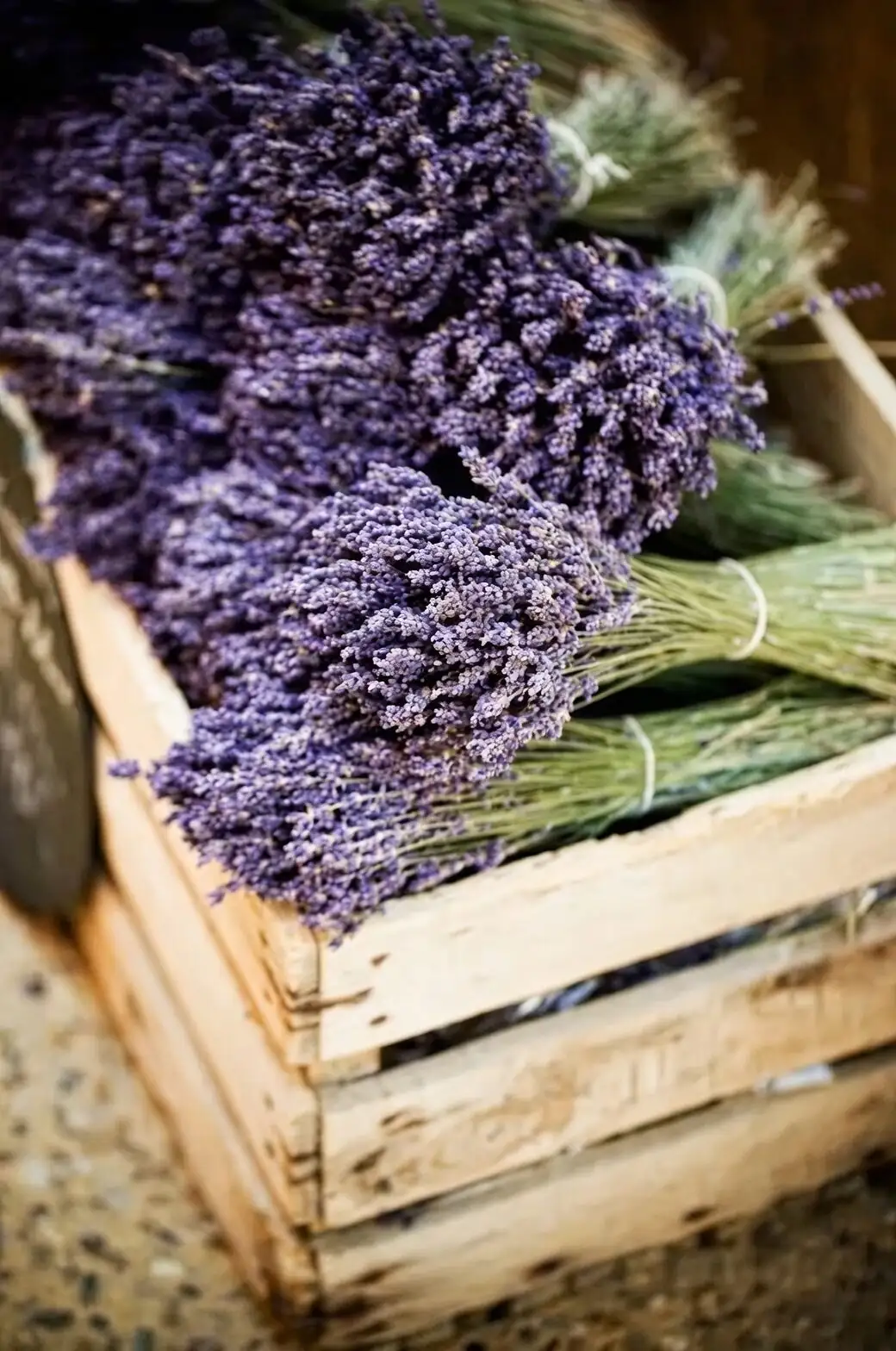
- Dry those fragrant flower spikes for sachets, wreaths, and bouquets. Hang small bundles upside down in a warm, airy, shaded spot. Lavender holds its scent beautifully once dry.
Quick seasonal pruning calendar
- Late spring: tip-prune and shape lightly as growth ramps up; avoid cutting into wood.
- Summer (post-bloom): remove spent spikes; clip the green canopy by about 1/3 (up to 1/2 if very vigorous).
- Late summer–early autumn: finish shaping; take semi-ripe cuttings if you’d like.
- Winter: minimal interference—keep bright, cool, and on the dry side.
Troubleshooting quick answers
- Leaves yellowing? Most often overwatering or poor drainage. Let soil dry more, boost airflow and sun, never leave standing water in saucers.
- Poor regrowth after pruning? You likely cut into old, leafless wood. Next time, stay firmly in the green and reduce by only 1/3–1/2 of this season’s soft growth.
A tiny note on symbolism
Lavender has long been linked with calm, devotion, and remembrance—a cultural echo of its centuries of use in linens, baths, and homes. Some Victorian flower-language lists even tag it with “anticipation.” Lovely to know, but even lovelier is how a well-timed trim sets your plant up to deliver that serenity in living color next season.
You’ve got this. Snip with confidence, stay in the green, and your lavender will reward you with a tight, silvery dome and a summer cloud of perfumed blooms.