

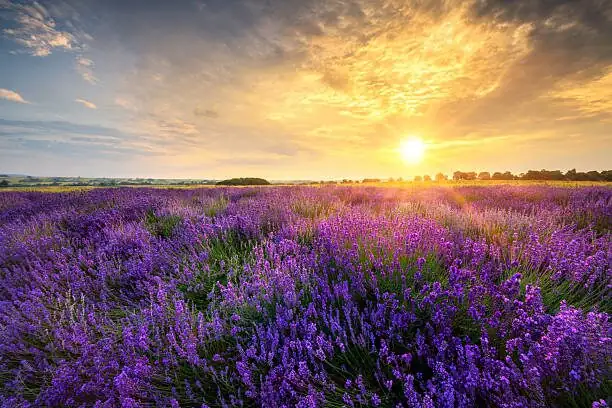
Warm, sun-soaked wind through a hillside of purple spires; linens snapping on a line; the faint, clean sweetness that lingers on wrists and pillows. Few plants carry as much cultural perfume as Lavandula angustifolia—English or “true” lavender—whose meanings drift from ancient washhouses to Victorian parlors and on into modern gift-giving across Europe and East Asia.
Where lavender’s flower language began
Mediterranean roots: purity, washing, and the scent of home
Long before it became a coded message in a bouquet, lavender was a way of life around the Mediterranean. Families tucked it into cupboards and bridal linens, simmered it into baths, and set bunches to dry in bright doorways. Even its name points back to water and cleansing—often linked to the Latin lavare, “to wash.” In a world of sun-bleached sheets and wind-dried cloth, lavender’s cool, camphor-sweet scent came to embody purity, order, and restful domesticity.
The Victorian code: floriography takes hold
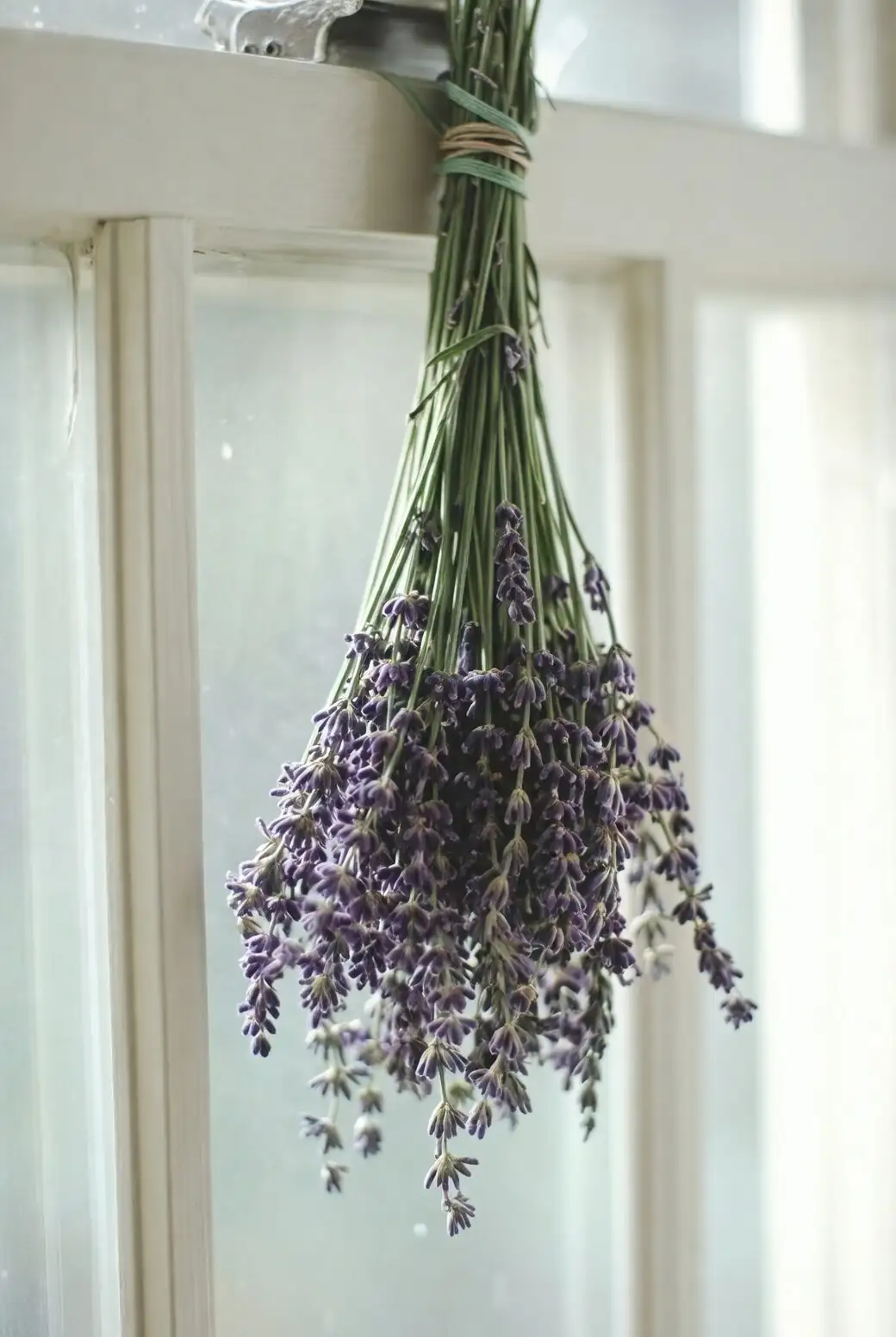
Centuries later, the practice of assigning meanings to flowers—floriography—exploded into a full-blown cultural pastime. Inspired in part by Middle Eastern “selam” traditions and popularized in 19th-century Europe (think salon tables stacked with language-of-flowers handbooks), Victorians used bouquets to whisper what etiquette forbade them to say out loud. These dictionaries weren’t identical; they borrowed from folklore, religion, color theory, and a plant’s own traits. Lavender’s long record as a cleaner of linens and calmer of spirits gave it a head start in this symbolic lexicon.
So what does lavender mean?
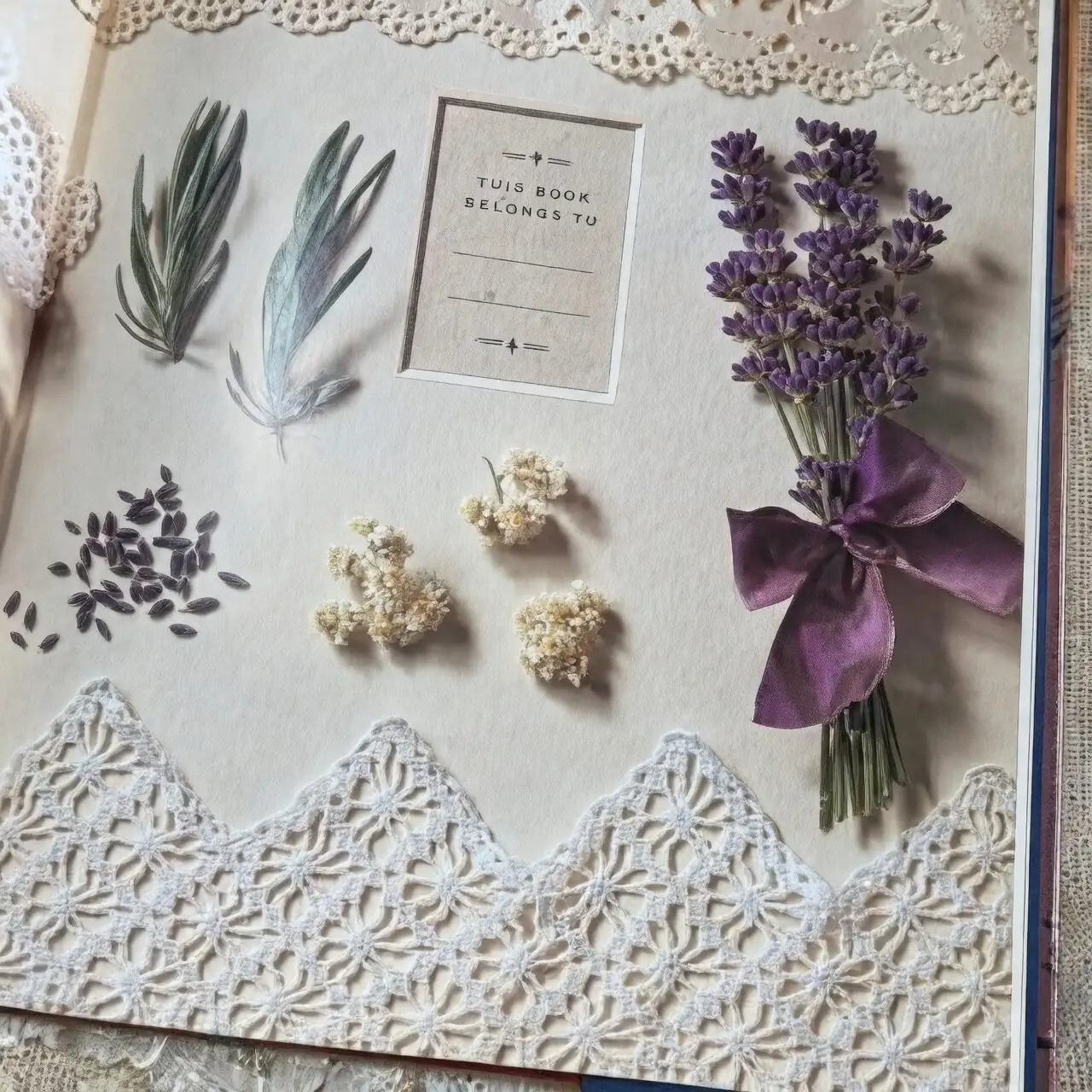
Because no single codebook ruled the day, lavender gathered a circle of meanings rather than a single decree. Over the last two centuries, the most enduring themes have been:
- Purity and cleanliness (born from its centuries of bathing and laundry use)
- Calm and tranquility (its fragrance relaxes; its color soothes)
- Devotion and fidelity (evergreen, enduring, steadfast)
- Remembrance (a scent that lingers, like memory)
- Anticipation or “waiting for love” (in some traditions of flower language)
You may also see an occasional Victorian twist: “mistrust” or “distrust.” A popular anecdote blamed a reptilian plot—an asp said to have taken refuge beneath a lavender bush in a legend tied to Cleopatra—casting a shadowed counter-meaning in a few period lists. Rather than negating lavender’s gentler symbolism, this curious footnote reminds us that floriography was a human invention—poetic, sometimes playful, often contradictory.
How the meanings travel in real life: gifting with lavender
Lavender’s messages are as versatile as the plant itself—fresh spikes in summer, beautifully scented when dried, and gentle in tone even when the color is bold.
- For calm and care: a simple posy or drawer sachet says “peace be with you,” perfect for a friend weathering stress, exams, or a move.
- For new beginnings: housewarmings and weddings suit lavender’s links to purity and devotion. A small basket of dried wands with a note—“For a bright, restful home”—is timeless.
- For love at a distance: in many modern lists, lavender carries “anticipation” or “waiting for love.” Tuck a scented sprig into a letter, or send a bundle tied with ribbon to say “I’m thinking of you.”
- For remembrance: lavender’s gentle, lingering fragrance carries memory without heaviness. A dried wreath or small bouquet can be a quiet, comforting tribute.
- For self-gifting (the most honest message of all): a sachet on the pillow or a living plant by a sunny window is a daily reminder to breathe.
A small etiquette tip: because Victorian meanings varied, add a line on the card. “With wishes for calm and devotion” or “For sweet memories” makes your intention unmistakable.
Modern symbolism across regions
Europe: Provence skies, English hedgerows, quiet strength
Across Europe, lavender remains a shorthand for serenity and sun. The purple seas of Provence and the neat mounds of English lavender hedges both feed a contemporary symbolism of wellness, clarity, and balance. Its connection to remembrance appears in memorial plantings and contemplation gardens, where a waft of scent can recall a place, a person, or a season gone by. Popular astrology-inspired lists sometimes link lavender with Virgo—orderly, helpful, and pure—echoing those old Mediterranean housekeeping virtues with a smile.
East Asia: anticipation, healing tones, and travel dreams
- China: In widely shared flower-language lists, lavender (薰衣草) often stands for “等待爱情”—waiting for love—alongside purity and protection. Dried bouquets and sachets are popular gifts between long-distance partners or friends headed abroad.
- Japan: Lavender fields in Hokkaidō’s Furano have become icons of summer, and the plant is embraced in wellness gifts and bath rituals as a symbol of calm, cleanliness, and gentle healing. It’s the scent of exhale.
- Korea: The “lavender” color trend—soft purples across stationery, cafes, and bouquet bars—signals restfulness and comfort. A petite lavender bunch for exams or big life steps reads as “may your mind be at ease.”
Across these cultures, one thread holds: lavender speaks softly but lasts. Its perfume persists in cloth and memory; its dried flowers keep their character; its color is soothing even in a crowded city.
Why these meanings stuck: the botany behind the metaphor
Lavandula angustifolia is a compact, sun-loving, drought-tolerant subshrub from the Mediterranean. Its narrow, silvery leaves release fragrance when brushed; its summer spikes hold countless tiny, sweet-scented flowers. Here’s how its living traits match its cultural aura:
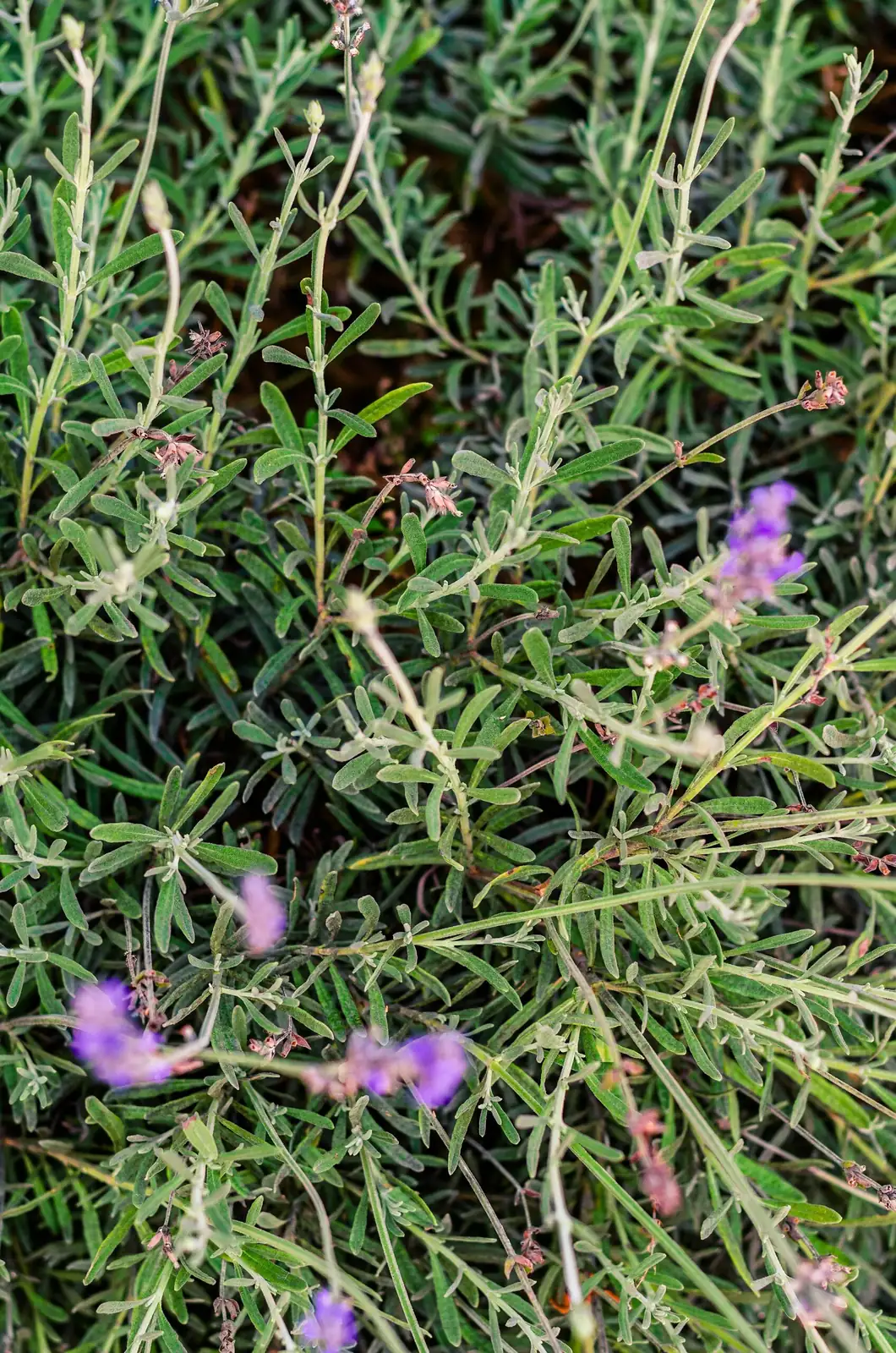
- It dries beautifully. Fragrance clings to the buds, making tangible the idea of remembrance.
- It thrives in bright, airy, well-drained places. The same conditions that keep laundry sweet and spirits light—sun, breeze, clarity—suit lavender best.
- Its essential oil is famously calming in aroma, mapping neatly onto meanings of serenity and devotion rather than drama.
- Its evergreen, mound-forming habit suggests steadiness and care—qualities we hope to offer and to receive.
Choosing the right form of lavender to give
- Fresh stems in season: Tuck a few spikes into a mixed bouquet for a whisper of calm that doesn’t dominate the message.
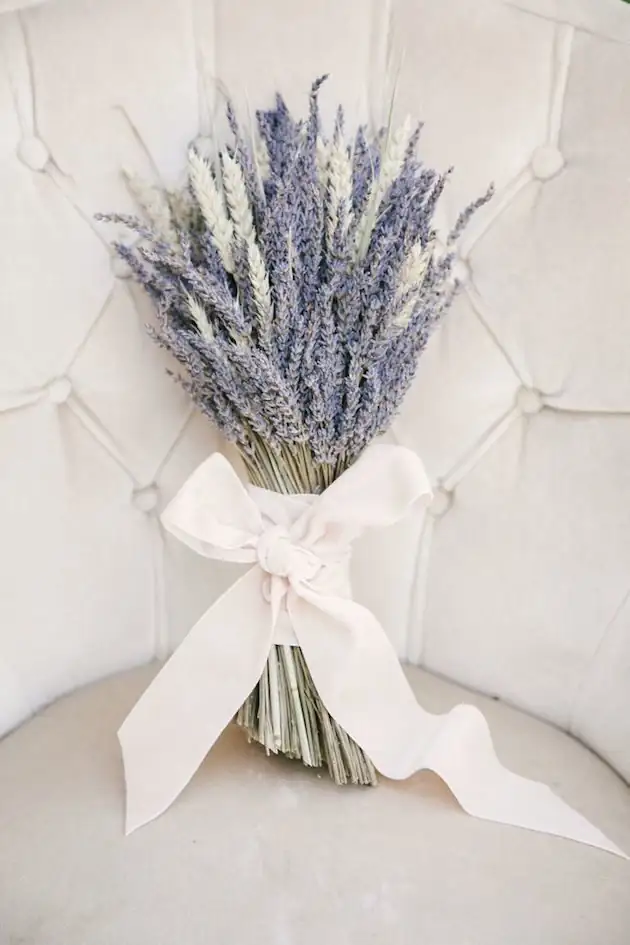
- Dried wands or bouquets: Elegant, enduring, and perfect for remembrance, long-distance affection, or housewarmings. Add a ribbon and a hand-written tag.
- Sachets for linens: A classic nod to purity and domestic peace. They also help discourage fabric pests—practical magic.
- A living plant (Lavandula angustifolia): A sunlit promise. Include a friendly note: “Give me 6–8 hours of sun, a breezy spot, and fast-draining soil; I’ll perfume your windowsill without any fuss.” One pot can scent a whole balcony when the weather is warm and dry.
A final word on meanings
Flower language isn’t a law; it’s a conversation—part history, part household memory, part modern mood. With lavender, that conversation is exceptionally kind. Whether you lean into devotion, calm, purity, remembrance, or the sweet ache of anticipation, a sprig of Lavandula angustifolia carries the message with quiet grace—and lets its fragrance say the rest.