

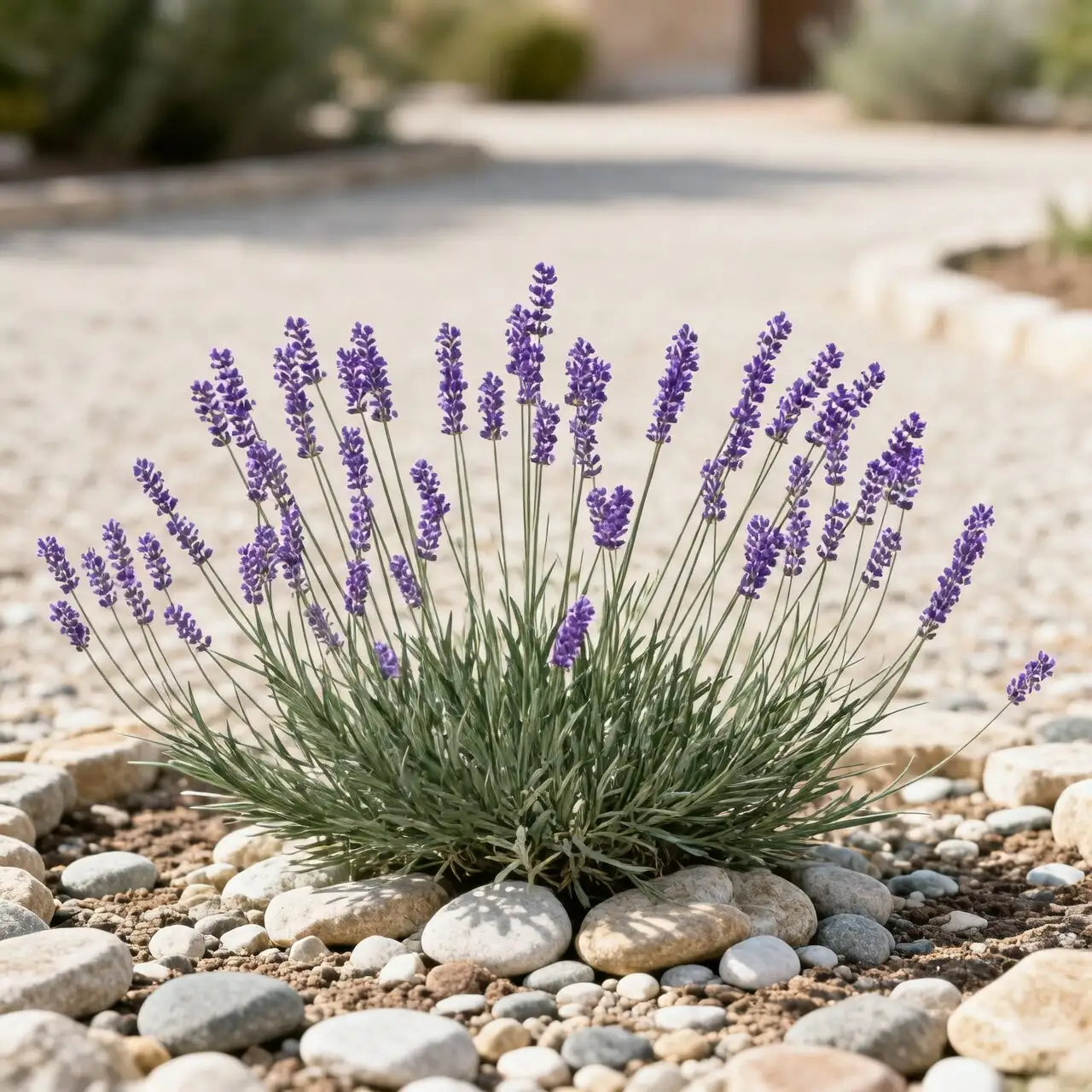
Imagine a hillside of pale stone and sun-warmed thyme, the air bright with bees and a breeze carrying a clean, comforting scent. That’s where the story of lavender—Lavandula angustifolia—begins: on the rocky slopes of the western Mediterranean, where this silvery, aromatic shrub first learned to love lean soil, relentless sun, and moving air.
From there, its fragrance wandered down Roman roads, steamed into bathhouses, and drifted into woven linens. Today it’s distilled in vast purple fields and, just as happily, perfumes a single, sunlit pot on a city balcony. Few plants have traveled so far while staying so true to their roots.
From rocky terraces to Roman baths: a Mediterranean beginning
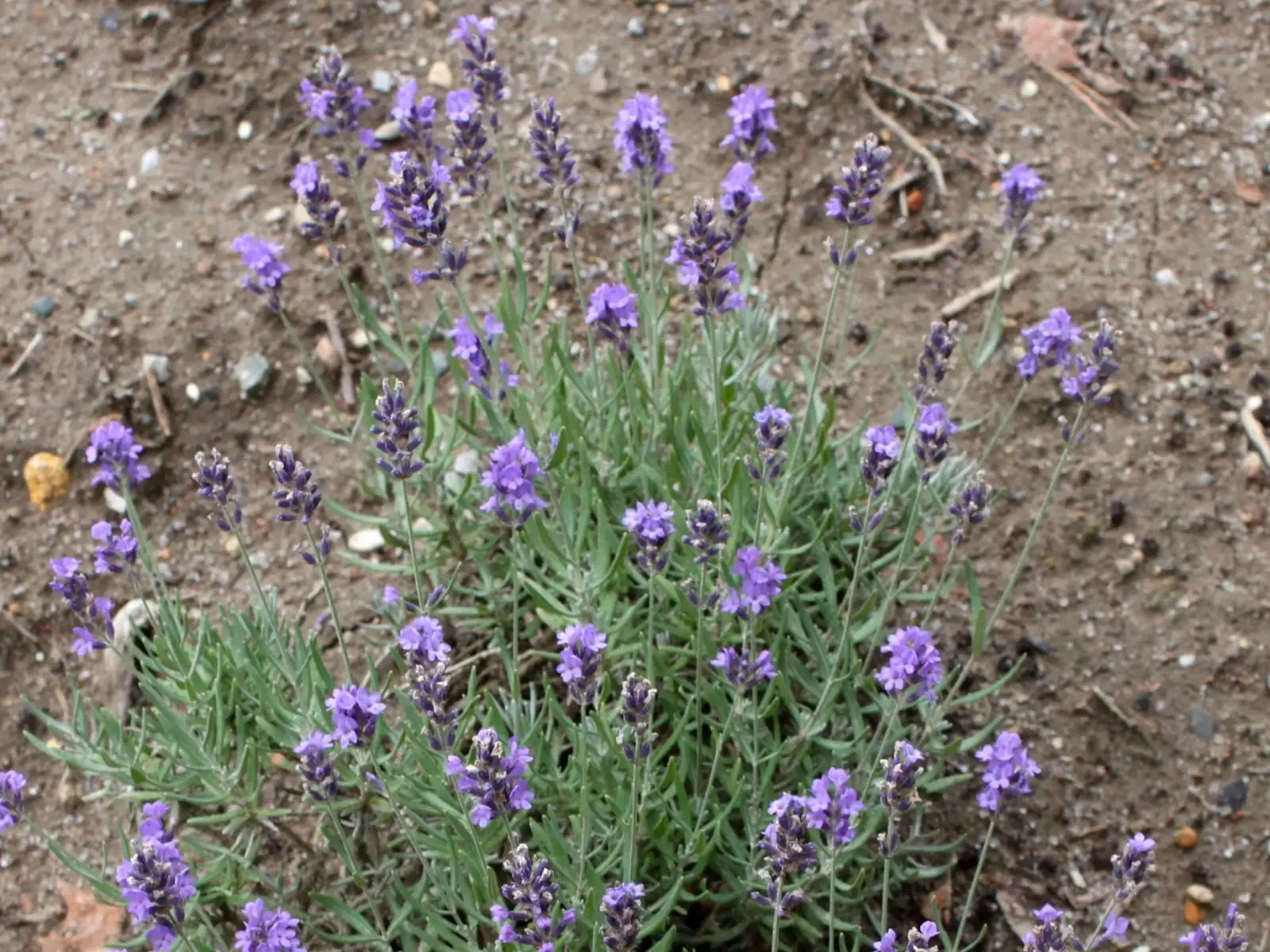
- Birthplace: Lavender (Lavandula angustifolia) is native to the Mediterranean—especially its western reaches and southern Europe—where dry summers and quick-draining soils shaped its character.
- Name story: The name “lavender” is often linked to the Latin lavare, “to wash,” a nod to its ancient role scenting baths and freshening homes and linens across the Roman world.
- Everyday classic: Beyond temples and trade routes, lavender was part of Mediterranean daily life—bundled into cupboards, strewn on floors, and prized for a fragrance that seemed to polish the air itself.
- A traveling scent: Carried in baskets and memories, lavender followed people wherever they settled, later becoming a cornerstone of European herb gardens and an emblem of cleanliness, calm, and care.
The scent that circled the globe
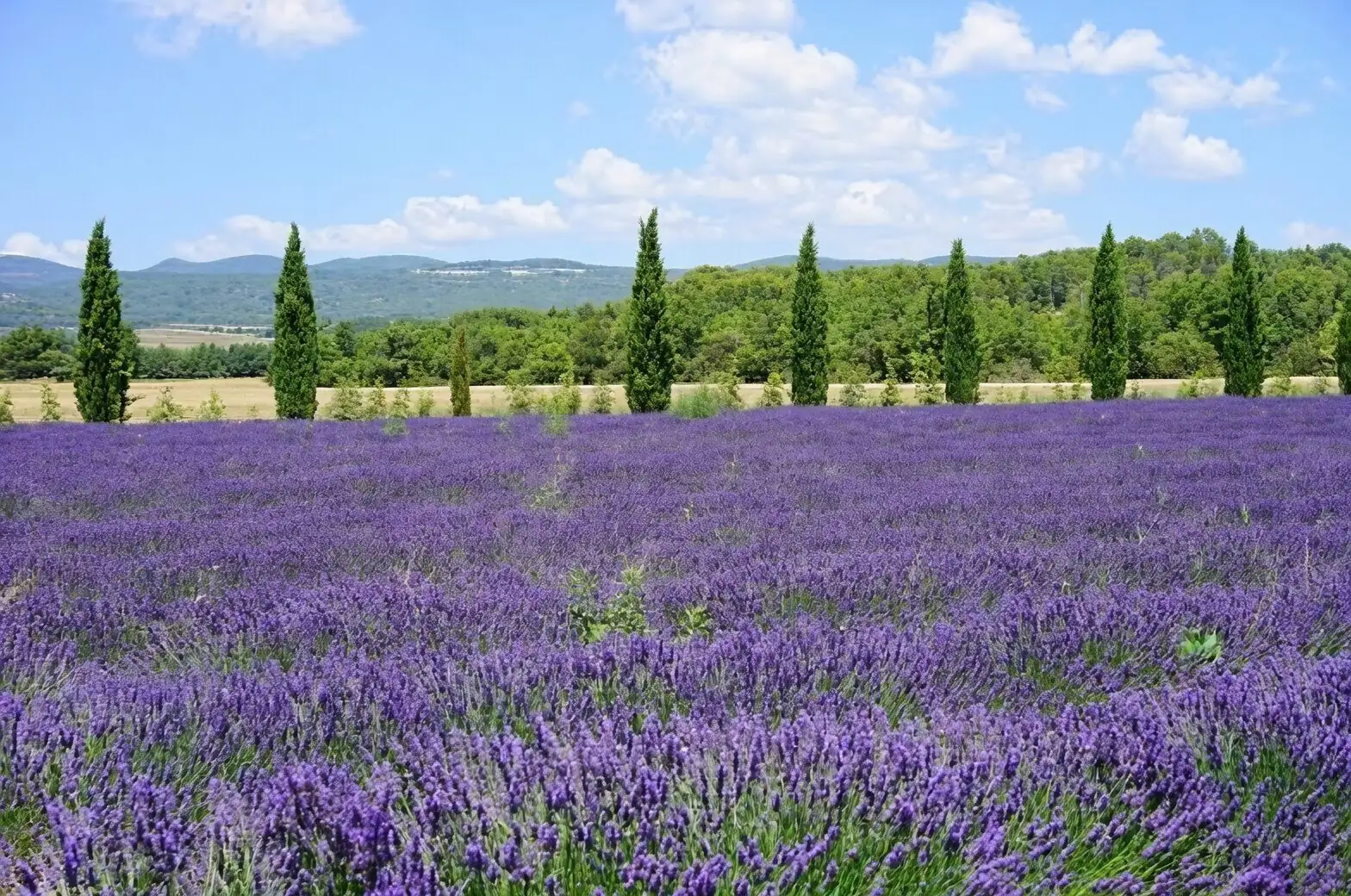
- Distillers’ darling: In modern times, true lavender (L. angustifolia) became a cornerstone of the essential-oil industry for its nuanced, sweet aroma. You’ll find fields from Provence to parts of Spain and Italy, and well beyond Europe.
- Workhorse hybrids: Growers also plant Lavandula × intermedia (lavandin) for high-yield oil—a different profile, but part of the same global lavender tapestry.
- Urban renaissance: On city balconies and bright windowsills, a single pot can throw a surprising halo of scent. Lavender’s secret? It performs best in the very conditions many plants dislike: strong sun, fast drainage, and air that moves.
Meet the plant: Lavandula angustifolia at a glance
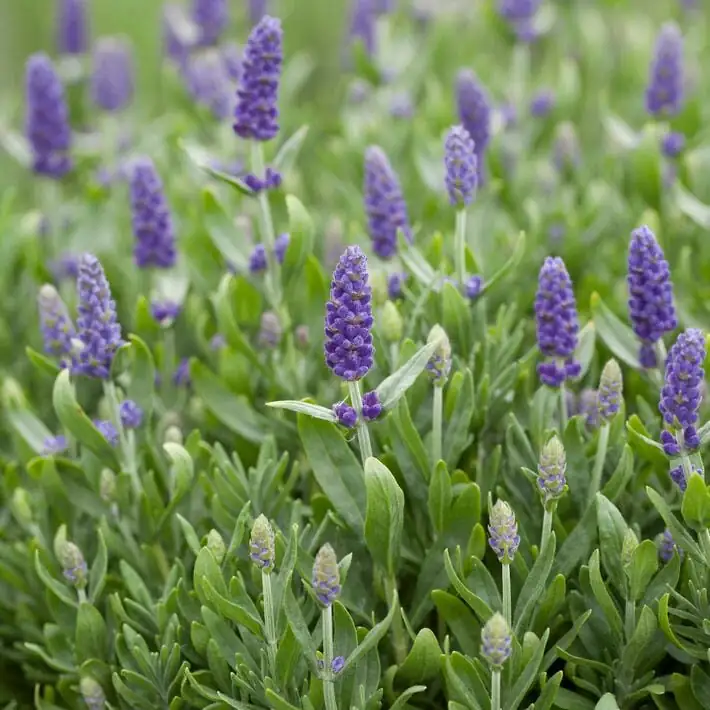
- Family and identity: Lamiaceae (the mint family); genus Lavandula; species Lavandula angustifolia. Also called English Lavender, True Lavender, and Common Lavender.
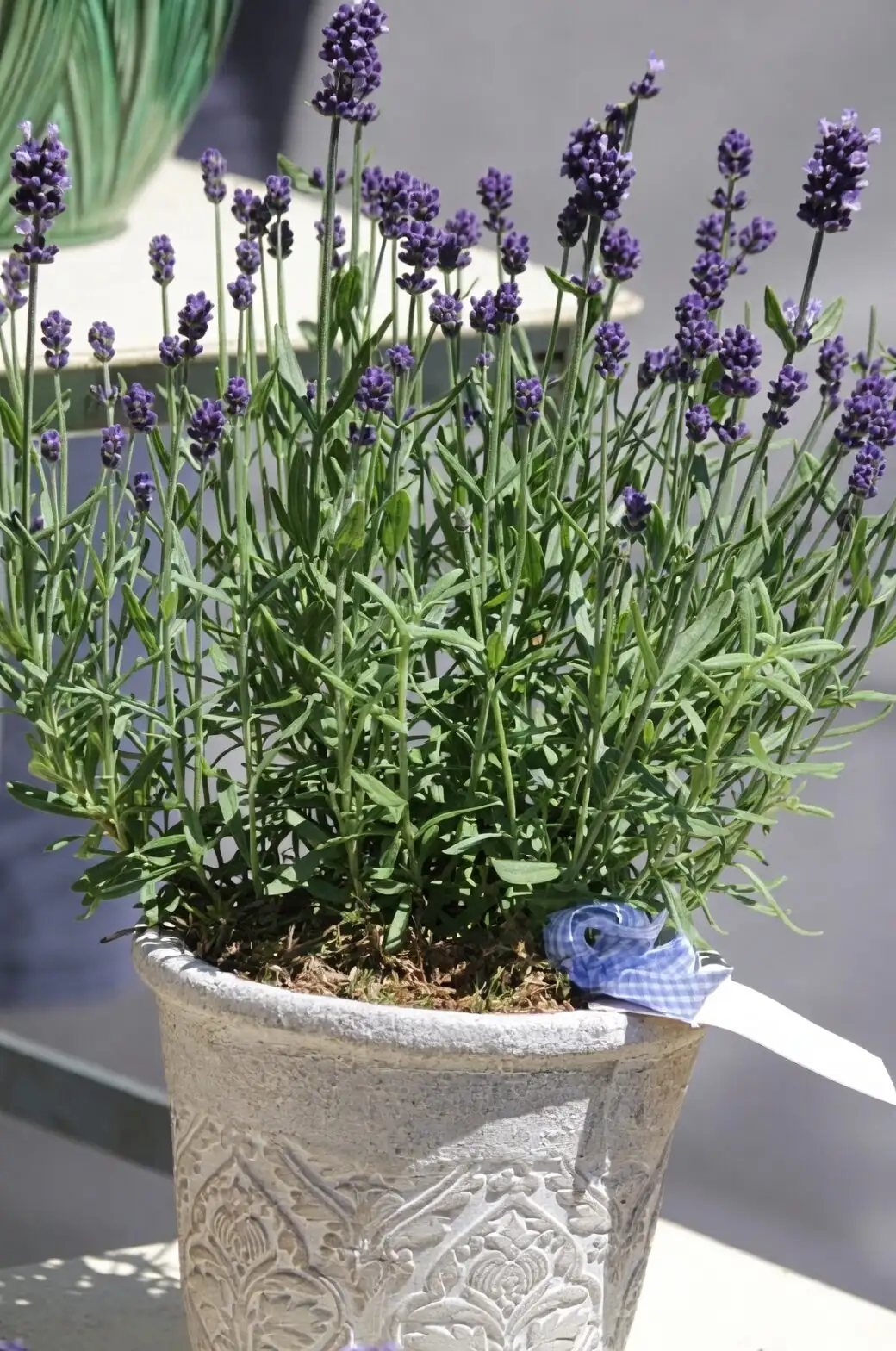
- Habit and size: A compact to upright, bushy, mound-forming woody subshrub; typically 30–60 cm (12–24 in) tall and about 45–90 cm (18–36 in) wide in ideal garden conditions; often 30–60 cm wide in pots.
- Foliage: Narrow, grey-green to silvery leaves—softly aromatic when brushed. Stems grow woody with age; light clipping keeps the mound dense.
- Flowers: Slender summer spikes packed with small, powerfully fragrant blooms in pale to mid purple (often more violet by cultivar).
- Bloom time: Mostly June to August, often peaking in July; in some climates the show starts in late spring.
- Why we love it: It’s pollinator-friendly, dries beautifully for bouquets and sachets, and is a primary source of fine lavender essential oil.
Growing lavender like a Mediterranean breeze
Think bright sun, swift drainage, and a light hand with water. Lavender is easy once you respect its roots.
Sun and placement
- Give it full sun—aim for 6–8+ hours daily. Shade means floppy stems and fewer flowers.
- Outdoors: Choose a bright, airy, breezy site; raised beds and gravelly borders shine.
- Indoors: A south-facing window or the brightest sill you have; rotate for even growth.
Soil and pots
- Soil: Very well-drained, sandy/gritty loam.
- Containers: Use a free-draining, loam-based mix amended with coarse sand, grit, or perlite. Never let the pot sit in water.
- Pro tip: Lean soil intensifies fragrance. Lavender resents heavy, water-retentive compost.
Watering rhythm
- General rule: Water deeply, then let the mix dry noticeably before watering again.
- Spring/cool weather: About every 10 days to 1–2 weeks, depending on drying speed.
- Summer/flowering: Water when the top few centimeters are dry; keep it lightly even, never soggy. Mornings are best.
- Autumn–winter (especially indoors): Go sparse—keep just barely on the dry side.
Temperature and humidity
- Best growth: 15–25°C (59–77°F).
- Dislikes: Prolonged hot, humid, stagnant conditions. Pair sun with airflow.
- Winter notes: Generally hardy around USDA Zones 5–8 (sometimes listed 5–9 depending on cultivar and conditions). More than cold, winter wet is the real killer—especially in containers. Keep potted plants above ~5°C (41°F) in very cold regions and out of waterlogged corners.
Feeding
- A light feeder. From roughly May–September, use a balanced fertilizer monthly at a reduced rate. Too much nitrogen = soft, floppy growth and fewer flowers.
Pruning (keep the cushion, skip the old wood)
- Young plants: Pinch tips 2–3 times (or at ~10 cm/4 in tall) to encourage branching.
- After flowering: Remove spent spikes and lightly clip the green growth to keep a neat mound.
- How much: Up to 1/2 of the current green growth if vigorous; around 1/3 for average plants.
- Golden rule: Don’t cut back into old, leafless woody stems; they may not reshoot well.
- Timing: Late spring or early autumn; avoid pruning during extreme heat.
Repotting
- Best in spring or right after flowering. Choose a pot with excellent drainage (12–15 cm / 4.7–5.9 in suits small plants).
- Refresh a good portion of the old mix, tidy fine roots lightly, water once, and let it recover in bright shade before returning to full sun.
Propagation
- Seed: Surface-sow; light helps germination. Germinates in ~14–21 days at 20–24°C (68–75°F).
- Cuttings: Take 6–10 cm (2.5–4 in) semi-ripe cuttings early summer through autumn; root in a gritty medium in ~3–6 weeks.
- Water rooting: Semi-ripe cuttings often root in clean water in ~2–3 weeks; pot up gently.
- Division: Possible in spring or autumn, best with younger clumps.
Common pitfalls (and quick fixes)
- Yellowing leaves? Often too much water or poor drainage. Move to sun, increase airflow, and let the mix dry more between waterings.
- Post-prune sulk? You may have cut into old wood. In future, stay in the green growth and prune after flowering.
- Fungal fuzz (Botrytis) in humid spells? Improve airflow, water at the base in the morning, remove affected stems promptly, and keep foliage dry late in the day.
Safety and sense
- Lavender as an ornamental plant has generally low toxicity.
- Essential oil can irritate sensitive skin and may be harmful if ingested in quantity—use responsibly and properly diluted.
- Pets may get mild stomach upset if they chew a lot of plant material; keep concentrated oils and large amounts out of reach of children and pets.
What lavender means: symbolism with a pinch of salt
Flower-language traditions (the Victorian “language of flowers” and later popular guides) cast lavender as:
- Calm and cleansing: a reflection of its long role in baths, fresh linens, and quietly scented rooms.
- Devotion and purity: the tidy, enduring cushion of silver leaves and its steady summer bloom invite these readings.
- Remembrance and anticipation: in some traditions it suggests “waiting for love,” perhaps inspired by the way dried sprigs linger in drawers and letters.
A caveat: 花语 and Western “floriography” are cultural stories rather than botanical facts. They reveal how people have used and felt about lavender, not a universal code. Enjoy the poetry—just know it’s history scented with imagination.
Seasonal rhythm at a glance
- Spring
- Repot if needed; start monthly light feeding.
- Water roughly every 10 days (or when the mix is partly dry); maximize sun and airflow.
- Summer (main bloom)
- Water when the top layer dries; morning watering is best.
- Keep fertilizer light monthly; harvest stems for fresh or dried use.
- Prioritize ventilation in hot spells.
- Late summer–early autumn
- Take semi-ripe cuttings; lightly shape after flowering.
- Begin reducing water as days shorten.
- Late autumn–winter
- Keep very bright and cool if possible.
- Water sparingly and protect pots from prolonged cold and, especially, winter wet.
A plant that rewards restraint
- Angustifolia means “narrow-leaved,” an elegant clue to its identity.
- Fragrance is often strongest on warm, dry, sunny days—the very weather lavender adores.
- Lean soils and sharp drainage beat rich compost every time.
- Even a single healthy pot can scent a balcony or windowsill—and summon, with one breath, a whole Mediterranean summer.
Uses that carry the story forward
- Ornamental: for sunny borders, gravel gardens, raised beds, and containers.
- For wildlife: beloved by bees and other pollinators.
- Dried craft: bouquets, wreaths, and sachets that hold scent remarkably well.
- Essential oil: distilled from flower spikes—handle with care and proper dilution.
- Practical romance: slip a sachet into a drawer or wardrobe for its gentle perfume (and it’s often said to help discourage fabric pests).
From wind-brushed terraces to the tile and glass of modern cities, Lavandula angustifolia hasn’t changed its demands: sun on its shoulders, stones at its feet, and space to breathe. Give it those, and it will give you summer—fresh, clean, and timeless—every time you brush past.