

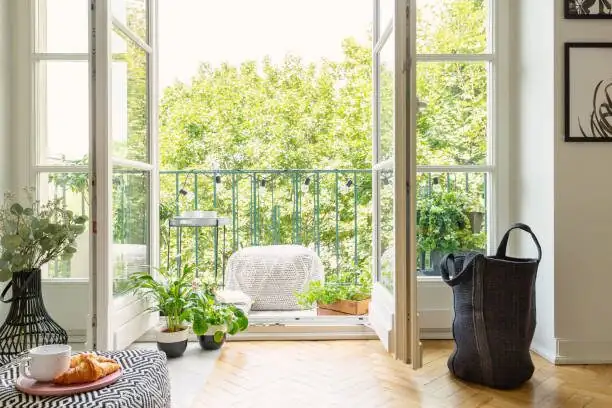
If your lavender stopped smelling like summer and started sulking—yellowing, flopping, or gathering a fuzzy gray coat—you’re in the right clinic. Lavandula angustifolia (aka English lavender, true lavender) is blissfully easy once you match its Mediterranean wishes: fierce sun, sharp drainage, and lively air. Below, diagnose the top troublemakers—overwatering, poor airflow, and gray mold—and fix them fast so your plant goes back to being a fragrant, flower-tipped cloud.
The 60‑second symptom check
- Leaves yellowing from the base and the pot feels heavy for days
- Likely cause: overwatering/slow drainage.
- Lower foliage turns brown-gray, with a fuzzy gray coating after cool, damp spells
- Likely cause: gray mold (Botrytis).
- Stretched, floppy stems and few flowers
- Likely cause: not enough sun and stagnant air.
- Buds brown and fail to open; petals spot and rot in damp weather
- Likely cause: gray mold plus splashy watering.
- Soil smells sour or “swampy”
- Likely cause: waterlogged, oxygen-poor mix.
- Crispy leaf tips, pot goes light quickly, flowers fade fast in heat
- Likely cause: underwatering/heat stress (less common than overwatering with lavender).
—
Overwatering: the number-one lavender heartbreaker
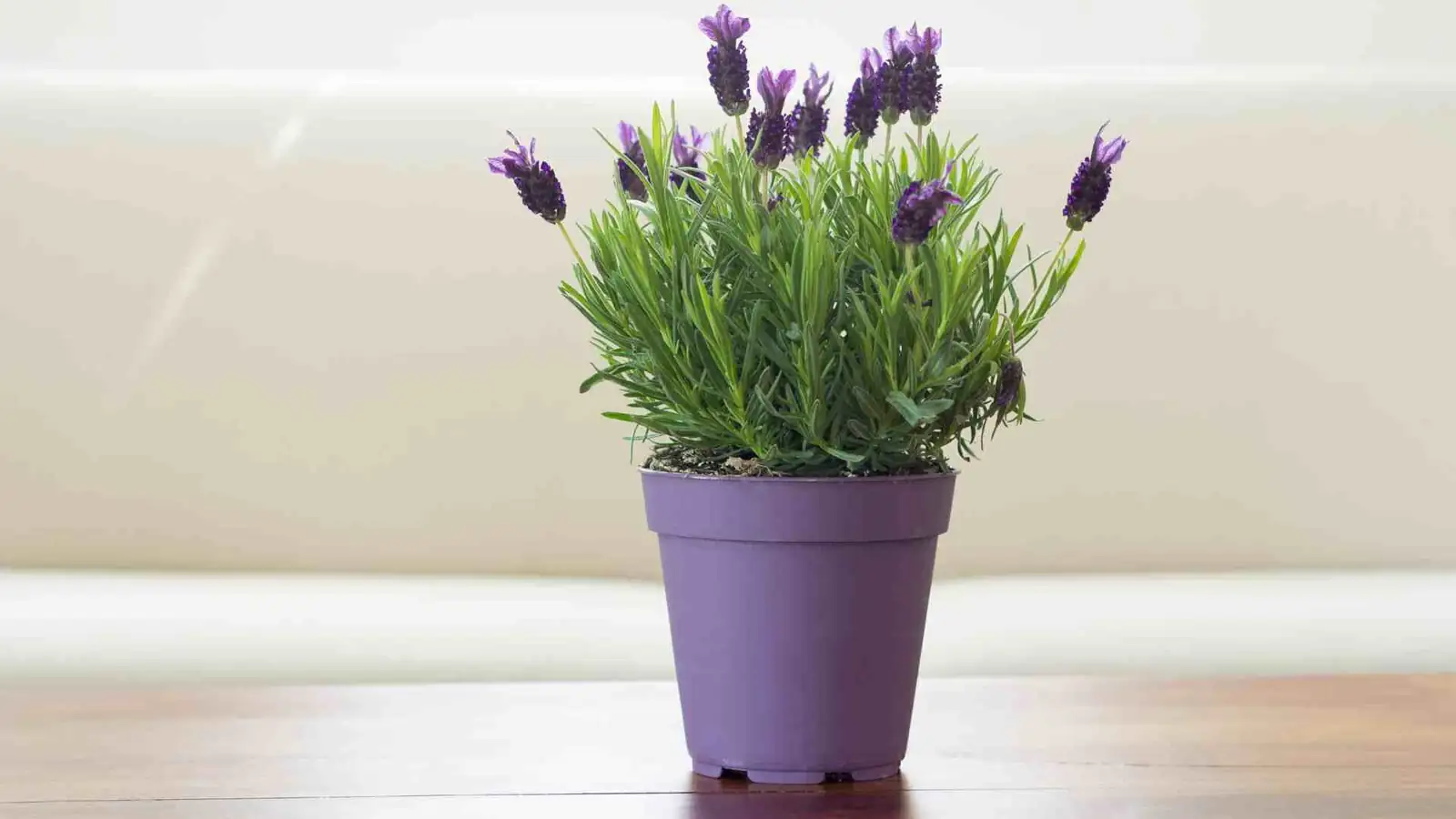
Lavender is a drought-tolerant woody subshrub that prefers a “wet–dry” rhythm. Constantly moist media or heavy, peaty mixes suffocate roots.
How to confirm it’s overwatering
- The top few centimeters never really dry out.
- Pot stays heavy for more than 3–4 days in mild weather.
- Roots look brown/black and mushy (healthy roots are firm and tan).
- Yellowing, leaf drop from the base, and a general “blah” look.
Quick fix (today)
- Unpot gently and inspect roots. Trim out all mushy, dark sections with sterilized scissors.
- Repot into a very free‑draining mix (loam‑based compost amended with coarse sand/grit/perlite). Use a pot with excellent drainage.
- Water once to settle the mix, then give a brief recovery in bright shade before returning to full sun.
- Never leave water sitting in a saucer.
Prevention
- Follow a wet–dry rhythm:
- Spring/cool weather: about every 10 days to 1–2 weeks.
- Summer/flowering: water when the top few centimeters are dry; keep lightly even but never soggy.
- Autumn–winter (especially indoors): strongly reduce—keep just barely on the dry side.
- Water early in the day, at the base, and let excess drain freely.
- Terracotta pots and pot feet help mixes dry faster.
—
Airflow mistakes: steamy, stagnant air equals trouble
Lavender evolved on sunny, breezy Mediterranean slopes. Still, humid pockets (indoor corners, jam-packed planters) are a fungal welcome mat.
Red flags
- Plants crammed together; foliage never fully dries after watering or rain.
- Overhead watering late in the day.
- Shaded, windless placement; tall neighbors crowding the mound.
Quick fix (today)
- Move to the sunniest, breeziest spot you have. Outdoors beats indoors in warm seasons.
- Indoors, use a south-facing window and run a small oscillating fan on low.
- Space generously so foliage doesn’t touch—give the mound “breathing room.”
- Water at soil level; avoid splashing leaves and flowers.
- Lightly clip just the current green growth to open the canopy (never cut into old, leafless wood).
Prevention
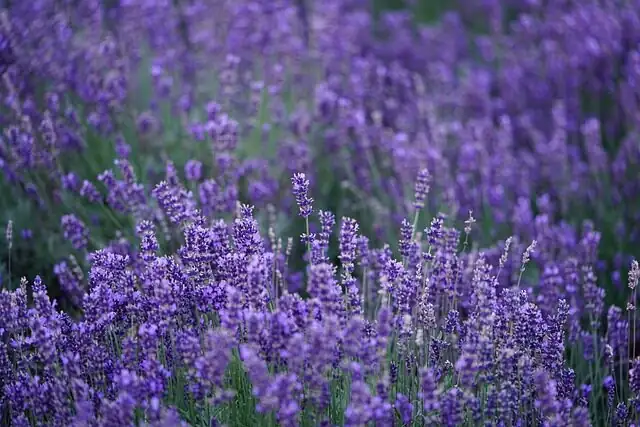
- Sun is medicine: aim for 6–8+ hours daily.
- Keep the plant mound neat: remove spent flower stems promptly.
- Use a gritty top-dressing around the crown so the stem base dries fast after rain.
—
Gray mold (Botrytis): spot it, stop it, prevent it
Botrytis thrives when it’s cool, damp, and still—exactly what lavender dislikes.
What it looks like
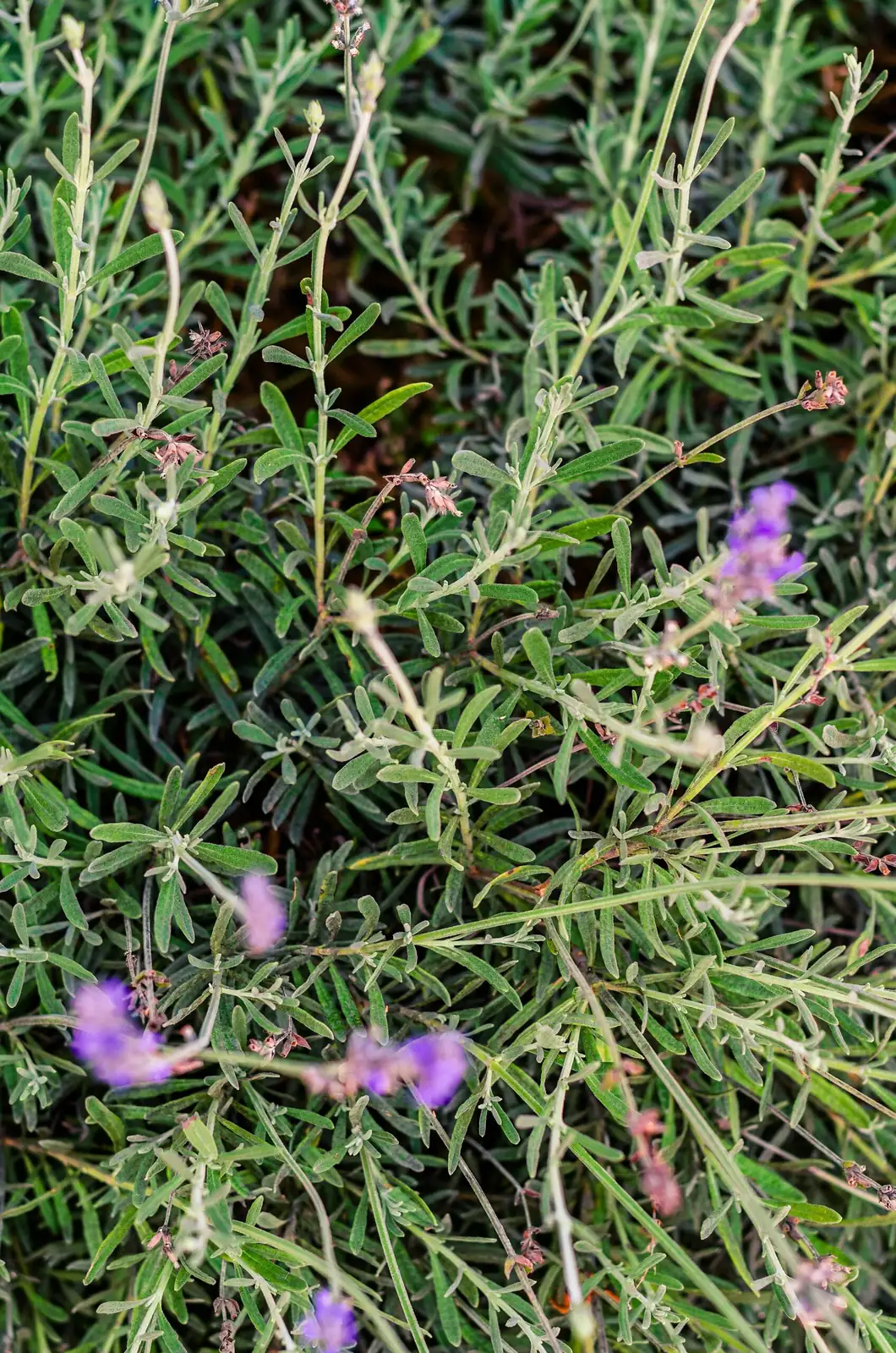
- Fuzzy, silvery‑gray growth on buds, petals, and lower foliage.
- Brown, water‑soaked spots that expand in wet weather.
- Buds that brown and collapse; leaf/stem sections that wilt from the base.
- In some cases, tiny black hardened specks (sclerotia) on dead tissue.
Emergency steps (today)
- Isolate the plant. Don’t brush against it—spores spread fast.
- Prune off all affected flowers and stems back to healthy green tissue. Bag and trash (do not compost).
- Sterilize tools after every cut.
- Improve conditions: more sun, stronger airflow, and base‑only morning watering.
- Let the mix dry toward the drier side; never mist lavender.
If the infection is extensive and the plant is collapsing, remove it to protect neighbors. Where permitted and needed, you can apply a labeled fungicide preventatively after sanitation; always follow local regulations and label directions.
Long‑term prevention
- Full sun, fast drainage, and space between plants.
- Remove spent blooms quickly (aging petals are Botrytis magnets).
- Keep humidity on the dry to moderate side with excellent ventilation.
—
Drainage upgrades that change everything
- Potting mix: Use a loam‑based compost and cut it with 30–50% coarse mineral material (grit/coarse sand/perlite). Avoid heavy, water‑retentive media.
- Pots: Choose containers with generous drainage (terracotta is a plus). For small plants, a 12–15 cm (4.7–5.9 in) pot is ideal; avoid oversizing.
- Beds: In heavy soils, plant on raised berms or in raised beds to keep crowns high and dry.
—
Watering rhythm made easy
- Water deeply, then wait until the top few centimeters feel dry before the next drink.
- Morning is best, especially in hot weather; pair with good airflow.
- Summer bloom: keep lightly even but never waterlogged.
- Late autumn–winter: keep very bright and cool, and water sparingly so pots don’t stay wet for long.
Never let the pot sit in a saucer of water.
—
Sun, placement, and temperature
- Sunlight: Full sun (6–8+ hours) is non‑negotiable. Shade leads to weak, floppy growth and fewer flowers.
- Best spots: Sunny balcony/patio, raised bed, or a bright south‑facing windowsill. Outdoors after frost risk; indoors only if you can provide maximum light and moving air.
- Temperature: Best at 15–25°C (59–77°F). Prolonged hot, humid weather is stressful—compensate with stellar airflow and careful watering.
—
Smart pruning for health and airflow
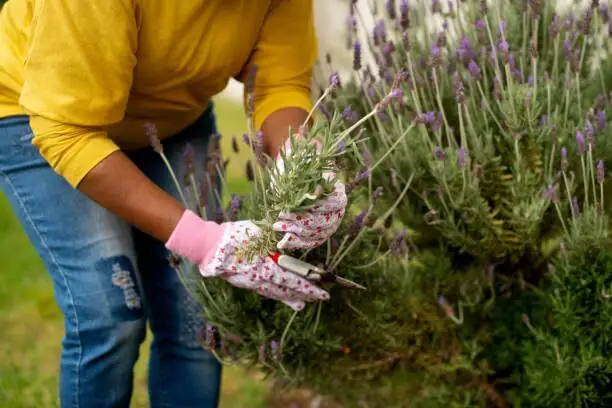
- Timing: Late spring or early autumn; avoid extreme heat.
- How much: On vigorous plants, you can reduce up to about 1/2 of the current green growth; on average plants, about 1/3.
- Golden rule: Do not cut back into old, leafless woody stems—they may not resprout well.
- After flowering: Remove spent spikes and lightly reshape to keep a dense, fragrant mound.
—
Seasonal watch‑outs (quick calendar)
- Spring: Repot if needed into a gritty mix. Water roughly every 10 days (or when partly dry). Max out sun and airflow.
- Summer (main bloom): Water when the top layer dries; fertilize lightly about once a month (balanced fertilizer at reduced rate). Prioritize ventilation; avoid late‑day wet foliage.
- Late summer–early autumn: Take semi‑ripe cuttings; prune lightly after flowering; begin reducing water.
- Late autumn–winter: Keep very bright and cool if possible; water sparingly; protect containers from winter wet and prolonged cold (try to keep pots above ~5°C/41°F in very cold regions).
—
Fast Q&A from the clinic
- Why are my lavender leaves turning yellow?
- Most often too much water or poor drainage. Move to a sunnier, breezier spot, let the mix dry more between waterings, and ensure the pot drains freely.
- I pruned and it barely grew back—why?
- You likely cut into old, leafless wood. Stick to trimming the current season’s green growth. Prune in late spring or early autumn, and avoid extreme heat.
- What’s the gray fuzz on my buds and leaves?
- Gray mold (Botrytis). Sanitize by removing infected parts, improve sun and airflow, water at the base in the morning, and keep conditions on the dry side. Use labeled fungicides preventatively only if necessary and permitted.
- Can lavender thrive in humid climates?
- Yes—with strategy. Use full sun, a very gritty mix, containers or raised beds, generous spacing, and strong airflow (fans indoors). Water only when the mix has dried noticeably.
—
Scent‑maximizing, mold‑minimizing habits
- Lean is lovely: lavender often flowers and perfumes best in relatively poor, sharply drained soil—go easy on fertilizer.
- Harvest on dry, sunny days; remove faded spikes promptly to keep the mound tidy and airy.
- Keep foliage dry, especially late in the day. Sun + space + moving air are your plant’s favorite perfume makers.
Give your lavender sun, grit, and a breeze, and it will reward you with clouds of silvered leaves and summer-purple spires—without the drama of soggy roots or gray fuzz.