

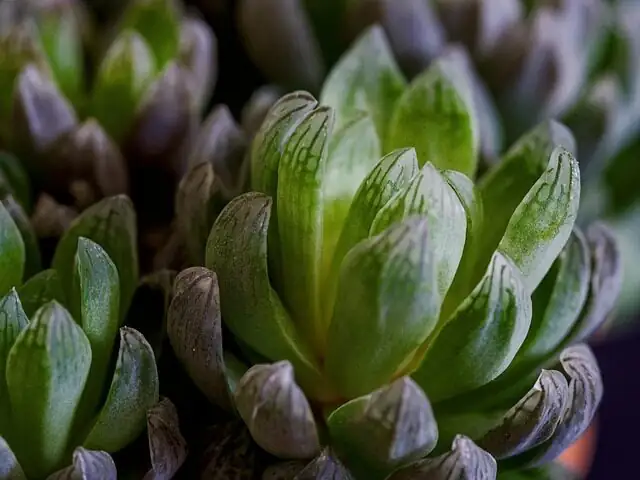
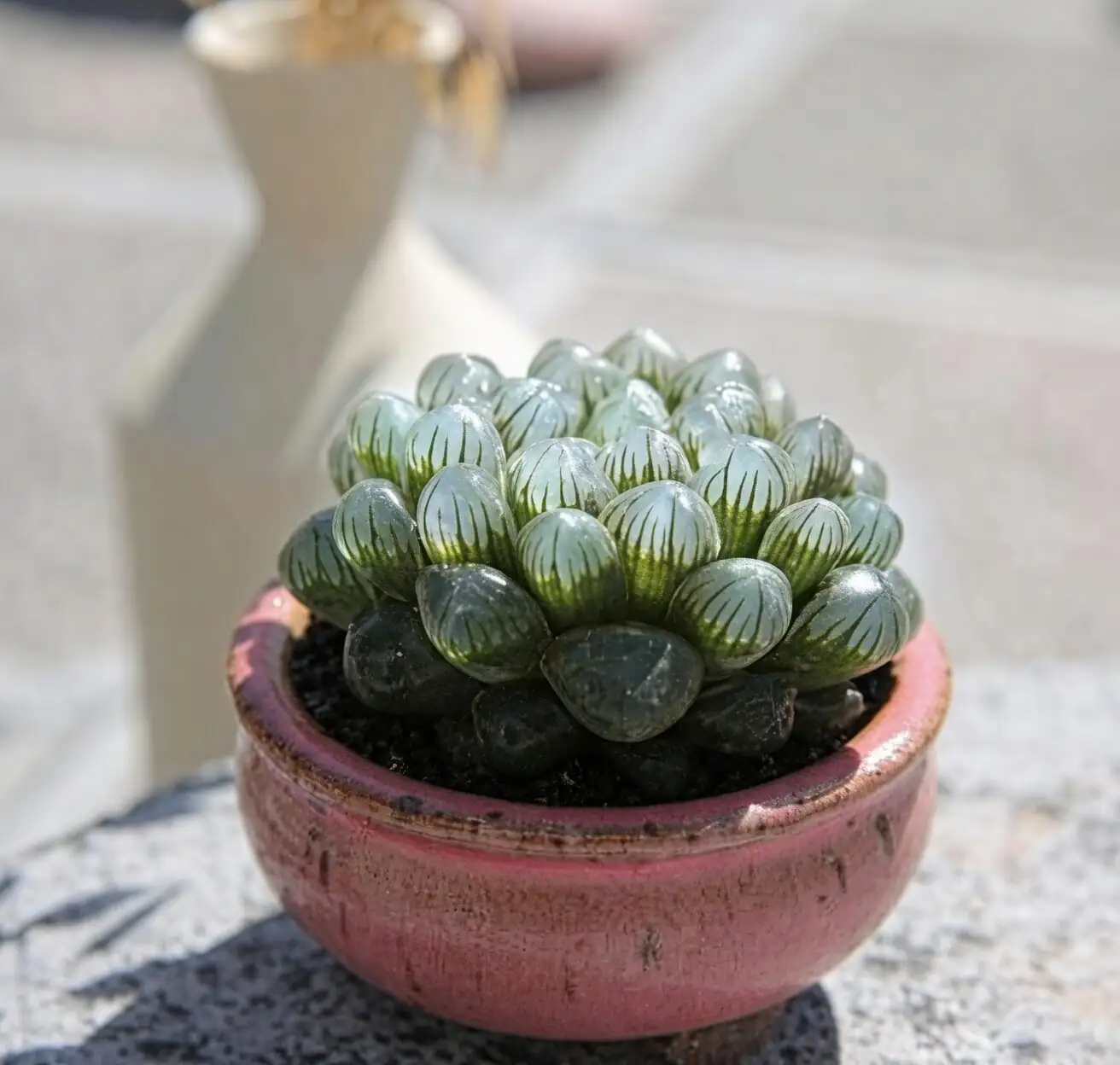
If your ideal houseplant is as much jewel as it is living thing, Haworthia cooperi delivers. Those plump rosettes end in translucent “window” tips that glow like sea glass when the light is just right. The styling secret is giving it bright, filtered light—never harsh noon sun—then framing the glow with clean lines, mineral textures, and desk-friendly groupings.
Here’s how to let this tiny treasure shine without ever scorching a leaf.
Meet your crystal rosette
- Name: Haworthia cooperi (Cooper’s Haworthia), also called Crystal or Window Haworthia
- Family: Asphodelaceae; genus Haworthia
- Origin: Southern Africa (especially South Africa’s Eastern Cape)
- Habit: A compact, clump-forming succulent that stays about 10 cm (4 in) across as a houseplant
- Foliage: Tight rosettes of fleshy, light-to-medium green leaves with darker, vein-like markings; the tips are beautifully translucent “windows”
- Flowers: Slender stalk with small, pale tubular blooms in spring; pretty, but the foliage is the headliner
- Safety: Generally considered non-toxic to humans and pets
Light, not scorch: interior placements that make the windows glow
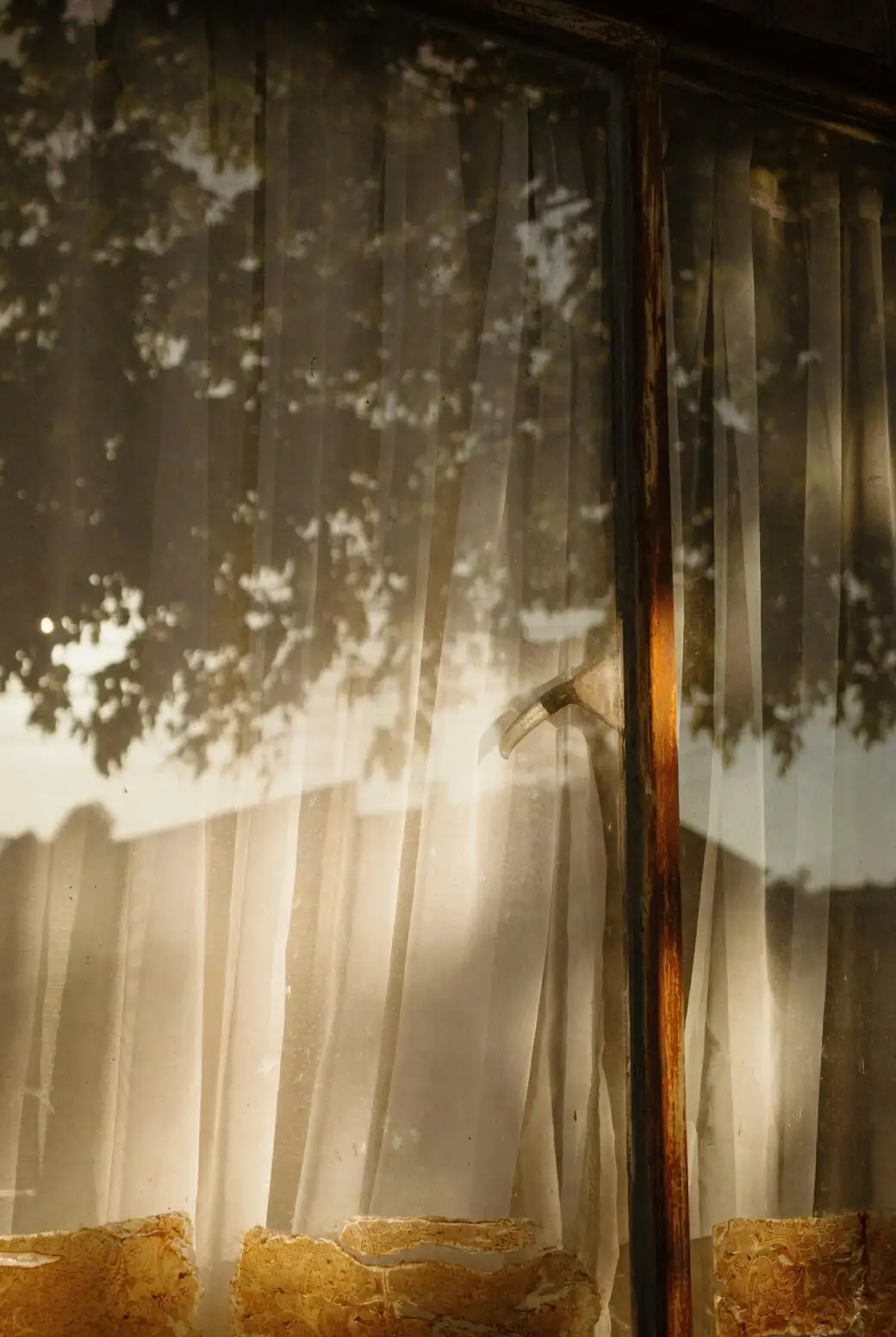
Think of Haworthia cooperi as a fan of morning spotlight and afternoon shade. The goal is bright, filtered light that lights up the “glass” tips without baking the rosette.
- East-facing windows: The gold standard. Morning sun is gentle; by midday, the plant enjoys bright, indirect light that keeps tips crystal-clear.
- Lightly shaded south windows: Set it a step or two back, or hang a sheer curtain to diffuse the rays. Midday, direct sun can scorch; diffusion keeps the plant pristine.
- Bright desks and shelves: Near a bright window with reflected light off pale walls works well. If the plant leans or stretches, move it slightly closer or add a sheer to amplify and soften light simultaneously.
- Airflow counts: Good ventilation prevents moisture from lingering in leaf bases. Open a window briefly on mild days or keep gentle air movement in the room.
Tip: If leaf tips look hazy or the rosette stacks upward (stretching), it wants a bit more brightness—still filtered.
Pots and surfaces: make it a miniature, modern landscape
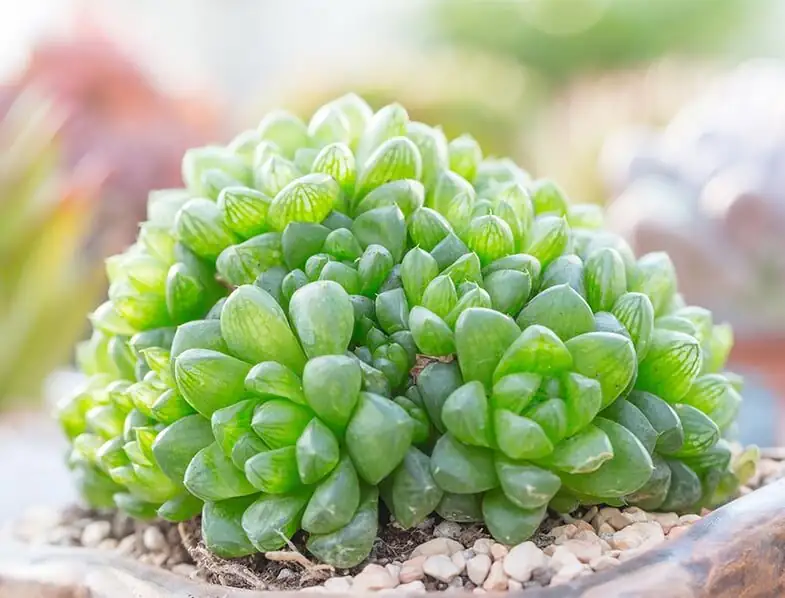
Haworthia cooperi’s shallow roots love wide, not deep. Choose a pot with drainage, then turn the surface into a tidy, light-bouncing stage.
- Pot shape and size
- Use a shallow container (12–15 cm / 4.7–5.9 in wide) with drainage holes.
- Avoid deep pots; this plant’s roots are relatively shallow.
- Mineral, free-draining soil
- A gritty succulent mix is essential: cactus soil amended with coarse sand, pumice, or grit.
- Avoid moisture-holding mixes; lingering dampness invites root and crown rot.
- Mineral top-dress (style plus function)
- Top-dress with 0.5–1 cm of quartz gravel, pumice, or granite chips.
- Benefits: a crisp gallery finish, cleaner leaves, less splash, fewer fungus gnats, and a subtle light-reflective “uplight” effect that makes windowed tips glow.
- Keep the rosette base just above the gravel line—don’t bury the neck.
Material palette ideas:
- White quartz for a modern, airy look that bounces light back through the leaf windows.
- Soft gray granite for a serene, stone-garden vibe.
- Pumice for a lightweight, cloudlike finish that also boosts drainage.
Styling ideas that protect and showcase
- The “East Window Glow” vignette
- One Haworthia cooperi centered in a shallow, matte-white pot.
- White quartz top-dress to reflect morning light.
- Perch on an east sill; add a sheer if spring sun becomes a bit too bold.
- The “Sheer South” shelf
- A slim shelf 30–60 cm back from a south window, shielded by gauzy curtains.
- Pair your cooperi with another shade-loving succulent (e.g., a compact Gasteria or a second Haworthia) in matching pots for a minimalist diptych.
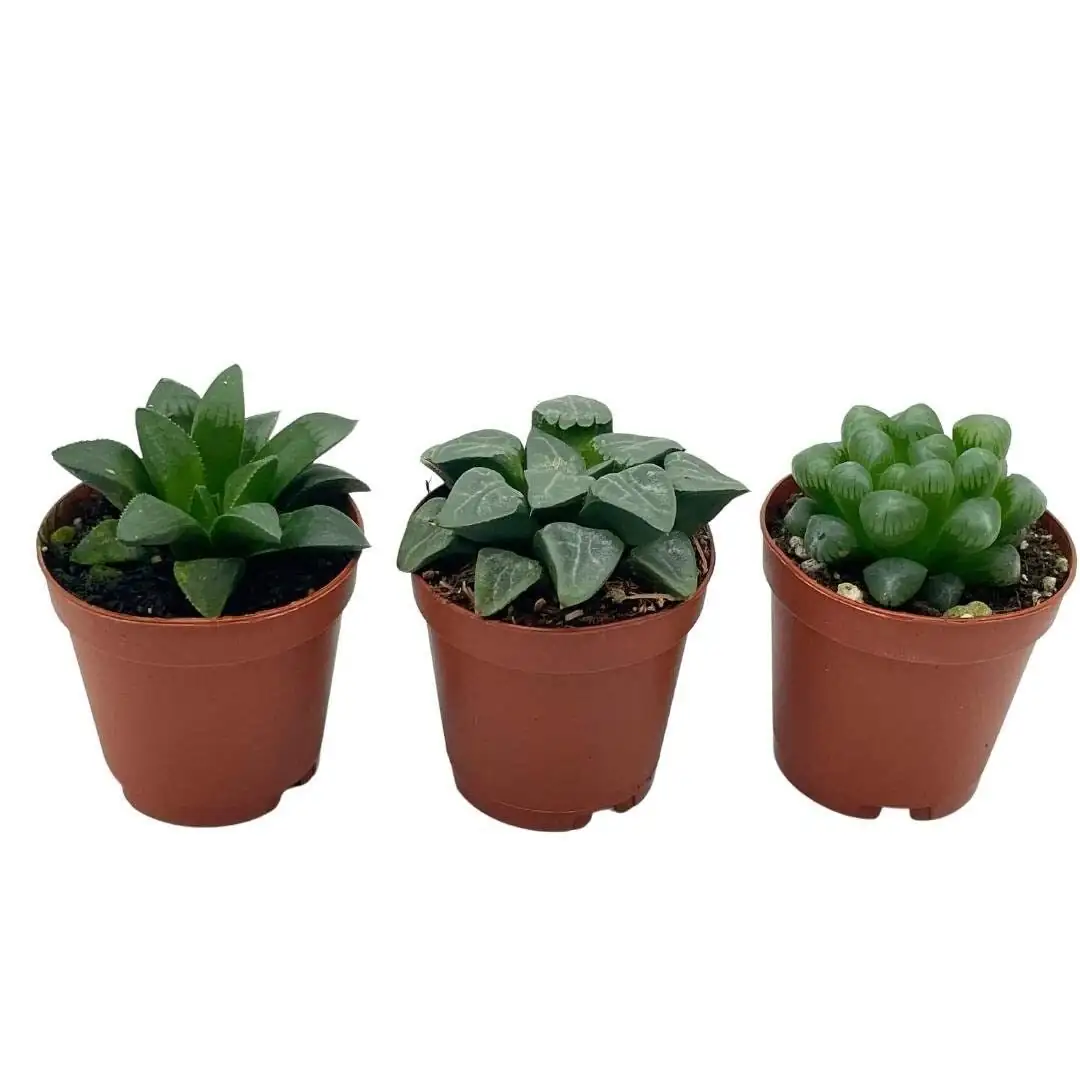
- The “Desk-Scale Trio”
- A low tray with three small, individual pots (each with drainage) clustered loosely, with mineral pebbles scattered between to unify.
- Vary leaf textures within Haworthia and keep color tones calm; the translucence becomes the star.
- Balcony note
- On a sheltered balcony, use shade cloth for dappled light and ensure good airflow. Avoid direct midday sun.
Avoid sealed terrariums and cloches—especially in warm weather. Trapped humidity and heat are enemies of this rosette.
Watering, feeding, and the rosette’s well-being
Keep it simple: water well, but only when the mix is dry.
- Watering rhythm
- Spring and autumn (active growth): Often about once a week indoors, but always check that the mix is dry first. Water the soil, not the rosette center, and let excess drain.
- Hot midsummer: Growth may pause; water much less and increase ventilation to prevent rot.
- Winter: Keep it bright and coolish; water very sparingly and never let the pot sit in water.
- Fertilizer
- During active growth, feed roughly monthly with a diluted, balanced or low-nitrogen succulent fertilizer.
- Don’t let fertilizer solution sit in leaf bases.
- Humidity and airflow
- Prefers dry to average indoor humidity. If the air is extremely dry, lightly mist the air nearby (never into the crown) and keep air moving.
- Temperature
- Ideal 18–22°C (64–72°F). Keep above 5°C (41°F) in winter and protect from frost.
Pro tip: Use a narrow-spout watering can or squeeze bottle to aim for the soil surface. If any water collects in the rosette, tip the pot gently to drain it away.
Repotting and propagation: edit and expand your display
- Repotting
- In spring, refresh the gritty mix if the clump fills the pot. Trim old, hollow, or overly long roots and remove any shriveled lower leaves.
- Offsets (pups)
- The easiest way to multiply. Gently separate offsets in spring, allow cuts to callus, then pot into a gritty mix. Water lightly at first.
- Leaf cuttings and seed
- Leaf cuttings can work in late spring to early summer if the leaf is allowed to callus well. Seed is possible indoors in spring (steady warmth and bright light), but offsets are much quicker.
Design tip: Propagate a few pups to create a repeating trio—one on the windowsill, one on your desk, and one as a gift. Repetition harmonizes a room.
Troubleshooting the look (and the plant)
- Brown, dry patches on leaf tips or shoulders = sun scorch. Add a sheer curtain or move a bit farther from the window.
- Mushy base or yellowing leaves = excess moisture. Check drainage, increase airflow, and extend the interval between waterings.
- Rosette stretching upward = insufficient light. Nudge closer to bright, filtered light.
- Mealybugs/whitefly = spot, isolate, and treat with insecticidal soap or an appropriate systemic. A clean mineral top-dress makes pests easier to see.
- Flowers look modest? That’s normal. You can let the slender spring stalk rise or clip it to keep the rosette tidy and conserve energy.
Choosing a showpiece plant
When shopping, look for:
- A sturdy, symmetrical rosette around 10 cm (4 in) across
- Firm, plump leaves with clear, translucent tips
- No brown scorch marks, no soft or rotting spots, and no visible pests
Symbolism and “flower language”
Haworthia cooperi is often associated with resilience and quiet determination—fitting for a plant that thrives on restraint, bright-but-gentle light, and just-in-time watering. If you see it assigned “flower language” meanings, those are modern interpretations rather than historical lore. Its real story is ecological elegance: those translucent windows are a South African survival adaptation, channeling light into the leaf while the plant shelters from intense sun—an understated metaphor for strength through subtlety.
Three quick design recipes
- Morning Glass (east window)
1) Shallow, white pot; gritty succulent mix.
2) Haworthia cooperi centered; white quartz top-dress.
3) Place on an east sill with a sheer at the ready for spring’s brighter days.
- Soft South (filtered south light)
1) Matte stoneware pot; granite chip top-dress.
2) Set 30–60 cm back from a south window behind voile curtains.
3) Pair with a second compact Haworthia for a calm, sculptural duo.
- Desk Oasis (tray grouping)
1) Three small pots (with drainage) in a low tray.
2) Mix of quartz and pumice top-dress for a curated, cohesive surface.
3) Rotate a quarter turn every couple of weeks for even growth; water each only when its mix is dry.
Care at a glance
- Light: Bright, filtered light to partial shade; protect from harsh midday sun
- Water: Thoroughly only after the mix dries; much less in heat and winter
- Soil: Very free-draining, gritty succulent mix
- Temperature: 18–22°C ideal; keep above 5°C in winter
- Humidity: Dry to average; never let water sit in the rosette
- Hardiness: Not frost-hardy; best indoors or outdoors only in USDA Zone 10–11 when dry and protected
When you style Haworthia cooperi as you would a piece of glass art—soft light, clean lines, and mineral accents—the plant pays you back with a quiet, crystalline glow that turns a windowsill or desk into a small sanctuary.