

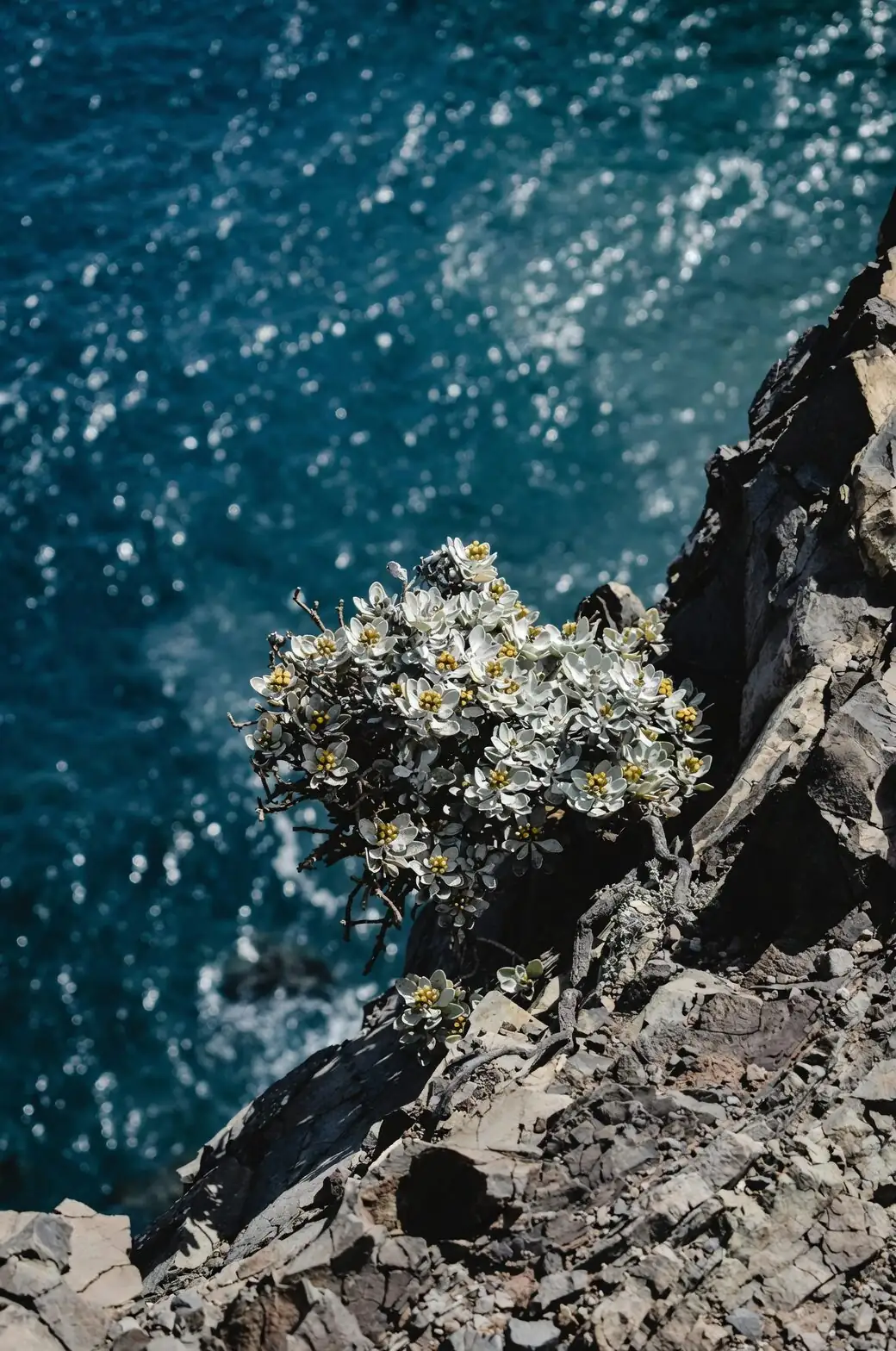
Morning light pours across the Eastern Cape, and on a sun‑bleached cliff ledge a tiny rosette presses itself low against the grit. Its leaves look like water droplets—plump, clear at the tips, as if the rock has sprouted glass. This is Haworthia cooperi, the “window haworthia,” and its story is one of brilliant smallness: surviving harsh sun, skimming by on shallow soil, and turning translucence into triumph.
Where it began: the Eastern Cape origin story
The roots of H. cooperi trace to southern Africa—especially South Africa’s Eastern Cape—where the land is rugged and the light is fierce. Picture:
- Cape Fold mountain valleys and cliff bands
- Skimpy pockets of sandy, mineral soils in rock crevices
- Summer glare relieved only by the dapple of shrubs or the cool edge of a boulder
Across this mosaic, H. cooperi stays compact and close to the ground, often half‑buried, tucking itself into the shade and windbreaks that rocks provide. In spring, a slender flowering stalk rises with modest, pale tubular blooms; in time, offsets push from the base, building small, tight clumps that anchor the plant against heat and desiccation.
Life on the edge: cliffs, crevices, and bright but buffered light
- Harsh midday sun can be punishing on exposed slopes—plants cope by hugging shade lines and staying low.
- Soils are shallow and gritty, draining fast after sporadic rain. Roots are short and opportunistic, exploring the top few centimeters where moisture lingers briefly.
- Light is abundant, but the plant’s sweet spot is filtered or reflected light rather than direct noonday blaze.
This is an environment that rewards thrift, clever light‑harvesting, and an unshowy resilience.
The making of a “window” plant
Haworthia cooperi’s iconic look—translucent “leaf windows” at the tips—didn’t evolve to dazzle collectors. It’s a survival mechanism.
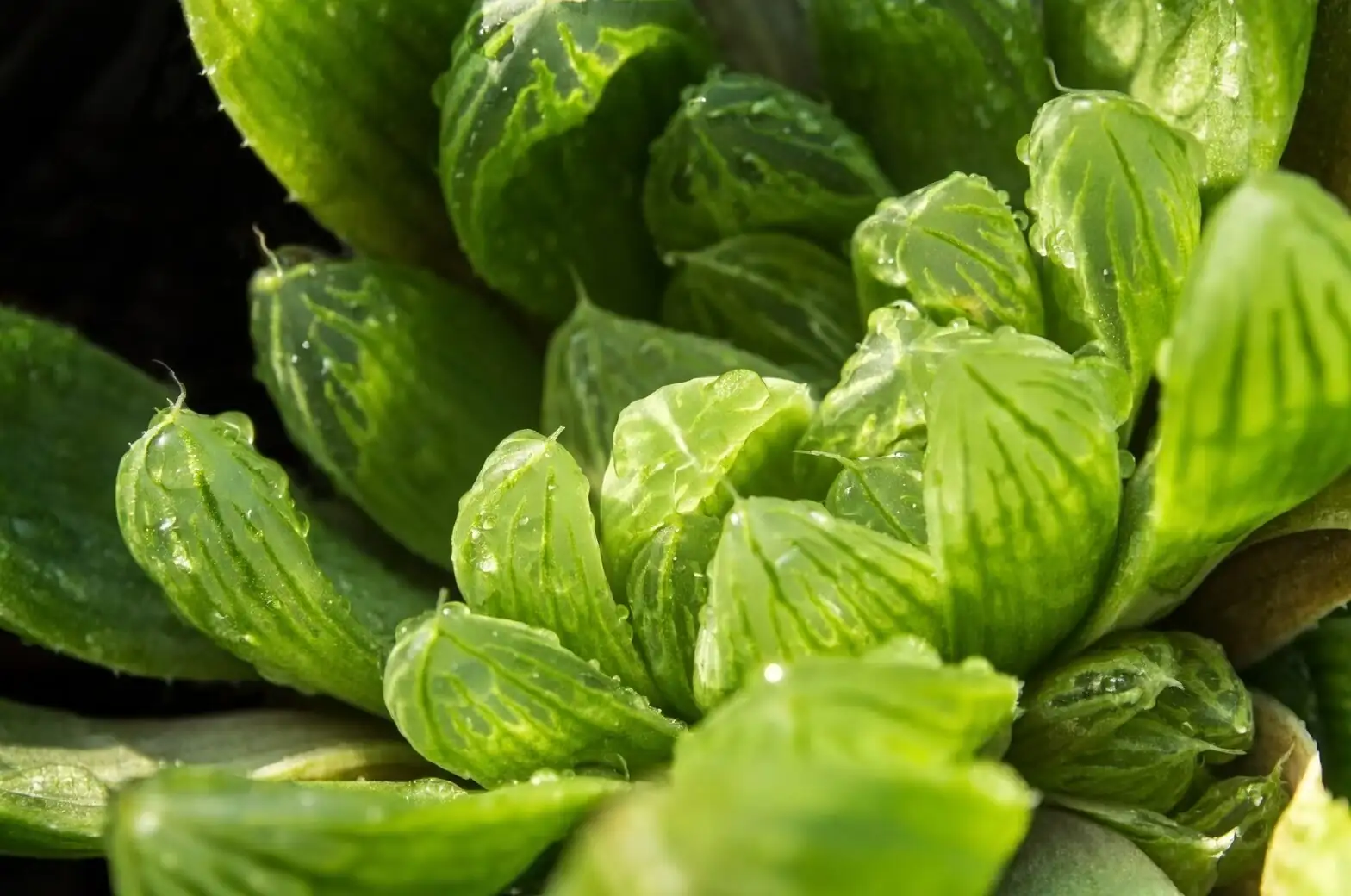
Skylights for a buried factory
Think of each rosette like an underground studio lit by skylights:
- The translucent tips act as windows, ushering light into deeper tissues while most of the photosynthetic machinery stays shaded and cool.
- By keeping chlorophyll‑rich tissues below the surface and exposing clear, low‑pigment tissue above, the plant avoids scorching and minimizes water loss.
- The lens‑like tips scatter and channel light, letting photosynthesis happen safely “indoors” even as the rosette sits flush with sand or stone.
This clever architecture isn’t unique to H. cooperi—other South African succulents, like Lithops and Fenestraria, use windows too—but H. cooperi perfects it in jewel‑like rosettes that glow under bright, indirect light.
Micro‑adaptations across the Eastern Cape
- Cliff‑huggers: Along the Grootrivier system—including the Kouga and Baviaanskloof Rivers—some H. cooperi populations anchor into sheer cliff faces, staying tiny, tight, and bright green with partially translucent tips. The terrain is so inaccessible that these colonies are naturally protected.
- Velvet windows: In a small area near the Kasouga River, a fuzzy‑tipped form exists, cloaking its windowed leaves in soft hairs—nature’s way of softening light and slowing evaporation at the leaf surface.
Together, these forms read like field notes in evolution’s notebook: variations on a theme of managing light, heat, and thirst.
From cliff ledges to your windowsill
Bringing H. cooperi indoors is easy when you mirror its native cues: bright but gentle light, a gritty mix, and long sips rather than constant drinks.
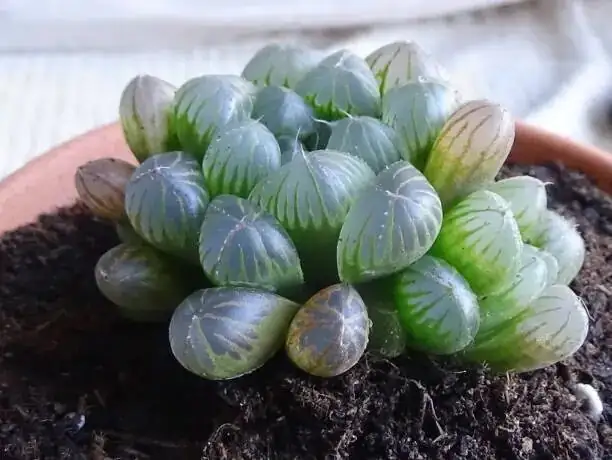
Light
- Best: bright, filtered light or partial shade.
- Indoors: an east‑facing window or a lightly shaded south window is ideal.
- Avoid: harsh, direct midday sun that can scorch those glassy tips.
Water
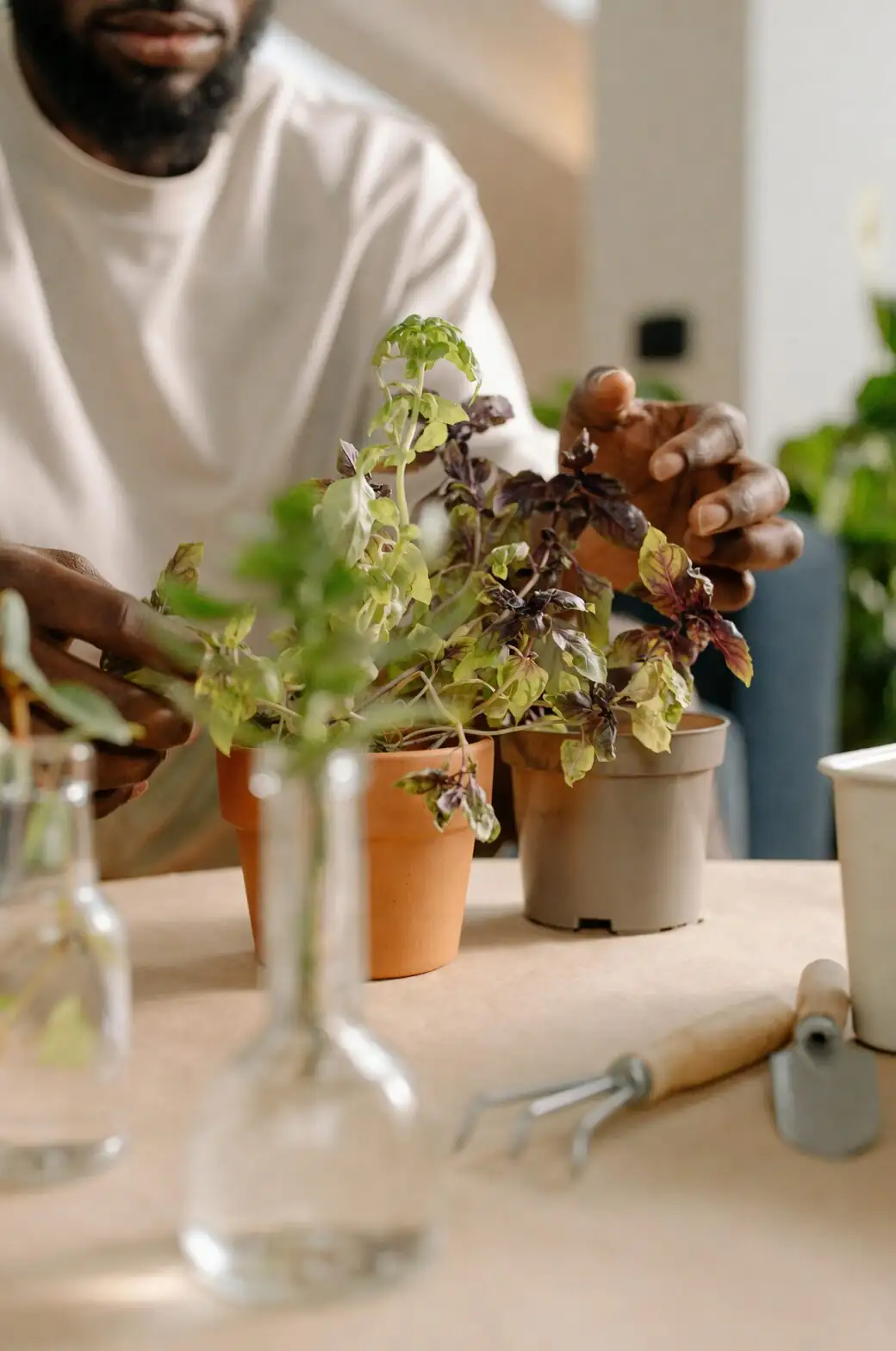
- Water thoroughly only after the mix has fully dried.
- Spring and autumn (active growth): often about once per week in warm, bright conditions—adjust to your pot size and home climate.
- Hot midsummer: growth may pause; water much less to prevent yellowing and basal/crown rot.
- Winter: keep above 5°C (41°F), maximize light, and water very sparingly.
Soil and potting
- Use a very free‑draining, gritty succulent mix (cactus soil amended with coarse sand, pumice, or grit).
- Shallow roots prefer not to sit in deep, damp pots—choose a pot with drainage and avoid extra depth.
- It often looks best slightly pot‑bound in a 12–15 cm (4.7–5.9 in) container for mature clumps.
Temperature and humidity
- Ideal growth: 18–22°C (64–72°F).
- Protect from frost; outdoors only in frost‑free zones (USDA 10–11) if kept dry and sheltered.
- Average indoor humidity is fine; ensure airflow so moisture never lingers in the rosette.
Feeding and grooming
- Feed monthly in active growth with a diluted balanced or low‑nitrogen succulent fertilizer.
- Clean up: remove shriveled lower leaves during spring repotting; trim old or overly long roots.
- Flowers are modest; you can clip the stalk to conserve energy.
Propagation
- Offsets/division: separate pups in spring, let wounds callus, then set in gritty mix; water lightly at first.
- Leaf cuttings: possible in late spring to early summer if well‑callused before planting.
- Seed: sow indoors in spring at 21–24°C (70–75°F); steady warmth and bright light help germination.
Buying guide
Choose a sturdy, symmetrical rosette around 10 cm (4 in) across with:
- Firm, plump leaves and clear, unblemished windows
- No brown scorch marks or soft/rotting patches
- No visible pests
Health, pests, and safety
- Biggest risks: overwatering and stagnant air leading to root/crown/leaf rot.
- Pests: mealybugs and whitefly can appear; remove affected tissue and treat with appropriate controls.
- Generally considered non‑toxic to humans and pets; still, keep out of curious mouths.
Characters from the cliffs: a few memorable forms
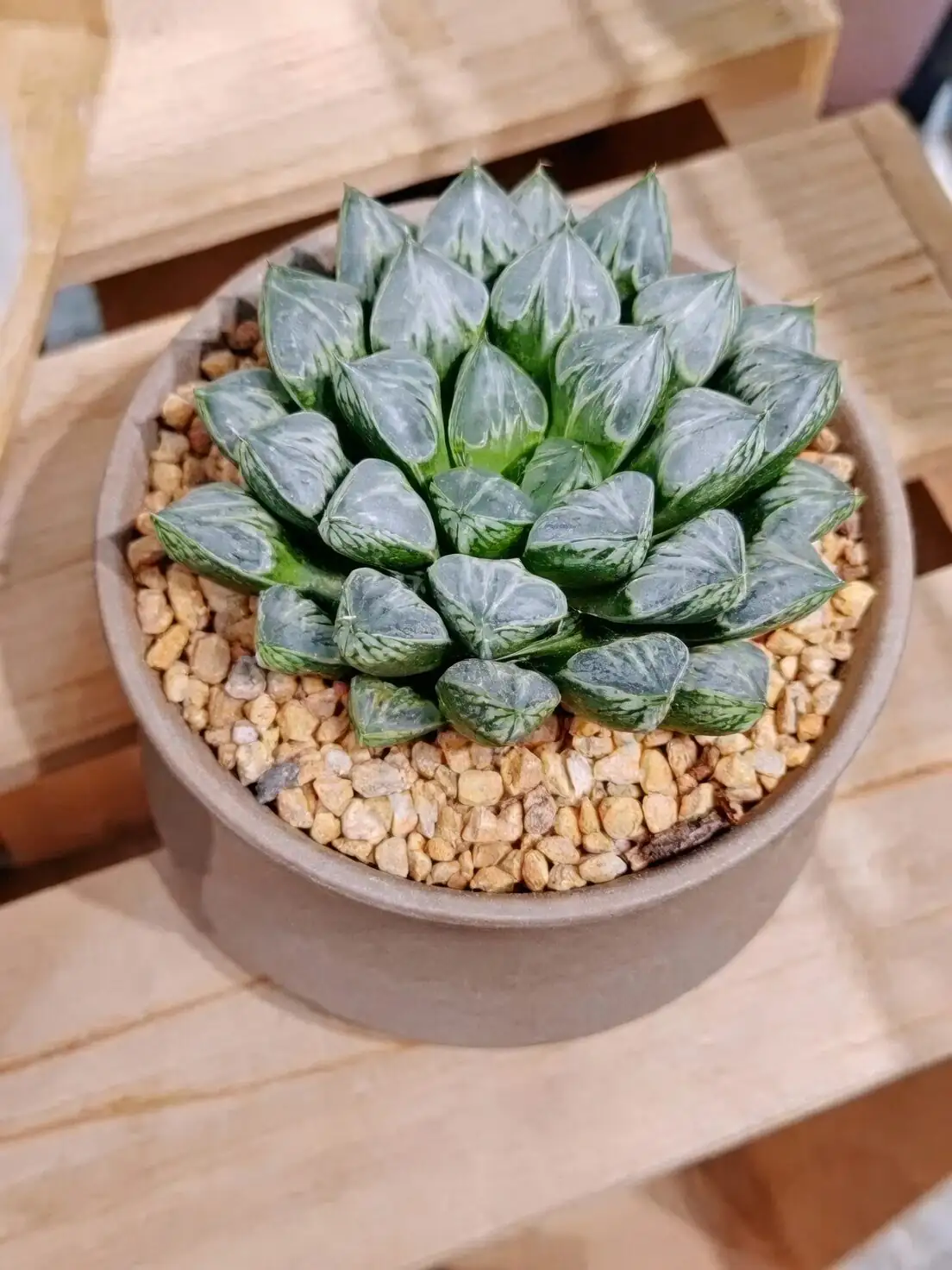
- Grootrivier cliff‑haworthia (H. cooperi var. picturata): dwarf, compact rosettes clinging to cliffs along the Grootrivier system in the Eastern Cape; windows glow brightest in filtered light; spring to early summer bloom.
- Kasouga River velvet (H. cooperi var. venusta): a small, slow charmer with silvery hairs dusting its windowed leaves, endemic to a tiny area near the coast.
These aren’t fashion cultivars as much as micro‑portraits of place—each one a precise answer to a different balance of light, wind, and rock.
Spring bloom and quiet symbolism
In spring, a delicate stalk lifts pale, tubular flowers above the rosette—subtle by succulent standards. The foliage remains the star, but the bloom whispers what the plant already embodies: resilience and quiet determination. After all, H. cooperi thrives where soil is barely there, light can be merciless, and water arrives in brief, stingy visits. If there’s a “flower language” to this species, it’s the art of making much from little—of finding grace in constraint.
Quick cues from the wild
- Treat the leaf tips like skylights: give bright, indirect light, not a blowtorch of midday sun.
- Keep roots shallow and swift‑draining; think mineral grit over peat.
- Let the mix dry thoroughly before you water; even more so in summer heat and winter chill.
- Prioritize airflow over misting, and never let water sit in the rosette.
- For the clearest, most “crystal” windows, aim for plump but not waterlogged leaves in luminous, filtered light.
Back on that Eastern Cape ledge, the day is glaring and dry, yet the little rosette glows with stolen light. Bring one home, and you’ll see the same quiet miracle on your desk: sunlight, sipped through a window, turned into life.