

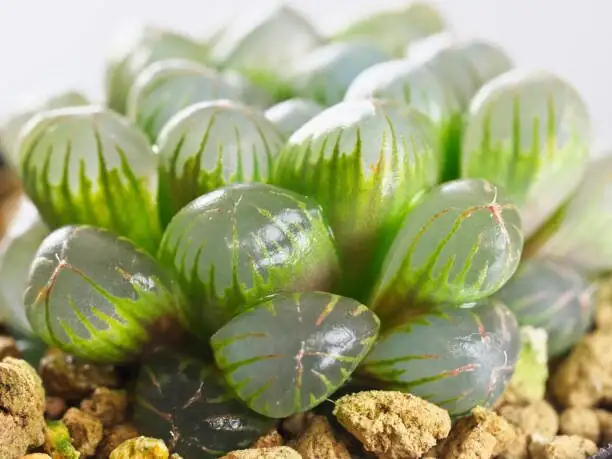
If your Cooper’s Haworthia (Haworthia cooperi)—the little “crystal window” succulent—suddenly looks sulky, don’t panic. This is a plant that thrives on simplicity: bright, filtered light, a gritty mix, and a patient watering hand. Below is a rapid-response guide to diagnose issues in seconds, fix them fast, and keep your jewel-like rosette glowing.
Know your plant at a glance
- Names: Cooper’s Haworthia, Crystal/Window Haworthia (Haworthia cooperi)
- Origin: Southern Africa (especially South Africa’s Eastern Cape)
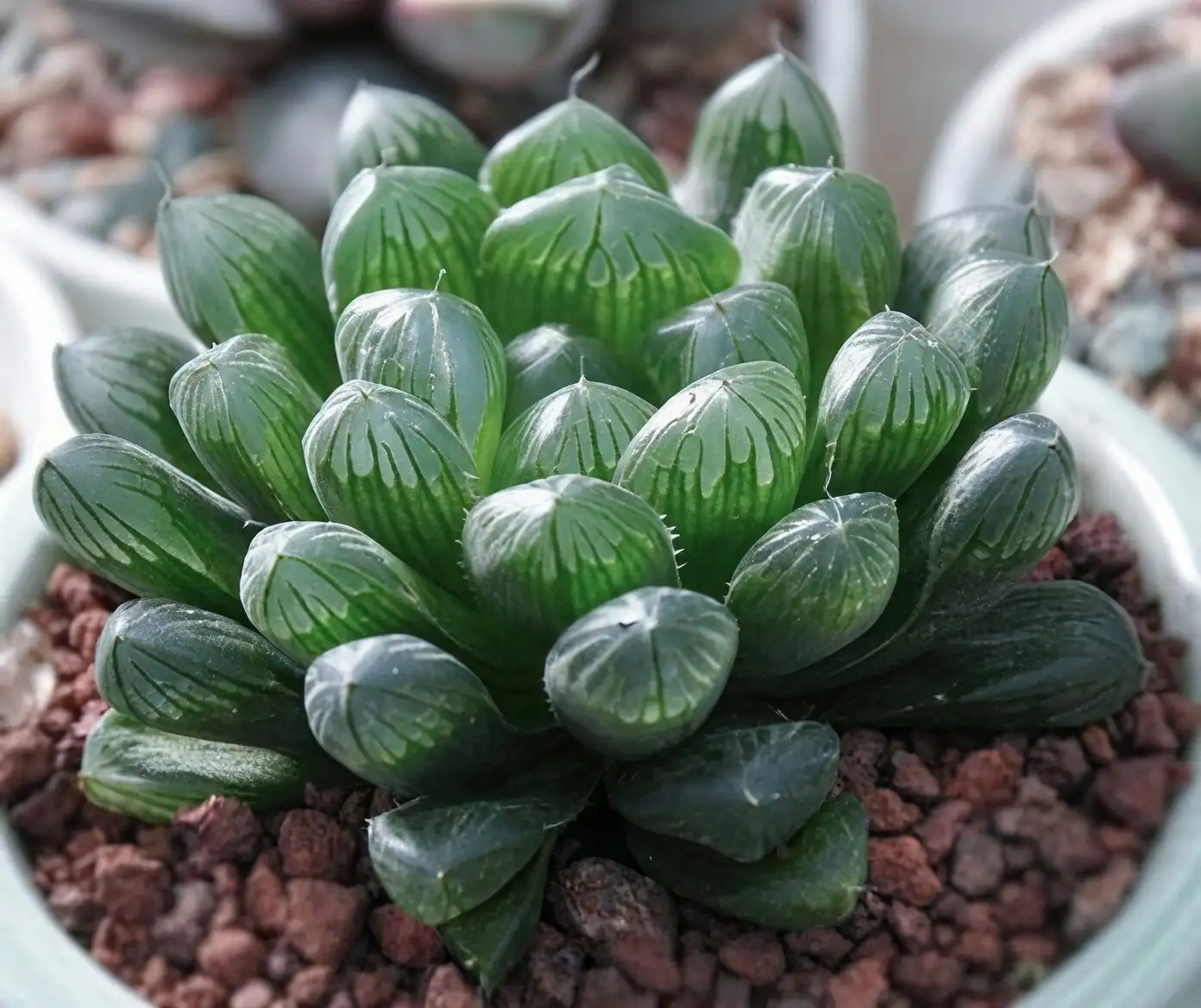
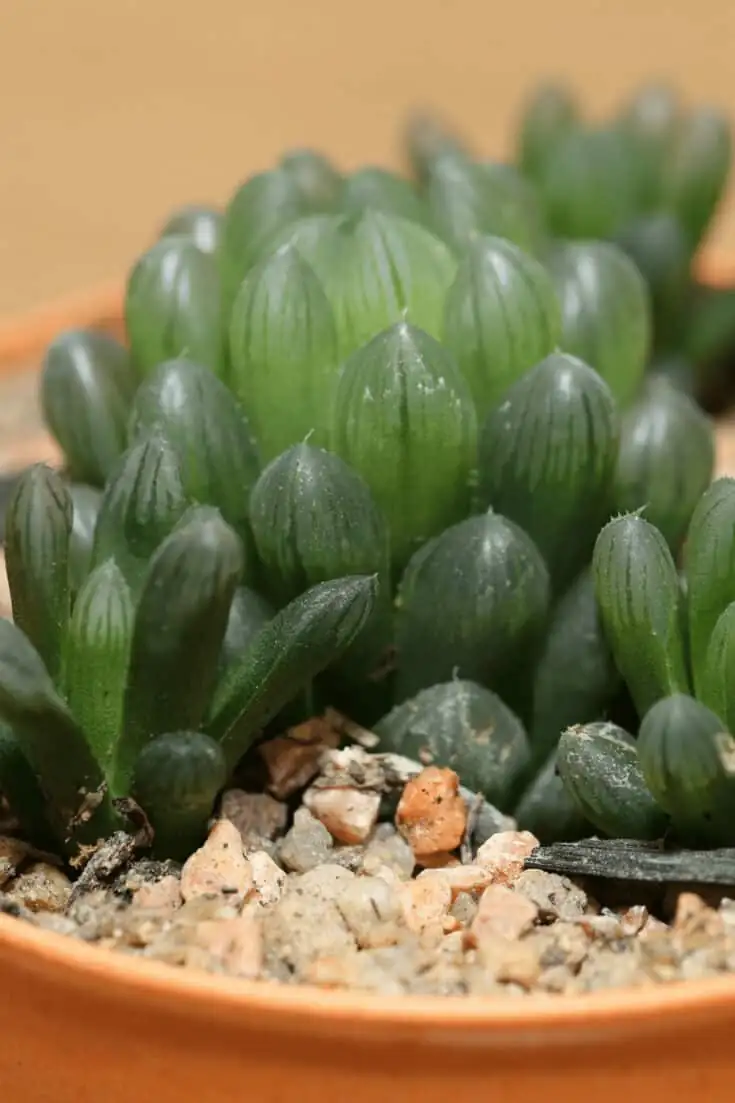
- Look: Petite, clumping, compact rosette with plump green leaves and translucent “windows”
- Size: ~10 cm (4 in) across as a houseplant
- Light: Bright, filtered light to partial shade (avoid harsh, direct midday sun)
- Temps: Best at 18–22°C (64–72°F); keep above 5°C (41°F) in winter
- Personality: Beginner-friendly when kept on the dry side
- Biggest pitfalls: Overwatering and leaf scorch
—
60‑second diagnostics: symptoms, causes, and instant actions
1) Soft, translucent base; leaves detach with a gentle tug
- Likely: Crown/basal rot from trapped moisture or overwatering
- Act now:
- Unpot immediately. Remove all wet soil.
- Cut away mushy tissue to clean, firm, green/white tissue.
- Let the plant and any cut surfaces dry/callus for 24–72 hours in bright, indirect light.
- Repot in a fresh, gritty, free-draining succulent mix. Do not water for 5–7 days; then water very lightly.
2) Mushy, brown roots; sour smell
- Likely: Root rot from water-retentive soil or poor drainage
- Act now:
- Unpot; rinse roots. Trim to healthy, white/tan, firm roots.
- Let roots dry/callus 24 hours. Repot into a mineral, fast-draining mix and a pot with drainage holes.
- Resume watering only after the mix is bone-dry.
3) Yellowing from the base; soil stays wet; summer heat wave
- Likely: Overwatering during warm-season slowdown
- Act now:
- Withhold water until mix is fully dry; increase airflow and shade.
- Move to bright, filtered light; never full, harsh midday sun.
- In hot midsummer, water much less—keep the mix on the dry side.
4) Bleached, brown, crispy tips or patches
- Likely: Sun scorch/light stress from harsh direct rays
- Act now:
- Shift to an east window or filtered light (sheer curtain/shade cloth).
- Acclimate gradually if returning to a brighter spot.
- Leave damaged leaves in place until new growth replaces them; remove only when fully dry.
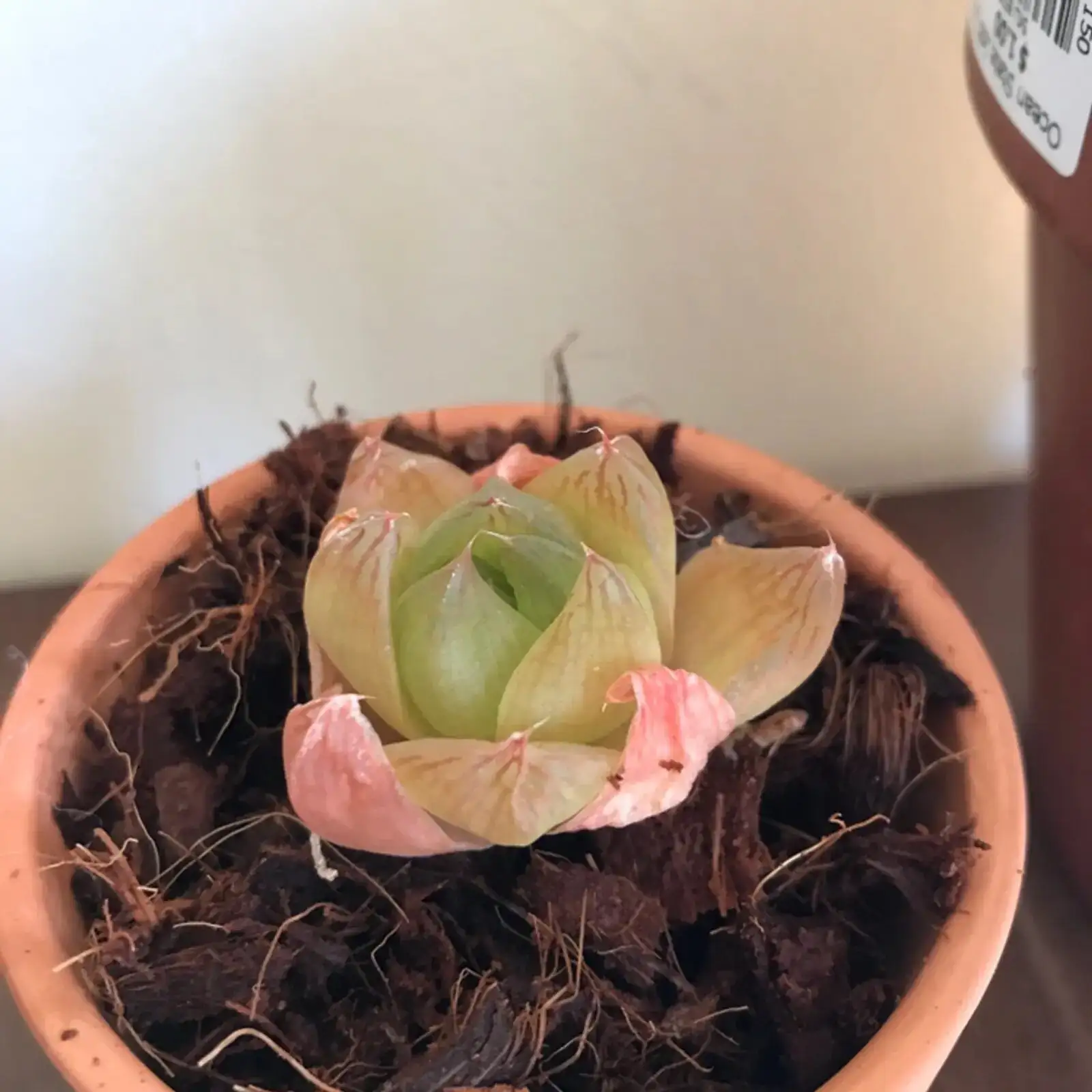
5) Stretched, open rosette; paler, “softer” look; leaning toward a window
- Likely: Low light (etiolation)
- Act now:
- Increase brightness to strong, indirect light (east-facing is ideal).
- Rotate the pot weekly for even growth.
- Consider a gentle grow light supplement if your space is dim.
6) Cottony tufts in leaf axils; sticky residue; stunted growth
- Likely: Mealybugs (whitefly can also show up)
- Act now:
- Isolate the plant. Dab visible pests with cotton swabs dipped in 70% isopropyl alcohol.
- Spray with insecticidal soap, ensuring coverage into crevices (don’t drench the crown).
- Repeat weekly for 3–4 weeks. For persistent cases, use a houseplant product labeled for sap-sucking pests (systemic or contact) as directed.
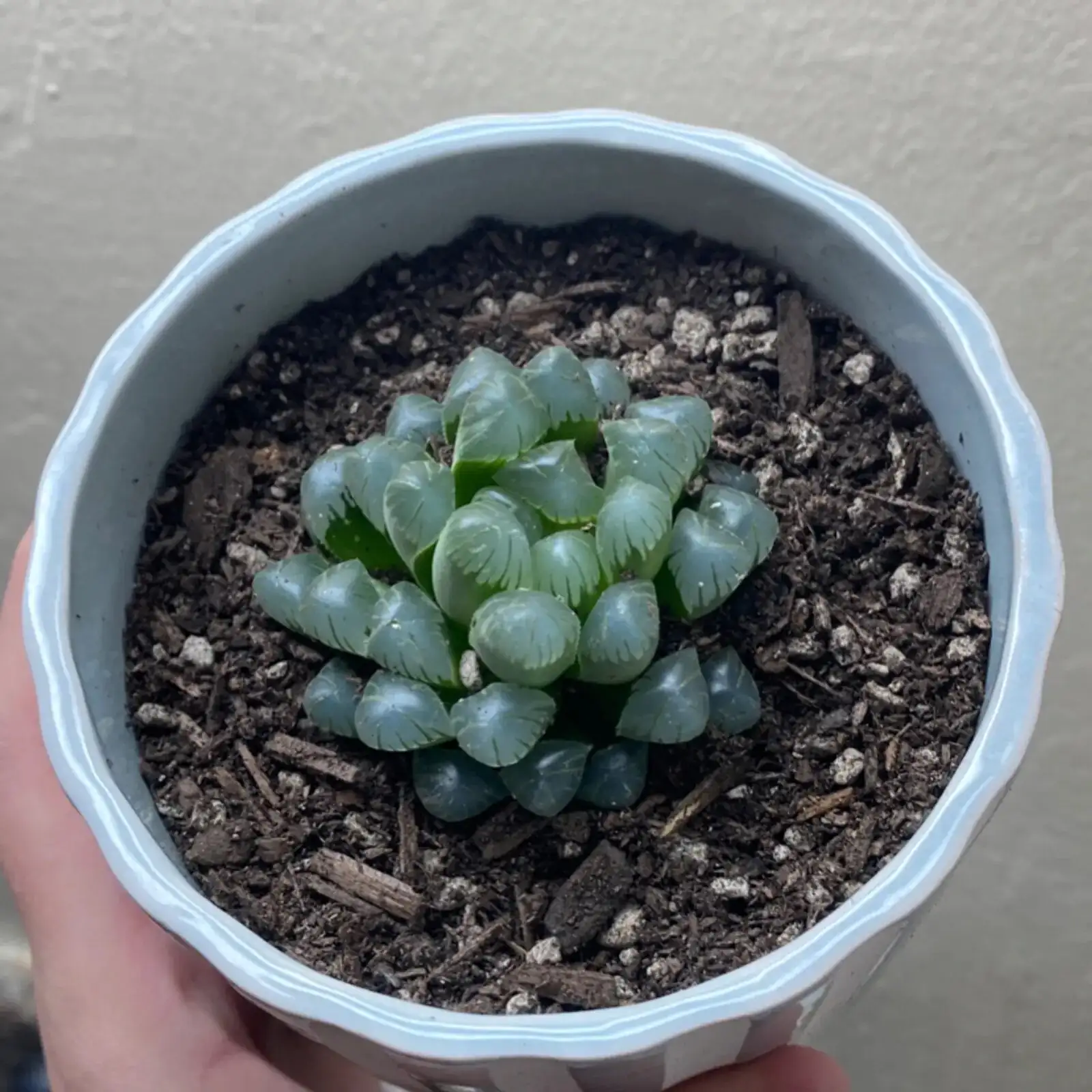
7) Wrinkled leaves; pot feels very light; roots firm
- Likely: Underwatering
- Act now:
- Water thoroughly until excess drains. Let the mix dry completely before the next watering.
- In bright, warm indoor spring/fall conditions, this can mean about weekly watering—adjust to your environment.
8) Leaves look dull; “windows” less glassy; growth sluggish
- Likely: Too little light or staying too wet
- Act now:
- Increase bright, filtered light. Let the mix dry longer.
- Aim for plump but not constantly soggy leaves to show the “crystal” windows best.
9) Sudden leaf collapse after watering in cool, dim conditions
- Likely: Cold + wet stress (common in winter)
- Act now:
- Keep above 5°C (41°F). Maximize light. Water very sparingly in winter.
—
Fast fixes: step-by-step treatments
Rot triage (crown/root)
1) Unpot and discard all wet soil.
2) Trim away all rot to clean, firm tissue; sterilize shears between cuts.
3) Allow the plant (and pups, if removed) to callus 24–72 hours in airy, bright shade.
4) Repot in a dry, gritty succulent mix in a pot with drainage; avoid deep pots (shallow roots).
5) Wait 5–7 days, then water lightly; resume normal watering only after the mix fully dries.
Overwatering course-correction (no obvious rot)
- Wick extra moisture with paper towels along the pot’s inner wall.
- Move to brighter, indirect light with strong airflow.
- Stop watering until the mix is fully dry; then water less frequently.
- Audit potting mix and pot: upgrade to a mineral, fast-draining blend and ensure drainage holes.
Light stress reset
- Scorch: Shift to filtered light, add a sheer curtain, and increase ventilation.
- Stretching: Increase brightness gradually over 7–10 days; rotate the plant; consider a gentle grow light positioned off to the side to mimic indirect sun.
Mealybugs/whitefly control
- Quarantine the plant.
- Mechanical removal (alcohol swabs) + insecticidal soap spray on both leaf surfaces and into tight axils.
- Repeat weekly for 3–4 weeks to catch life cycles.
- For root mealies (cottony tufts on roots): unpot, wash roots, repot into sterile, gritty mix, and use a product labeled for root mealybugs if needed. Improve airflow and avoid chronically damp soil.
Dehydration bounce-back
- Water thoroughly until excess drains out.
- Next time, water only after the mix is dry; in warm, bright spring/fall, that’s often about weekly indoors. Reduce sharply in hot midsummer or winter.
—
Prevention checklists
Light and placement
- Best: East-facing window or bright, filtered light; partial shade outdoors with shade cloth.
- Avoid: Harsh, direct midday sun—can scorch the translucent “windows.”
- Improve airflow: Don’t crowd plants; a small fan on low helps in warm, still rooms.
Watering rhythm
- Water thoroughly only after the mix dries.
- Typical cadence: about weekly in spring/fall (active growth) in warm, bright rooms—then adjust to your conditions and pot size.
- Hot midsummer: growth may slow—water much less and keep the mix drier to prevent crown/basal rot.
- Winter: keep above 5°C (41°F), maximize light, and water very sparingly.
- Technique tips:
- Water the soil, not the rosette; never let water sit in leaf bases.
- Empty saucers after watering.
- Morning watering is safest (faster dry-down).
Soil and pot
- Use a very free-draining, gritty mix: cactus soil amended with coarse sand, pumice, or grit.
- Avoid moisture-retentive mixes.
- Pot: Must have drainage; choose a shallower container to match shallow roots.
- Size: Many mature clumps are happy in a 12–15 cm (4.7–5.9 in) pot.
Humidity and ventilation
- Prefers dry to average indoor humidity; dislikes prolonged dampness.
- If air is extremely dry, you can lightly mist the surrounding air—but never into the rosette/crown.
- Avoid enclosed humid “bottle” conditions, especially in hot weather.
Feeding and hygiene
- Feed monthly in active growth with diluted balanced or low-nitrogen succulent fertilizer.
- Never fertilize stressed plants; keep fertilizer solution out of the leaf bases.
- Groom: Remove shriveled lower leaves; keep the surface free of debris to deter pests.
- Inspect: Check leaf axils weekly for mealybugs or whitefly.
Seasonal adjustments (quick calendar)
- Spring: Active growth—water when dry (~weekly), feed monthly, repot/divide offsets, tidy roots/leaves.
- Summer: May rest in high heat—provide shade, ventilation, and water much less.
- Autumn: Growth often resumes—return to “water when dry” cadence.
- Winter: Keep above 5°C (41°F), maximize light, and water very sparingly.
—
Routine care that prevents problems
Repotting and pruning (spring-friendly)
- Repot when the clump fills the pot (often annually in spring).
- Trim old, hollow, or overly long roots; remove dead lower leaves.
- If rot is found, cut back to healthy tissue, let callus, then repot into a dry, gritty mix.
- Flower stalks are modest; feel free to snip them to conserve energy.
Propagation to “back up” your plant
- Offsets/division: Separate pups in spring, allow cut points to dry, then pot in gritty mix. Water lightly at first.
- Leaf cuttings: Possible in late spring to early summer; allow a firm callus before setting in a free-draining medium.
- Seeds: Indoors in spring at 21–24°C (70–75°F). Expect germination in about two weeks under steady warmth and bright light.
—
Buying checklist (start with a healthy rosette)
- Symmetrical, compact rosette (~10 cm/4 in) with firm, plump leaves
- Clear, translucent tips; no brown scorch or soft/rotting patches
- No pests or cottony residue in leaf axils; no sticky honeydew
- Potting mix should be gritty and well-draining
—
Safety, uses, and quick FAQ
- Safety: Generally considered non-toxic to humans and pets; ingestion may still cause mild stomach upset—keep out of reach.
- Best spots: Desks, bedside tables, bright windowsills, or sheltered balconies with shade cloth and good airflow.
How can I make the “windows” look clearer and more crystal-like?
- Give bright, indirect light and water only after the mix dries. Leaves should be plump, not swollen from constant moisture. Some growers briefly use a clear cover to raise humidity—but it must be well ventilated and is risky in hot weather (overheating/rot). Prioritize airflow and a gritty mix.
—
A note on symbolism and “flower language”
Haworthia cooperi is often associated with resilience and quiet determination—small, steady, and stunning without fuss. While not tied to major legends, its leaf “windows” are a real adaptation that channels light deeper into the plant, a metaphor many enthusiasts translate as inner clarity. As for modern “flower language,” take it as a poetic, community-created tradition rather than historical lore: in this case, the message is simple—thrive beautifully on little, and keep your inner light.
—
The golden rules (pin these for prevention)
- Bright, filtered light; never harsh midday sun
- Gritty, fast-draining mix; shallow pot with drainage
- Water deeply, then wait until bone-dry—less in heat, very little in winter
- Keep water out of the rosette; maximize airflow
- Inspect often; act early on pests and soft spots
Follow these, and your “window” succulent will stay compact, jewel-bright, and drama-free—exactly the kind of quiet star every windowsill deserves.