

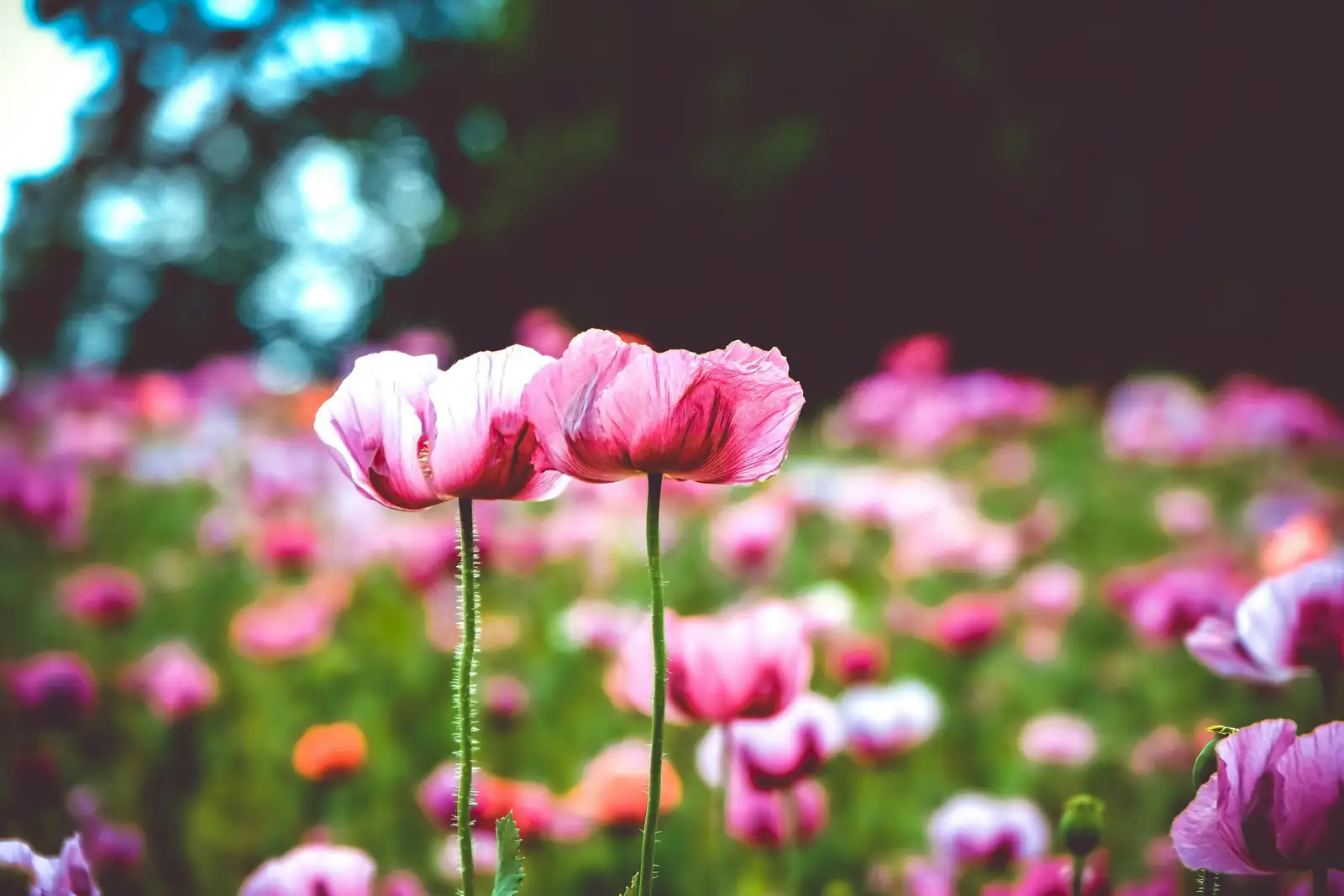
If you’ve ever fallen for those silky, poppy-like blooms in late winter and spring and wondered why they vanish by summer—or why your “bulbs” won’t sprout—welcome to the world of Anemone coronaria, the poppy anemone. This Mediterranean windflower dazzles in containers, spring borders, and bouquets, but it’s also surrounded by myths. Let’s set the record straight so you can grow it like a pro.
Myth #1: “It’s a poppy.”
Poppy anemones just look like poppies. Botanically, they’re in the buttercup family (Ranunculaceae), not the poppy family (Papaveraceae).
How to tell them apart at a glance:
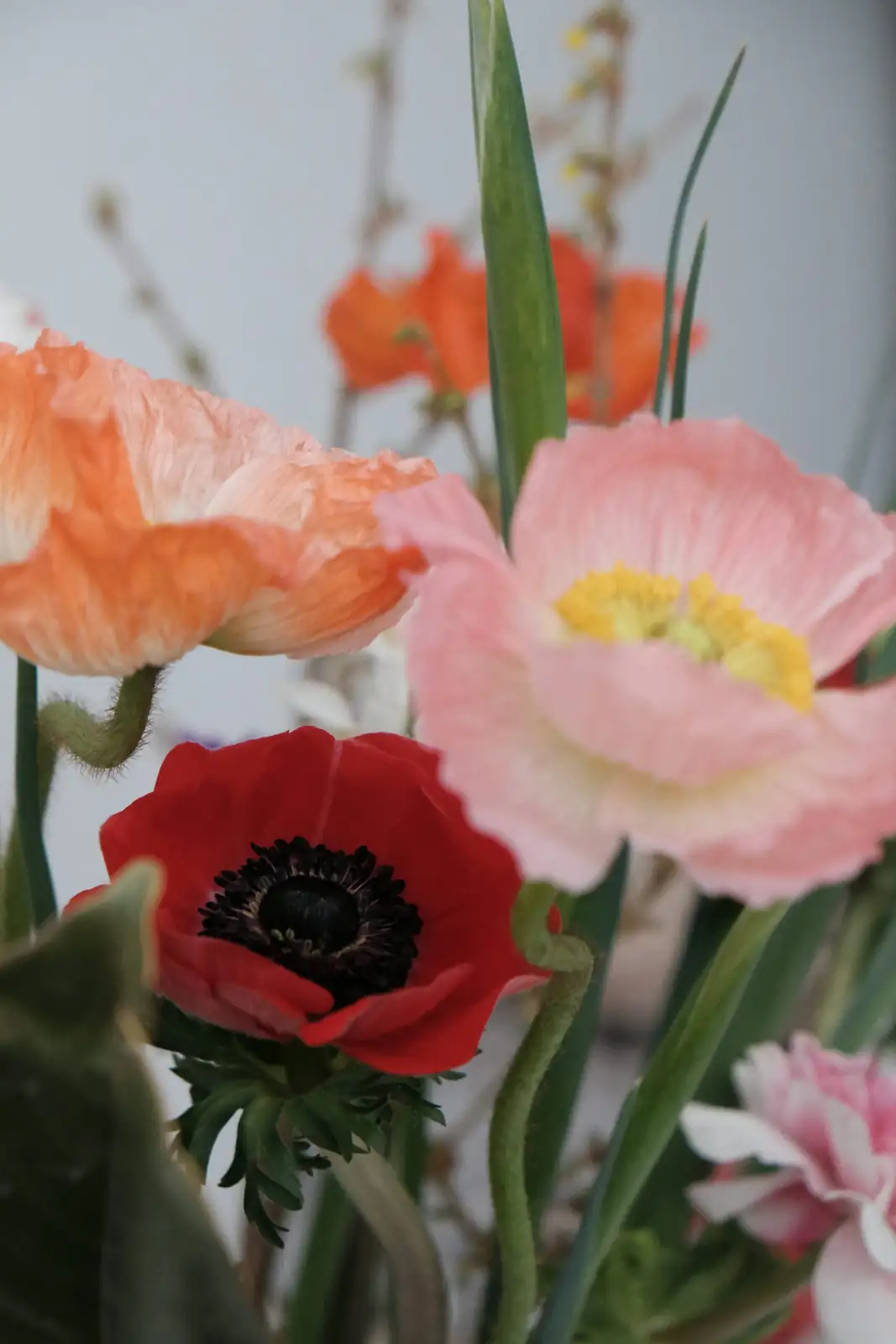
- Flower parts: Anemone coronaria shows petal-like sepals (no true petals), while true poppies have distinct petals that drop easily.
- Bud posture: Many poppies carry nodding buds that lift as they open; anemone buds are typically upright on wiry stems.
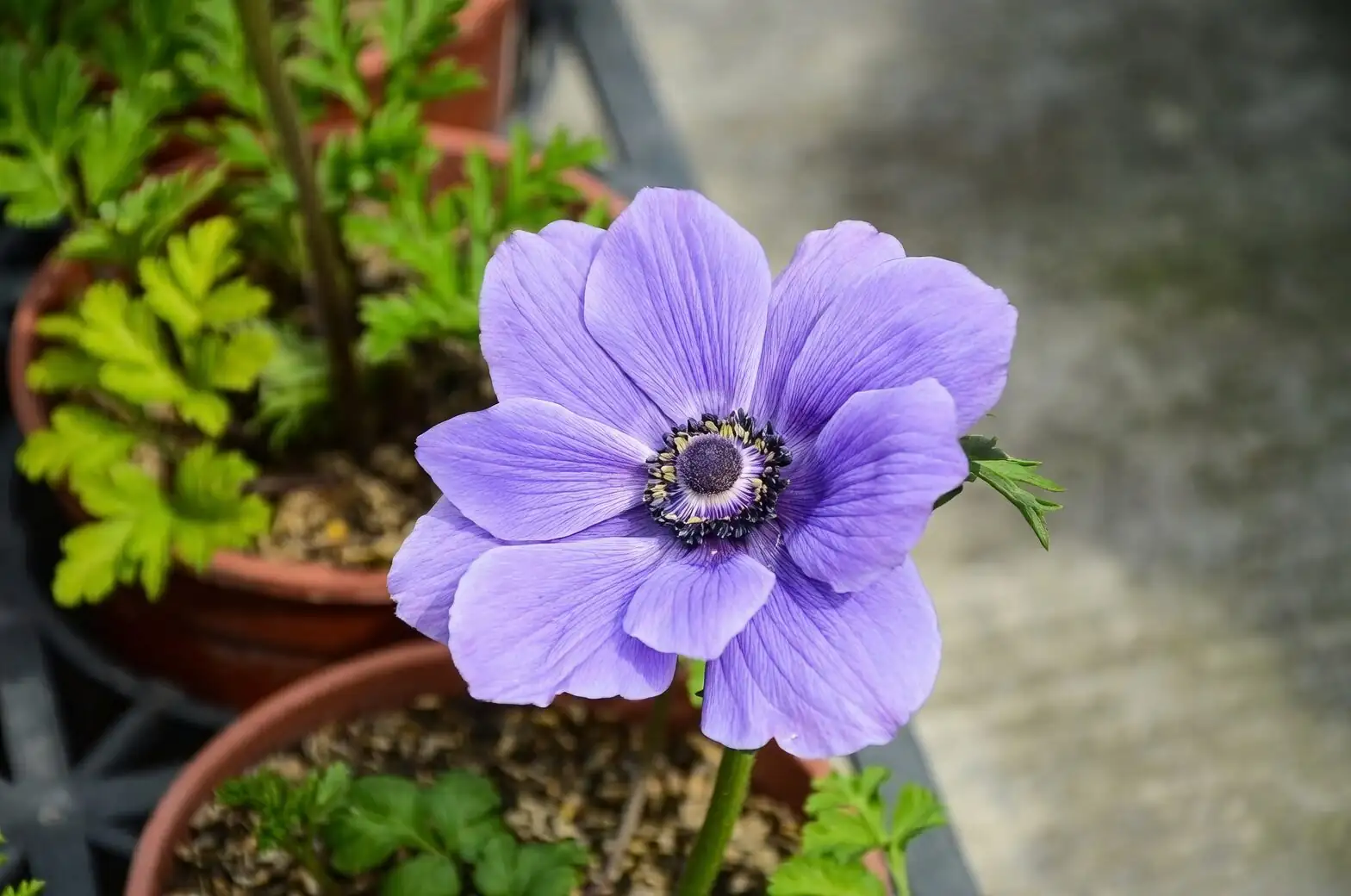
- Centers: Poppies have a signature flat, radiating stigma disk atop a capsule; anemones show a softer dome of stamens surrounding many tiny carpels.
Why it matters: Knowing you’re dealing with a buttercup relative helps you nail the right care—especially the moisture and dormancy rhythm.
Myth #2: “They’re bulbs.”
They’re tubers. Tuber ≠ bulb.
- Tubers are solid, starchy storage organs without the layered scales of a true bulb. A. coronaria tubers are small, hard, and knobby—think little dried truffles.
- Handling: Before planting, rehydrate tubers in water or damp sand so they plump up and sprout more evenly.
- Orientation: Plant with the pointed side down. Don’t invert.
- Depth:
- Containers: 1.5 cm (about 0.6 in) deep in a 12–15 cm (4.7–5.9 in) pot; plant about three tubers per pot.
- Garden beds: 5–7 cm (2–2.8 in) deep in rich, sharply drained soil.
Myth #3: “It died in summer.”
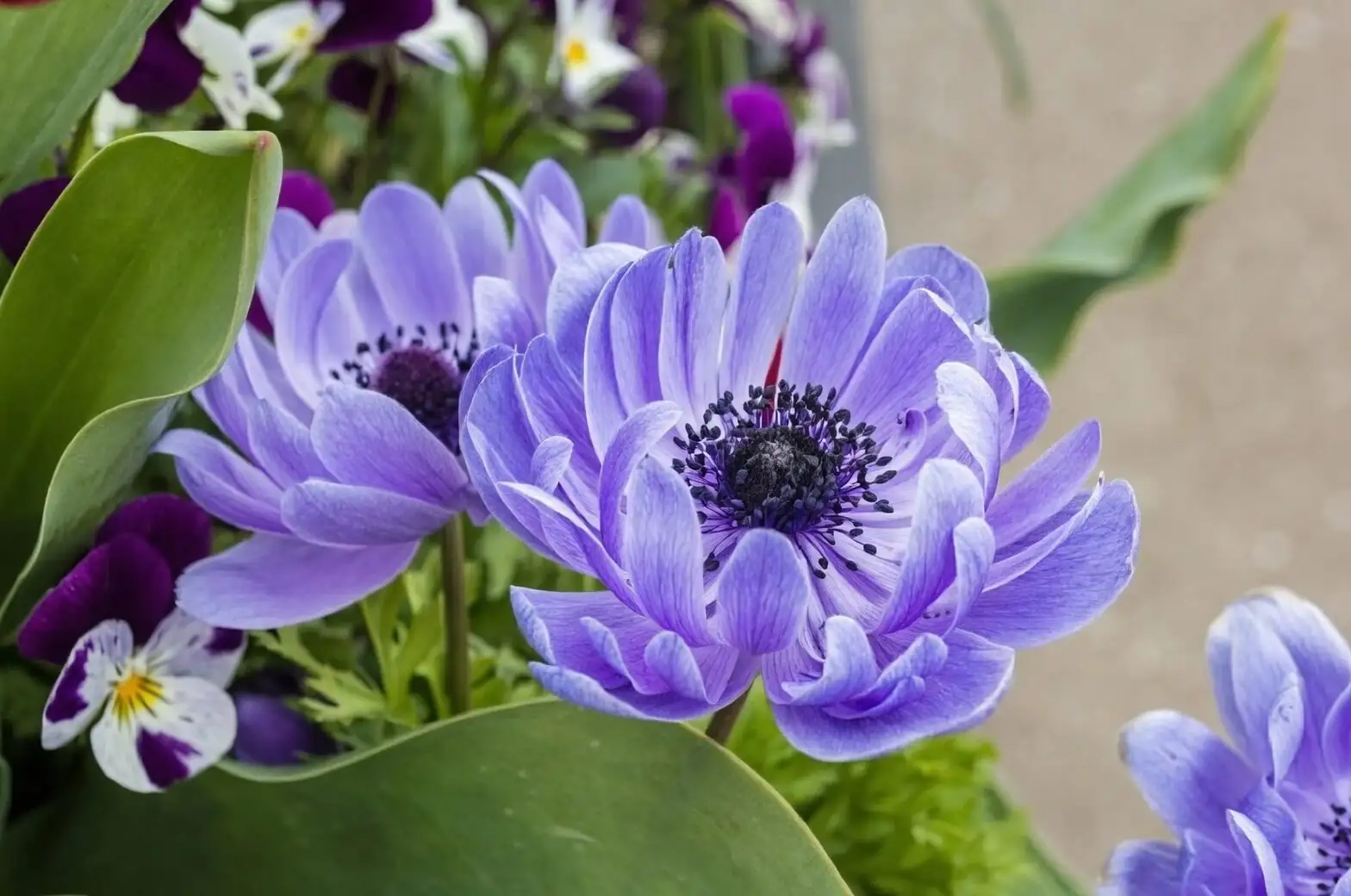
It’s resting. Poppy anemone is a cool-season, tuberous perennial. It wakes in cool weather, flowers in spring, then naturally slips into dormancy when summer heat arrives (and may also rest during very cold winters).
- Don’t panic when foliage yellows and disappears—that’s normal dormancy.
- What to do:
- In the ground: Let the soil dry down; avoid irrigation over dormant tubers and ensure drainage so rain doesn’t pool.
- In pots: Reduce watering drastically once leaves fade. Many growers lift tubers after foliage dies (often around June) and store them dry (e.g., in dry sand) in a cool, shaded place. Replant in autumn (commonly by October–November) for the next cycle.
Myth #4: “If I water more, they’ll sprout faster.”
Overwatering right after planting is the top sprout-staller. Here’s why:
- Newly planted, still-dry tubers need moisture plus oxygen to break dormancy. When the pot is soaked and stays wet, air spaces fill with water, oxygen drops, and the tuber sits stressed—perfect conditions for rot organisms to wake up before the plant does.
- The right way:
- After planting, water lightly to moisten the mix—don’t drench.
- Increase watering gradually as you see signs of growth.
- During active growth and flowering, keep the medium evenly moist but never waterlogged.
- After heavy rain or snow outdoors, check that excess water drains freely. Standing water quickly rots tubers.
Expect new leaves in roughly 20 days under good, cool conditions.
Myth #5: “They’re short-lived cut flowers no matter what.”
They’re famously long-lasting—unless exposed to ethylene. Poppy anemones are ethylene sensitive.
- Keep blooming plants and cut stems away from ripening fruit (bananas, apples, avocados, tomatoes) and decaying plant material—ethylene shortens vase life and speeds petal drop.
- Harvest stage: Cut when petals just begin to lift from the center (the first‑open stage) for the best vase performance.
- Vase tip: Don’t mix with daffodils in the same water—daffodil sap can soften anemone stems.
How to grow Poppy Anemone like a seasoned florist-gardener
Light
- Full sun to bright light; tolerates part shade.
- In hot spells, provide about 50–60% shade to prevent stress.
- Too little light = leggy growth and fewer flowers.
Temperature
- Best at 15–20°C (59–68°F). Cool weather suits them.
- Struggles in hot, humid conditions; dormancy is normal with summer heat and may also occur in very cold winters.
Soil and drainage
- Rich yet free-draining is essential: think fertile loam with compost/leaf mold plus coarse sand or grit.
- Avoid heavy, waterlogged ground at all costs—drainage is the difference between a carpet of blooms and mushy tubers.
Watering rhythm
- After planting: Lightly moisten only; never soak.
- Active growth/flowering: Water when the surface dries; keep evenly moist, not soggy.
- Dormant or winter rest: Keep much drier.
Feeding
- During active growth, feed about once a month with a dilute balanced fertilizer or gentle organic liquid feed.
- When buds appear, give one bloom‑stage feeding higher in phosphorus and potassium (e.g., around 15‑15‑30) to support flowering and tuber replenishment.
Planting timetable and method
- Plant in autumn (commonly October–November) in raised, well-drained beds or containers.
- Pre-soak to rehydrate tubers.
- Depth: 1.5 cm in pots (3 per 12–15 cm pot); 5–7 cm in garden beds.
- Finish planting by late November where possible—late planting can delay or reduce flowering.
Size and habit
- Compact in containers—often kept under 30 cm (12 in) tall.
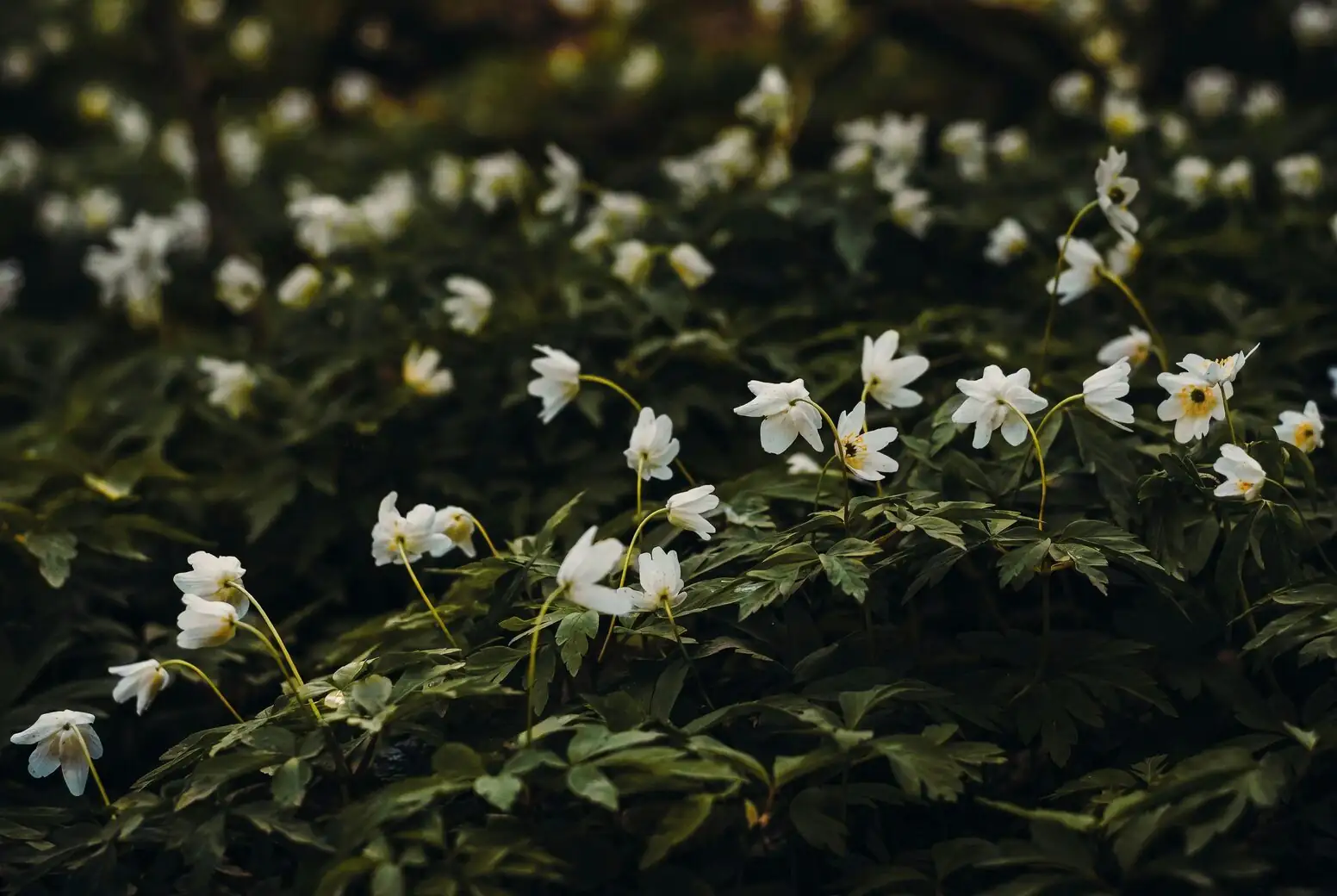
- Finely divided, fresh-green foliage forms a leafy base; wiry stems carry those papery, jewel-toned blooms.
Pruning and aftercare
- Deadhead after flowering if you’re not saving seed; it helps the tubers store energy.
- As heat rises and foliage fades, reduce water; lift and store tubers dry if summers are very hot or soils stay wet.
Troubleshooting: what the plant is telling you
- Yellowing leaves: Often stress—overwatering, poor drainage, or low light.
- Buds aborting or flowers small: Heat stress, low light, or drought swings.
- Pests/diseases: Watch for rust, gray mold (Botrytis), and Sclerotinia in damp, stagnant air. Prevent with clean tubers, excellent airflow, and sharp drainage. Aphids may target stems and buds—rinse early or manage with appropriate local controls.
Safety notes
Like many buttercup relatives, poppy anemone can irritate skin and is harmful if eaten. Keep away from children and pets; wear gloves if you have sensitive skin.
Cut-flower mastery in two steps
- Harvest at the first‑open stage (petals just lifting).
- Keep cut stems cool and well away from ripening fruit; don’t mix with daffodils in the same vase water.
Symbolism and the “windflower” name
Anemone coronaria is often linked with anticipation and hopeful expectation—apt for a flower that seems to open to the faintest breeze. The nickname “windflower” likely comes from the wind-tossed look of the blooms and the plant’s delicate sway. Modern “flower language” traditions (popularized in 19th‑century Europe) layered extra meanings onto ancient stories, but in gardens and bouquets today, this anemone most consistently signals hopefulness and the thrill of what’s just about to unfold.
FAQ
Why won’t my newly potted tubers sprout?
Overwatering right after planting is the usual culprit. If the pot is soaked immediately, tubers can remain too wet and rot before they wake. Lightly moisten at planting, then increase watering only once growth begins.
How do I plant poppy anemone tubers in the garden?
Choose a raised, fertile, well-drained spot and plant in autumn. Pre-soak to rehydrate, set tubers 5–7 cm deep with the pointed side down, water lightly, and ensure excess water drains freely. Under good conditions, new leaves often appear in about 20 days.
Buying tips
- Look for compact plants under 30 cm (12 in) with crisp, deep-green foliage (no yellowing), intact buds or flowers, and no damage.
- For cut flowers, pick stems at the first‑open stage for maximum vase life.
A few irresistible extras
- Colors span rich red, pink, purple, blue, and white—mix for a lively spring display.
- Popular series include De Caen and St. Brigid types prized for cutting.
- Keep blooming plants and vases away from ripening fruit—ethylene shortens their show.
Grow them cool, bright, and perfectly drained; water thoughtfully, respect their summer siesta, and keep fruit bowls far from your vases. Do that, and your poppy anemones will reward you with weeks of papery brilliance—year after year.