

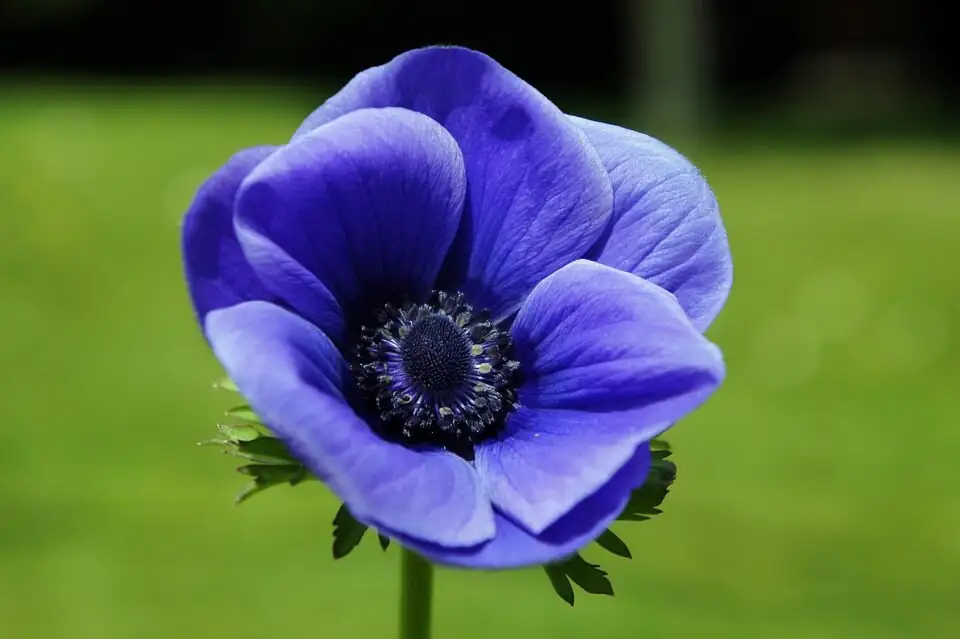
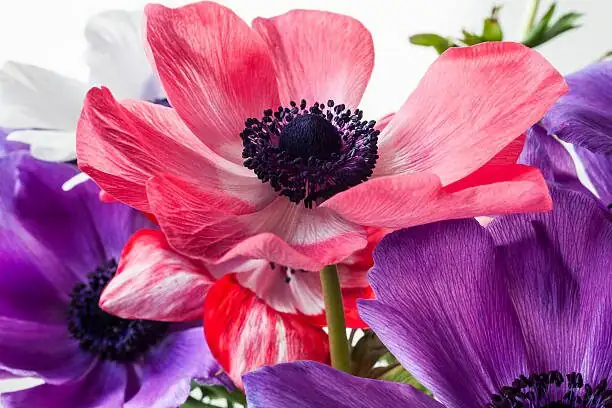
Picture a spring breeze that seems to “switch on” a flower. That’s the spell of Anemone coronaria—poppy anemone, crown anemone, the one and only windflower. It’s a cool‑season, tuberous charmer from Mediterranean coasts, famed for silky, poppy‑like blooms in knockout reds, purples, blues, pinks, and porcelain white. Gardeners love it for containers and borders; florists love it for elegant, wiry stems. And then there are the surprises: an invisible gas from fruit that shortens vase life, a daffodil pairing you should avoid, and a harvest moment so precise it changes everything.
Meet the windflower
- Identity check: Anemone coronaria (buttercup family, Ranunculaceae), also called poppy anemone, crown anemone, and windflower.
- Habit: A tuberous perennial that grows and flowers in cool weather, then naturally slips into dormancy when summer heat arrives (and sometimes rests in very cold winter spells).
- Look: Fresh, finely divided green leaves and papery, poppy‑like flowers in jewel‑box colors. Compact in pots—often under 30 cm (12 in) tall—yet striking enough to headline a spring display.
- Feel: Loves bright light and steady moisture (never waterlogged) during growth; insists on excellent drainage at all times.
Why “windflower”? A nickname with breeze-borne poetry
- The blooms appear as if a passing gust opened them—hence “windflower.” Petals are so light and satiny that even a gentle breeze sets them quivering.
- Slender stems sway, making each flower read as movement and moment—part of their stage‑ready charm in gardens and arrangements.
Cut-flower magic (and pitfalls we don’t talk about enough)
The perfect harvest stage
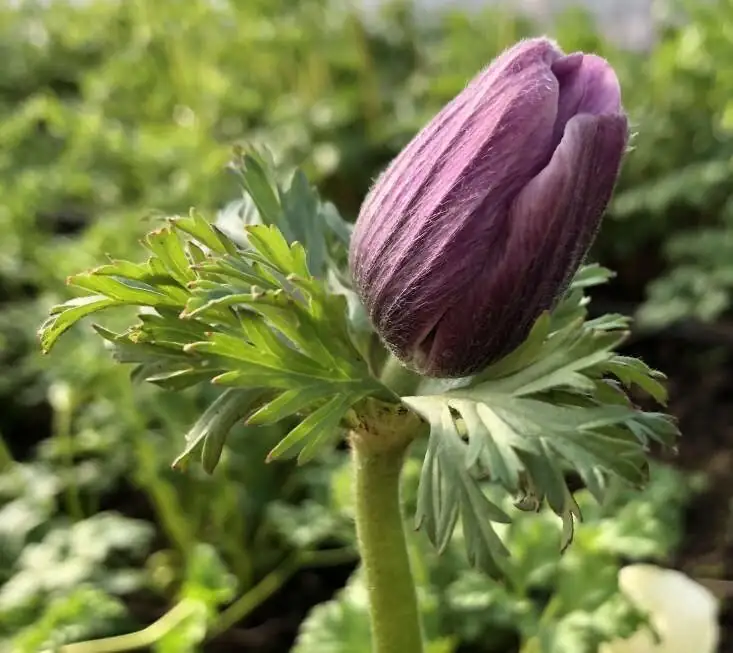
- For the longest, cleanest performance, cut when the flower is just beginning to open—when the petals are lifting up from the center rather than fully expanded.
- Why it matters: At this “first‑open” stage, the vase life is markedly better than if you snip tight buds (which may stall) or fully open blooms (which are already on the clock).
Ethylene: the invisible flower‑fader
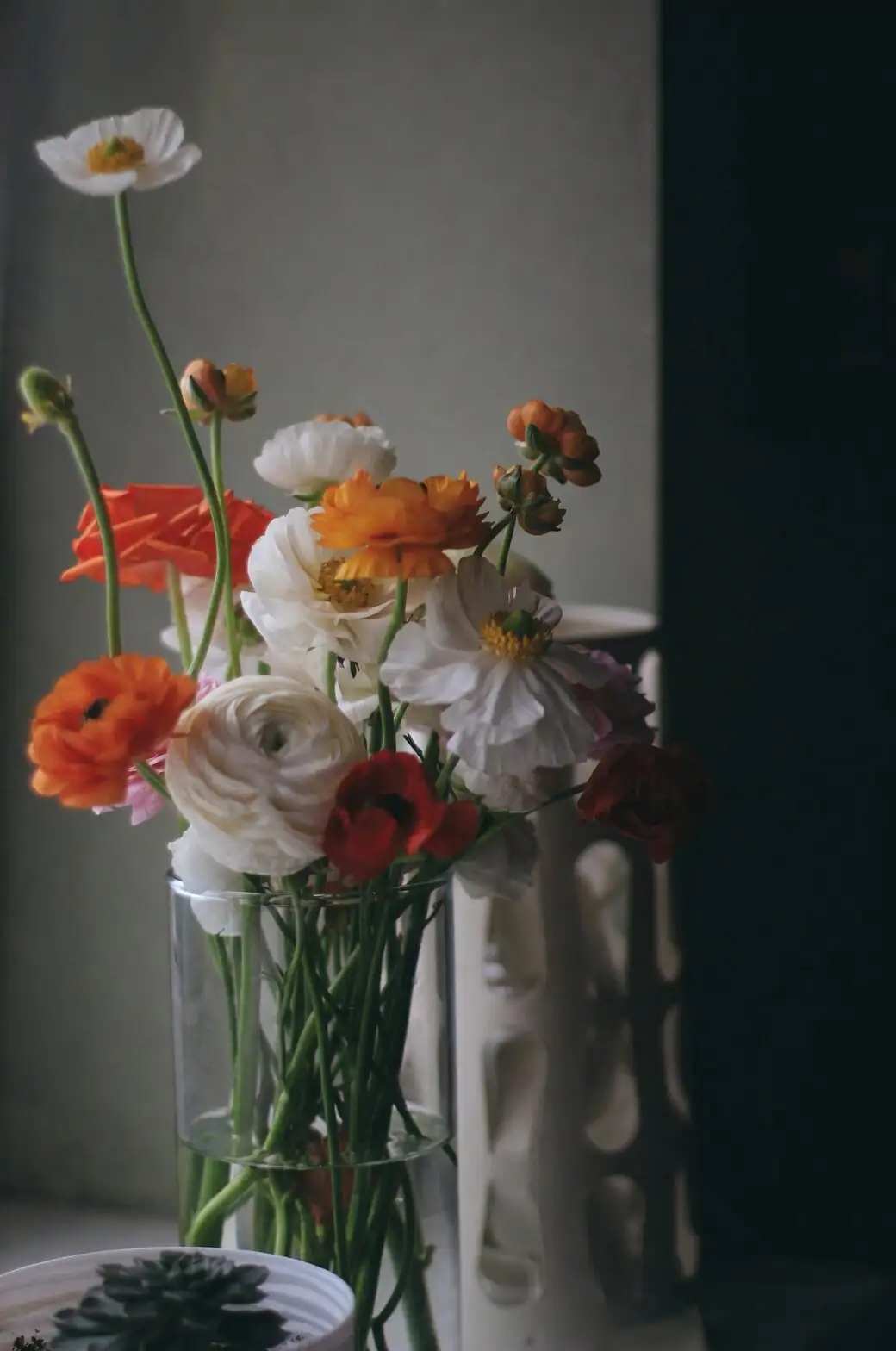
- What it is: Ethylene is a natural plant hormone (a gas) that speeds up aging and petal drop.
- The sneaky source at home: ripening fruit—especially bananas, apples, and avocados—plus fading flowers in the same room.
- What it does to anemones: Shortens vase life noticeably. Blooms slump, petals abscise sooner, and colors lose their snap.
- Keep your stems safe:
- Keep cut anemones and blooming plants away from fruit bowls and fruit storage.
- Refresh water frequently, remove spent blooms nearby, and give arrangements good airflow.
The daffodil‑sap dilemma
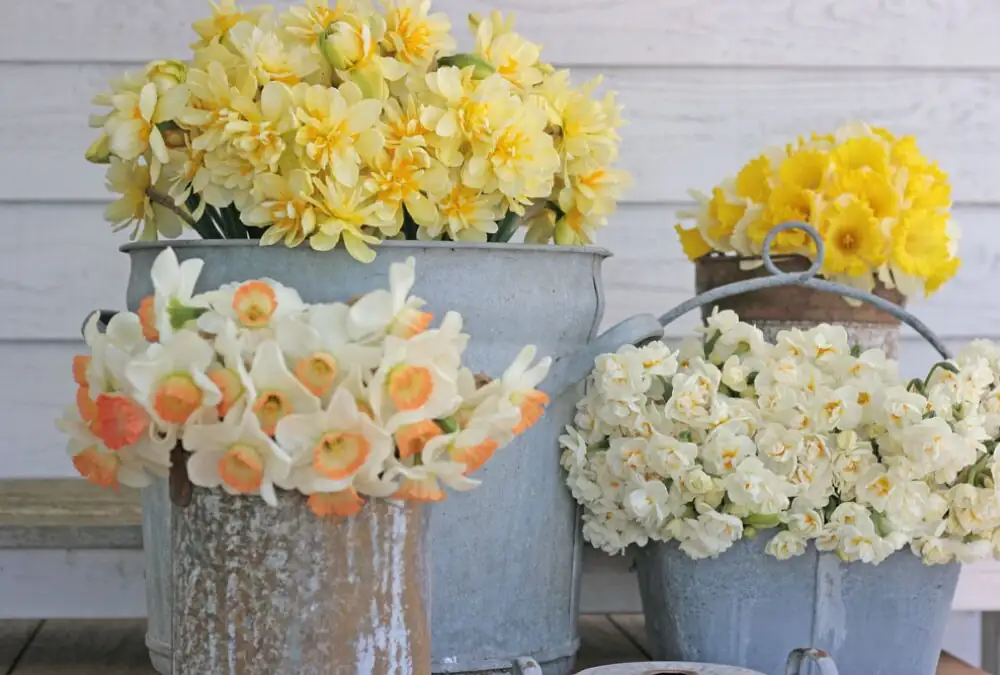
- Why the clash: Freshly cut daffodils release a sappy cocktail into the water that can soften anemone stems and interfere with water uptake.
- The florists’ workaround: Don’t share a vase. If you’re determined to combine them, many pros pre‑condition daffodils on their own in water for a day, then arrange—without recutting the daffodil stems in the shared vase. Even then, it’s a risky pairing; windflowers are happier with gentler company.
Fast vase‑life boosters for windflowers
- Cool and bright, not hot and sunny: Display at room‑cool conditions; avoid heaters and direct midday sun.
- Clean water, clean tools: Recut stems under clean water, strip any leaves below the waterline, and change water often.
- Space to breathe: Avoid crowding blooms; better airflow, less ethylene build‑up.
- Fruit exile: Keep arrangements out of kitchens where ripening fruit lives.
Small surprises that make this plant unforgettable
- It’s a cool‑season specialist: Best growth is at 15–20°C (59–68°F). It dislikes hot, humid conditions and drought.
- Summer “disappearing act”: Dormancy in summer heat is normal. The tubers rest and are not dead—just biding their time.
- Light finesse: Full sun to bright light; part shade is fine. In hot spells, 50–60% shade helps prevent stress.
- It’s not a bulb—think tuber: The woody, knuckle‑like tubers prefer rich yet free‑draining soil (compost/leaf mold + fertile loam + coarse sand). Standing water = quick rot.
- Planting depth secrets:
- Containers: Use a 12–15 cm (4.7–5.9 in) pot and tuck in 3 tubers about 1.5 cm (0.6 in) deep.
- Garden beds: Plant deeper—about 5–7 cm (2–2.8 in)—in a well‑drained spot.
- A gentle start pays off: After planting tubers, moisten lightly rather than soaking. Increase watering gradually as new growth appears.
- Watering rhythm: During active growth and bloom, keep the soil evenly moist; in winter rest or summer dormancy, keep it much drier.
- Compact, camera‑ready habit: Crisp, finely cut foliage frames those luminous disks—fresh greens make the petal colors pop.
- Health notes: Watch for rust, gray mold (Botrytis), and Sclerotinia in damp, still conditions. Aphids may visit buds—address early and improve airflow.
- Safety first: Like many buttercups, it can irritate skin and is harmful if eaten—gloves for sensitive skin, and keep away from kids and pets.
How to start—and keep them coming
- Buying tips
- Choose compact plants under 30 cm (12 in) with crisp, deep‑green foliage and intact buds.
- For cutting, select stems at that first‑open stage for the best vase life.
- Planting and propagation
- Rehydrate tubers before planting by soaking in water or damp sand for even sprouting.
- Plant with the pointed side down; in the ground by October–November if your climate allows. Under good conditions, new leaves may appear in about 20 days.
- After flowering and leaf die‑back (often around June), lift and store tubers dry (dry sand works well) in a cool, shaded place for the off‑season.
- Feeding and upkeep
- During active growth, feed monthly with a dilute, balanced fertilizer; when buds appear, one feed higher in phosphorus and potassium (for example, a bloom formula around 15‑15‑30) supports flowering and tuber strength.
- Deadhead if you’re not saving seed—let the tubers bank energy for next spring.
Design notes and no‑drama companions
- In pots or borders, cluster mixed colors for a confetti‑bright display.
- For arrangements, pair with friendly spring stems that play nicely in the vase; keep windflowers away from daffodils unless you’ve pre‑conditioned the daffs, and always keep the bouquet far from ripening fruit.
Flower language: what windflowers say (and why)
- Meaning: Often associated with anticipation and hopeful expectation.
- Why that fits: The plant’s cool‑season rhythm builds suspense—fat buds rocking on slender stems as if a breeze will pop them open any second. The nickname “windflower” amplifies that sense of something about to happen, carried on the air.
A last, lovely rule of thumb
Remember the wind. If the petals look like they’re just lifting to meet a breeze, that’s your moment to harvest. Keep the bouquet away from fruit (bananas are the arch‑villains), skip the daffodils, and give your windflowers bright, cool, well‑watered comfort. Do that, and this Mediterranean spring star will reward you with color that feels like fresh air in a vase.