

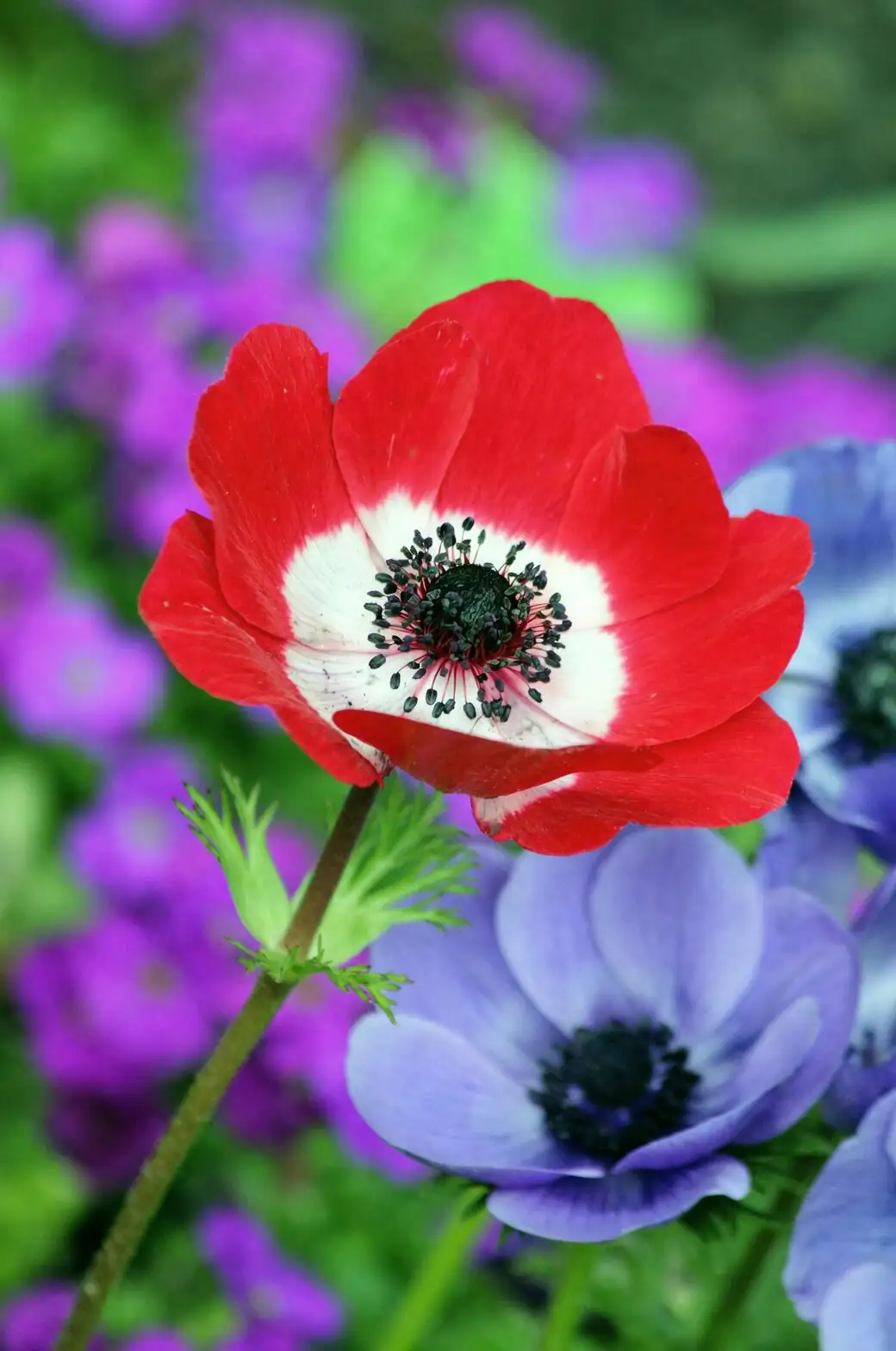
Imagine a confetti burst of red, pink, purple, blue, and white flowers, all floating on elegant stems that dance in the breeze—that’s Poppy Anemone (Anemone coronaria). This cool-season, tuberous spring bloomer rewards you if you keep it in bright light, pamper it in the 15–20°C (59–68°F) sweet spot, and water so the soil stays evenly moist but never soggy. The secret to a long show—and to keeping your tubers safe year after year—is mastering the gentle transitions into and out of dormancy. Here’s your practical, week-by-week playbook.
Meet Poppy Anemone (Anemone coronaria)
- Origin: Mediterranean coastal regions
- Habit: Tuberous perennial, grown as a cool-season flowering plant
- Size: Often under 30 cm (12 in) tall in pots
- Flowers: Vivid, papery, poppy-like blooms in red, pink, purple, blue, and white
- Light: Full sun to bright light; part shade tolerated, especially in heat
- Temperature: Thrives at 15–20°C (59–68°F); dislikes hot, humid conditions
- Vase savvy: Sensitive to ethylene—keep blooming plants and cut stems away from ripening fruit. For bouquets, cut when petals just start lifting from the center.
Before Week 0: Get Set (Soil, Depths, and Placement)
- Soil recipe (sharp drainage is everything):
- Rich but free-draining: a mix of compost or leaf mold + fertile loam + coarse sand or grit. Avoid heavy, waterlogged ground.
- Exact planting depths:
- Pots: Use a 12–15 cm (4.7–5.9 in) pot; plant 3 tubers about 1.5 cm (0.6 in) deep.
- Garden: Plant tubers 5–7 cm (2–2.8 in) deep in a raised, well-drained bed.
- Orientation: Pointed end facing down. Don’t invert.
- Pre-plant tuber prep:
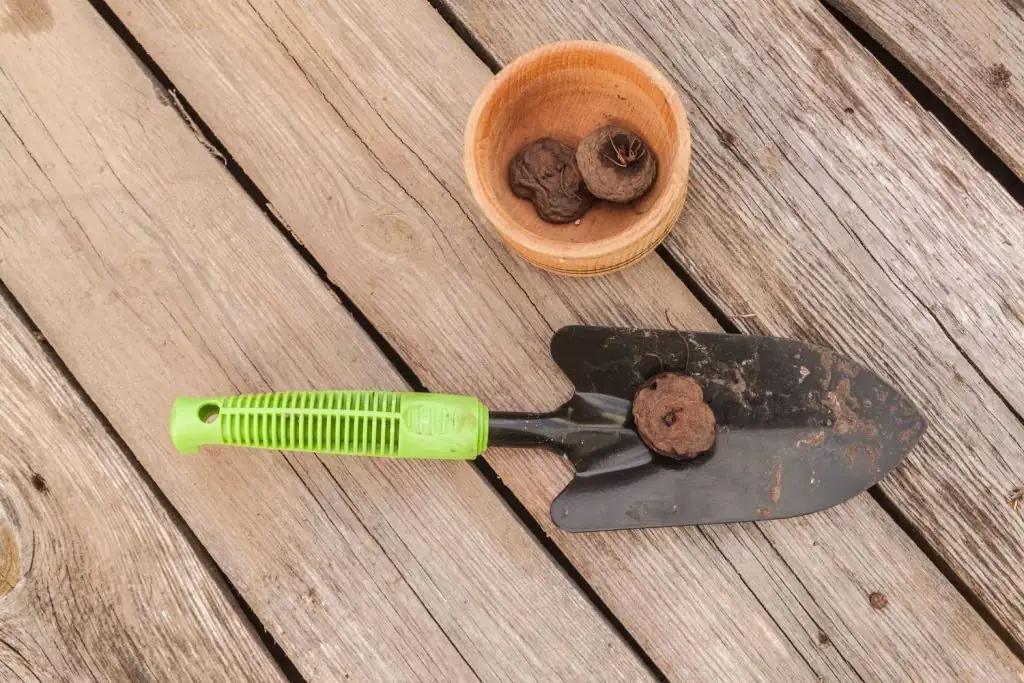
- Rehydrate tubers by soaking in water or damp sand before planting for more even sprouting.
- First watering rule:
- After planting, water lightly to moisten the mix—do not drench. Increase gradually only after growth begins.
Tip: Finish planting by late autumn (often October–November) so they establish in cool weather. Under good conditions, new leaves often appear in ~20 days.
The Week-by-Week Care Playbook
Weeks 1–2: Rooting + First Sprouts
- Light: Bright light or full sun. Indoors, the brightest window you’ve got; outdoors, a sunny spot with excellent drainage.
- Temperature: Aim for 15–20°C (59–68°F).
- Water: Keep the top layer just moist; water when the surface dries. Avoid soggy soil.
- Airflow: Gentle ventilation discourages gray mold in cool, damp weather.
What you should see: Crisp, fresh-green, finely divided leaves beginning to pop. Yellowing now can hint at too much water or too little light.
Weeks 3–5: Leaf Build-Up (Powering the Tubers)
- Light: Continue bright light. If weather turns warm, provide 50–60% shade at midday.
- Water: Evenly moist, never waterlogged. After rain, make sure excess water drains away.
- Feed: Once this period, start a monthly dilute balanced fertilizer.
- Tidy: Remove any tired foliage to improve airflow.
What you should see: Stocky plants, stems forming, and strong green leaves. Leggy, weak growth = not enough light.
Weeks 6–8: Bud Formation (Set the Stage for Color)
- Temperature: Still target 15–20°C (59–68°F); avoid heat spikes.
- Feed boost: When buds appear, give one bloom-focused feeding higher in phosphorus and potassium (e.g., around 15-15-30) to support flowers and tuber strength.
- Water: Maintain even moisture—flower initiation is sensitive to drought.
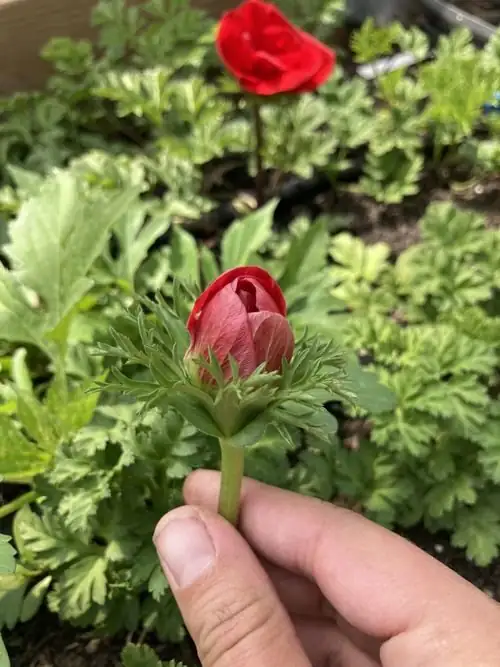
- Cutting prep: For the best vase life, plan to cut when the petals are just lifting from the center.
What you should see: Buds swelling and color hints peeking through.
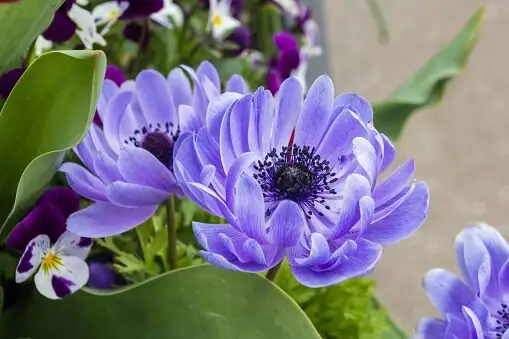
Weeks 9–12: Peak Bloom (Enjoy the Show)
- Light: Bright light to full sun in cool weather; in heat, provide 50–60% shade.
- Water: Consistent moisture; never let pots sit in saucers of water.
- Deadhead: If you’re not saving seed, remove spent blooms so tubers can store energy.
- Watch-outs:
- Aphids on stems and buds: gently wash off or manage early with appropriate controls.
- Gray mold (Botrytis) and rust in damp, still air: improve airflow and avoid wetting foliage late in the day.
Design tip: Keep cut stems and flowering plants away from ripening fruit—ethylene shortens bloom life. Don’t mix with daffodils in the same vase; daffodil sap can soften anemone stems.
Weeks 13–14: The Gentle Wind-Down (No Hard Stops)
- Signs of rest: Flowering slows; leaves may begin to yellow, especially as weather heats.
- Water: Start tapering. Shift from “evenly moist” to “slightly drier between waterings.”
- Feeding: Stop fertilizing.
- Light/heat: Provide part shade in hot spells to reduce stress.
Aim: Let the plant glide naturally toward dormancy—no sudden droughts while leaves are still green.
Week 15 onward: Dormancy Done Right
- What’s normal: In summer heat (and sometimes in very cold winters), Poppy Anemone rests. The foliage dies back as tubers sleep.
- In pots:
- Reduce water drastically; keep the mix barely dry—just enough to prevent desiccation.
- Move to a cool, dry, shaded, airy spot. Ensure the container drains freely.
- In the garden:
- In hot or very wet summer regions, lift tubers once foliage has fully withered.
- Clean them and store dry (e.g., in dry sand) in a cool, shaded, breathable place.
- Reawakening:
- Before replanting (commonly by October), pre-soak tubers in water or damp sand to rehydrate.
- Replant at the exact depths (1.5 cm in pots; 5–7 cm in the garden), water lightly, and repeat the cycle.
Light: Bright Sun vs. Part Shade, Made Simple
- Best during active growth: Full sun to bright light.
- Part shade:
- Tolerated and useful in hot weather; provide about 50–60% shade to prevent stress.
- Too little light:
- Leads to weak, leggy growth and poor flowering.
- Placement ideas:
- Sunny balcony, bright patio, well-drained bed, or lightly shaded spot with morning sun/afternoon shade in warm climates.
Temperature and Air
- Sweet spot: 15–20°C (59–68°F).
- Tolerates cool weather; dislikes hot, humid conditions.
- Dormancy is normal in summer heat and may also occur in very cold winters.
- Not reliably frost-hardy in severe winters—use protection or grow in containers you can shelter.
- Good airflow helps prevent fungal diseases.
Watering Without Soggy Mistakes
- Golden rule: Evenly moist during growth, never waterlogged.
- When to water: When the top of the soil feels dry.
- After planting tubers: Water lightly to moisten; increase only when growth begins.
- During winter or dormancy: Keep much drier to protect tubers from rot.
- After heavy rain (outdoors): Ensure water drains away quickly; standing water rots tubers.
Soil and Potting Mix That Mimics the Mediterranean
- Think “rich but free-draining”:
- Compost or leaf mold + fertile loam + coarse sand/grit.
- Raised beds and containers excel because drainage stays sharp.
- Container recipe cue:
- A quality potting mix amended with coarse sand, fine gravel, or perlite to increase porosity.
- Pot size and count:
- A 12–15 cm (4.7–5.9 in) pot suits 3 tubers planted 1.5 cm (0.6 in) deep.
Troubleshooting and Health
- Yellowing leaves:
- Common causes: Overwatering, poor light, or stress. Improve drainage and light; water only when the surface dries.
- Pests:
- Aphids love buds and new stems—wash off early or treat promptly.
- Diseases:
- Rust, gray mold (Botrytis), and Sclerotinia thrive in damp, stagnant conditions. Use clean tubers, ensure airflow, and avoid waterlogged soils.
- Safety:
- Like many Ranunculaceae, it can irritate skin and may be harmful if eaten. Keep away from children and pets; wear gloves if you have sensitive skin.
Buying, Cutting, and Display Notes
- Choosing plants:
- Look for compact plants under 30 cm (12 in), deep green leaves (no yellowing), intact buds/flowers, and no mechanical damage.
- Cutting for the vase:
- Harvest when petals just lift from the center for the best vase life.
- Keep away from ripening fruit (ethylene shortens bloom life).
- Don’t combine with daffodils in the same vase due to sap incompatibility.
- Color play:
- Plant mixed shades together for a lively, painterly spring display.
The Meaning Behind the Windflower
“Anemone” comes from the Greek anemos—wind—hinting at petals that seem to open to a passing breeze. Across traditions, Poppy Anemone often symbolizes anticipation and hopeful expectation: buds poise for the show, then open in a celebratory burst before bowing out for summer’s rest. Modern “flower language” (花语) lends it themes of fleeting beauty and the courage to face change—a poetic read of a real botanical rhythm: a cool-season flourish followed by restorative dormancy. In other words, their very life cycle is the message.
FAQ Snapshots
- Why won’t my newly potted tubers sprout?
- Overwatering right after planting is a common culprit. If the pot is soaked immediately, tubers may stay too wet and rot before sprouting. Water lightly at planting, then increase gradually once growth begins.
- How do I plant poppy anemone tubers in the garden?
- Plant in a raised, well-drained fertile spot in autumn. Pre-soak to rehydrate, set 5–7 cm (2–2.8 in) deep with the pointed side down, water lightly, and ensure excess water can drain. Under good conditions, leaves can appear in about 20 days.
Quick Recap: The Non-Negotiables
- Light: Full sun to bright light; part shade in heat (50–60% shade cloth if needed).
- Temperature: 15–20°C (59–68°F) is ideal.
- Moisture: Evenly moist during growth; never soggy. Much drier in dormancy.
- Planting depths: 1.5 cm (0.6 in) in pots; 5–7 cm (2–2.8 in) in the garden.
- Dormancy: Let it happen naturally; reduce water gradually, then store tubers dry once foliage fades.
Master those five, and your windflowers will whirl back each cool season—fresh, vivid, and ready for their standing ovation.