

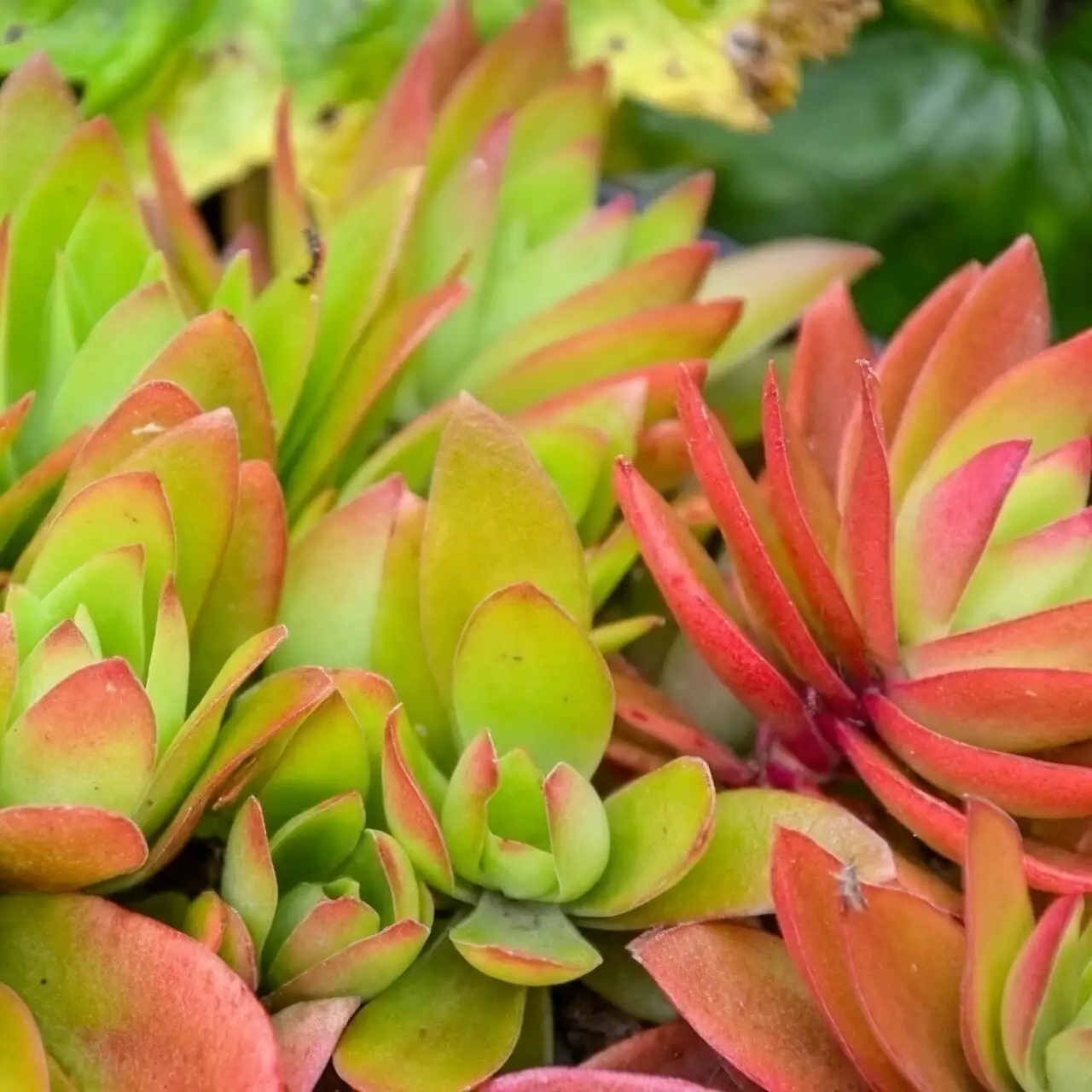
Imagine a little blaze on your winter windowsill—leaves stacked like kindling, tips glowing ember‑red. That’s Campfire Crassula (Crassula capitella ‘Campfire’), a sun‑loving succulent that turns fiery in cool, bright seasons. In a festive arrangement, it’s pure holiday magic—just remember, this star is frost‑tender. Here’s how to design a showstopping centerpiece and keep it safe, colorful, and happy all season.
Meet the star: ‘Campfire’ in a nutshell
- Look and color: Fleshy, opposite leaves pack tightly along the stems, forming architectural stacks. In everyday light it’s gray‑green to fresh green; under brighter light with cooler nights (especially autumn/winter), it shifts to orange‑red and even vivid scarlet.
- Habit and size: Low, branching, upright-to-spreading stems that can creep and spill slightly. In containers, expect roughly 4–12 in (10–30 cm) tall and 8–24 in (20–60 cm) wide over time.
- Flowers: Mature plants may produce small, starry clusters, white to pale pink, most often in autumn.
- Personality: Drought tolerant, sun‑seeking, and gorgeous in containers—but tender to frost and intolerant of soggy soil.

A festive, frost‑tender arrangement two ways
1) The long‑lasting “Holiday Hearth” bowl (best for months of display)
Perfect if you want your arrangement to thrive beyond the holidays.
What you’ll need
- A low, wide ceramic or terracotta bowl with drainage holes (8–12 in / 20–30 cm wide)
- Very free‑draining succulent/cactus mix (potting mix cut with coarse sand, grit, and/or perlite)
- 1–3 compact Campfire Crassula (a 2 in / 5 cm, tight plant is ideal as a centerpiece)
- Optional companions that share similar light/dryness: Sedum nussbaumerianum, Crassula ovata ‘Hummel’s Sunset’, Haworthia for contrast
- Top-dressing: washed gravel or tumbled pebbles (winter‑white looks especially festive)
- A few minimal accents (tiny pinecones or crystal pins). Keep it about the plants, not the ornaments.
How to style it
1) Pot for drainage: Fill the bowl with gritty mix, leaving room to nestle roots. Drainage is non‑negotiable.
2) Place the star: Center ‘Campfire’ slightly off‑center for a natural vignette. Tuck lower stems toward the rim so future growth can cascade.
3) Add companions: Use warm-toned partners to echo the “embers,” and a cool‑textured foil (like a small Haworthia) to make the reds pop.
4) Finish cleanly: Top‑dress with gravel to keep leaves dry, reduce fungus gnats, and give a polished, snow‑dusted look.
5) Position wisely: Brightest window you have (east or south is ideal). Rotate weekly for even color and shape.
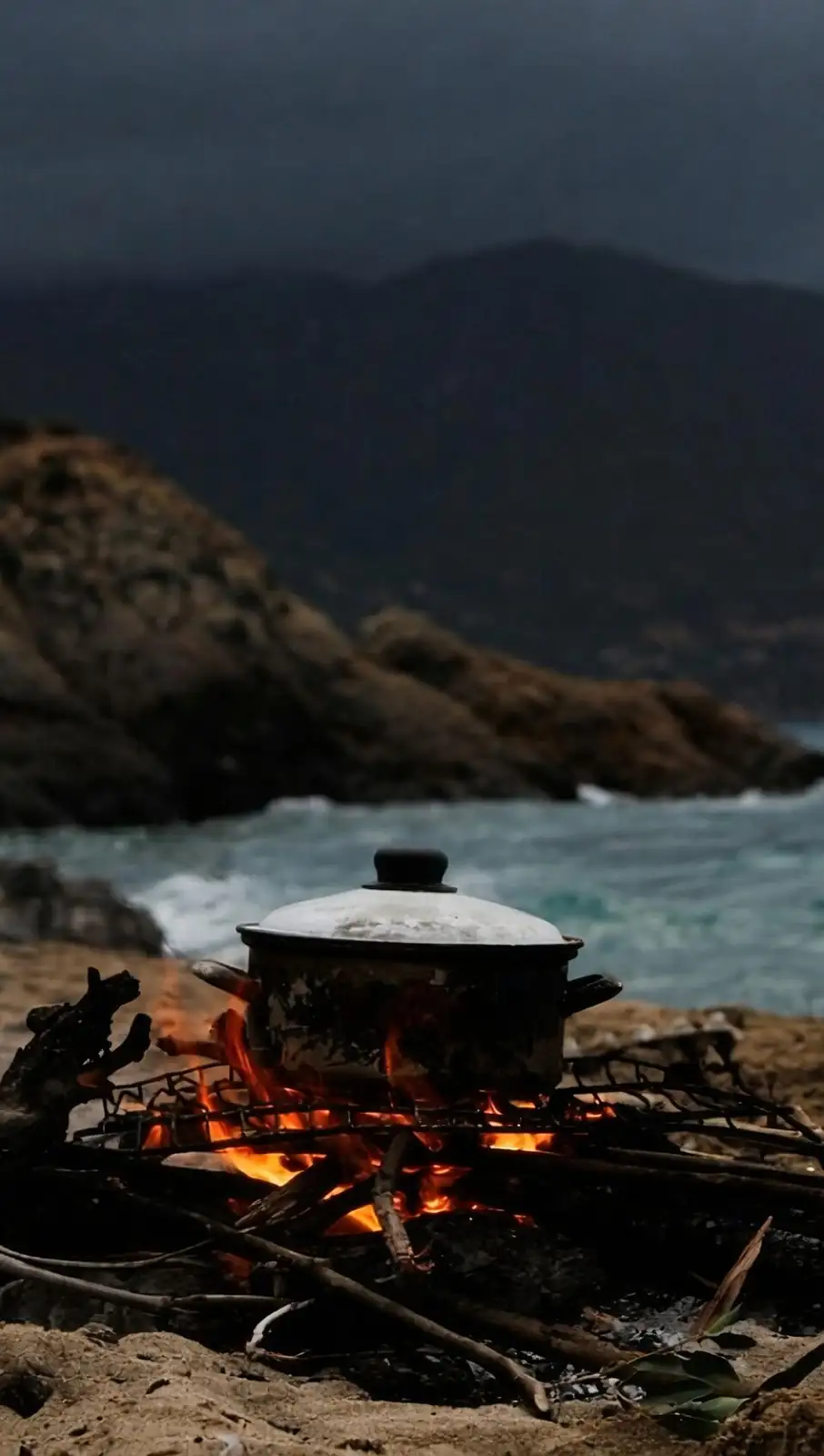
Why it works: Proper soil, drainage, and airflow keep this frost‑tender beauty safe. Strong light plus cool nights near a window dial up the red.
2) The showy (but short‑term) succulent “tree” with cuttings
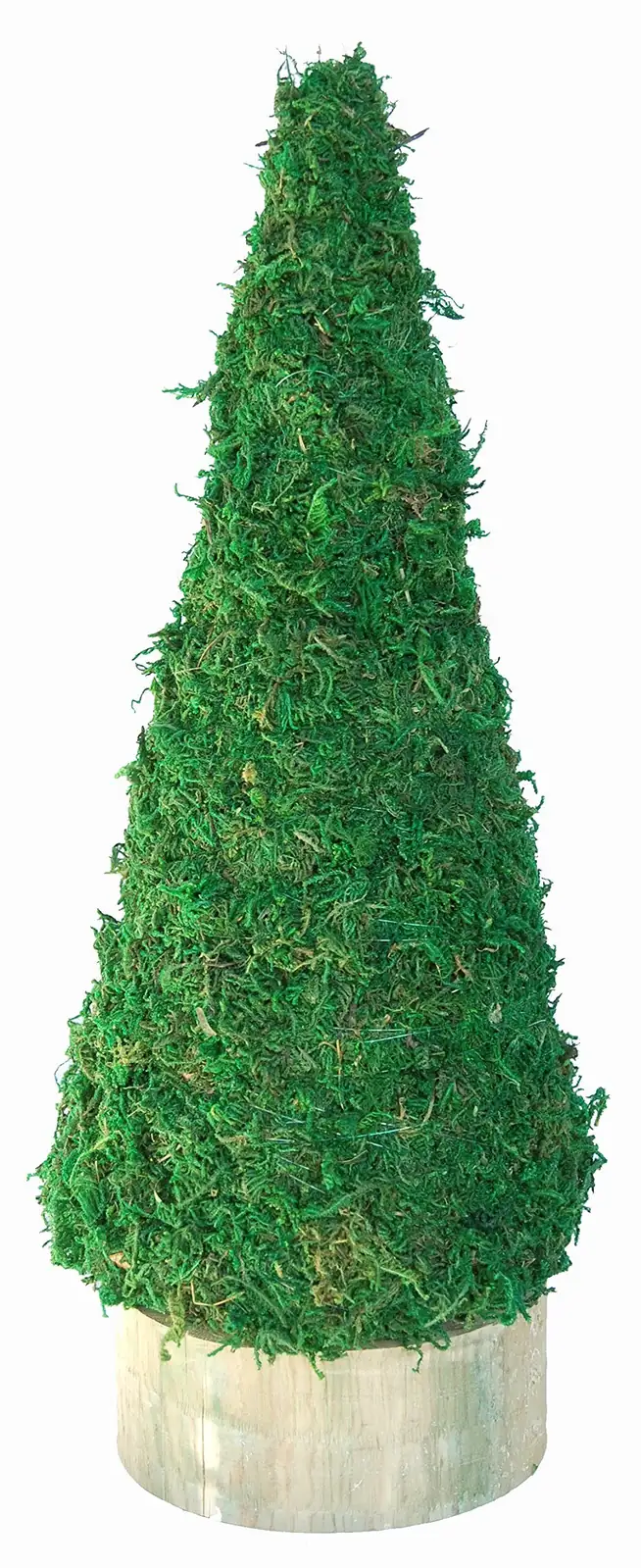
Think holiday topiary on a moss cone—great for a party season, then repurpose the cuttings.
What you’ll need
- Sphagnum moss cone on a wooden base
- Floral pins and a chopstick (for pre‑making holes)
- A mix of succulent cuttings, starring ‘Campfire’ for color ribbons. Use jade (Crassula ovata) as filler; consider string‑of‑pearls as a delicate garland if desired.
How to build it
1) Prep holes with a chopstick, working from bottom to top.
2) Spiral the structure: Place a “ribbon” of ‘Campfire’ cuttings, then fill gaps with jade and accent species for texture contrast.
3) Pin securely. Resist heavy ornaments—crystal pins add sparkle without stealing the show.
Care and caveats
- Light: Bright but not scorching; rotate for even exposure.
- Water: Mist or lightly water from the top about weekly to moisten the moss, not drench it.
- After the holidays: Unpin ‘Campfire’ cuttings, let the bases callus, and pot into a gritty mix to grow on. This format is decorative first; don’t expect long‑term perfection on the cone.
The frost‑tender rules you can’t break
Light and color
- Aim for bright light to full sun to achieve that scarlet glow. Indoors, an east or south window is ideal.
- Acclimate gradually if moving from indoors to high sun to prevent scorch.
- Rotate the pot every week to keep stacks tight and color even.
Temperature safety
- Happy range: 64–75°F (18–24°C).
- Winter minimum: Keep above 46°F (8°C). It is not frost hardy.
- Near 41°F (5°C) or below: Keep the mix dry and stop watering to reduce rot risk.
- Microclimates matter: Avoid cold glass at night, drafty doors, and hot radiators. In USDA zones 10–11, it can stay outside year‑round; elsewhere, bring it in before chills.
Watering that works (and won’t wreck it)
- Rule of thumb: “Drench and dry.” Soak thoroughly, then let the mix dry well before watering again.
- Seasonal rhythm (indoors with good light):
- Spring (active growth): often about once weekly if it dries fast.
- Summer: about every 2–3 weeks—less in heatwaves if the plant rests; more only if it’s actively growing and the mix dries quickly.
- Autumn: water lightly when dry, often about weekly in bright, mild conditions.
- Winter: very bright, very sparse watering. If temperatures hover near 41°F (5°C), keep completely dry and pause watering.
- Red flags: Black, soft leaves = rot from excess moisture or poor drainage. Act fast: remove rot, improve airflow, keep drier.
Note for arrangements
- Drainage bowl: Water thoroughly, then wait until the mix is fully dry.
- Moss topiary: This is decorative and soil‑less; lightly moisten the moss weekly. Afterward, re‑root cuttings in gritty mix for long‑term health.
Quick care for the holidays and beyond
- Soil: Use a fast‑draining succulent mix (potting mix cut with coarse sand/grit/perlite). Avoid heavy soils.
- Pot: Always choose drainage holes. For decorative cachepots, keep plants in nursery pots and “drop in” for easy watering.
- Airflow and humidity: Prefers dry air and ventilation; still, humid corners invite rot and leaf spotting.
- Feeding: About monthly in active growth with a diluted, lower‑nitrogen fertilizer (e.g., 15‑15‑30). Don’t feed in cold, low‑light winter.
- Pruning: Pinch or trim leggy stems; save trimmings for propagation.
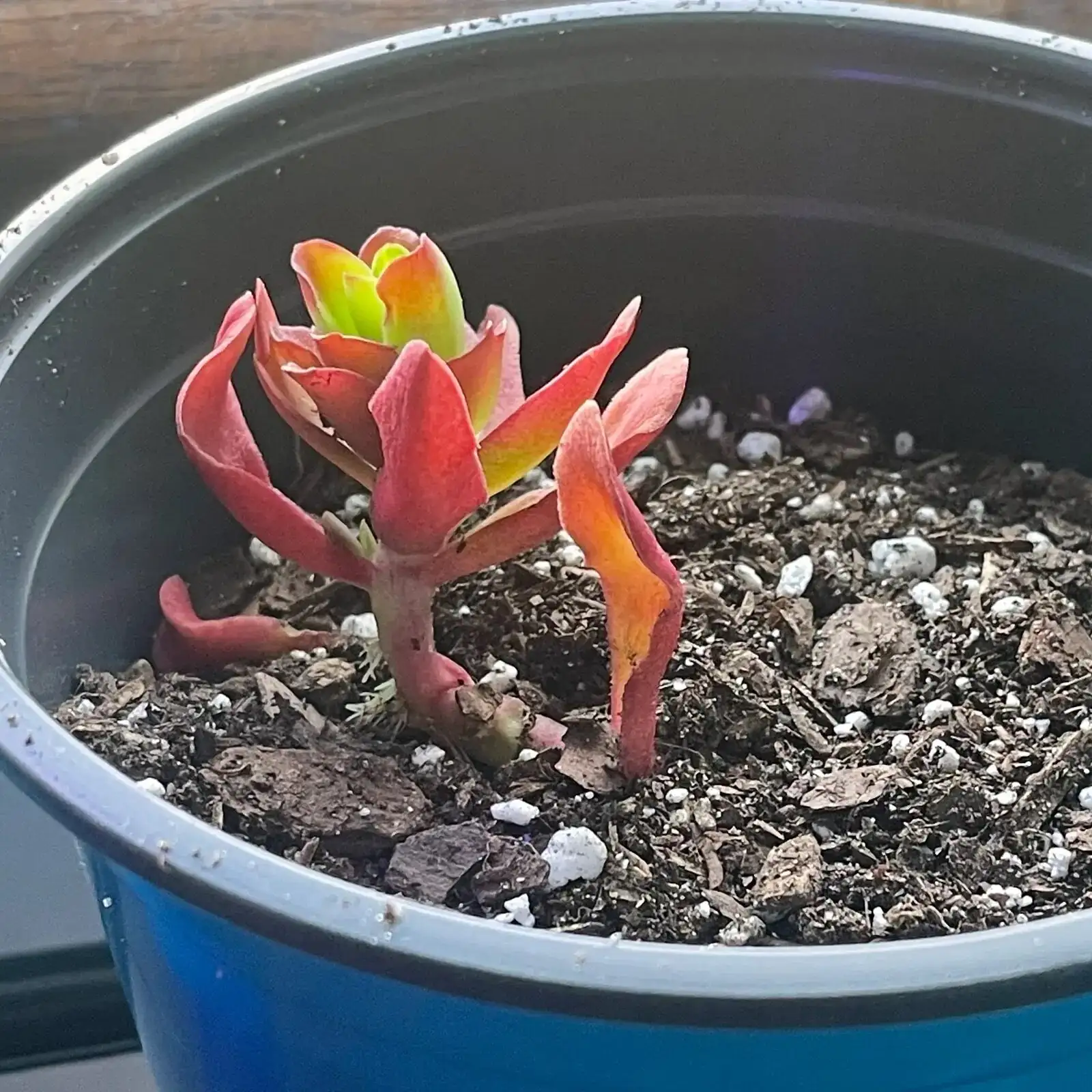
- Propagation: Take 1.2–2.4 in (3–6 cm) tip cuttings with ~6–7 leaves. Let cut ends callus, then insert into gritty medium. Keep warm and bright (64–72°F / 18–22°C). Rooting typically in 14–21 days.
- Repotting: Annually in early spring or when crowded. Tidy away dead basal leaves and shorten overly long roots.
- Pests and problems: Watch for whitefly and scale; wipe and treat early with insecticidal soap or horticultural oil as labeled. Improve airflow to prevent rust/leaf spots.
- Safety: Not consistently documented as toxic, but treat as “do not eat.” Keep from pets and kids to avoid tummy upsets.
Styling tricks that make ‘Campfire’ shine
- Read the room: South/east windows are prime; north windows are often too dim without supplemental light.
- Proportion rule: Plant height about one‑third of the container height looks balanced.
- Lift and rotate: Small risers help catch light; rotate 90° weekly to prevent leaning.
- Top‑dress: Gravel or pebbles finish the look and keep leaves clean and dry.
- Keep it simple: Minimal glitter, maximum glow—let the plant’s winter reds be the drama.
Symbolism and “flower language”
‘Campfire’ often symbolizes a prosperous, warm home, plus passion and boldness—apt for a plant that kindles scarlet hues in the cool season. While “flower language” (花语) is a cultural tradition rather than botanical science, it’s a charming way to frame a gift: may your winter be bright, your home cozy, and your new year prosperous.
FAQs
How do I make Campfire Crassula turn red?
Give it brighter light (some direct sun helps) and cooler autumn/winter conditions with a noticeable day–night temperature swing. Bright + cool nights = red.
Why are the leaves turning black and soft?
That’s usually rot from excess moisture or poor drainage, especially in cool conditions. Move to brighter light with airflow, let the mix dry thoroughly, reduce watering, and remove any rotting tissue.
How do I choose a good plant, and what do I do after bringing it home?
Pick a compact, symmetrical plant with firm stems and tightly stacked leaves. Avoid mushy bases, blackened roots, and visible pests. At home, give it bright light, good airflow, and don’t let rain soak the pot.
Festive checklist (pin this by your plant)
- Light: Bright window; acclimate to stronger sun to avoid scorch.
- Temperature: Target 64–75°F (18–24°C); never frost. Keep above 46°F (8°C); at ~41°F (5°C), keep completely dry and pause watering.
- Water: Drench and dry. Much less in winter. Black, soft leaves = too wet.
- Soil and pot: Gritty mix + drainage holes. Top‑dress for a tidy, holiday‑ready finish.
- Aftercare: In spring, repot, tidy, and take cuttings. Feed lightly during active growth.
With these simple rules, your Campfire Crassula will glow like embers through the holidays—and keep the warmth going well into the new year.