

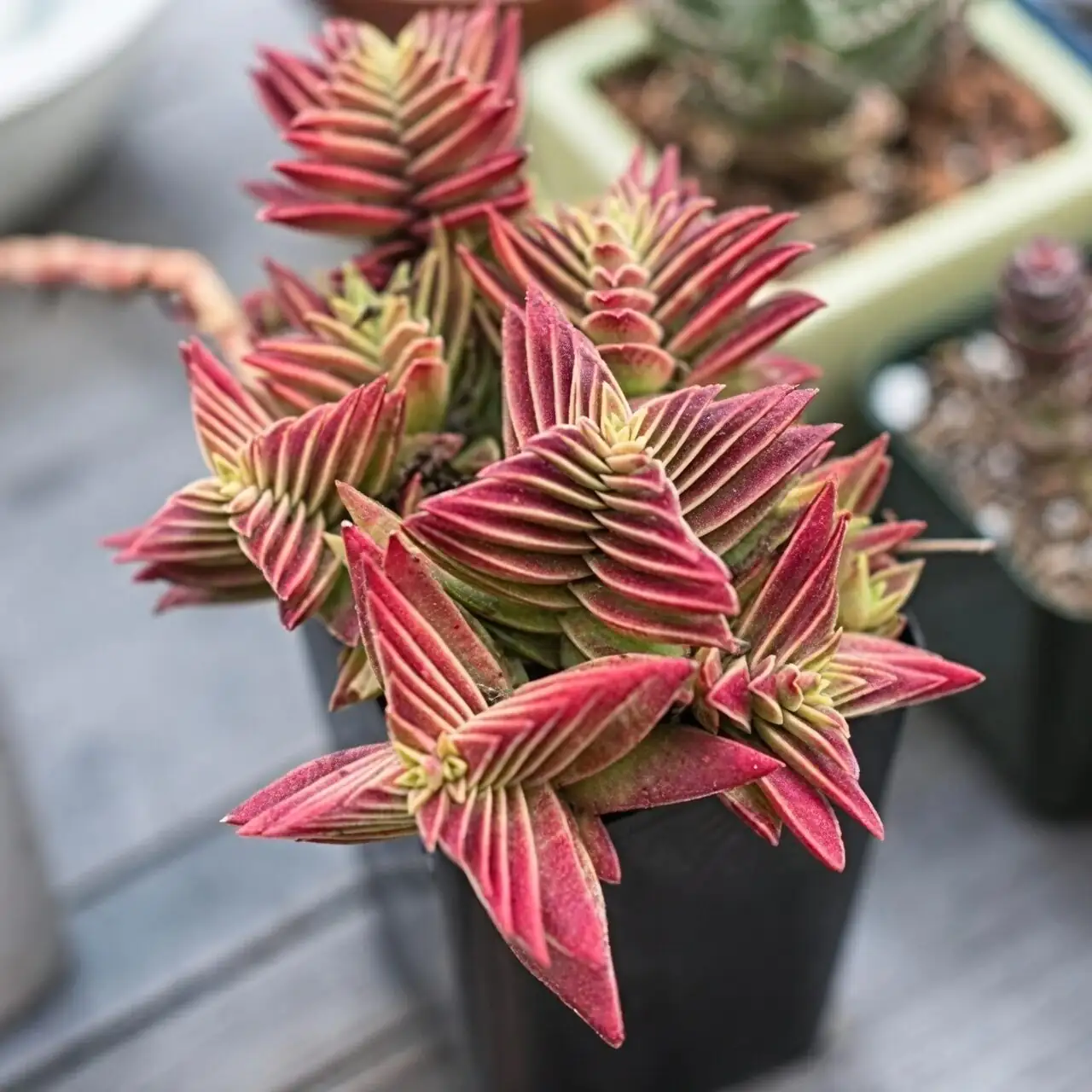
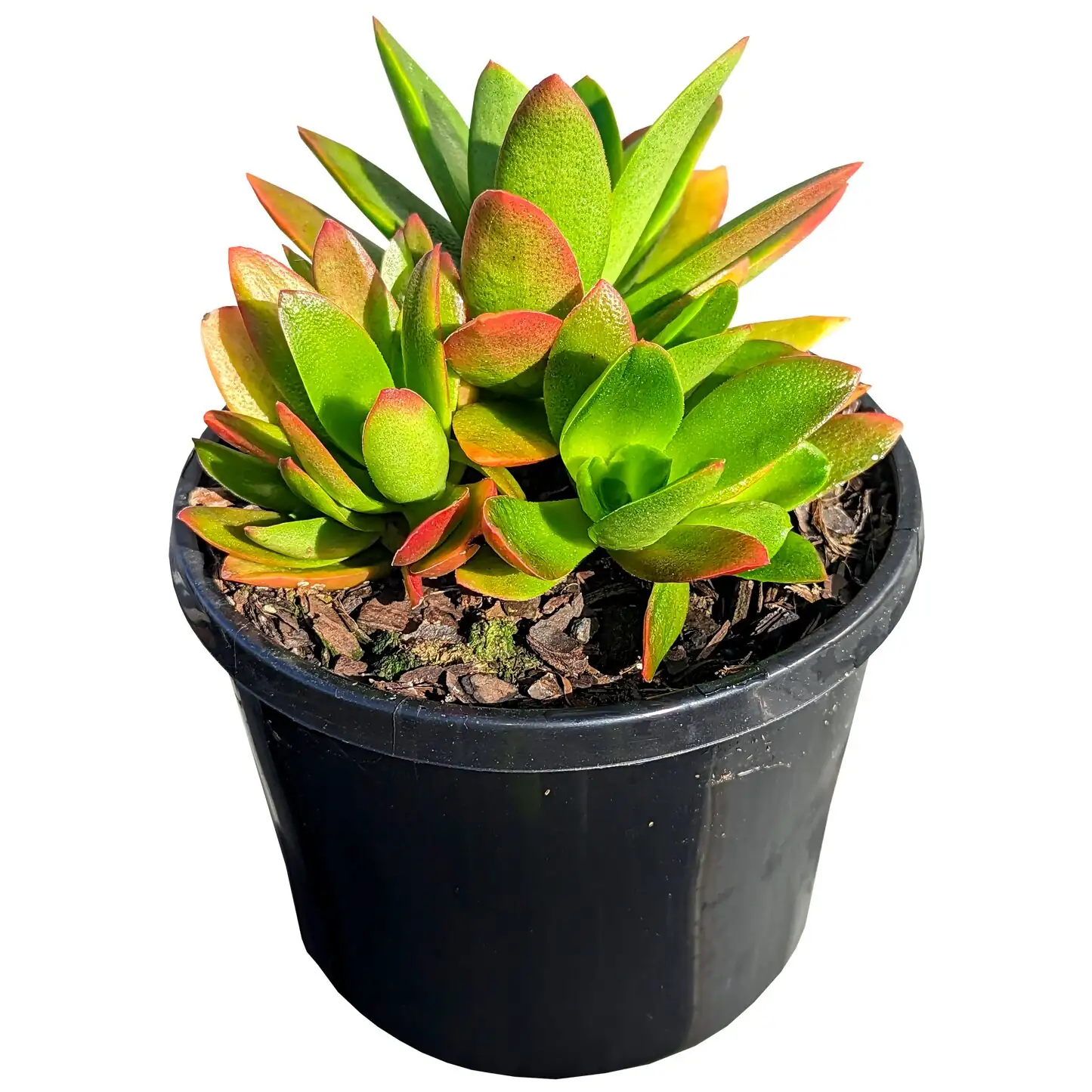
If you like your succulents with a bit of drama, Crassula capitella ‘Campfire’ brings the blaze. Its stacked, architectural leaves glow from gray‑green to ember-orange and vivid scarlet when the days are bright and the nights are cool—like a pocket-sized fire in a pot. Use this monthly checklist to keep yours compact, colorful, and ready for holiday‑worthy displays, with smart timing for repotting, pruning, feeding, and those crucial winter watering cutbacks.
Note: Months below are for the Northern Hemisphere; flip by six months in the Southern Hemisphere.
H2: Year-round essentials (quick glance)
- Light: Bright light to full sun for best red color. Indoors, an east or south window is ideal. Acclimate gradually to stronger sun to prevent scorch.
- Temperature: Best at 18–24°C (64–75°F). Keep above 8°C (46°F) in winter. Not frost hardy.
- Water: Drench and dry. Soak thoroughly, then let mix dry well before watering again. In winter, keep mostly dry; stop watering entirely if temps approach 5°C (41°F) or below.
- Soil & pot: Very free-draining succulent mix in a pot with drainage holes.
- Feeding: During active growth, feed monthly at low strength with a lower‑nitrogen, balanced‑to‑bloom‑leaning fertilizer (e.g., 15‑15‑30). Do not fertilize in cold, low-light winter.
H2: The “Campfire red” recipe
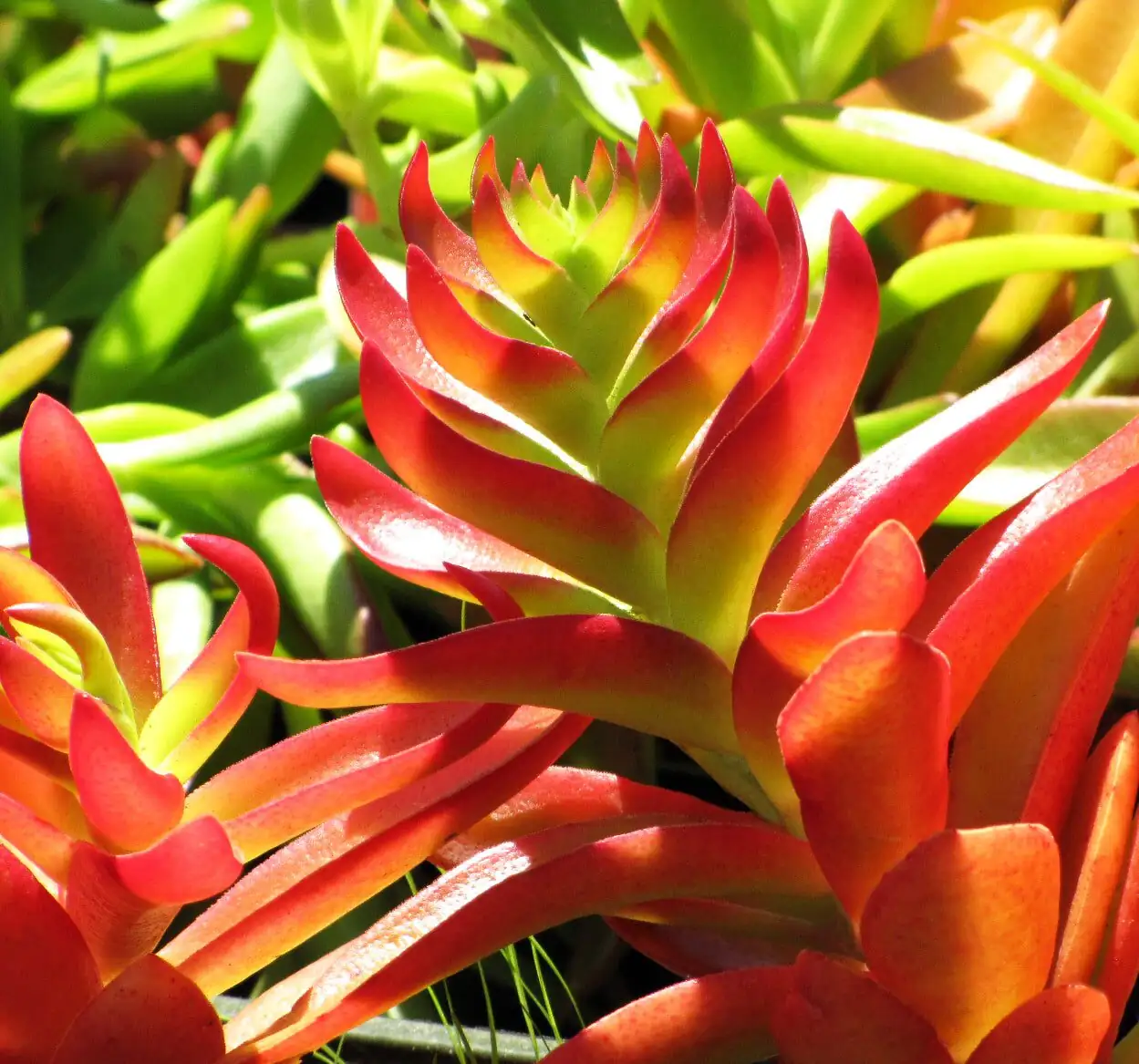
- Season: Peak reds arrive in autumn and winter when days are bright and nights are cooler.
- Light: Strong light is nonnegotiable; aim for several hours of direct sun indoors or bright outdoor exposure (with gradual acclimation).
- Temperature swing: A noticeable day–night drop within safe limits intensifies color.
- Water: Keep slightly drier in fall/winter—lean moisture encourages richer pigments.
- Feeding: Go easy; excess nitrogen keeps foliage greener. Pause feeding once fall color sets.
H2: Monthly checklist
H3: January
- Water: Only if the mix is bone dry and temperatures are safely above 8°C (46°F). If your space hovers near 5°C (41°F), stop watering until it warms.
- Light: Maximize sun on a bright windowsill; rotate the pot every couple of weeks for even color.
- Groom: Gently remove any black, soft leaves (a sign of past overwatering). Improve airflow.
H3: February
- Prep: Assemble fresh gritty mix and a slightly wider pot (10–12 cm/4–5 in is common for small plants) for spring repotting.
- Water: Still sparing. Keep the root zone dry and the room bright.
- Pest scan: Look for scale or whitefly; wipe and treat early with insecticidal soap or horticultural oil.
H3: March
- Repot time: Repot now or early spring as growth stirs. Use a free‑draining succulent mix; prioritize drainage.
- Prune & tidy: Remove dead basal leaves and trim overly long roots. Pinch or trim leggy stems—the cut tips are perfect for propagation.
- Water: Resume a light drench‑and‑dry rhythm once settled in its new mix.
H3: April
- Growth mode: Water when fully dry; in bright, mild conditions this may be about weekly.
- Feed: Start monthly feeding at low strength with a low‑nitrogen, bloom‑leaning formula.
- Shape & propagate: Pinch stems to keep a compact, flame‑like silhouette. Root 3–6 cm (1.2–2.4 in) tip cuttings after letting them callus.
H3: May
- Sun training: If moving outdoors, acclimate over 10–14 days to prevent sunburn; morning sun with airflow is ideal at first.
- Water & feed: Continue drench‑and‑dry; feed once this month.
- Style: Tuck into a sunny balcony display; avoid rain‑soaked corners.
H3: June
- Light & heat: Strong sun boosts color; in extreme heat, provide light afternoon shade.
- Water: Only when dry. If the plant pauses growth in heat, stretch intervals.
- Feed: Monthly feeding continues if growth is steady.
H3: July
- Summer pause watch: In heatwaves, growth can stall. Reduce watering to every 2–3 weeks or less, only when the mix is fully dry.
- Prune: Light tipping keeps mats dense; root the trimmings.
- Airflow: Ventilation prevents leaf spot and rust in muggy spells.
H3: August
- Maintain: Same cautious watering; never let the pot sit in water.
- Feed: If growth is active, this can be your last summer feed.
- Scout: Check under leaves for pests; treat promptly.
H3: September
- Color shift begins: Nights cool; reds deepen. Keep bright light and maintain a slightly drier rhythm.
- Feeding: Wind down feeding now to favor color over lush green growth.
- Groom: Remove any tired lower leaves to spotlight the fiery tips.
H3: October
- Peak display month: This is prime “campfire” color. Keep very bright light and good airflow.
- Water: Lightly and only when dry; smaller sips keep pigments high.
- Cuttings: Late fall is a great time to root trimmings; keep warm (18–22°C / 64–72°F) and bright.
H3: November
- Show off: Indoors on a sunny sill, foliage can glow orange‑red to scarlet.
- Water: Sparingly; avoid cold, wet soil at all costs.
- Bloom note: Mature plants may produce small white to pale‑pink starry clusters in fall—pretty, but subtle next to the foliage.
H3: December
- Winter rest: Keep above 8°C (46°F), very bright, and on the dry side. If temps flirt with 5°C (41°F), stop watering.
- No fertilizer: Hold feedings until spring.
- Quick health check: Any black, soft patches point to rot—remove affected tissue, increase light and airflow, and review watering.
H2: Repotting, pruning, and propagation—your quick guides
H3: Repotting (early spring)
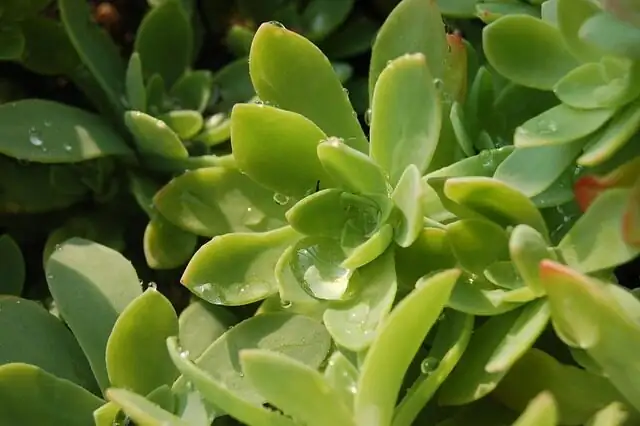
- Pot: Choose one with generous drainage; only size up modestly.
- Mix: A very free‑draining succulent blend; cut standard potting mix with coarse sand/grit/perlite.
- Tidy: Clear dead basal leaves; shorten overly long roots to stimulate a dense root pad.
- Aftercare: Resume watering once cuts have had a day to dry and the mix is barely moist.
H3: Pruning
- When: Combine with spring repotting; do light touch‑ups through summer.
- How: Pinch or snip leggy stems to keep the stacked leaves tight and architectural.
- Bonus: Every tip you remove is new plant material—waste nothing.
H3: Propagation (tip cuttings)
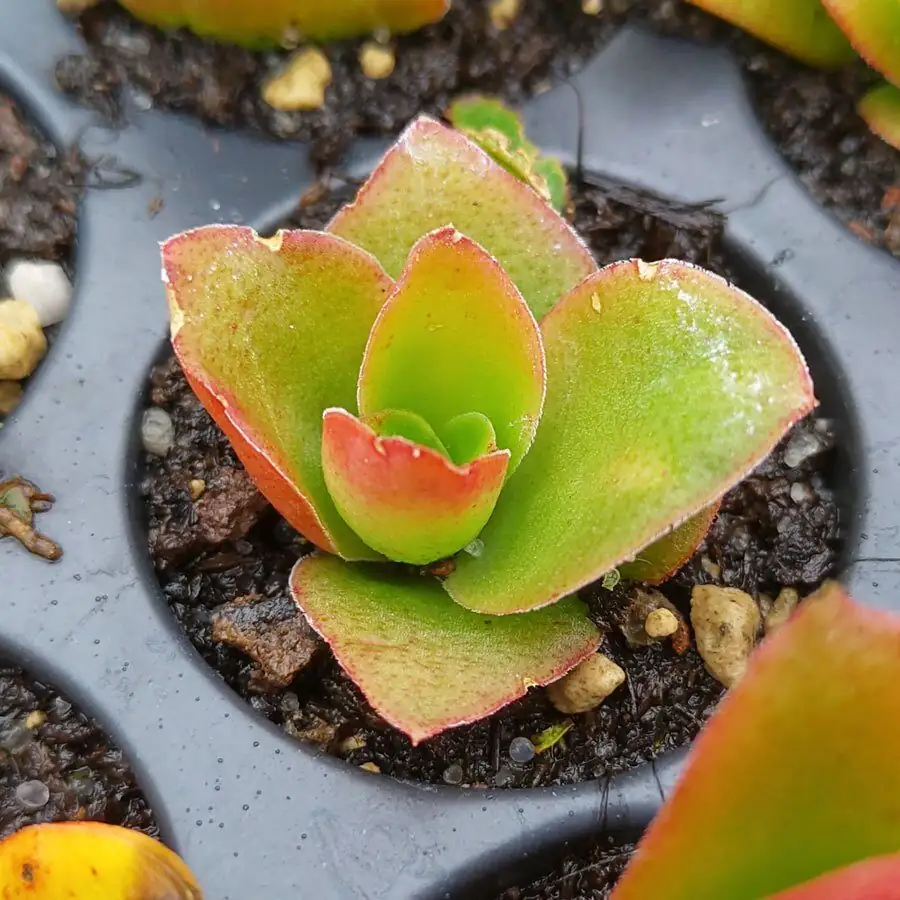
- Take: Firm 3–6 cm (1.2–2.4 in) tips with 6–7 leaves.
- Callus: Let the cut end dry before planting.
- Root: Insert into a gritty, sandy medium; keep bright and warm (18–22°C / 64–72°F).
- Timeline: Rooting typically takes 14–21 days.
H2: Watering through winter—how “dry” is dry?
- Test the mix: Poke a finger or a wooden skewer deep into the soil; only water if it comes up clean and dry.
- Portion control: In bright, heated rooms, offer a conservative drink, then wait for a full dry‑down.
- Cold clause: Near/below 5°C (41°F)? Keep the mix dry and stop watering until it warms—this dramatically reduces rot risk.
H2: Troubleshooting quick checks
- Leaves turning black and soft: Classic rot from excess moisture, poor drainage, or cool, damp air. Move to brighter light, improve airflow, let the mix dry thoroughly, and remove rot.
- Sun scorch (bleached/brown patches): Too much sun too fast. Pull back to bright light, then re‑acclimate gradually.
- Pests (whitefly, scale): Wipe off early and treat with insecticidal soap or horticultural oil, repeating per label.
- Leaf spots/rust: Improve ventilation, keep foliage dry, and remove spotted leaves; fungicides labeled for ornamentals can help if needed.
H2: Safety, placement, and display notes
- Safety: Not consistently documented as toxic for this cultivar, but treat as “do not eat.” Keep away from pets and children.
- Placement: A sunny windowsill or bright balcony is perfect. Avoid dim rooms, stuffy corners, and rain‑exposed spots—especially in cool weather.
- Styling: Its creeping, mat‑forming habit spills beautifully over a low, wide pot—great for festive autumn‑winter centerpieces.
H2: A note on symbolism
In contemporary plant lore, ‘Campfire’ is linked with a “prosperous home,” passion, and boldness—fitting for a plant that flames red in the cool season. While not rooted in classical flower language, these themes echo how growers use it: as a bright, optimistic accent for gatherings and winter holidays.
H2: Snapshot: what to expect
- Size: Typically 10–30 cm (4–12 in) tall, 20–60 cm (8–24 in) wide over time.
- Foliage: Stacked, fleshy leaves that redden from the margins inward under strong light and cooler nights.
- Flowers: Small, white to pale‑pink stars on mature plants, most commonly in autumn.
- Habit: Low, branching stems that can creep and cascade slightly with age.
Give ‘Campfire’ the bright light it craves, keep the soil fast and the winter watering slow, and you’ll be rewarded with a season‑long glow that looks as if someone lit a tiny ember right on your windowsill.