

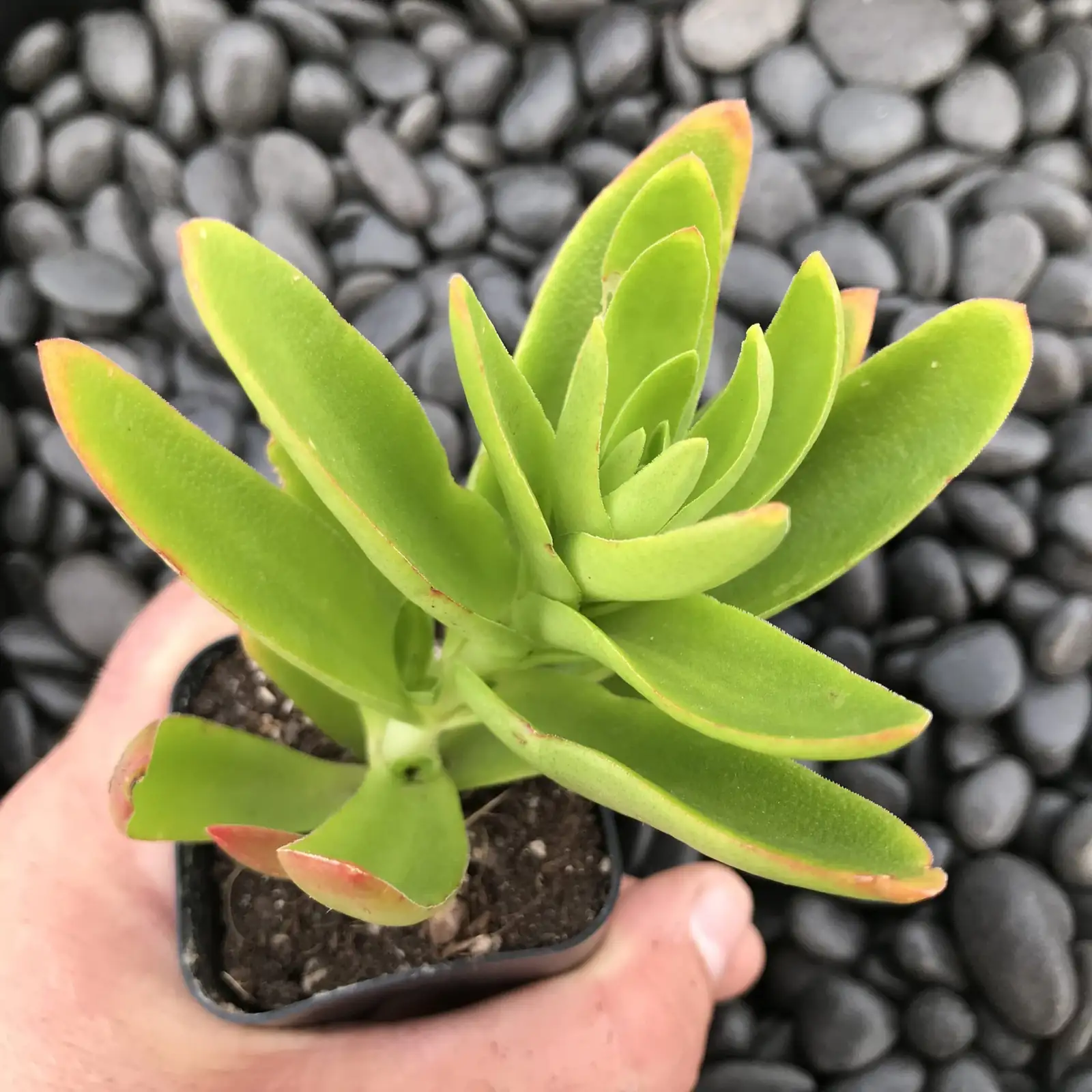
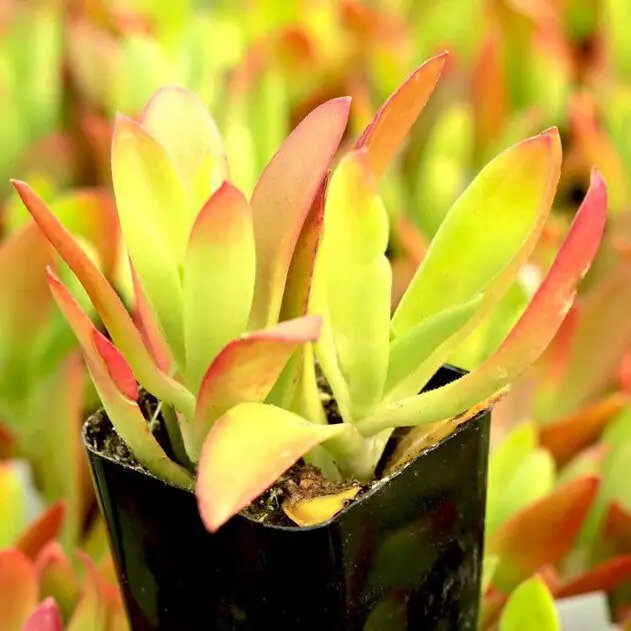
Imagine a little blaze you can place on a windowsill: tight, stacked leaves that glow gray‑green in summer, then blaze orange‑red to scarlet as days grow shorter and nights turn crisp. That’s Campfire Crassula (Crassula capitella ‘Campfire’)—a sun‑loving succulent that begs for great company. Pair it with silvery echeverias and moody blue chalk sticks and its reds don’t just pop—they roar.
Here’s how to design stunning, low‑care containers and companion plantings that keep the “campfire” crackling all year.
Meet the star: what makes ‘Campfire’ sizzle
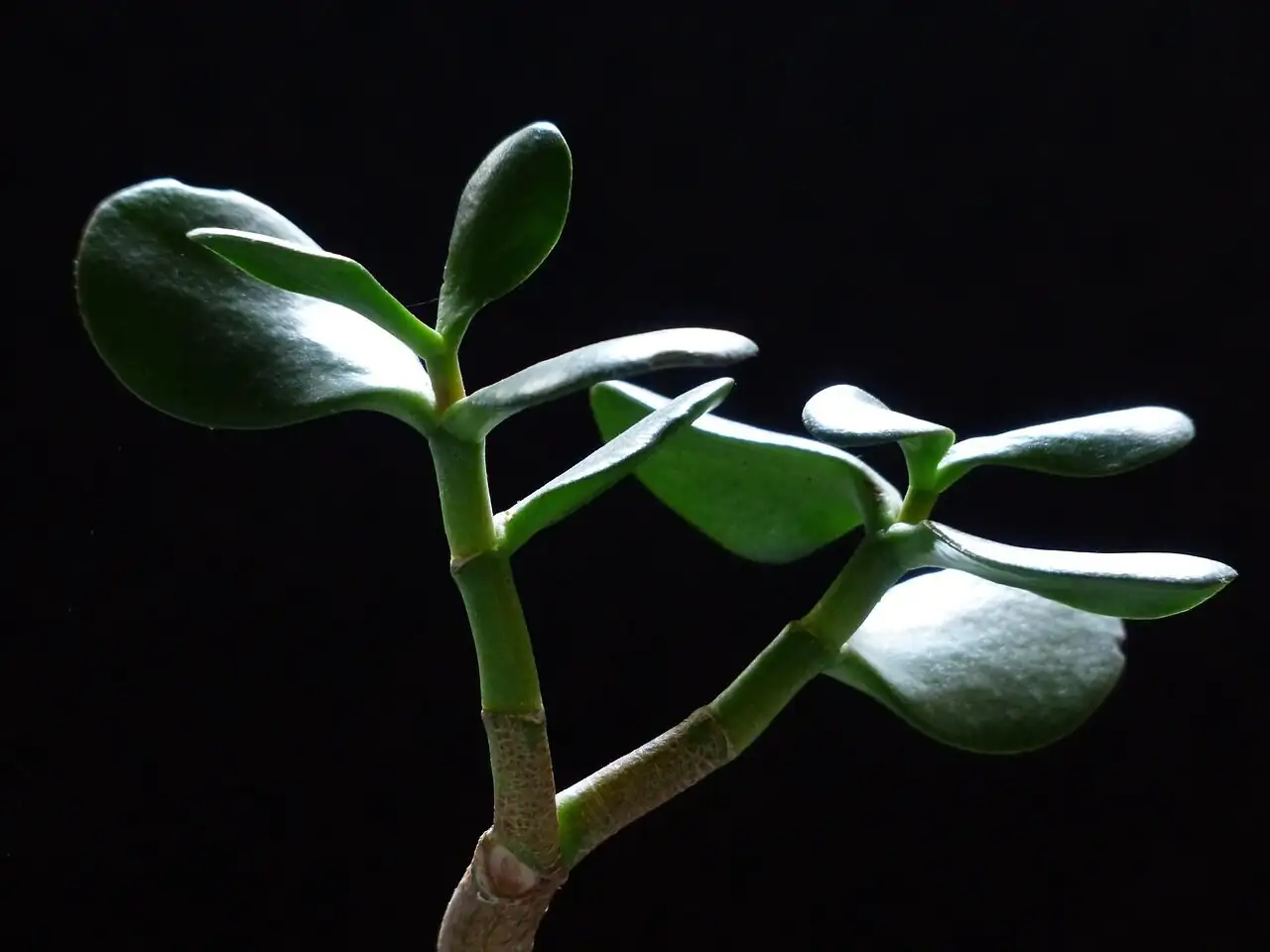
- Botanical snapshot: Crassula capitella ‘Campfire’ (Crassulaceae). A garden‑selected cultivar; the parent species is native to southern Africa.
- Habit and size: Low, branching, upright‑to‑spreading stems that become slightly trailing with age; about 10–30 cm (4–12 in) tall and 20–60 cm (8–24 in) wide in containers over time.
- The color show: Fresh green in spring/summer; under brighter light and cooler autumn/winter nights, leaves flush orange‑red to vivid scarlet—like tiny flames.
- Blooms: Small starry white to pale‑pink clusters, often in autumn on mature plants.
- Personality: Drought tolerant, sun hungry, emphatically not frost hardy, and easily propagated from stem tips.
Color alchemy: why silver and blue make the reds pop
- Temperature contrast: Warm reds from ‘Campfire’ blaze brightest against cool, bluish hues (blue chalk sticks, ghostly echeverias). It’s the sunset vs. twilight effect in plant form.
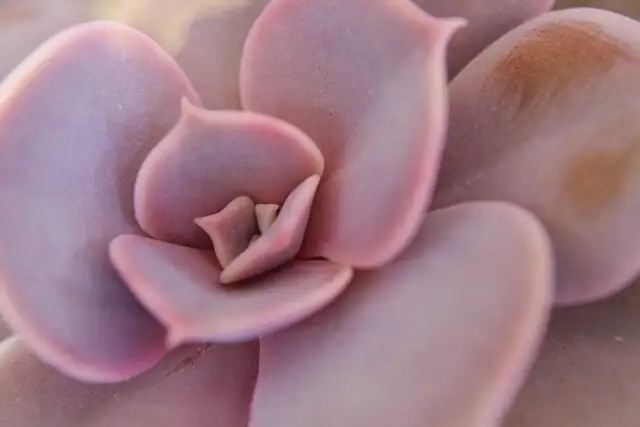
- Value contrast: Matte silver foliage (think Echeveria lilacina) lightens the whole arrangement, making the red tones read richer.
- Texture contrast: Pair the stacked, architectural leaves of ‘Campfire’ with smooth rosettes and fine, linear accents for a layered, designer look.
Before you plant: happy companions share the same lifestyle
- Light: Bright light to full sun. Indoors, the brightest window you have (east or south). Outdoor plants should be acclimated to strong sun gradually to prevent scorch.
- Temperature: Best at 18–24°C (64–75°F). Keep above 8°C (46°F) in winter; it’s frost tender (roughly USDA 10–11). If temps threaten 5°C (41°F) or below, keep the mix dry and pause watering.
- Air and humidity: Loves dry air and ventilation; still, humid corners increase rot and leaf spotting.
- Soil and pots: Very free‑draining succulent/cactus mix. Cut standard potting mix with coarse sand, grit, or perlite. Always use a pot with drainage holes.
- Watering: Use a “drench and dry” rhythm—soak, then let the mix dry well before watering again. Keep much drier in winter.
- Pro tip outdoors: Don’t let rain saturate the pot in cool weather; move containers under cover.
Container recipes that make ‘Campfire’ blaze
Each recipe fits a bright balcony, patio table, or sunny windowsill. Scale plant counts to your pot size; leave breathing room for growth.
1) Silver Moon, Red Flame (classic trio)
- Pot: 28–35 cm (11–14 in) low bowl; ceramic or fiberclay with drainage.
- Soil: Succulent mix amended with 30–50% pumice/grit.
- Plants:
- 1–3 Crassula capitella ‘Campfire’
- 1 Echeveria lilacina (silvery rosette)
- 3–5 Curio repens/mandraliscae (blue chalk sticks; compact selections)
- Layout:
- Anchor the echeveria off‑center.
- Tuck ‘Campfire’ in a loose triangle pattern.
- Rim with short blue chalk sticks to “cool” the flames.
- Top‑dress: Pale gravel to bounce light back to leaves.
- Care notes: Acclimate to sun over 10–14 days; water only when fully dry. Expect strongest reds in bright autumn conditions with cool nights.
2) Frosted Hearth
- Pot: 30 cm (12 in) stone bowl.
- Soil: Super‑sharp drainage.
- Plants:
- 2–3 ‘Campfire’
- 1 Senecio haworthii (cocoon plant; frosty white)
- 2 Graptopetalum paraguayense (ghost plant; icy gray‑blue)
- Layout:
- Cocoon plant as the frosty “chimney.”
- Ghost plants flanking, ‘Campfire’ weaving between.
- Care notes: Keep crowns high and dry; avoid overhead watering.
3) Holiday Glow (bold, graphic)
- Pot: 35–40 cm (14–16 in) matte black bowl.
- Plants:
- 3 ‘Campfire’ (front and center for spill)
- 1 Kalanchoe thyrsiflora (paddle plant) or compact selection as a backdrop
- 3 Echeveria ‘Lola’ or E. elegans (silvery‑pearl rosettes)
- Layout:
- Taller paddle plant at rear, echeverias midline, ‘Campfire’ cascading at the lip.
- Care notes: Bright sun with brief afternoon shade in extreme heat; let the mix dry deeply between waterings.
4) Blue Hour Window Box (sunny ledge star)
- Pot: 50–60 cm (20–24 in) window box with excellent drainage.
- Plants:
- 4–5 ‘Campfire’
- 3 Echeveria ‘Topsy Turvy’ or E. cante (silvery)
- 6–8 Curio repens (dwarf blue chalk sticks) as edging
- Layout:
- Repeat patterns for rhythm: silver rosette, ‘Campfire’, blue edging; and so on.
- Care notes: Great for a bright east or south window; rotate the box every couple of weeks indoors.
5) Fire & Mist (fine‑textured foil)
- Pot: 30 cm (12 in) trough.
- Plants:
- 3 ‘Campfire’
- 2 Sedum reflexum ‘Blue Spruce’ (fine blue needles)
- 2 Pachyphytum oviferum (moonstones; pastel blue)
- Layout:
- Moonstones as calm “boulders,” ‘Campfire’ nestling them, blue spruce sedum filling gaps.
- Care notes: Sedum will knit the surface; thin lightly in spring to keep airflow.
6) Small‑Space Jewel (desk or balcony rail)
- Pot: 18–20 cm (7–8 in) shallow dish.
- Plants:
- 1 ‘Campfire’ (center)
- 2 Echeveria elegans (silver rosettes)
- 3 Sedum dasyphyllum ‘Major’ (frosty creeper) to soften the rim
- Care notes: Perfect for a sunny windowsill; water sparingly in winter.
7) Modern Minimal (sculptural duet)
- Pot: Tall, narrow cylinder, 20–25 cm (8–10 in).
- Plants:
- 1 ‘Campfire’
- 1 Curio mandraliscae (single tuft trained to one side)
- Layout:
- Asymmetry is the point; let ‘Campfire’ lean and spill slightly.
- Care notes: Light top‑pruning maintains the silhouette; cuttings root easily.
How to push the reds—safely
- Give it sun, not shock: Gradually increase direct light, especially when moving outdoors. Sudden intensity causes scorch.
- Cool, bright seasons are your friend: The most vivid orange‑red tones arrive in autumn/winter with strong light and cooler nights.
- Keep it lean: Let soil dry thoroughly between waterings. In winter, keep the mix mostly dry; if temperatures hover near 5°C (41°F), stop watering until it warms.
- Feed lightly: Monthly, low‑strength fertilizer during active growth; lower‑nitrogen or balanced‑to‑bloom‑leaning works well. Skip feeding in cold, low‑light winter.
Planting and maintenance cheat sheet
- Planting mix: Succulent/cactus mix plus coarse sand, grit, or perlite. Prioritize drainage.
- Spacing: Leave space for ‘Campfire’ to spread 20–60 cm over time; trim to keep outlines crisp.
- Seasonal rhythm:
- Spring: Repot, tidy, and take cuttings; water lightly as growth resumes.
- Summer: Strong light; water only after drying. Brief afternoon shade helps in extreme heat.
- Fall: Peak color and possible flowers; water modestly when dry.
- Winter: Keep very bright and above 8°C (46°F); sharply reduce watering.
- Airflow: Place where breezes can pass; avoid stuffy corners, especially when cool.
- Outdoors: Shelter from soaking rain; wet + cold = rot.
Quick troubleshooting in mixed planters
- Fading to green: Not enough light or too‑warm nights. Move brighter; encourage day–night temperature swings in autumn.
- Black, soft leaves: Classic rot from excess moisture or poor drainage. Unpot, remove mushy tissue, improve soil drainage, and let the mix dry thoroughly before resuming careful watering.
- Pale, bleached patches: Sun scorch from sudden exposure. Back off intensity and acclimate gradually.
- Pests: Watch for scale and whitefly. Wipe off early, then use insecticidal soap or horticultural oil; repeat per label. Improve airflow.
- Leaf spots/rust: Often from damp foliage and still air. Remove affected leaves, water the soil (not the rosettes), and ventilate.
Propagation: refresh and repeat
- Best method: Stem tip cuttings, 3–6 cm (1.2–2.4 in) long with 6–7 leaves.
- Steps:
- Take firm tips, let cuts callus.
- Insert into gritty, sandy medium.
- Keep warm and bright (18–22°C / 64–72°F).
- Rooting usually takes 14–21 days.
- Use new starts to patch gaps or clone your favorite recipe.
Safety and placement notes
- Not consistently documented as toxic; still, treat as “do not eat.” Keep away from pets and children who nibble.
- Indoors, a sunny windowsill or beside a floor‑to‑ceiling window is ideal. Avoid dim rooms and poorly ventilated spots.
Styling extras that elevate the red
- Top‑dress with pale gravel or crushed quartz to reflect light back to foliage.
- Choose contrasting containers: matte black, charcoal, or deep indigo pots make reds smolder; white or pale gray makes them sing.
- Add decorative accents sparingly—lava stones, a slate shard, or a single driftwood piece echo the “campfire” vibe.
A note on “flower language” and symbolism
While there isn’t a centuries‑old flower‑language tradition for this modern cultivar, growers often link Campfire Crassula with themes of prosperity, passion, and boldness—fitting for a plant that saves its fiercest colors for the cool, bright season. In contemporary plant culture, its seasonal flush from calm green to sizzling red reads like a reminder: store your light, then shine when the days grow dark.
Ready to light the match? Pair your Campfire Crassula with silvery echeverias and blue chalk sticks, keep the soil sharp and the sun bright, and watch those reds leap like sparks into the night.