

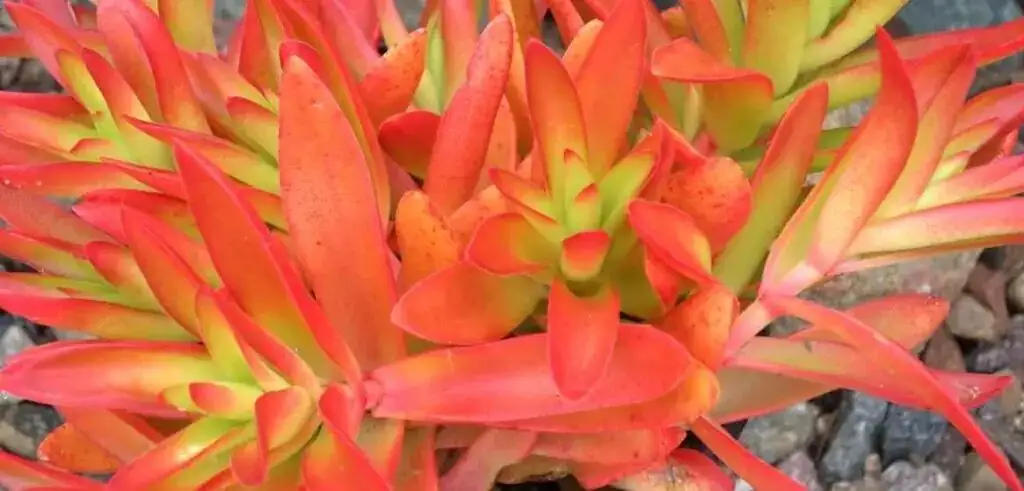
When days get shorter and nights turn crisp, Campfire Crassula throws sparks. Those tight, stacked leaves shift from fresh green to embered orange, then to vivid scarlet—like a tiny bonfire you can style on a shelf. If you love design-forward plants that deliver sculptural form plus seasonal drama, this succulent is your winter showpiece. Here’s how to spotlight its architecture and turn up the reds with smart pots, considered placement, and light-savvy tricks.
Meet the muse: form, color, and scale
- Architectural foliage: Opposite, fleshy leaves stack tightly along the stems for a pagoda-like profile—clean lines that read beautifully in modern interiors.
- Color shift: Green through spring/summer; then brighter light + cooler nights push margins to blush and the whole plant to orange‑red or scarlet in autumn and winter.
- Habit and size: Low, branching, and slightly creeping; 10–30 cm (4–12 in) tall and 20–60 cm (8–24 in) wide over time. Older stems can spill elegantly over an edge.
- Bloom cameo: Mature plants may produce small white-to-pale pink star clusters in autumn, but foliage is the main event.
Pot and texture pairings that frame the “flames”
Think of the container and top-dressing as your picture frame—they can either mute or amplify Campfire’s stacked geometry and winter reds.
1) Matte, porous, and warm
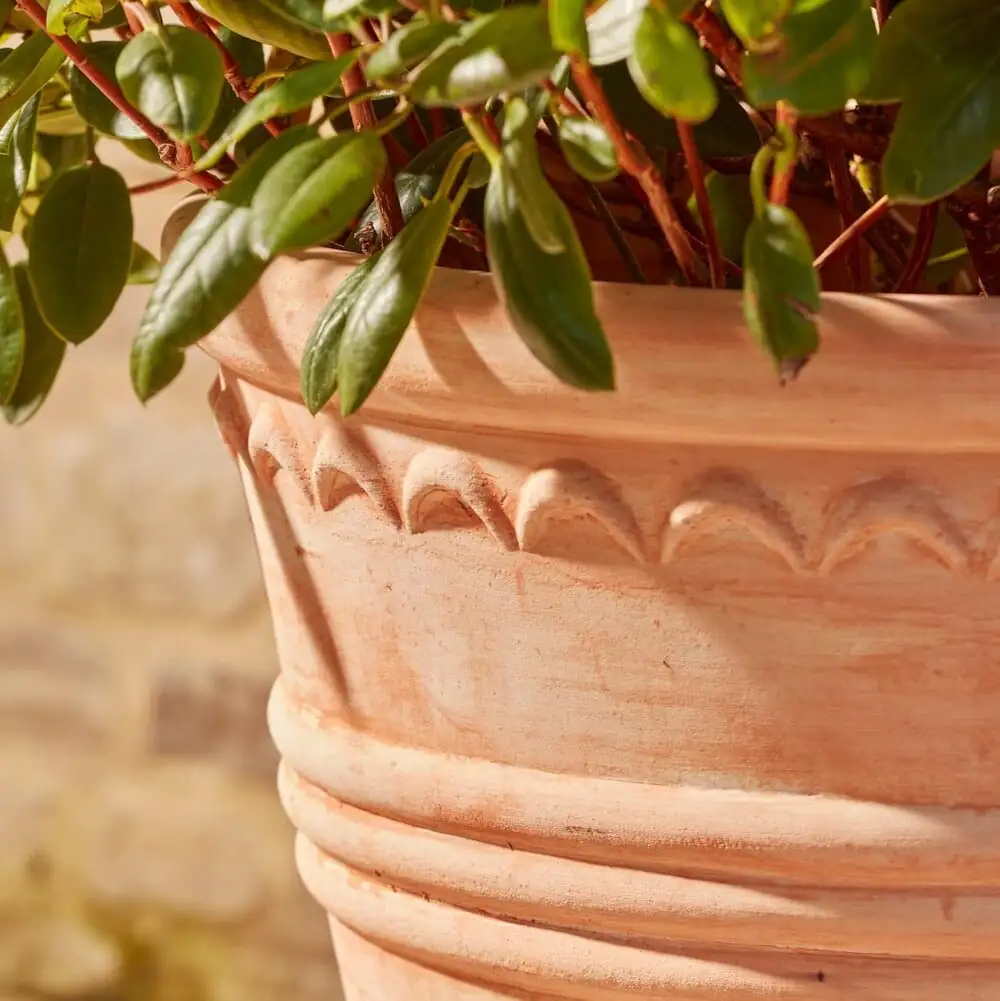
- Raw terracotta or sandblasted clay in cinnamon, buff, or bone tones warms the reds without stealing focus.
- Low, wide terracotta dishes ground the creeping habit and emphasize the clumping silhouette.
2) High-contrast drama
- Charcoal concrete, matte black ceramic, or deep indigo glazes create a gallery-like backdrop that makes scarlets feel electric.
- Ribbed or fluted pots echo the plant’s stacked leaves, reinforcing rhythm and form.
3) Stone and mineral stories
- Top-dress with coarse grit to underscore the architecture:
- Black basalt for a flame‑on‑coal vibe
- Red lava to echo winter tones
- White quartz for a “snow and ember” contrast
- Keep the texture coarse (2–6 mm). It sharpens edges visually and boosts drainage.
4) Metallic highlights
- Brushed brass or bronze cachepots (with a proper nursery pot inside for drainage) add a quiet glow that flatters orange-red foliage.
- Pro tip: Always ensure the growing pot inside has drainage holes; never plant directly into a sealed metal vessel.
5) Color complements
- Cool companions: Teal, slate, and olive green vessels make reds read richer via color contrast.
- Neutrals: Bone, sand, and linen glazes quietly elevate the stacked geometry.
The non-negotiables
- Use a pot with drainage holes and a very free-draining cactus/succulent mix.
- Skip closed terrariums and any vessel that traps humidity; this plant wants airflow and dislikes lingering moisture.
Composition ideas that celebrate the stack
Shallow “ember field”
Plant a trio in a low oval dish. Allow older stems to crest the rim, then top-dress with mixed pumice and white quartz. The low profile spotlights the layers.
Ribbon planter (windowsill runway)
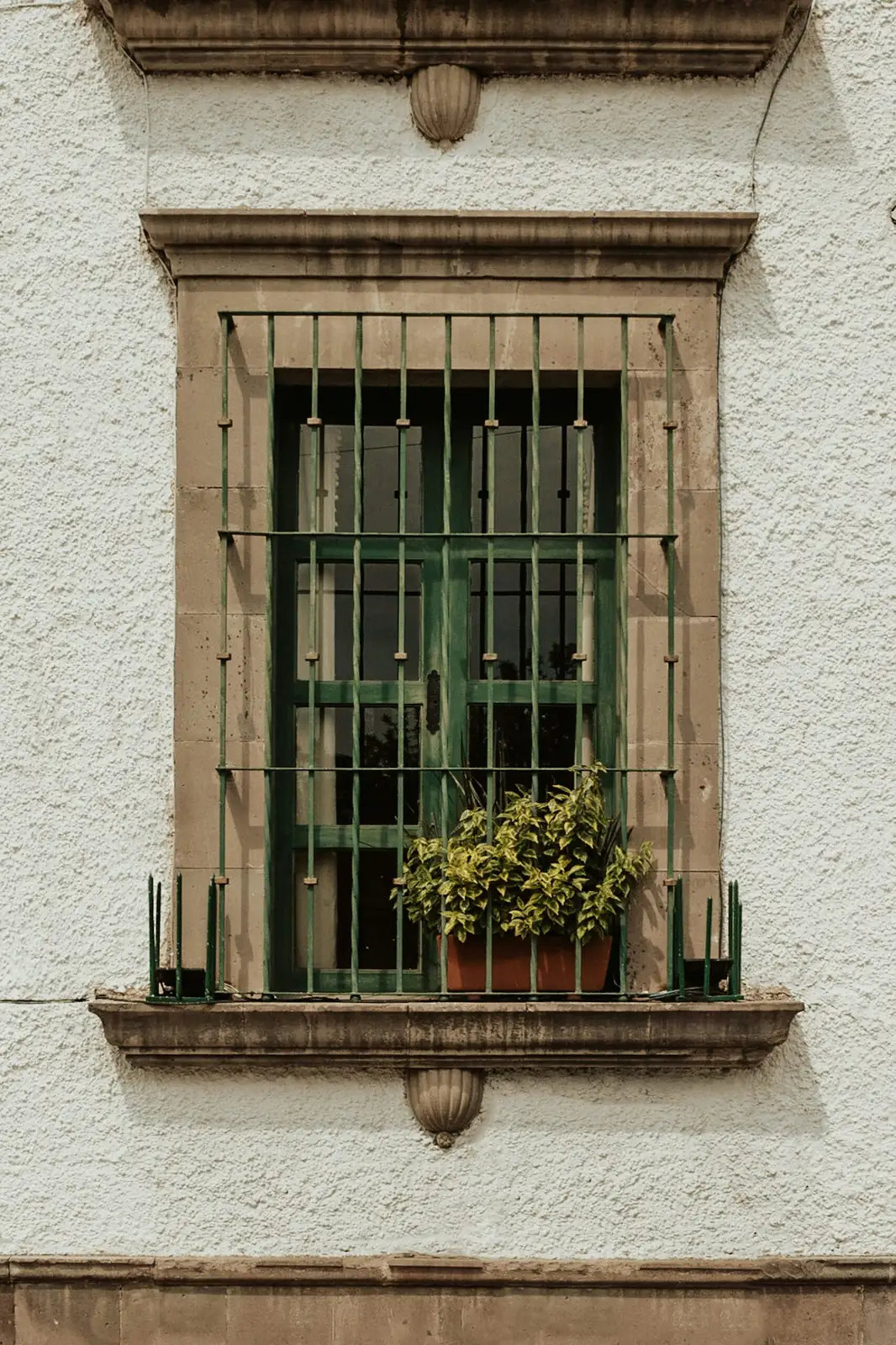
Line several plants in a narrow rectangular trough for a strong, graphic stripe. Perfect for long south- or east-facing sills.
Pedestal and spill
Perch one specimen in a footed bowl. As stems begin to trail, they break the pot line beautifully—like sparks leaping from a brazier.
Micro-grove cluster
Group three pots of different textures (terracotta, matte black, stone) at staggered heights. Let one be slightly more sun-kissed to show a gradient from green to crimson.
Festive centerpiece
A long, shallow trough with Campfire down the center, edged by white grit and a few red lava stones. By late fall, it becomes a living runner of flame for holiday tables.
Placement choreography: where color happens
- Indoors:
- Give the brightest window you have; east or south-facing is ideal.
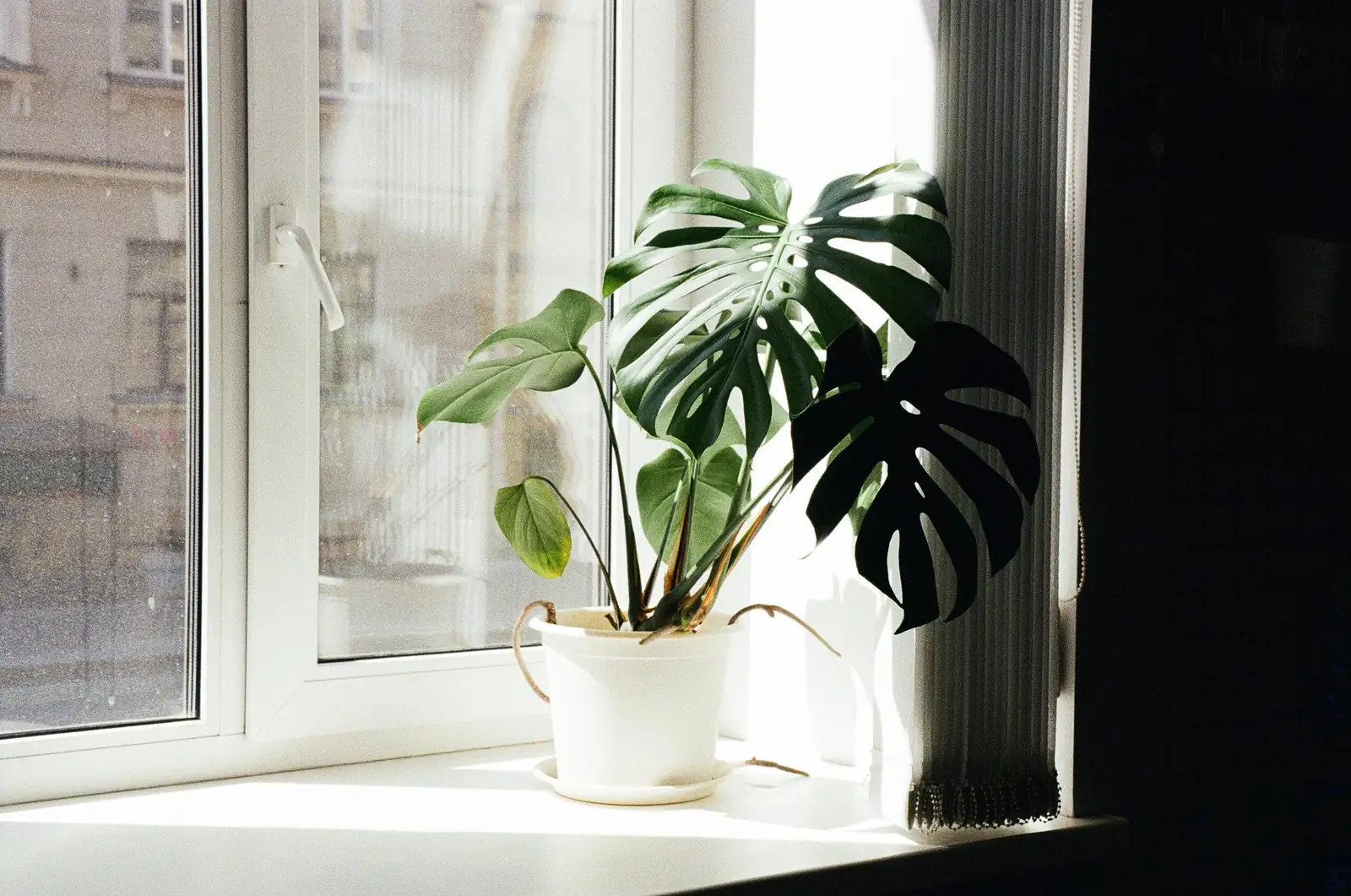
- Pull plants right up to the glass in autumn/winter for maximum intensity.
- Rotate a quarter-turn weekly so stacks color evenly.
- Ensure airflow—avoid steamy kitchens or bathrooms and still corners.
- Outdoors (mild climates):
- Bright light to full sun builds color. Acclimate gradually to avoid scorch.
- In extreme heat, offer light afternoon shade; bright mornings + filtered afternoons keep leaves tidy.
- Keep out of rain-soaked spots; wet, cold soil invites rot.
Lighting tricks to unlock winter reds
The Red Mode recipe
- Brighter light: 4–6 hours of direct sun indoors (through glass) or strong supplemental light.
- Cool nights: A gentle day–night swing deepens reds. Ideal growth temps are 18–24°C (64–75°F); keep above 8°C (46°F) in winter.
- Dryish mix: Water sparingly once true cool weather arrives; if temps approach 5°C (41°F), keep the mix dry and pause watering entirely.
If you’re using grow lights
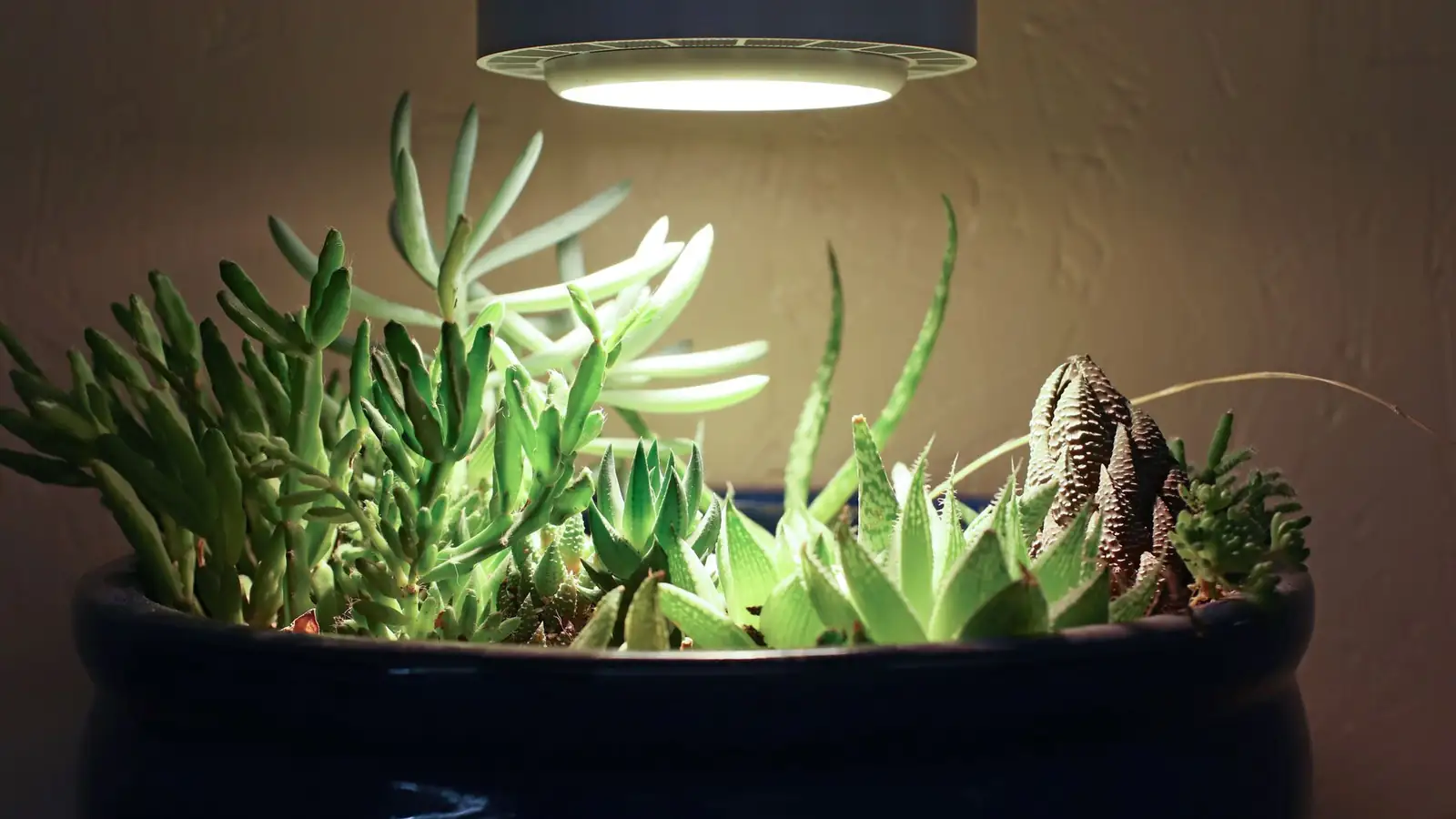
- Spectrum: Cool white to full-spectrum LEDs (around 4000–6500K) keep reds clean and form compact.
- Intensity: Position 20–30 cm (8–12 in) above the canopy and adjust until leaves are tight and color intensifies without bleaching.
- Photoperiod: 10–12 hours daily in winter, with a cooler nighttime room temp if possible.
Little staging boosts
- Bounce light: Place a white card or pale wall behind the pot to reflect light back onto the stack.
- Glass glow: Set pots within 30 cm (12 in) of a bright window; the “light well” effect increases intensity.
Soil and top-dressing that keep lines crisp
- Mix: Use a free-draining cactus/succulent blend—peat‑free potting mix cut with coarse sand/grit/perlite.
- Surface: A 1–2 cm top layer of grit sheds splash and frames the plant like negative space in a gallery.
Care that supports the design
- Watering rhythm:
- Drench thoroughly, then let the mix dry well before watering again.
- Spring: often weekly if drying fast.
- Summer: about every 2–3 weeks; even less in heatwaves if growth pauses.
- Autumn: lighten up; often weekly in bright, mild conditions.
- Winter: very sparing; keep mostly dry. Near/below 5°C (41°F), stop watering.
- Feeding: Monthly at low strength in active growth with a balanced-to-bloom‑leaning, lower‑nitrogen formula (e.g., 15‑15‑30). No feeding in cold, low-light winter.
- Pruning and shaping: Pinch leggy tips to keep stacks tight; trim spills to a clean line. The cuttings root easily and make instant backups for your display.
- Repotting: Early spring, or when rootbound, into a 10–12 cm (4–5 in) pot with excellent drainage. Tidy away dead basal leaves.
- Environment: Prefers dry air and ventilation; persistently high humidity invites leaf spot or rot.
- Hardiness: Frost tender (roughly USDA 10–11). Protect from frost and prolonged cold.
Propagation for design continuity
- Take 3–6 cm (1.2–2.4 in) firm tip cuttings with 6–7 leaves.
- Let cut ends callus, then insert into gritty, sandy medium.
- Keep bright at 18–22°C (64–72°F); roots form in about 2–3 weeks.
- Use new clones to repeat a successful color/shape composition across a room or tablescape.
Pests and pitfalls (and how to keep your display pristine)
- Rot and black, soft leaves = too much moisture or poor drainage. Move to brighter light with airflow, let mix dry thoroughly, reduce watering, and remove mushy tissue.
- Whitefly and scale can show up; treat early with insecticidal soap or horticultural oil and repeat per label.
- Leaf spot/rust: Improve ventilation, keep foliage dry, remove affected leaves; ornamental-labeled fungicides can help if needed.
Pet and family notes
Not consistently documented as toxic for this cultivar, but treat as “do not eat.” Ingestion may cause mild stomach upset—keep out of reach of children and pets.
Symbolism and seasonal storytelling
Campfire Crassula is often linked with a prosperous, bold home energy—fitting for a plant that flames red when many others fade. Unlike old-world floriography, these meanings are modern, community-made associations that reflect what we see: passion, warmth, and resilience through the cool season. Lean into that in winter styling—pair its scarlet stacks with white quartz and brass for a celebratory, fireside mood.
Quick answers to common color-and-care questions
- How do I make it turn red? Provide much brighter light (some direct sun is ideal) plus cooler autumn/winter conditions with a noticeable day–night temperature difference. Keep the mix on the dry side as nights cool.
- Why are leaves turning black and soft? That’s rot from excess moisture—watering too often, heavy soil, or damp, poorly ventilated placement (especially in cool weather). Brighten light, improve airflow, dry the mix thoroughly, and remove any rot.
Final styling cue
Think of Campfire Crassula as a living sculpture that rewards brave light and thoughtful framing. Give it texture to play against, air to breathe, and a front-row seat to winter sun—then watch your room ignite with color.