

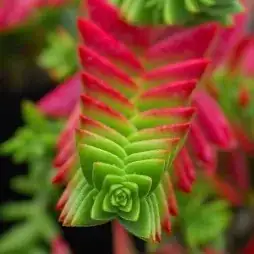
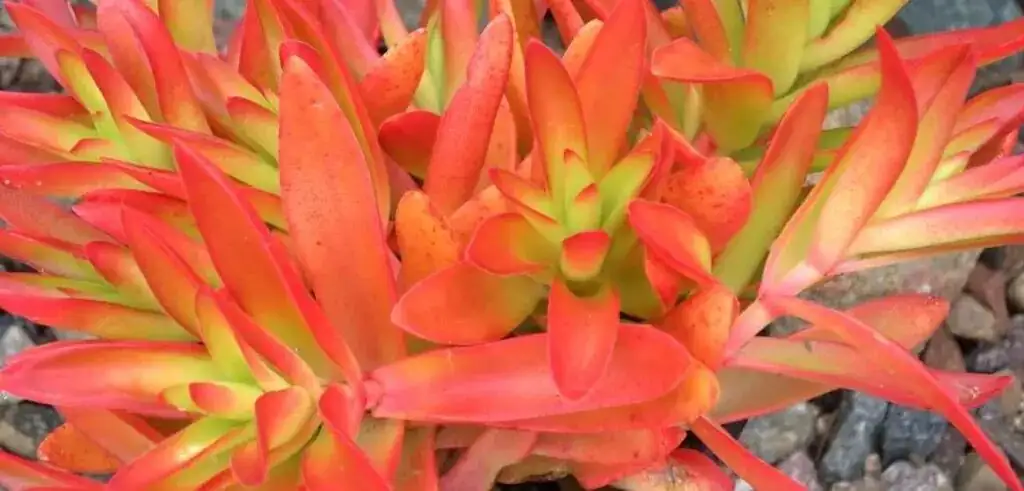
Imagine a small campfire that never smokes, never sputters—just quietly glows to life as nights grow cooler. That’s the seasonal magic of Crassula capitella ‘Campfire’, a sun-loving succulent whose stacked leaves blaze from fresh green to ember‑orange and vivid scarlet when autumn light intensifies. It’s a plant with modern flower‑language charisma—red for prosperity and passion—and a lineage inside the “money plant” clan that has long symbolized good fortune in homes, studios, and storefronts.
The Modern Language of Color: Why Red Means Prosperity and Passion
“Flower language” today is less about Victorian code and more about color psychology crossed with cultural tradition. In East Asian celebrations from Lunar New Year to weddings, red signals luck, abundance, and joyful momentum; worldwide, it doubles as the color of heart‑forward passion. ‘Campfire’ wears that message on its leaves:
- In spring and summer, foliage stays gray‑green to green.
- In autumn and winter, stronger light plus cooler nights turn the rosettes orange‑red to scarlet—like tiny flames in a pot.
That color change doesn’t just delight the eye—it also reads as a seasonal wish for thriving energy when days grow short.
A Money-Tree Cousin: Crassula’s Prosperity Pedigree
When people say “money tree,” they might mean several different plants, from the braided Pachira aquatica to the coin‑leafed Chinese money plant. Within this swirl of names, Crassula holds a special place thanks to the jade plant (Crassula ovata), a classic good‑fortune emblem in homes and shops. ‘Campfire’ is a different species in the same genus—close kin to jade—so it inherits that broader Crassula aura of steadiness, sunny optimism, and a “prosperous home” feeling. The bold red tones simply turn the volume up on the message.
Feng Shui Notes: Where This Little “Flame” Shines
Feng shui emphasizes flow, intention, and symbolism. While interpretations vary, many practitioners:
- Highlight the southeast area (the wealth/abundance sector on the bagua map) for prosperity symbols.
- Favor uplifting colors and healthy, thriving plants to signal growth.
How to style ‘Campfire’ with purpose:
- Place it where you’ll notice it daily—an uncluttered entry console, a sunny shelf in your living room, or the southeast corner of your home office.
- Choose a pot that echoes prosperity. Warm metallics (brushed gold), glossy white, or deep green ceramics complement its red glow.
- Pair thoughtfully. A small grouping with green and purple accents can nod to wealth colors without sacrificing your plant’s need for bright light and dry air.
Cultural meaning is symbolic, not prescriptive. Think of ‘Campfire’ as a bright reminder of your goals: put it where your eyes and intentions meet.
The Perfect Gift: Red Leaves, Warm Wishes
‘Campfire’ makes a spirited, modern alternative to the traditional “money plant” gift.
- Occasions: housewarming, new business launch, a promotion, Lunar New Year, anniversaries, or as a “fire‑up‑your‑next‑chapter” present for graduates and entrepreneurs.
- Message ideas:
- “May your home glow with prosperity.”
- “For bold beginnings and steady growth.”
- “Fuel for passion projects—keep the fire bright.”
- Presentation tips: tuck a red ribbon around the pot, add a tiny coin charm, or pair with a handwritten care card.
Meet the Plant
- Botanical name: Crassula capitella ‘Campfire’ (family Crassulaceae), also known as Campfire Crassula, Campfire Plant, Red Pagoda, or Red Pagoda Crassula. Chinese name: 火祭.
- Origin: A garden‑selected cultivar; the species parent is native to southern Africa.
- Habit and size: Low, branching succulent (upright to spreading, then slightly creeping with age). In containers, typically 10–30 cm (4–12 in) tall and 20–60 cm (8–24 in) wide over time.
- Foliage: Dense, opposite, fleshy leaves packed along stems for a sculptural, stacked look. Green in milder light and warm seasons; orange‑red to scarlet in cool, bright autumn/winter.
- Flowers: On mature plants, small starry clusters appear most often in autumn, white to pale pink.
How to Turn Up the Red
- Light: Very bright light to full sun is the switch. Indoors, use the brightest window you have (east or south is ideal).
- Temperature rhythm: Cooler nights in autumn/winter plus strong light intensify the red. A noticeable day–night temperature swing helps.
- Acclimation: Move it into stronger sun gradually to prevent scorch.
Care, Simplified
Think “drench and dry,” bright light, and breezy air.
Light and Placement
- Best color in bright light to full sun.
- Good spots: a sunny windowsill, bright balcony, or near a floor‑to‑ceiling window.
- Avoid: dim rooms, rain‑soaked corners, and stuffy, low‑airflow areas—especially in cool weather.
Watering
- Soak thoroughly, then let the mix dry out well before watering again.
- Typical rhythm:
- Spring: about weekly if the mix dries fast.
- Summer: often every 2–3 weeks; even less in extreme heat if the plant rests.
- Autumn: water lightly when dry (often weekly in bright, mild conditions).
- Winter: keep very bright and mostly dry; if temps dip near/below 5°C (41°F), stop watering entirely to prevent rot.
Black, soft leaves mean rot from excess moisture or poor drainage—remove damaged tissue, improve airflow/light, and let the mix dry.
Temperature and Humidity
- Happy range: 18–24°C (64–75°F).
- Winter minimum: keep above 8°C (46°F). Not frost hardy.
- Prefers dry air and good ventilation.
Soil and Pot
- Very free‑draining cactus/succulent mix.
- A practical blend: peat‑free potting mix cut with coarse sand/grit/perlite.
- Always use a pot with drainage holes.
Feeding
- During active growth, feed about monthly with a diluted, balanced‑to‑bloom‑leaning fertilizer (e.g., lower‑nitrogen such as 15‑15‑30). Skip feeding in cold, low‑light winter.
Pruning and Repotting
- Repot annually in early spring (10–12 cm / 4–5 in pots suit small plants).
- Tidy dead basal leaves and trim overly long roots at repotting.
- Pinch or trim leggy stems—cuttings root easily.
Propagation
- Take firm tip cuttings 3–6 cm (1.2–2.4 in) long with ~6–7 leaves.
- Let the cut end callus; insert into gritty, sandy medium.
- Keep warm and bright (18–22°C / 64–72°F). Rooting usually takes 14–21 days.
Year‑Round Rhythm
- Spring: repot, tidy, begin light feeding; water when dry.
- Summer: strong light; water sparingly after full dry‑downs; acclimate to intense sun.
- Fall: peak color, possible bloom; great time for cuttings.
- Winter: keep very bright, above 8°C (46°F), and on the dry side.
Troubleshooting at a Glance
- Staying green, not red: increase light, ensure cooler nights in fall/winter, and avoid overfeeding nitrogen.
- Leaves black/soft: classic rot—improve drainage, reduce watering, increase airflow/light, remove affected parts.
- Pests: watch for whitefly and scale. Treat early by wiping off pests, then use insecticidal soap or horticultural oil as directed. Damp, still air can also encourage rust or leaf spots; remove affected leaves and improve ventilation.
Safety Note
Not consistently documented as toxic for this cultivar, but treat it as “do not eat.” Ingestion may cause mild stomach upset; keep out of reach of children and pets.
Styling Ideas for Prosperity and Passion
- Holiday glow: cluster with other cool‑season “winter‑red” succulents for a festive windowsill.
- Gold accents: a warm metallic pot or coaster plays up the prosperity theme.
- Entryway nudge: one vibrant rosette by the door is a silent reminder to invite abundance in—and track your bright ideas once you cross the threshold.
Crassula capitella ‘Campfire’ doesn’t just brighten a shelf; it turns a corner of your life into a small ritual of optimism. In the modern language of color and care, red leaves say: nourish your passions, welcome prosperity, and keep the fire going.