

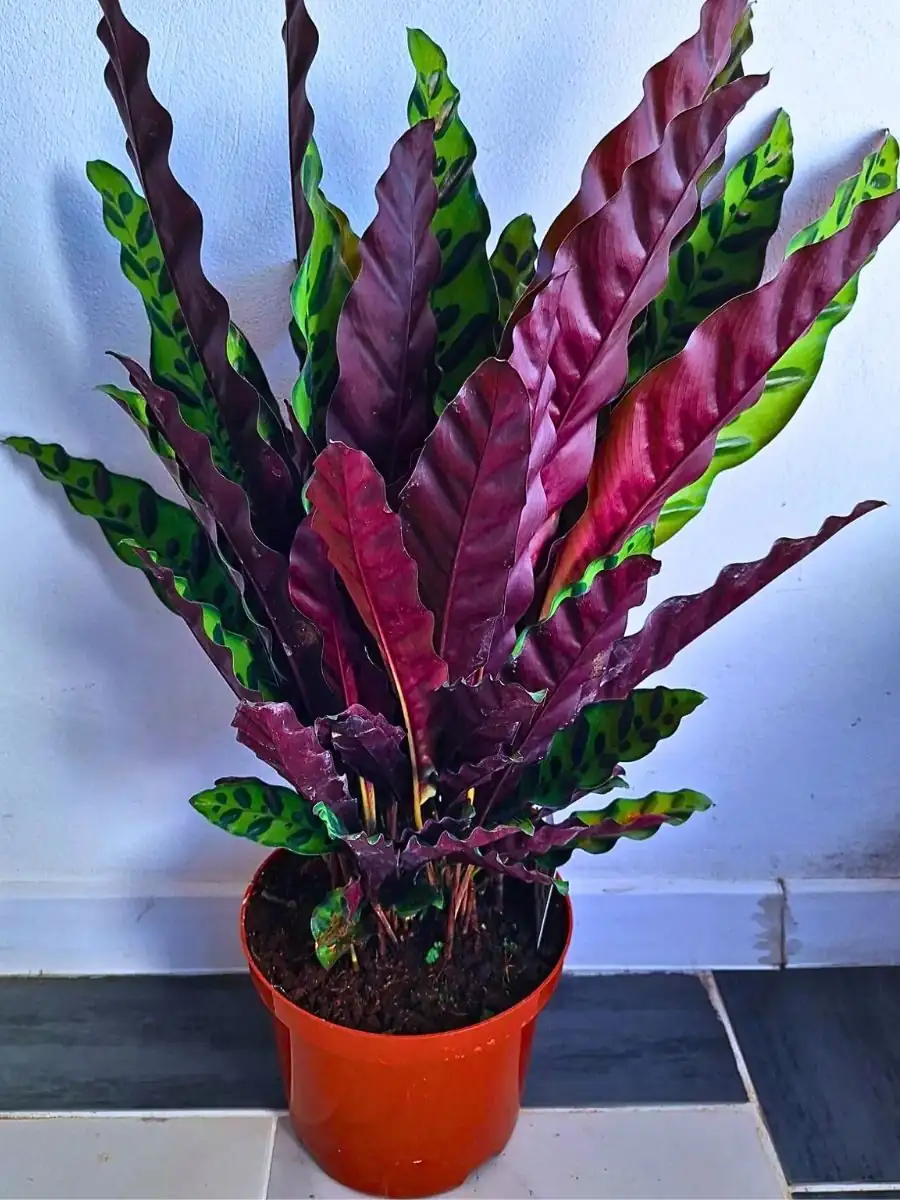
Meet the Rattlesnake Plant’s year-round rhythm: a warm-hearted Brazilian that thrives when you match your care to the seasons. Goeppertia insignis dazzles with wavy, snakeskin-marked leaves and wine-red undersides, lifting and lowering them with day and night like a tiny living metronome. The key to keeping that foliage crisp and vibrant is adjusting water, feed, and warmth as the light and temps shift. Here’s your seasonal playbook.
Light, Temperature, and Humidity: Set the Stage Once, Reap Rewards All Year
- Light: Bright, indirect light to light shade. An east or north window with filtered light is perfect. Avoid harsh direct sun, which can scorch or fade the patterns.
- Temperature: 15–24°C (59–75°F) consistently; avoid dips below about 13°C (55°F).
- Humidity: Aim for 50%+ (higher is even better). Bathrooms and kitchens often suit it beautifully. Otherwise, use a pebble tray or humidifier.
Pro tip: Airy but moisture-retentive soil is non-negotiable. Mix 2 parts high-quality houseplant potting mix with 1 part perlite (2:1) for steady moisture without sogginess.
The Seasonal Playbook
Spring: Wake-Up and Reboot
This is the plant’s “stretch and yawn” season—new leaves, stronger thirst, and a hunger for nutrients.
- Watering: Keep evenly moist, never soggy. Water when the top 1–2 cm (0.4–0.8 in) of mix starts to dry. Depending on your home, that may translate to roughly once a week—but let the soil be the decider.
- Fertilizer: Start a steady routine—every 2 weeks at 1/2 strength with a balanced liquid fertilizer.
- Repot/Division: Prime time. Repot every 2–3 years (or when root-bound), stepping up just one pot size with fresh 2:1 mix. If you want more plants, divide now: separate clumps with roots attached and pot individually.
- Placement tweaks: Move a touch closer to bright windows if winter pulled it back. Keep it out of drafts or vent blasts.
Summer: Peak Growth, Peak Consistency
Longer days and warmer rooms increase evaporation—your job is smooth, even care.
- Watering: Expect slightly faster dry-down. Continue watering when the top 1–2 cm dry. In warm, bright spots, this could be several days sooner than spring.
- Fertilizer: Stay the course—every 2 weeks at 1/2 strength.
- Shade and humidity: Keep it out of hot, direct rays. If your home runs dry, add a humidifier or pebble tray to keep foliage edges pristine.
- Pest patrol: Dry air invites spider mites and mealybugs. Rinse leaves occasionally and check undersides. Treat early with insecticidal soap or horticultural oil if needed.
Autumn: Gentle Slow-Down
As light shortens, the plant eases off the gas.
- Watering: Allow the surface to dry a little more between waterings. Frequency will naturally drop—still aim for evenly moist, not wet.
- Fertilizer: Continue biweekly feeding into early autumn, then taper. By late autumn, reduce or pause feeding as growth slows.
- Light: Nudge it a bit closer to that bright window to compensate for shorter days. Keep the light indirect.
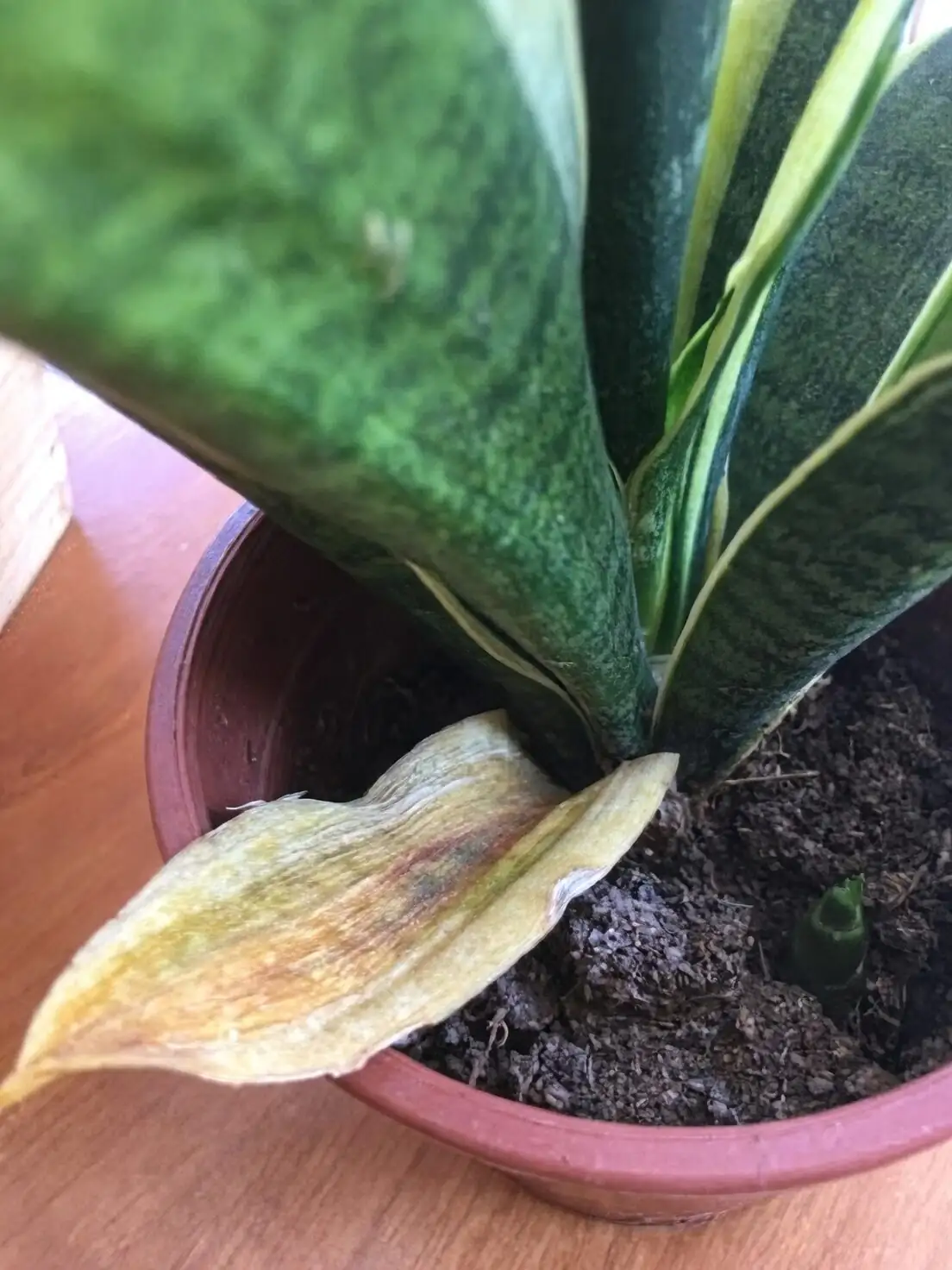
- Cleanup: Snip yellowing or damaged leaves at the base with clean scissors. Trim brown tips if needed, but address the cause—usually low humidity or mineral-heavy water.
Winter: The Warm-Up Game Plan
Think “tropical spa.” Stable warmth and humidity are everything.
- Temperature: Keep it in the 15–24°C (59–75°F) comfort zone and away from chilly glass, drafty doors, or heating vents. Avoid dips below 13°C (55°F).
- Humidity: Maintain 50%+ with a humidifier or pebble tray. Grouping plants helps too.
- Watering: Let the mix dry a bit more on the surface before watering again. In many homes that means longer intervals than autumn. Always use the top-1–2-cm rule over the calendar.
- Fertilizer: Reduce or pause feeding until growth resumes.
- Light: Move to your brightest, indirect spot. Sheer curtains help soften any strong rays.
- No repotting: Save root work for spring. Keep conditions steady and cozy.
Repotting and Division, Step by Step (Best in Spring)
- Choose the right size: Often started in a 12.5–15 cm (5–6 in) pot; size up just one step if root-bound.
- Use a fresh mix: 2 parts potting mix to 1 part perlite (2:1), evenly moistening it before potting.
- Lift and loosen: Gently free the root ball. If dividing, separate natural clumps so each division has roots attached.
- Pot and settle: Plant at the same depth, backfill, and water to settle. Keep warm, bright, and humid.
- Aftercare: Hold fertilizer for 4–6 weeks after repotting/division while roots re-establish. Maintain even moisture without waterlogging.
Water Quality: The Secret to Tip-Top Tips
This species appreciates soft, clean water.
- Best choices: Rainwater or distilled water.
- Why it matters: Minerals in hard tap water often cause brown tips and margins. If you must use tap water, expect more edge browning over time.
- Temperature: Room-temperature, never cold.
Quick Seasonal Snapshot
- Spring–Summer–Early Autumn:
- Water: Keep evenly moist; water when top 1–2 cm dry.
- Feed: Every 2 weeks at 1/2 strength.
- Repot/Divide: Spring, every 2–3 years or when crowded.
- Late Autumn–Winter:
- Water: Let the surface dry a bit more between waterings.
- Feed: Reduce or pause.
- Warmth/Humidity: Keep 15–24°C, 50%+ humidity, away from drafts.
Troubleshooting by Season
- Crispy edges or tips: Often low humidity or mineral-heavy water. Boost humidity and switch to rain/distilled water.
- Faded patterns or scorch: Light is too intense—shift to bright, indirect light.
- Limp leaves and soggy soil: Overwatering or poor drainage. Let the top layer dry before watering and ensure your pot drains freely.
- Curling leaves and dry mix: Thirsty plant—water more promptly and review your mix for better moisture retention.
- Pests (especially in dry air): Spider mites, mealybugs, and scale. Increase humidity, rinse foliage, and use insecticidal soap or horticultural oil.
A Note on Blooms and Nightly “Prayer”
Indoors, flowers are rare and modest—this plant is all about the foliage. Its evening leaf-lift is classic Marantaceae behavior, giving it that “prayer plant” vibe. It’s mesmerizing, and a great reminder that stable warmth and humidity equal a good night’s rest for your plant, too.
Meaning and Mood
Rattlesnake Plant is often linked with calm and renewal—perfect for spa-like bathrooms and steamy kitchens where it thrives. That serenity isn’t just symbolism; it reflects the conditions it loves: warm, gentle light, soft water, and a consistent humidity hug.
Keep this seasonal playbook handy, and your Goeppertia insignis will wear its snakeskin stripes like a year-round victory parade.