

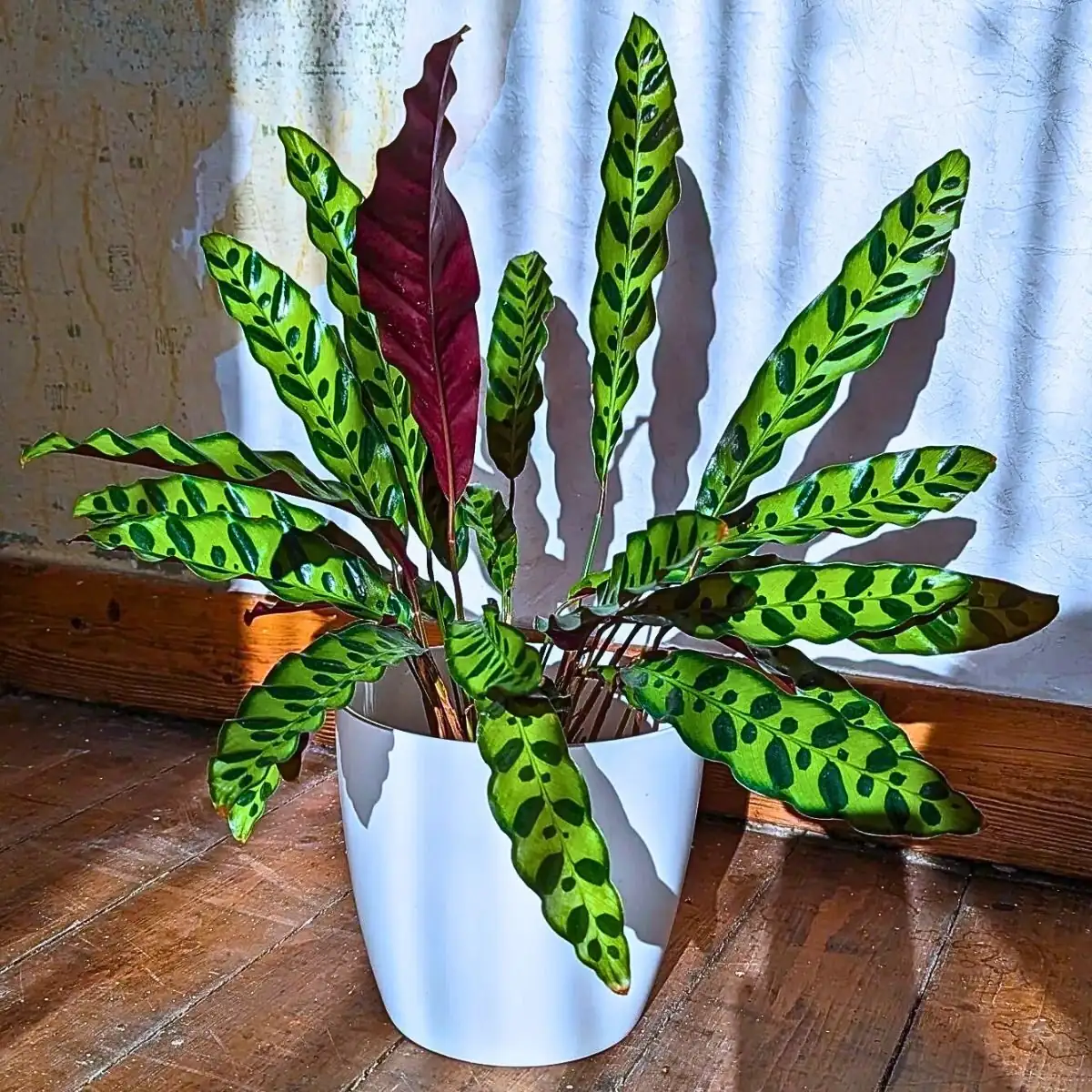
Think of your Rattlesnake Plant (Goeppertia insignis) as the patterned star of your indoor jungle—its long, wavy leaves streaked in snakeskin greens and backed in burgundy are pure drama. Now give it a supporting cast that keeps the air pleasantly steamy, shares its love for gentle light, and plays up those patterns like a perfectly curated outfit. That’s the magic of creative companion-planting indoors: you’re not just decorating—you’re building a mini rainforest microclimate that helps everyone thrive.
Your headliner at a glance: Goeppertia insignis
- Origin and vibe: Native to Brazil’s rainforest floor; happiest in warm, steamy rooms (bright bathrooms and kitchens are ideal).
- Light: Bright, indirect to light shade; avoid harsh direct sun that can scorch or fade patterns.
- Temperature: 15–24°C (59–75°F). Keep away from drafts and vents; avoid dips below about 13°C (55°F).
- Humidity: Moderate to high; aim for 50%+. Grouping plants, pebble trays, or a humidifier make a real difference.
- Watering: Keep evenly moist in spring–autumn, watering when the top 1–2 cm dries. Water a bit less in winter. Rain or distilled water helps prevent brown tips.
- Soil: Moisture-retentive yet airy mix—try 2 parts houseplant potting mix to 1 part perlite.
- Habit and size: Clump-forming, upright-to-arching; typically around 75 × 45 cm (30 × 18 in).
- Pet note: Generally considered non-toxic to cats and dogs.
Why companion-plant indoors?
- A shared microclimate: Clusters of broad-leafed, transpiring plants gently boost local humidity—exactly what your rattlesnake beauty craves.
- Better light matching: Choose species that also prefer bright, filtered light to avoid awkward compromises.
- Visual cohesion: Echo colors, contrast textures, and stage heights so patterns read as intentional, not chaotic.
Golden rules:
- Match light and moisture needs first; aesthetics second.
- Keep everyone away from drafts/vents.
- Use compatible soils and watering rhythms to avoid over/underwatering any single plant in the group.
Humidity heroes that love the same light
Think “lush leaves, no harsh sun.”
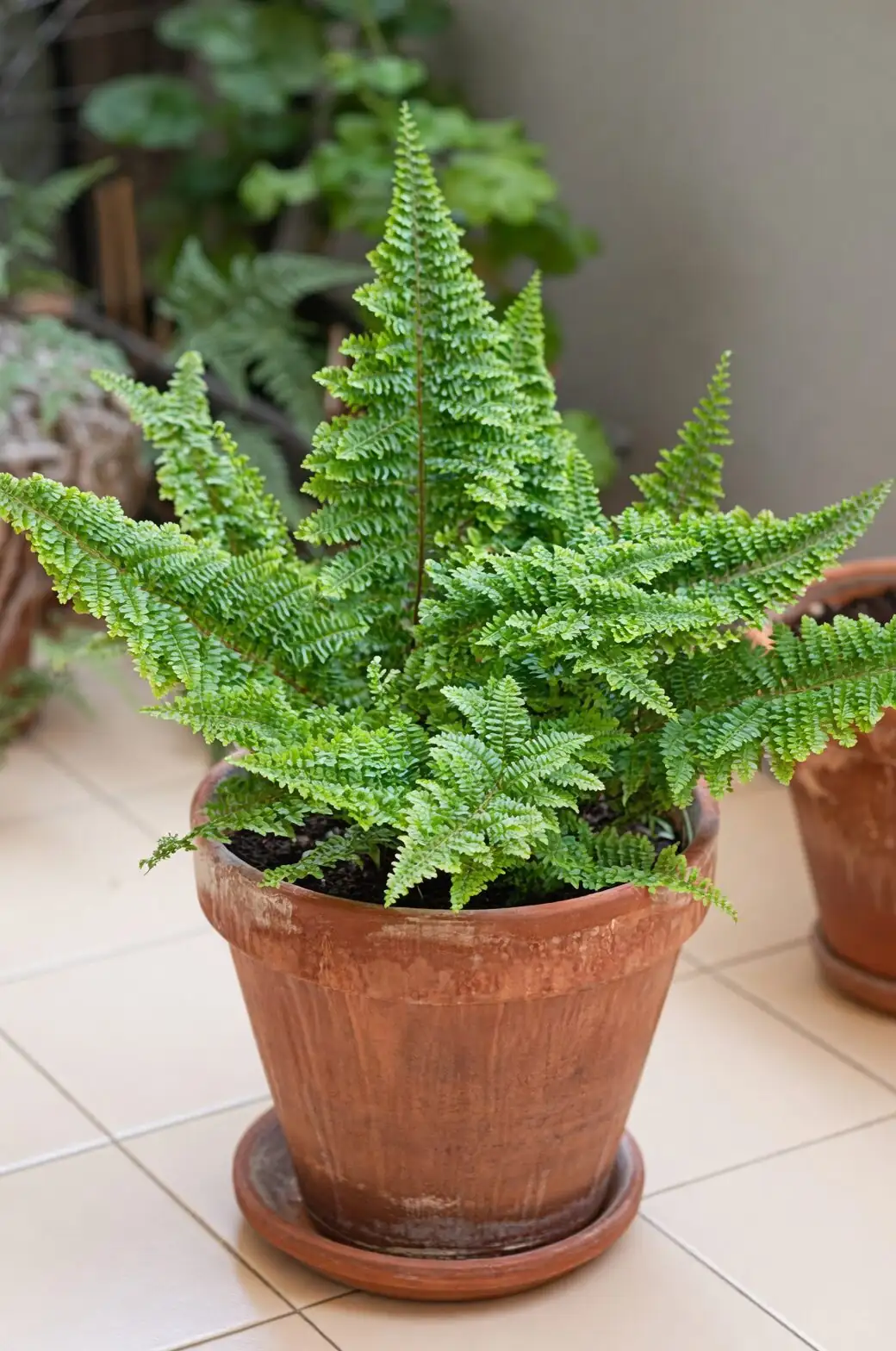
- Boston fern (Nephrolepis exaltata): Classic fronds drink up ambient moisture and release it back—excellent for shared humidity. Pet-friendly.
- Bird’s nest fern (Asplenium nidus): Glossy, architectural rosette that thrives in the same warm, indirect light. Pet-friendly.
- Nerve plant (Fittonia albivenis): Low-growing mosaic leaves act like a living humidity meter; pair around the base of your rattlesnake plant. Pet-friendly.
- Maranta leuconeura (prayer plant): A close Marantaceae cousin that shares humidity needs and nightly leaf movement. Pet-friendly.
- Ctenanthe burle-marxii (fishbone prayer plant): Striking banding that harmonizes with snakeskin marks while helping to keep the local air moist. Pet-friendly.
- Selaginella species (spikemoss): For extra-steamy corners like bathrooms; best as a nearby accent or in a cachepot to keep its special moisture needs tidy. Pet-friendly.
Tip: Place the whole ensemble on an extra-wide pebble tray with water below pot bases. You’ll get a steady, gentle humidity bump without waterlogging.
Pattern playmates and color echoes
Build a visual chorus around that snakeskin.
- Goeppertia makoyana (peacock plant): Transparent, feathery “eye” markings that riff on your rattlesnake’s pattern without competing.
- Goeppertia orbifolia: Broad, satin leaves with silver-green banding; the calmer stripes make a luxe backdrop for the rattlesnake’s detail.
- Goeppertia roseopicta group: Pink-veined rounds that introduce a soft blush to echo those burgundy undersides.
- Stromanthe ‘Triostar’: Cream, green, and pink variegation; use as a tall, light-catching anchor to the side so it doesn’t overshadow the narrower rattlesnake leaves.
- Peperomia caperata (and burgundy cultivars): Corrugated texture plus wine-red tones that nod to the rattlesnake’s undersides; compact habit fills gaps nicely. Pet-friendly.
Styling note: Mix leaf shapes—lances (rattlesnake) + rounds (orbifolia/roseopicta) + rosettes (bird’s nest fern)—to make each pattern stand out.
Softening trailers and upright foils
Layer edges and height for a “finished” jungle.
- Pilea glauca (aka Pilea libanensis): Cascading, tiny bluish leaves soften pot rims and contrast beautifully with the rattlesnake’s elongated blades. Pet-friendly.
- Soleirolia soleirolii (baby’s tears): A plush, mounding edge plant for high-humidity nooks; great in a separate cachepot to manage moisture. Pet-friendly.
- Parlor palm (Chamaedorea elegans): Feathered fronds as a gentle screen; tolerant of bright, indirect light and adds vertical softness. Pet-friendly.
What not to pair right next to it
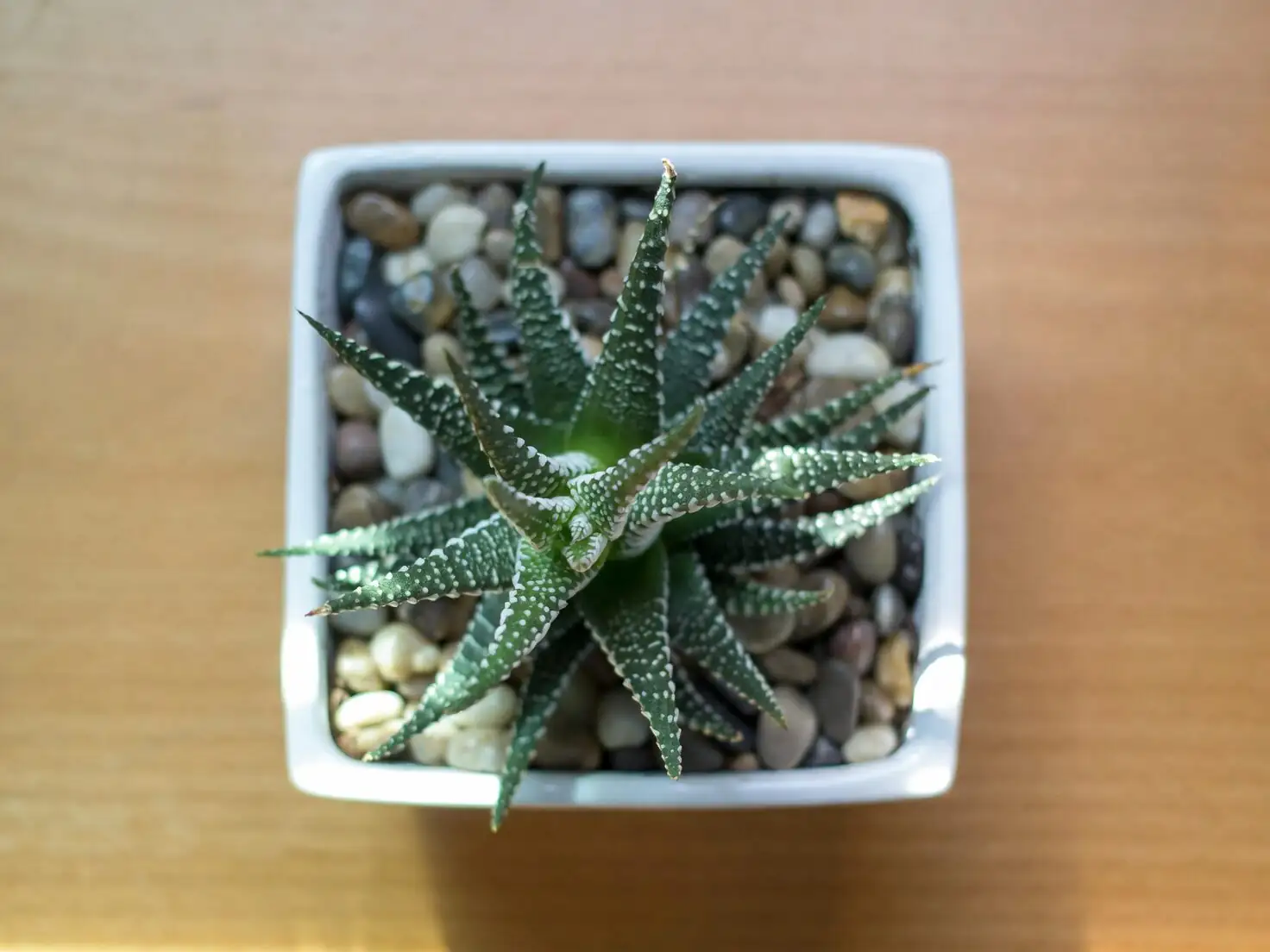
- Succulents and cacti: Prefer dry air and more direct sun; they’ll sulk in the rattlesnake plant’s humid, filtered-light setup.
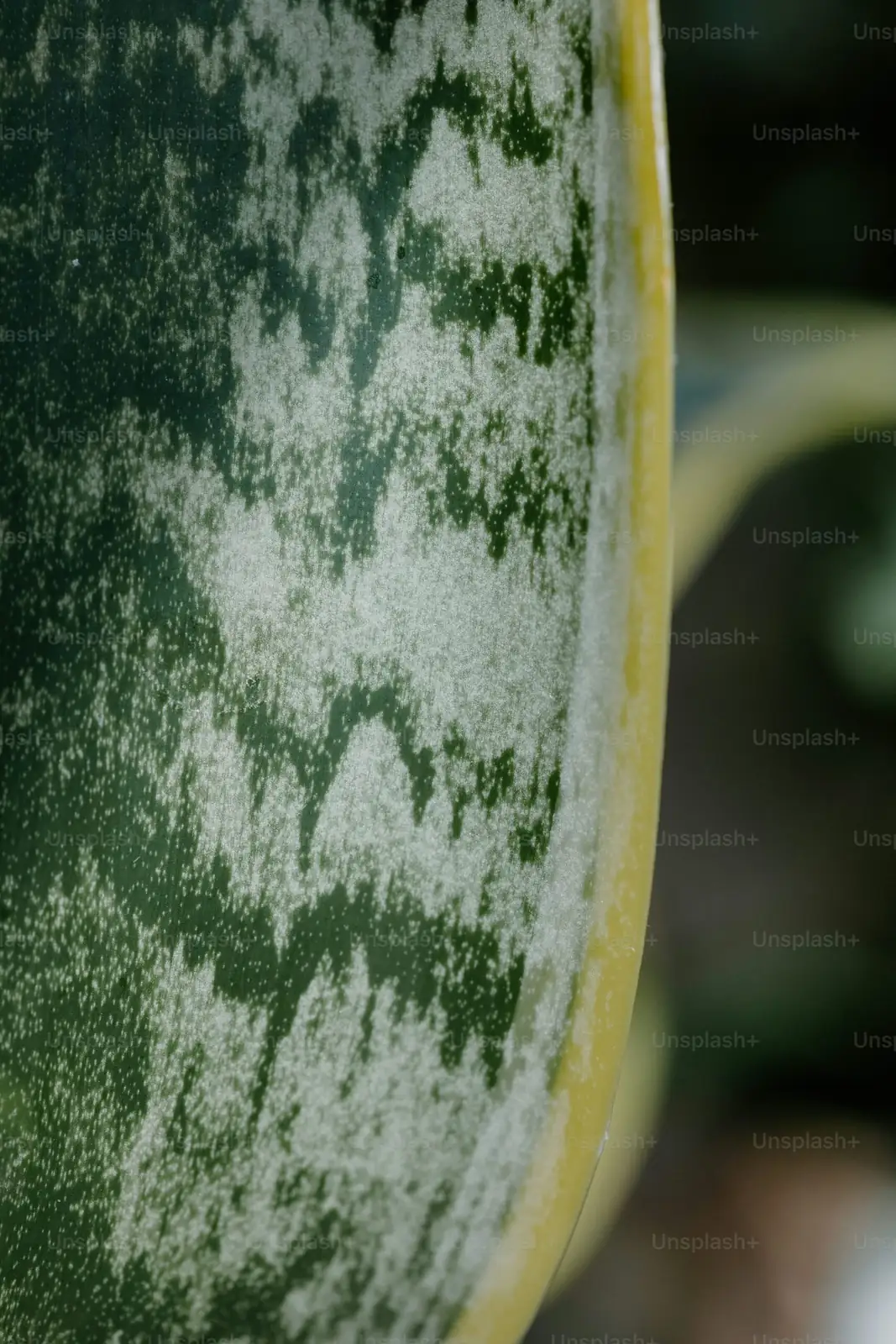
- Snake plant (Sansevieria): Despite the name synergy, it wants drier soil and can handle more sun—don’t force a roommate situation with opposite watering styles.
- Fans and drafty windows: Patterns can crisp and edges brown when airflow is harsh.
Room recipes: ready-made ensembles
Bright bathroom bouquet (the spa set)
- Goeppertia insignis + Boston fern + Fittonia + Pilea glauca
- Place all on a wide pebble tray. Let the fern sit slightly behind and to one side; trail Pilea over the front edge. The bathroom’s natural humidity amps up everyone’s glow.
North/east window nook (the pattern salon)
- Goeppertia insignis + Goeppertia orbifolia + Ctenanthe burle-marxii
- Stagger heights: orbifolia low and wide to the back-left, rattlesnake centered as the mid-height star, Ctenanthe front-right to angle its “fishbone” toward the viewer.
Kitchen counter vignette (the color echo)
- Goeppertia insignis + Bird’s nest fern + Peperomia caperata (burgundy cultivar)
- Use matching glazed planters (matte cream or charcoal). The burgundy Peperomia pulls out the rattlesnake’s wine-red undersides without shouting.
Design tricks to flaunt those burgundy undersides
- Elevate on a plant stand so arching leaves reveal their wine-red flips when you walk by.
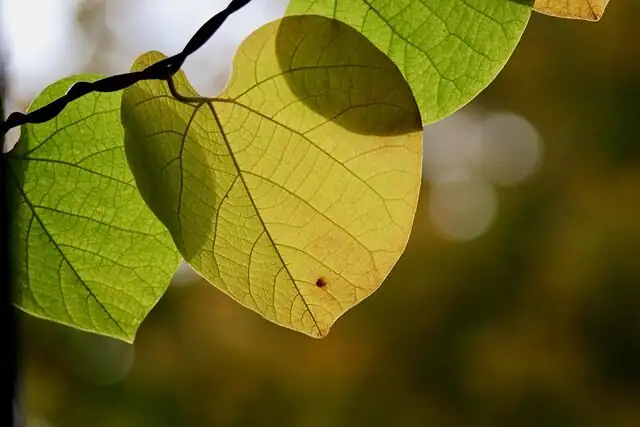
- Backlight with soft, indirect light or a warm LED from below to make the undersides glow at dusk.
- Choose pot colors that flatter: charcoal, deep green, or soft blush. Terracotta wicks moisture fast—great for some plants, but with rattlesnake plants, a glazed pot helps maintain even moisture.
Care choreography for the whole troupe
- Watering rhythm: In spring–autumn, water when the top 1–2 cm of mix dries, keeping the substrate evenly moist but never soggy. In winter, let the surface dry a bit more. Use rain or distilled water to prevent brown tips.
- Substrate: An airy, moisture-retentive blend suits many companions. For your rattlesnake plant, aim for 2 parts houseplant mix to 1 part perlite.
- Feeding: Spring–autumn, half-strength balanced liquid fertilizer every 2 weeks for your rattlesnake plant. Many companions are happy on a similar diluted schedule; always err on the light side for mixed displays.
- Humidity: Target 50%+; grouping, pebble trays, and a small humidifier make maintenance easy.
- Temperature: 15–24°C; keep the entire grouping away from cold drafts or blasting vents.
- Grooming: Trim the occasional brown tip, but fix the cause (usually low humidity or mineral-heavy water). Remove spent or yellowing leaves at the base with clean scissors.
- Pests: Spider mites, mealybugs, and scale can hop in dry air or crowded shelves. Inspect leaf undersides regularly, rinse foliage, and treat early with insecticidal soap or horticultural oil.
- Repotting and propagation: Refresh mix and size up every 2–3 years for the rattlesnake plant. Divide clumps in spring if you want “instant” companions from the parent.
Symbolism and the quiet “flower language”
While not rooted in a single ancient tale, the Rattlesnake Plant is often associated with calm and renewal—fitting for a species that thrives in warm, spa-like humidity and lifts its leaves at night in restful “prayer.” That nightly movement (shared by many Marantaceae) reads as a rhythm of exhale/inhale, close/open—a living reminder to slow down, breathe, and begin again.
Pet-friendly jungle picks
Keep the theme consistent: your rattlesnake plant is generally non-toxic to cats and dogs. Complement with:
- Boston fern
- Bird’s nest fern
- Fittonia
- Maranta leuconeura
- Ctenanthe burle-marxii
- Pilea species (glauca, peperomioides)
- Parlor palm
Always discourage nibbling—any foliage can cause mild stomach upset.
Quick companion shortlist by role
- Humidity boosters: Boston fern, Bird’s nest fern, Maranta, Ctenanthe, Fittonia
- Pattern playmates: Goeppertia makoyana, G. orbifolia, G. roseopicta, Stromanthe ‘Triostar’
- Softeners and trailers: Pilea glauca, baby’s tears (in a cachepot)
- Upright foils: Parlor palm
- Avoid nearby: Cacti, succulents, “snake plant,” drafty vents
When you match humidity and light, your Goeppertia insignis stops being a single showpiece and becomes the lead in a lush ensemble. Build a bright, filtered-light stage, raise the humidity, and let those patterned leaves take the spotlight—while the supporting cast makes the air feel like rainforest dawn.