

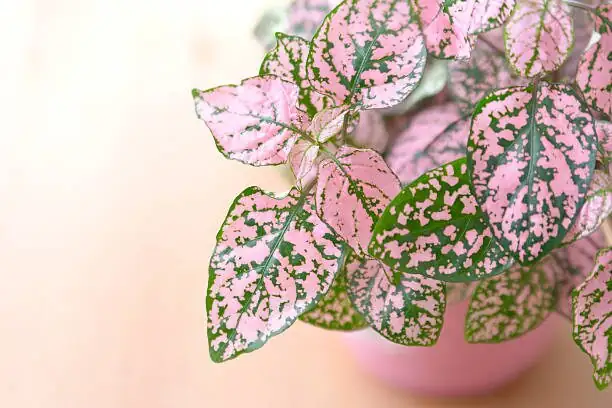
Think of Hypoestes phyllostachya—the polka dot plant—as living pixel art. Those candy-pink, red, or creamy splashes aren’t just pretty; they’re a real-time readout of how the plant is interpreting light. Get the intensity and spectrum right, and the colors deepen, the dots sharpen, and the whole plant stays compact. Get it wrong, and everything softens into green, leggy blur.
Below is your science-forward roadmap to color-rich, pattern-crisp Hypoestes—plus practical lighting recipes you can use at a window, under LEDs, or even in a terrarium.
Meet the pigment palette behind the “polka dots”
- Chlorophyll: The green engine. In low light, Hypoestes ramps up chlorophyll to capture more photons—often at the expense of visible pinks and reds.
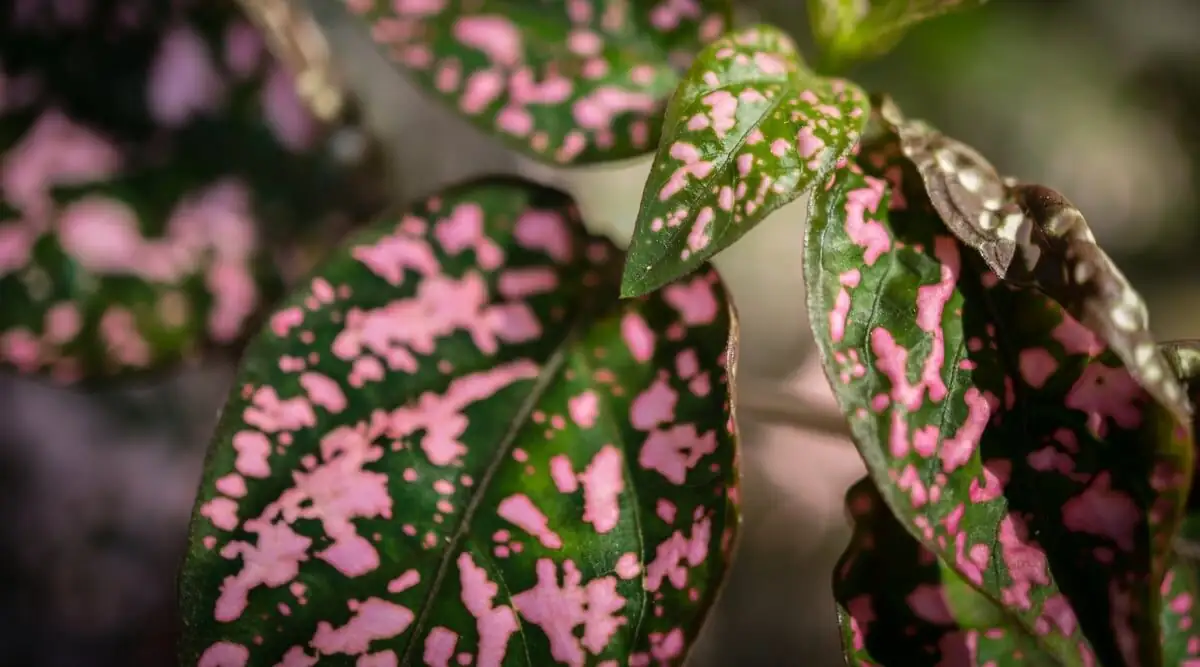
- Anthocyanins: Water-soluble pigments responsible for pinks, reds, and purples. Bright, steady light upregulates their production. The deeper the anthocyanin “ink,” the clearer the pattern against green tissue.
- Carotenoids: Accessory pigments in the yellow–orange range that subtly warm the background greens.
Pattern clarity is the tug-of-war between chlorophyll (which rises in dim conditions and “greens out” the pattern) and anthocyanins (which intensify with the right light). In short: brighter filtered light = more saturated color and sharper contrast.
Intensity: how bright is “bright” for vivid color?
Polka dot plant loves bright, filtered light or partial sun. Too little light: greener, leggier, less speckled. Too much harsh midday sun: bleached patches, crispy edges.
- Target indoors:
- 8,000–20,000 lux of bright, indirect light for vivid color without scorch.
- Morning sun is great; protect from harsh midday rays.
- Window placement sweet spots:
- East window: on the sill or just off it (often ideal).
- Bright north window: right on the sill.
- South/west window: 0.5–1.5 m (1.5–5 ft) back or behind a sheer curtain.
Tip: A phone light meter app can help. If values dip below ~5,000 lux for much of the day, expect greens to dominate and stems to stretch.
Spectrum: which wavelengths sharpen the pattern?
Light quality (color mix) changes how pigments form and how the plant grows.
- Blue light (≈450 nm)
- Encourages anthocyanin production and keeps plants compact with tighter internodes.
- Too little blue under LEDs? Hypoestes can grow lanky, and the leaf posture looks “off.”
- Red light (≈660 nm)
- Drives photosynthesis efficiently and supports biomass.
- Red alone can cause issues: in a controlled LED study on ornamental plants including Hypoestes, red-only treatments produced curly leaves and insufficient compactness. A minimal amount of blue was essential for quality, and red+blue outperformed no supplemental light for anthocyanin content in dark periods.
- Far-red (≈730 nm)
- Signals shade; can elongate stems and soften overall look. Use sparingly if at all for this plant.
- UV-A (≈365–400 nm)
- Low doses can nudge anthocyanins higher, but it’s easy to overdo and stress leaves. Not required for great color at home.
Bottom line: For strong color and tidy growth, provide a balanced blue+red signal with a clear blue component. Natural bright, filtered daylight typically does this well.
Practical lighting setups for saturated color
Daylight-only setups
- East-facing sill with sheer curtains
- Light profile: gentle morning sun + bright indirect for hours.
- Result: deep pinks/reds without crisping; compact habit.
- South or west window, 0.5–1.5 m (1.5–5 ft) back
- Add a sheer if leaves look pale or edges brown.
- Bright north window
- Fine for maintenance; in winter, consider a small LED booster to prevent green washout.
LED grow-light recipes that work
- Simple, effective choice: Full-spectrum white (4,000–6,500 K) LED panel or bar.
- Height: 25–40 cm (10–16 in) above the canopy.
- Photoperiod: 12–14 hours/day.
- Visual cue: leaves hold saturated pink/red and plant stays compact. If it stretches, lower the light a bit or lengthen the day.
- Spectrum-forward option: Horticultural LED with both blue and red channels.
- Aim for a visible blue presence (roughly 15–30% of total output) with robust red (50–70%).
- Avoid red-only rigs; they can distort leaf form and reduce pattern quality.
- Keep far-red minimal; it often loosens the plant’s structure.
- End-of-winter “color finish”
- 2–3 weeks under bright LEDs with both blue and red can restore anthocyanin depth after dark seasons. Maintain good hydration and moderate humidity for best results.
Pro tip: Use a timer. Consistency of day length is as important as absolute intensity for stable pigment expression.
Terrarium tuning
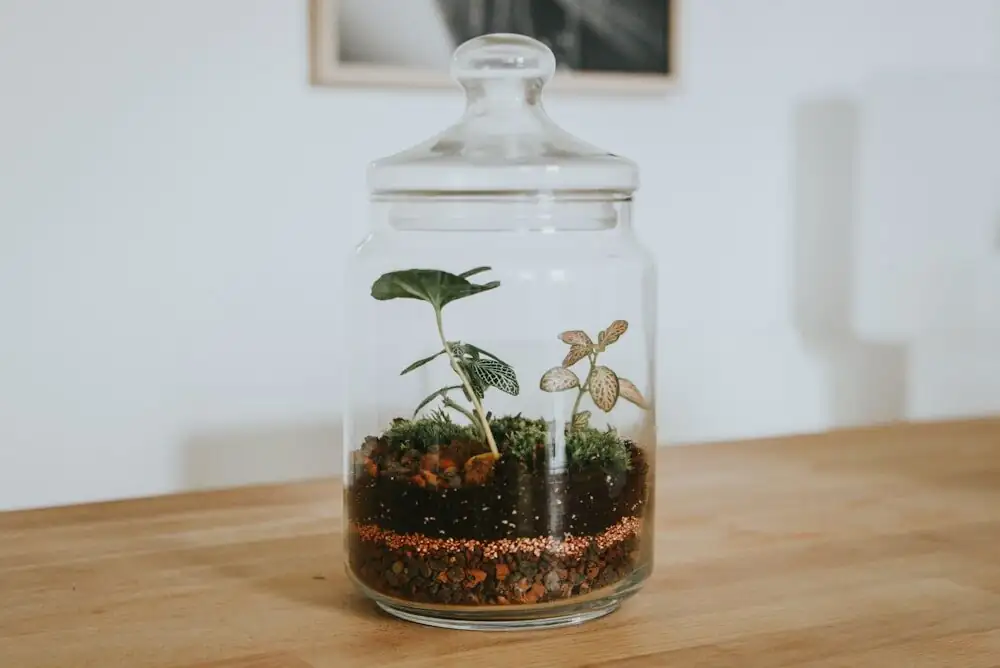
- Hypoestes loves terrariums and glass jars, where humidity is naturally higher.
- Use a diffused LED (5,000–6,500 K) 12 hours/day; ensure some airflow to prevent mildew.
- Terrarium glass reduces intensity—so give it a bit more time or place the light slightly closer.
Getting crisp speckles instead of muddy blotches
- Give the right light, not just more light.
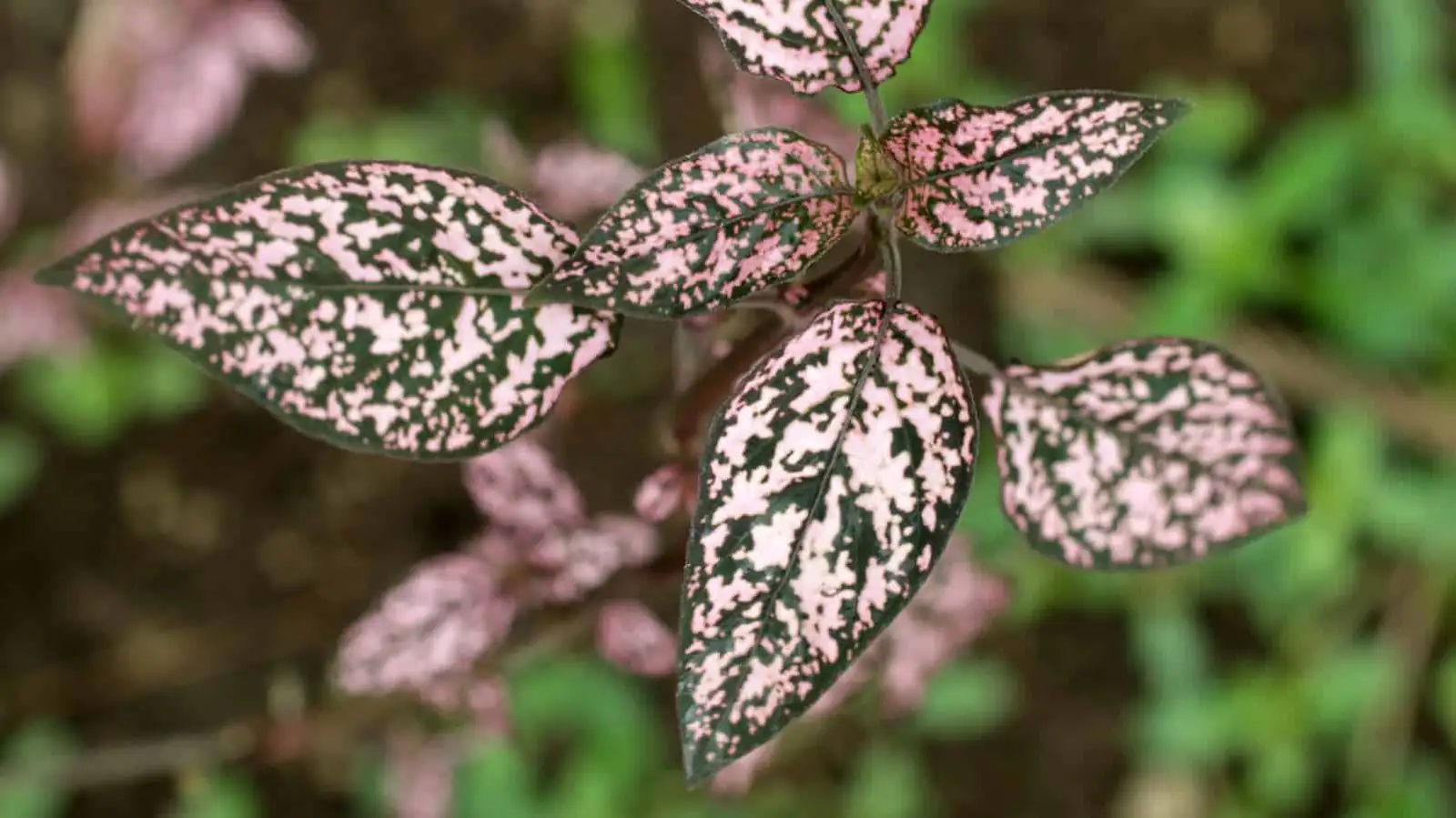
- Pattern clarity improves with bright, filtered intensity and a blue+red spectrum. Harsh midday sun can bleach pink areas and singe edges.
- Keep humidity moderate to high (aim ~50%+).
- Low humidity + strong light = crispy margins, faded speckles. Bathrooms and kitchens are excellent spots.
- Pinch for density.
- Regularly pinch tips to prevent legginess, increase branching, and keep the canopy color-dense. Remove flowers if you want maximum foliage show—the plant readily shifts energy back to leaves.
- Feed lightly but regularly.
- Spring to autumn: a balanced liquid fertilizer at 1/2 strength every two weeks is plenty. Excess nitrogen often pushes greener, softer growth at the expense of saturated color.
Seasonal light strategy
- Spring–summer
- Bright, filtered light or partial sun; avoid harsh midday rays. Water when the top 1–2 cm (0.4–0.8 in) of mix is dry; keep evenly moist, never soggy.
- Autumn–winter
- Short days? Extend photoperiod with LEDs (12–14 h). Reduce watering and feeding as growth slows; keep the mix just lightly moist.
- If colors fade or stems stretch, raise intensity slightly or add blue-rich supplemental light.
Troubleshooting color and form
- Leaves turning mostly green, plant getting leggy
- Cause: insufficient intensity or days too short.
- Fix: move closer to a brighter window; add LED; lengthen photoperiod to 12–14 h.
- Pink is dull or washed out
- Cause: not enough blue+red signal, or low overall light.
- Fix: swap to a full-spectrum LED with visible blue; increase daily light without adding harsh direct sun.
- Bleached speckles or crispy edges
- Cause: excessive direct midday sun, low humidity, or heat stress.
- Fix: add a sheer, move slightly back from the window, boost humidity.
- Curly leaves under LEDs
- Cause: overly red-heavy spectrum.
- Fix: introduce blue; use full-spectrum white or a mixed-spectrum horticultural fixture.
- Pale new growth
- Could be normal emergence (anthocyanins and chlorophyll often “develop in”), but sustained paleness suggests low light or nutrient imbalance. Improve light first; feed at 1/2 strength during active growth.
Quick care refresh (so the lighting pays off)
- Light: Bright, filtered light or partial sun; avoid harsh midday. East or bright north windows excel; south/west needs diffusion or distance.
- Temperature: 18–27°C (64–81°F); avoid chills below ~13°C (55°F).
- Humidity: Aim for 50%+; pebble tray or naturally humid rooms help.
- Soil and water: Loose, well-draining potting mix (houseplant mix + perlite). Keep evenly moist, never waterlogged.
- Pruning: Pinch often for a compact mound; remove flowers if you want peak foliage color.
- Propagation: Very easy from 5–10 cm (2–4 in) stem tips in water or moist mix.
- Pets: Generally considered non-toxic to cats and dogs, though nibbling can upset tummies.
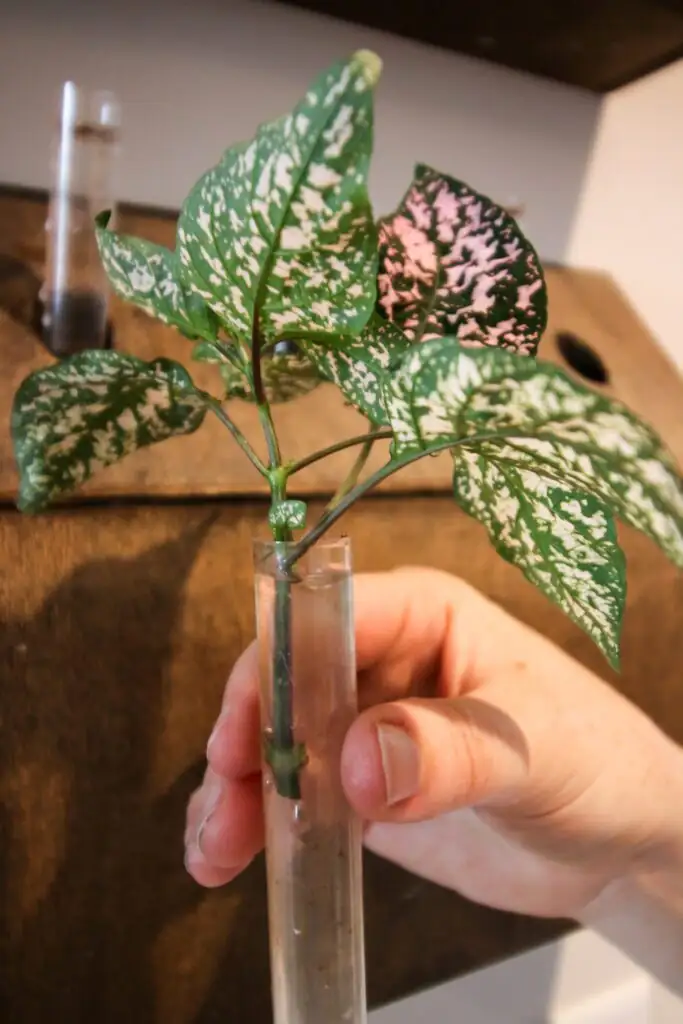
Why Hypoestes color is so responsive
In nature (Madagascar origin), this plant experiences bright but filtered light and periodic humidity—conditions that favor anthocyanin expression without scorch. Indoors, reproducing that balance is the entire game: enough photons to “ink in” the pinks, with a spectrum that includes blue to keep speckles sharp and the plant compact. Provide that, and your polka dot plant becomes a tiny, science-backed color display that looks freshly painted every day.