

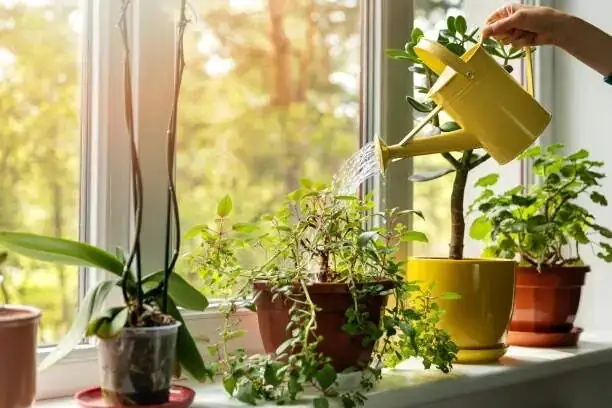
A splash of confetti on a leaf—Hypoestes phyllostachya (the polka dot plant) has a way of making even a quiet corner feel like a tiny celebration. No wonder modern plant lovers have given it its own “flower language”: playfulness, optimism, and cheerful companionship. Below, we trace how that language bloomed in today’s houseplant culture, how different leaf colors shift the message, and where to place it for thoughtful, feng shui–inspired harmony.
Meet Hypoestes phyllostachya, the polka-dot charmer
Also called polka dot plant, freckle face plant, flamingo plant, or even measles plant, this Madagascar native is a compact foliage star:
- Look and size: Heart- to oval-shaped green leaves splashed with pink, red, or creamy-white; typically around 25 × 25 cm (10 × 10 in) in a pot, smaller with regular pinching.
- Flowers: In warm, bright conditions, it may toss up small magenta-to-purple blooms in summer—but most growers pinch them off to keep that bold foliage show going.
- Best settings: Bright, filtered light; loves moderate to higher humidity, which makes it bathroom- and kitchen-friendly. It’s also a terrarium darling.
- Pet note: Generally considered non-toxic to cats and dogs, though any chewing can cause mild tummy upset.
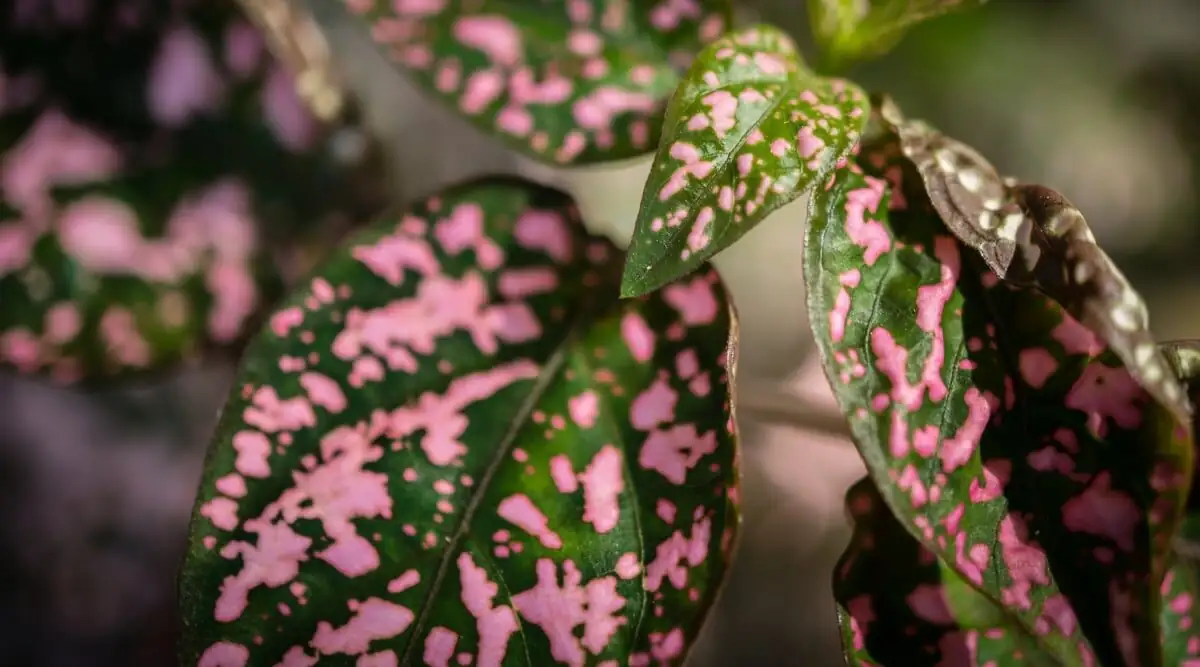
The contemporary “flower language” of Hypoestes
Why a foliage plant has a flower language
Traditional 花语 (flower language) focused on blossoms. Hypoestes flips the script: its message is broadcast by leaves that look playfully hand-painted. In the age of terrariums on desks and speckled leaves trending in plant feeds, people began reading meaning into those buoyant polka dots—more confetti than corsage. Because blooms are often pinched, the “language” we use today grew from color psychology, design symbolism, and modern houseplant culture rather than old floristry manuals.
What it says today
- Playfulness: The spotted pattern reads like sprinkles on a cupcake—lighthearted, a little mischievous, never too serious.
- Optimism: Fresh, saturated color hints at growth and bounce-back energy—even after a “leggy” phase, a quick pinch and good light bring it right back.
- Cheerful companionship: It’s compact, easygoing, and charming beside a laptop or in a shared kitchen window—like a friendly co-worker who always brings the sunshine.
Shades that speak: color symbolism on the leaves
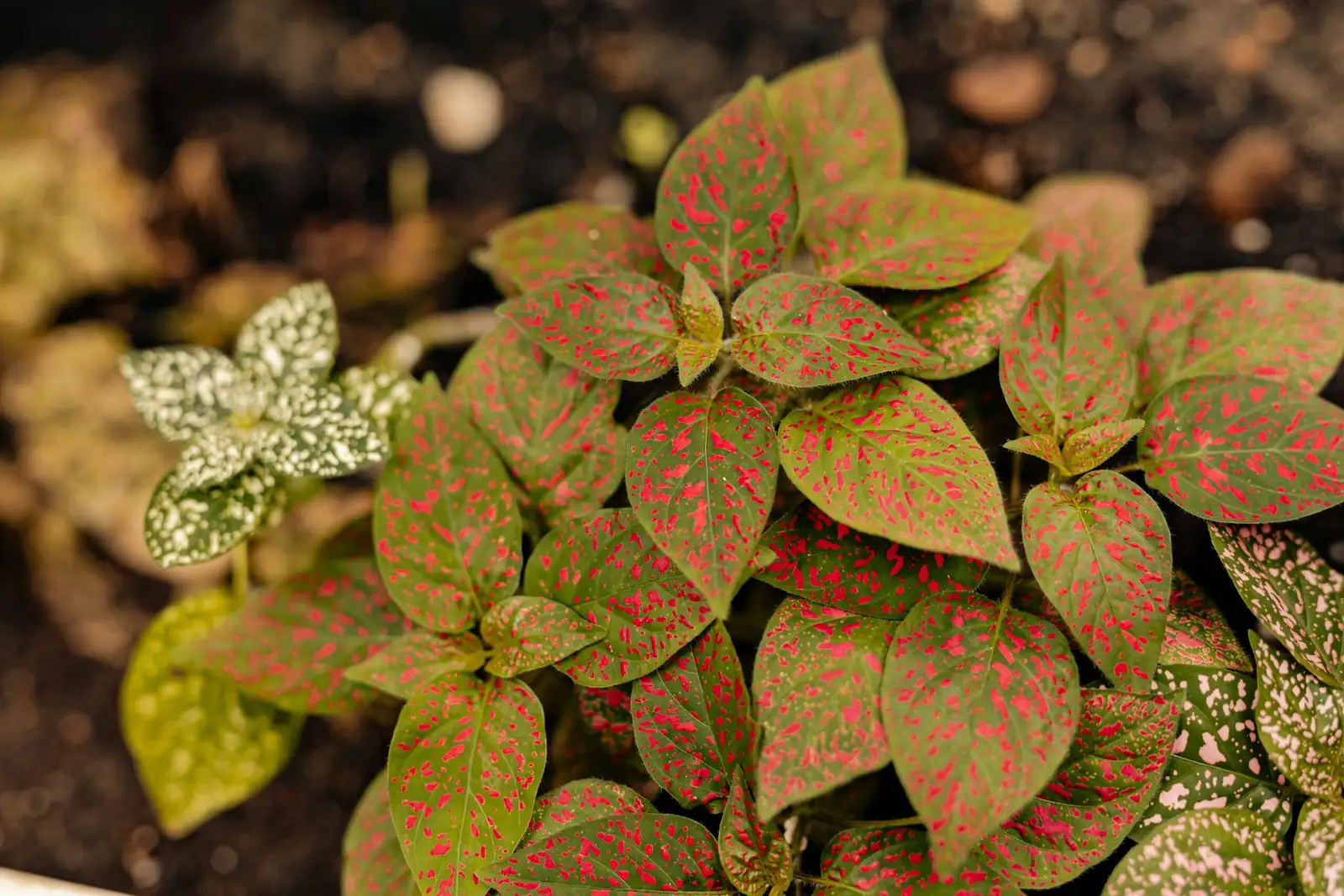
- Pink-splashed varieties: Sweetness, affection, and creative play. Great for softening spaces and signaling warmth in friendships.
- Red-splashed varieties: Pep, motivation, and bold encouragement—perfect for “You’ve got this” moments.
- White/cream-splashed varieties: Clarity and freshness; a reset button for rooms that need calm brightness.
- Green, the constant: Grounding and renewal—nature’s baseline that keeps the other colors feeling balanced.
Gifting with intention
- Housewarming companion: A polka dot plant says, “May this home hold joy.” Choose a yellow or natural clay pot for a cozy, grounded message.
- Desk cheer-up: For a colleague, pick a compact, bushy plant in a 12.5–15 cm (5–6 in) pot—pink for camaraderie, red for momentum, white for focus.
- Get-well wish: The upbeat pattern communicates optimism without shouting; include a care note: “Bright, gentle light; keep lightly moist; pinch for fluff.”
- Terrarium token: In a glass jar, it becomes a miniature celebration—ideal for creative friends who love tiny worlds.
- For couples or close friends: Pink-variegated plants hint at tenderness and partnership; present two smaller plants as a “pairing.”
Feng shui–friendly placements (thoughtful, color-savvy)
Many practitioners read this plant as carrying a gentle, nurturing Earth energy—steady, supportive, and relationship-forward.
- Core placement cue: Place the polka dot plant in the Southwest area of a room or home to emphasize relationships and love. Earthy pot choices—yellow or brown, square shapes—reinforce grounding, stable vibes.
- Light comes first: Choose a bright, filtered-light spot or partial sun indoors (east window, bright north window, or a few feet back from a sunny exposure). Avoid harsh midday rays.
If your plant is mostly pink
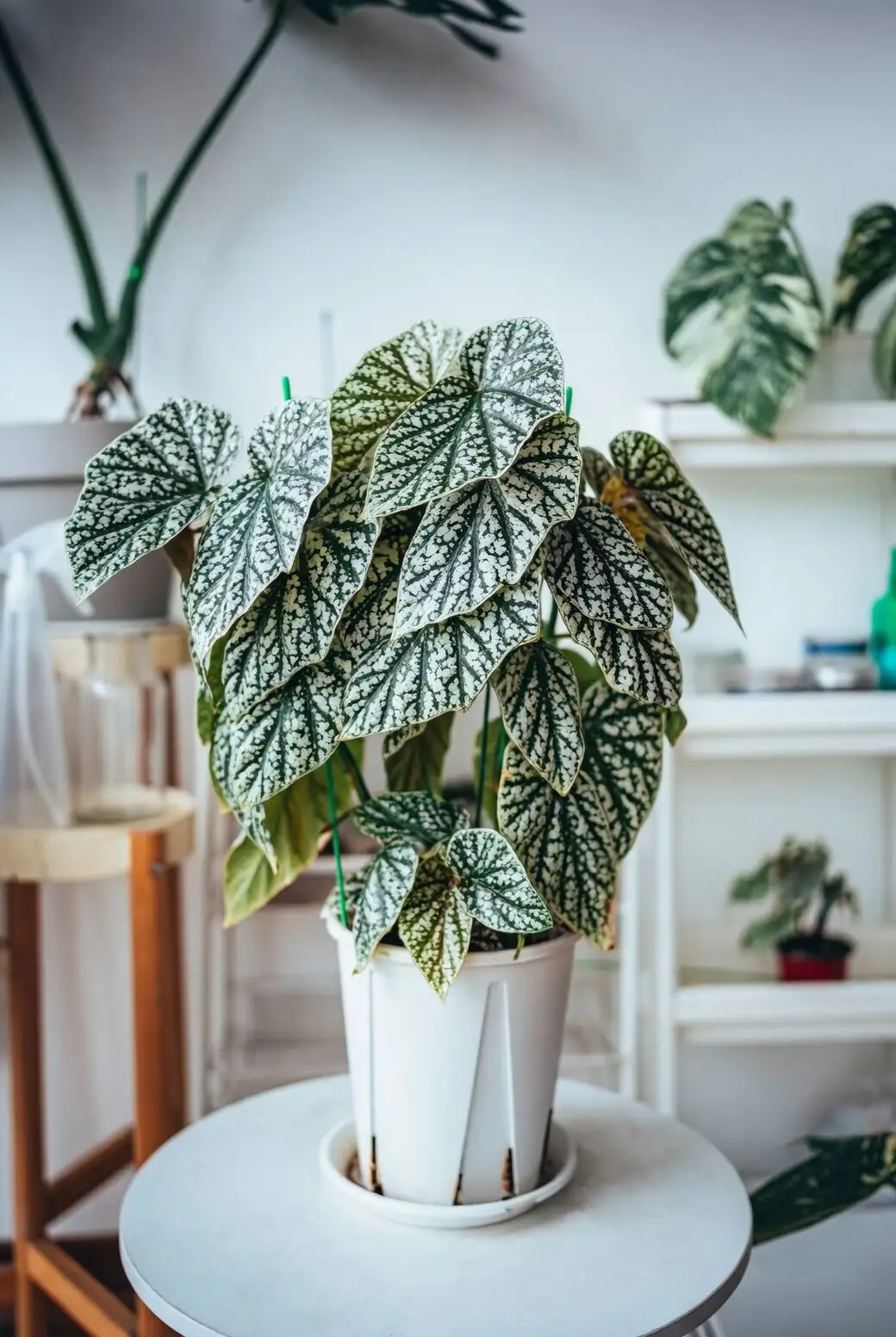
- Intention: Tenderness, harmony, creative companionship.
- Placement idea: Southwest corner of a bedroom or shared living space to encourage warmth and understanding.
- Style tip: Pair with a matte oatmeal or pale blush pot; add soft textiles to echo the gentle tone.
If it’s red-splashed
- Intention: Confidence, recognition, upbeat drive.
- Placement idea: A bright place a few feet back from a south-facing window in your studio or home office for energized focus. If you blend color cues with the bagua, red accents are often welcomed in the South area; just keep the plant’s light needs and gentle exposure in mind.
- Style tip: Ground the spark with an earthen pot to keep the energy steady, not scattered.
If it’s white/cream-splashed
- Intention: Clarity, fresh starts, and creativity.
- Placement idea: A well-lit creative nook or a child’s study zone. If you use color-aligned feng shui, white often harmonizes with the West/Northwest (creativity/helpful people); prioritize that bright, gentle light.
- Style tip: Cool-toned containers (stone, sand, light gray) keep the palette calm and focused.
Tiny spaces and bathrooms
- Hypoestes thrives in moderate-to-high humidity, making bathrooms and kitchens ideal—especially for terrariums or small pots on shelves away from direct spray.
- Keep airflow in enclosed glass and ensure the pot sits above any pebble-tray waterline.
Note: Some feng shui traditions suggest avoiding the East sector for this plant; whichever approach you follow, let the plant’s health guide placement—vibrant, compact growth supports vibrant qi.
Keep the good vibes thriving: quick care
- Light: Bright, filtered light or partial sun; avoid harsh midday glare. In low light, colors fade and stems stretch.
- Water: Spring to autumn, water when the top 1–2 cm (0.4–0.8 in) of mix is dry; drain well. In winter, keep just lightly moist.
- Humidity: Aim for 50%+. Bathrooms, pebble trays (pot kept above water), or grouping plants helps.
- Temperature: 18–27°C (64–81°F); avoid chills below ~13°C (55°F).
- Soil and feeding: Loose, well-draining houseplant mix with perlite. Feed at 1/2 strength every 2 weeks in spring–autumn; pause in winter.
- Pinching and pruning: Regularly pinch tips for a full, compact mound. Remove flower spikes if you want maximum leaf color and density.
- Repotting: Refresh into a 12.5–15 cm (5–6 in) pot when root-bound; renew mix every 2–3 years.
- Pests: Watch for spider mites, aphids, mealybugs, and whiteflies—especially in dry air. Treat early with insecticidal soap or horticultural oil and improve humidity/airflow.
- Safety: Generally non-toxic to cats and dogs, but discourage nibbling.
Fun fact: Good light intensifies the speckles; too little, and your “confetti” can fade—an instant, living barometer for the optimism you’re trying to cultivate.
Style notes and plant pairings
- Terrarium trio: Hypoestes + moss + a petite fern for a layered, jewel-box look.
- Shelf vignette: Pink-splashed Hypoestes with a trailing pothos and a small clay sculpture—soft greens, playful dots, and a grounding texture.
- Color echo: Match leaf speckles to textiles or art prints to “repeat the note” and make a small plant feel intentional in the room’s composition.
A final note on meaning
In a world that sometimes leans grayscale, the polka dot plant writes in color. Its contemporary flower language—playfulness, optimism, cheerful companionship—didn’t emerge from a dusty codebook; it sprouted from how we live with plants now: on windowsills, in terrariums, beside our coffee cups and key trays. Place it where it can glow, pinch it to keep it plucky, and let those lively speckles remind you that joy is a habit you can grow.