

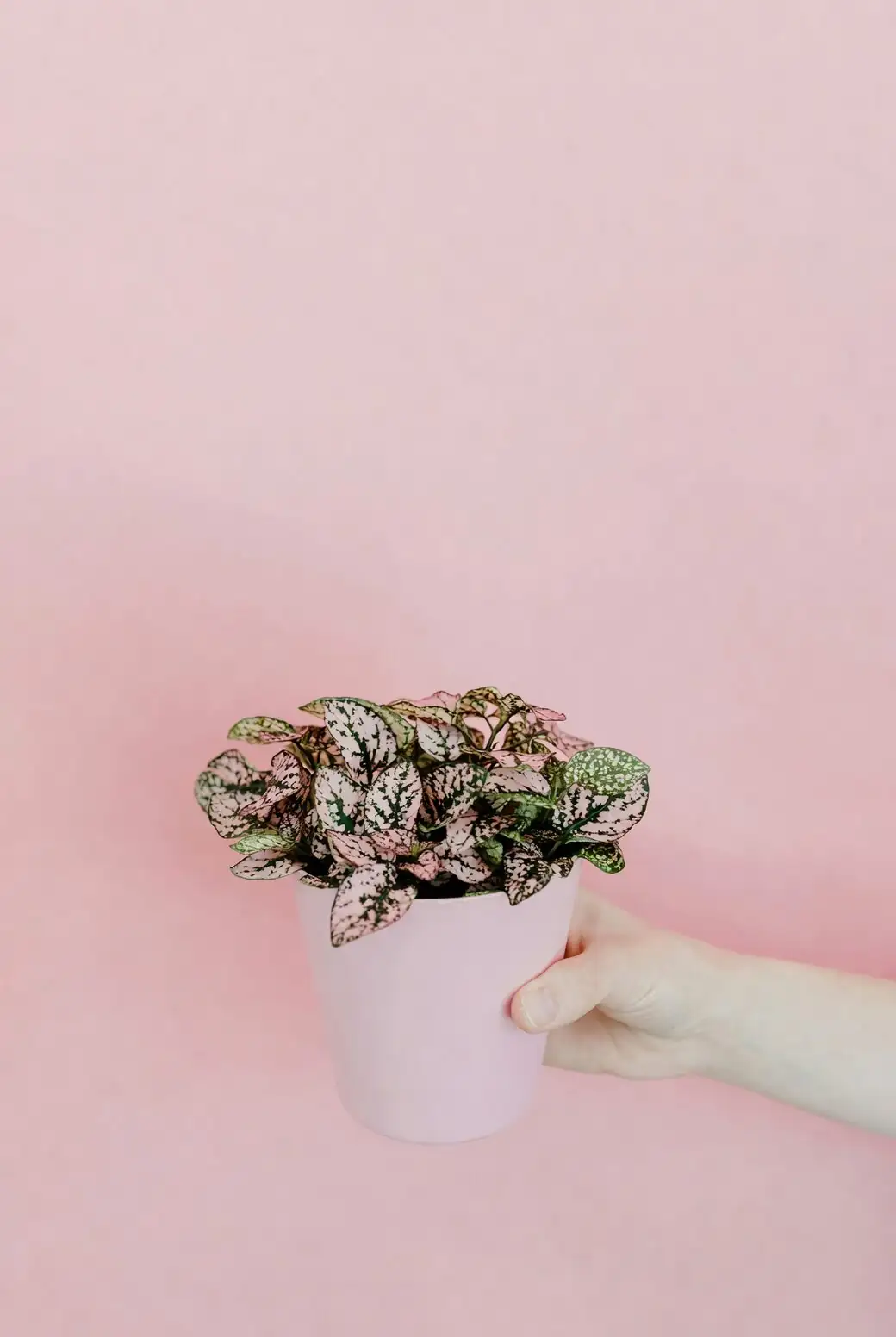
Think of your polka dot plant (Hypoestes phyllostachya) as a tiny, speckled athlete. Give it the right light, steady moisture, and a clean arena, and it performs brilliantly. Let the air go stale and the leaves get dusty, and you’ll invite the usual sideline pests—spider mites, aphids, mealybugs, whiteflies—to the party. This troubleshooting playbook helps you diagnose fast, treat with insecticidal soap or horticultural oil on a smart schedule, and tune humidity and airflow so problems don’t return—or slide into root rot.
Meet the Plant: What It Wants, So You Can Spot What’s Wrong
- Identity: Hypoestes phyllostachya, aka polka dot plant, freckle face, flamingo plant, measles plant. Native to Madagascar.
- Vibe: Compact, bushy, typically around 10 × 10 in (25 × 25 cm). Pinch often to keep it full.
- Leaves: Green splashed with pink, red, or creamy white; color is boldest in bright, filtered light.
- Light and placement: Bright, indirect light—east window, bright north window, or a few feet back from a sunny exposure. Avoid harsh midday sun.
- Temperature and humidity: 64–81°F (18–27°C); aim for 50%+ humidity.
- Water and soil: Loose, well-draining potting mix (houseplant mix with added perlite). Keep evenly moist but never waterlogged.
- Bonus: Often blooms with small magenta-purple flowers in summer, but many pinch them off to keep foliage showy.
Rapid Diagnosis: Match the Symptom to the Likely Culprit
Grab a magnifier and check leaf undersides, stems, and nodes. Tap a leaf over white paper to see what falls off.
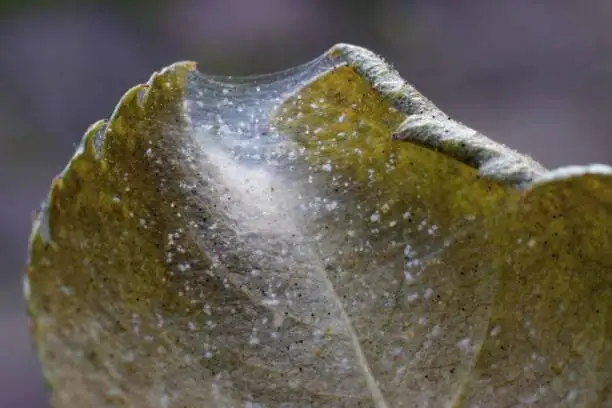
- Fine speckling, faded patches, dusty look, and wispy webbing, especially in dry rooms
- Likely spider mites
- Sticky leaves or shiny “honeydew,” sometimes with black sooty mold
- Aphids or whiteflies; mealybugs may also leave sticky residue
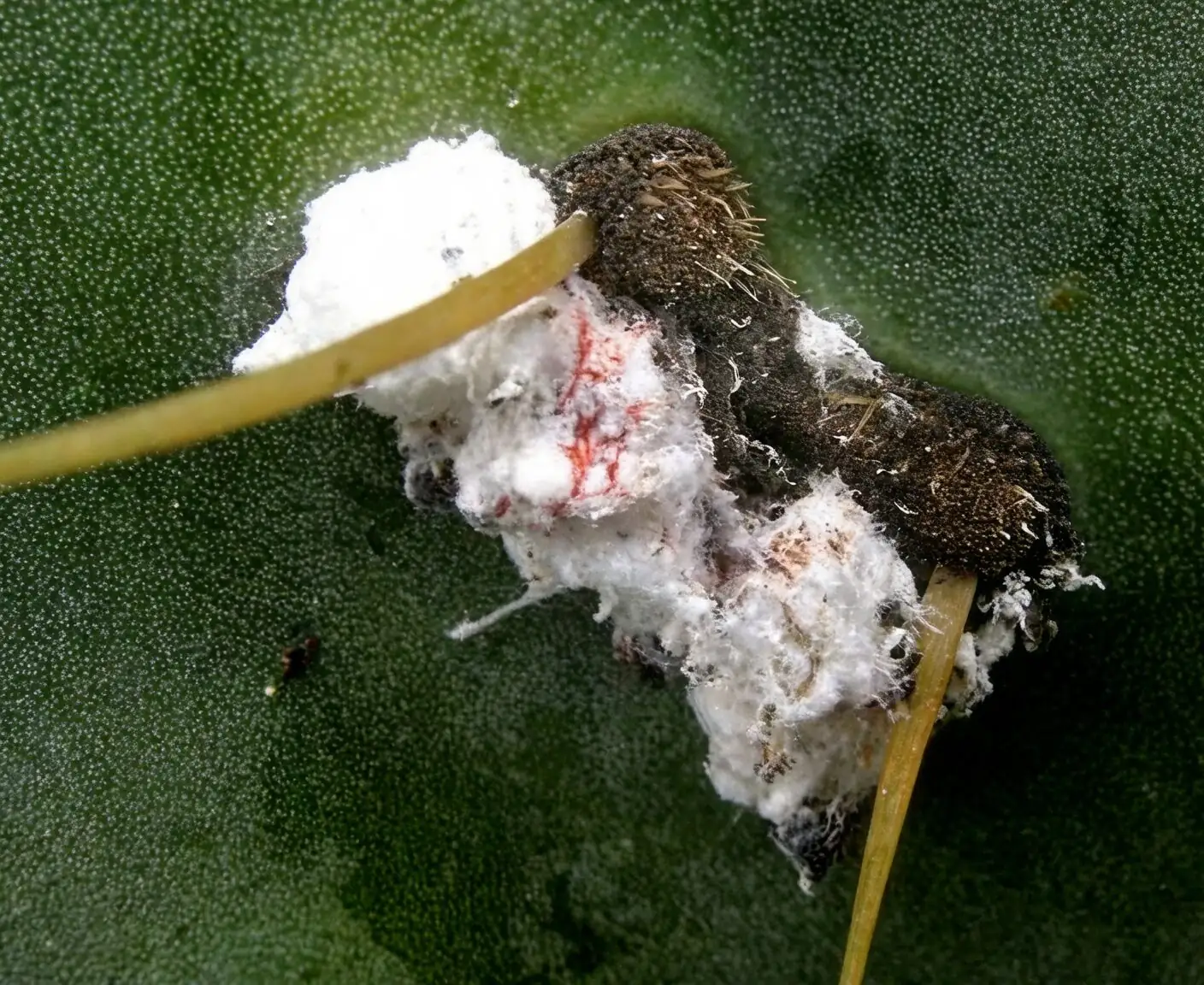
- Cottony white tufts in leaf axils or along stems
- Mealybugs
- Tiny white moth-like insects fly up when disturbed
- Whiteflies
- Distorted or curled new growth with clusters of small soft-bodied insects on tips
- Aphids
If leaves are limp, yellowing from the base, and the pot smells sour, that’s a watering/rot issue rather than insects.
The 15‑Minute Prep Before Any Spray
- Isolate the plant from others.
- Give it a gentle wipe-down: remove visible pests with a cotton swab dipped in water.
- Water lightly if the mix is on the dry side (stressed plants are more sensitive to sprays).
- Mix a commercial insecticidal soap or horticultural oil exactly per label. Do not use dish detergent—homemade mixes can burn foliage.
- Patch test: Spray a few leaves, wait 24–72 hours. If no leaf spotting or scorch, proceed.
The Action Playbook: Insecticidal Soap and Horticultural Oil
Both products work on contact and have little to no residual effect. Coverage is everything.
- When to choose what
- Insecticidal soap: Excellent first line against aphids, mealybugs, whiteflies, and spider mites; also great as a leaf wash to remove sticky honeydew and sooty mold.
- Horticultural oil (lightweight petroleum-based, neem seed, or other plant-derived oils): Smothers soft-bodied pests and eggs; helpful for mealybugs and mites.
- How to apply
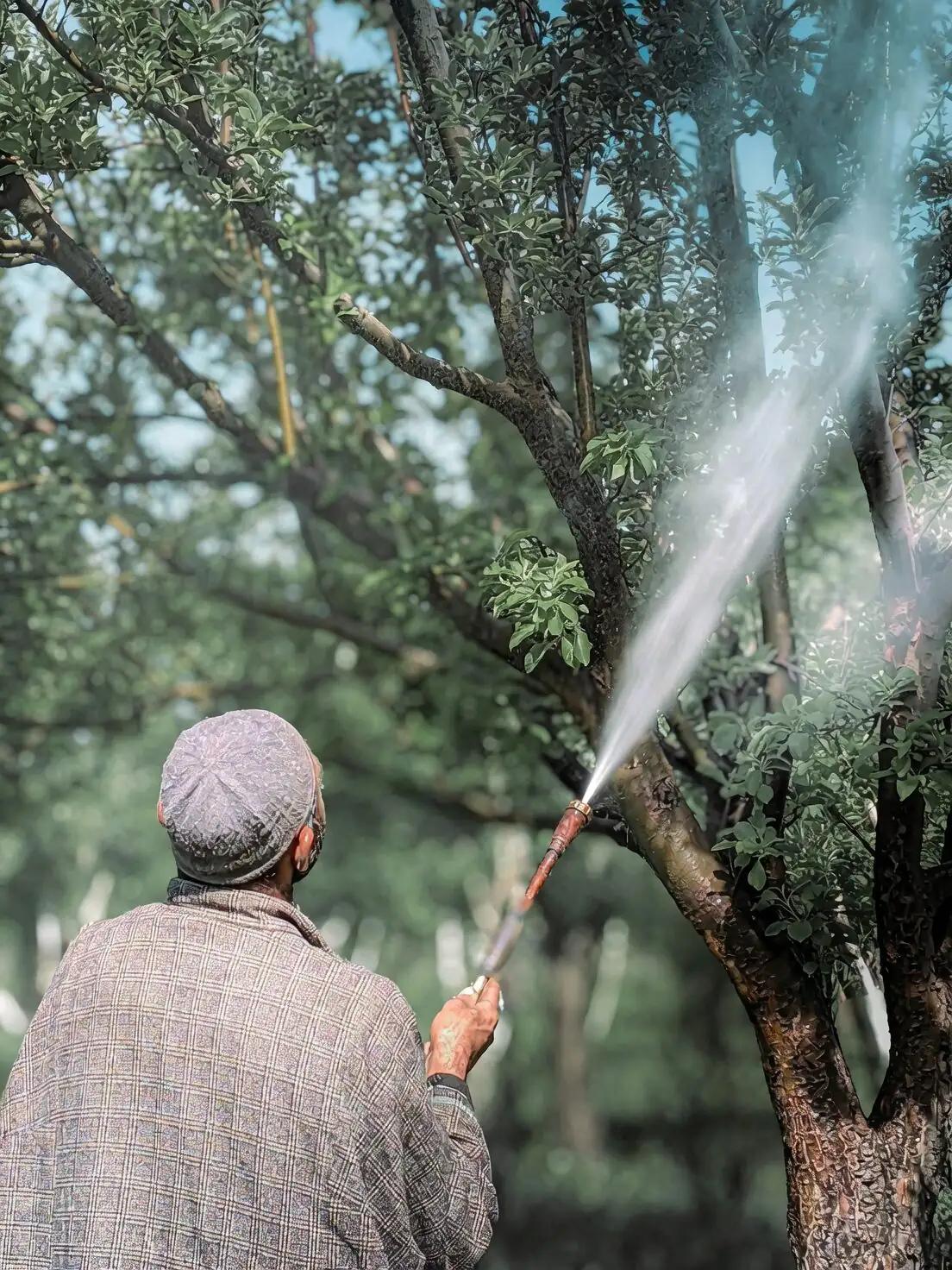
- Spray in the early morning or evening, out of direct sun.
- Thoroughly wet upper and lower leaf surfaces, stems, and nodes until just shy of runoff.
- Keep the plant in bright, indirect light until dry. Follow label directions about whether to rinse; if in doubt, you can rinse with lukewarm water after a few hours to minimize potential leaf spotting.
- Typical safe concentrations are around 1–2%; concentrations above 3% can scorch sensitive plants—always follow the label.
Timed Treatment Cycles (Repeat to Catch Hatchlings)
- Spider mites
- Spray days 1, 5, 9, and 13 (every 4 days if infestation is heavy).
- Maintain higher humidity and increase airflow between treatments.
- Aphids, mealybugs, whiteflies
- Spray days 1, 6, and 12 (every 5–7 days).
- Add yellow sticky traps to monitor whiteflies.
- After the last spray, continue inspecting every 2–3 days for two weeks. If you spot new pests, resume the cycle.
Pro tips
- Wipe or shower leaves weekly to remove dust—mites love dusty foliage.
- For mealybugs on stems and leaf axils, dab with a cotton swab dipped in insecticidal soap solution before the full spray.
- Prune heavily infested tips; bag and discard.
Humidity and Airflow: Your Invisible Defenses
Spider mites thrive in dry, stagnant air; fungi thrive in soggy, stagnant conditions. Your goal is that sweet spot: evenly moist soil, moderate‑to‑high humidity, and gentle movement of air.
- Humidity target: Around 50–60%. A pebble tray (pot set above the waterline) or a small humidifier works well. Avoid leaving water standing in saucers.
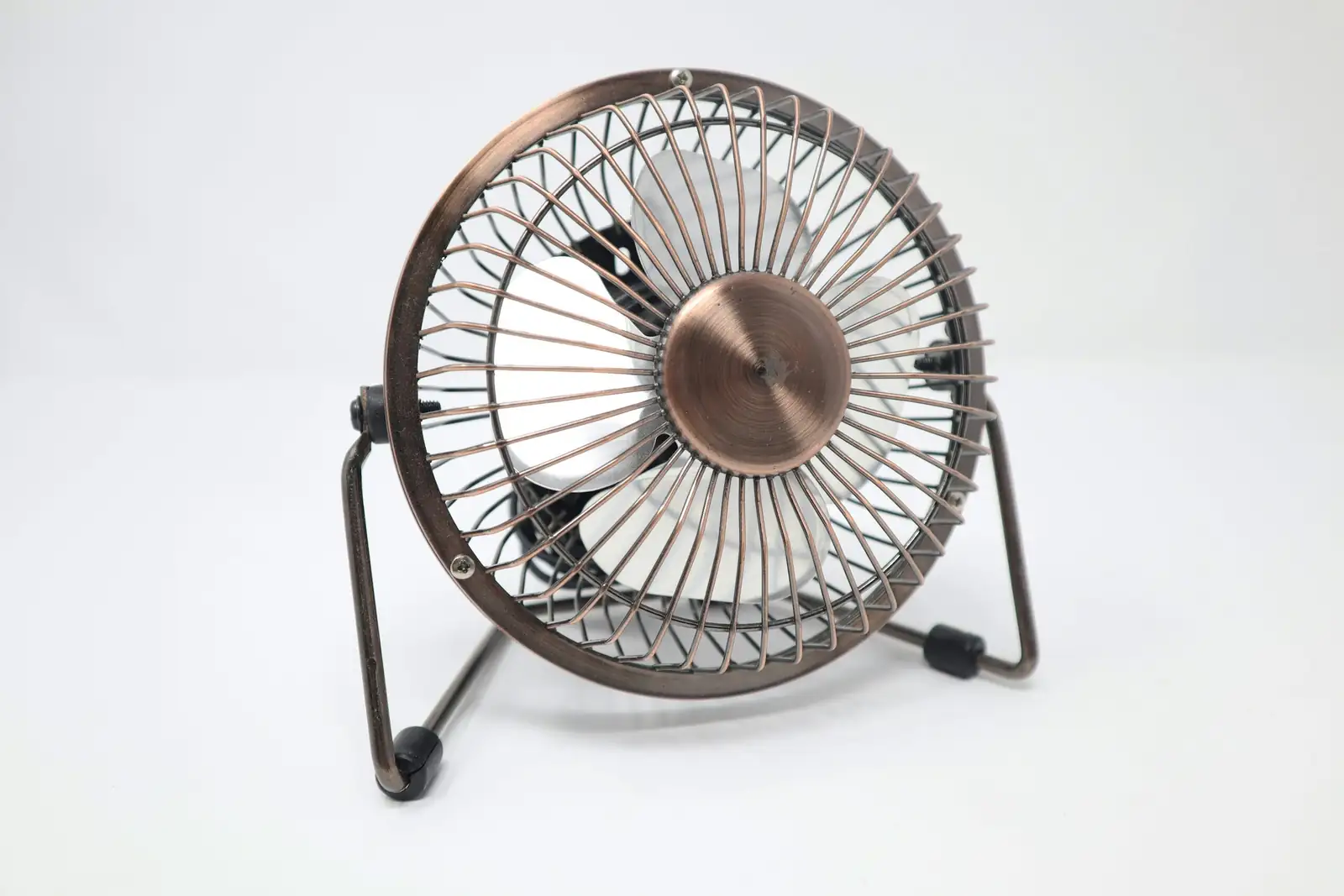
- Airflow: A quiet fan on low, pointed past (not at) the plant, prevents stagnant “pest zones” and helps leaves dry after watering or spraying.
- Terrarium note: Hypoestes loves terrariums and glass jars, but ensure some airflow—prop the lid or open daily. In closed, constantly wet conditions, leaves can spot and roots can rot.
- Cleanliness: Dust leaves with a soft cloth every 1–2 weeks; pests settle faster on dusty foliage.
Watering Without Root Rot
Polka dot plants like even moisture, not swamp life.
- The routine
- Spring to autumn: Water when the top 0.4–0.8 in (1–2 cm) of mix is dry. Soak thoroughly, then let excess drain. Never let the pot sit in water.
- Winter: Reduce frequency; keep just lightly moist.
- Pot and mix
- A standard indoor potting mix cut with extra perlite for drainage is ideal.
- Use a pot with drainage holes; size up gradually (around 5–6 in/12.5–15 cm for a mature, compact plant).
- Light tie-in
- If leaves turn mostly green and stems stretch, it’s craving brighter, filtered light—leggy plants trap more humidity within the canopy, inviting pests and rot. Pinch tips to keep a compact, airy shape.
Root Rot Triage
- Suspect rot if: soil stays wet for days, stems are limp, older leaves yellow, the pot smells sour, or roots look brown/black and mushy.
- Rescue steps
- Slide the plant out; trim away mushy roots with clean scissors.
- Repot into fresh, well-draining mix and a clean pot with drainage.
- Water lightly once; then wait until the top 1–2 cm dries before watering again.
- Provide bright, indirect light and temps 64–81°F (18–27°C). Pause fertilizer for 3–4 weeks.
- Increase gentle airflow; avoid enclosed terrariums until new growth resumes.
Quick Prevention Checklist
- Inspect new plants (especially leaf undersides) and quarantine for two weeks.
- Maintain 50%+ humidity with airflow—no stagnant corners.
- Clean leaves regularly; remove flowers if you prefer maximum foliage density.
- Feed at half strength every two weeks in spring–autumn; pause or reduce in winter.
- Pinch tips frequently to keep growth compact and improve inner-canopy airflow.
- Keep temperatures above 55°F (13°C) and out of harsh midday sun.
Fast Symptom-to-Action Guide
- Speckled, fading leaves + fine webbing
- Raise humidity to ~50–60%, improve airflow, start the mite cycle: soap or oil on days 1, 5, 9, 13.
- Sticky leaves or sooty mold
- Rinse/wipe leaves, then soap sprays on days 1, 6, 12; add sticky traps for whiteflies.
- Cottony tufts in nodes
- Spot-dab with soap, prune worst spots, then full plant spray days 1, 6, 12.
- Limp stems, sour smell, soggy soil
- Root rot protocol: unpot, trim, repot in airy mix; water sparingly and boost airflow.
A Note on Safety
Polka dot plants are generally considered non-toxic to cats and dogs, though chewing may still cause mild stomach upset. Keep out of reach of curious nibblers.
Why This Works
- Insecticidal soaps and horticultural oils are contact killers—excellent against soft-bodied pests like aphids, mealybugs, spider mites, and whiteflies. They disrupt protective membranes or smother pests, and they’re low-impact once dry.
- Because they don’t persist, the timed repeat cycle is essential to catch newly hatched insects.
- Balanced humidity and steady airflow shift the environment away from pest-and-rot friendly conditions, keeping your Hypoestes colorful, compact, and gloriously speckled for months.
With this playbook, you’re running a tight, speckle-safe ship: fast diagnosis, precise sprays on a smart schedule, and the perfect climate to keep problems from returning.