

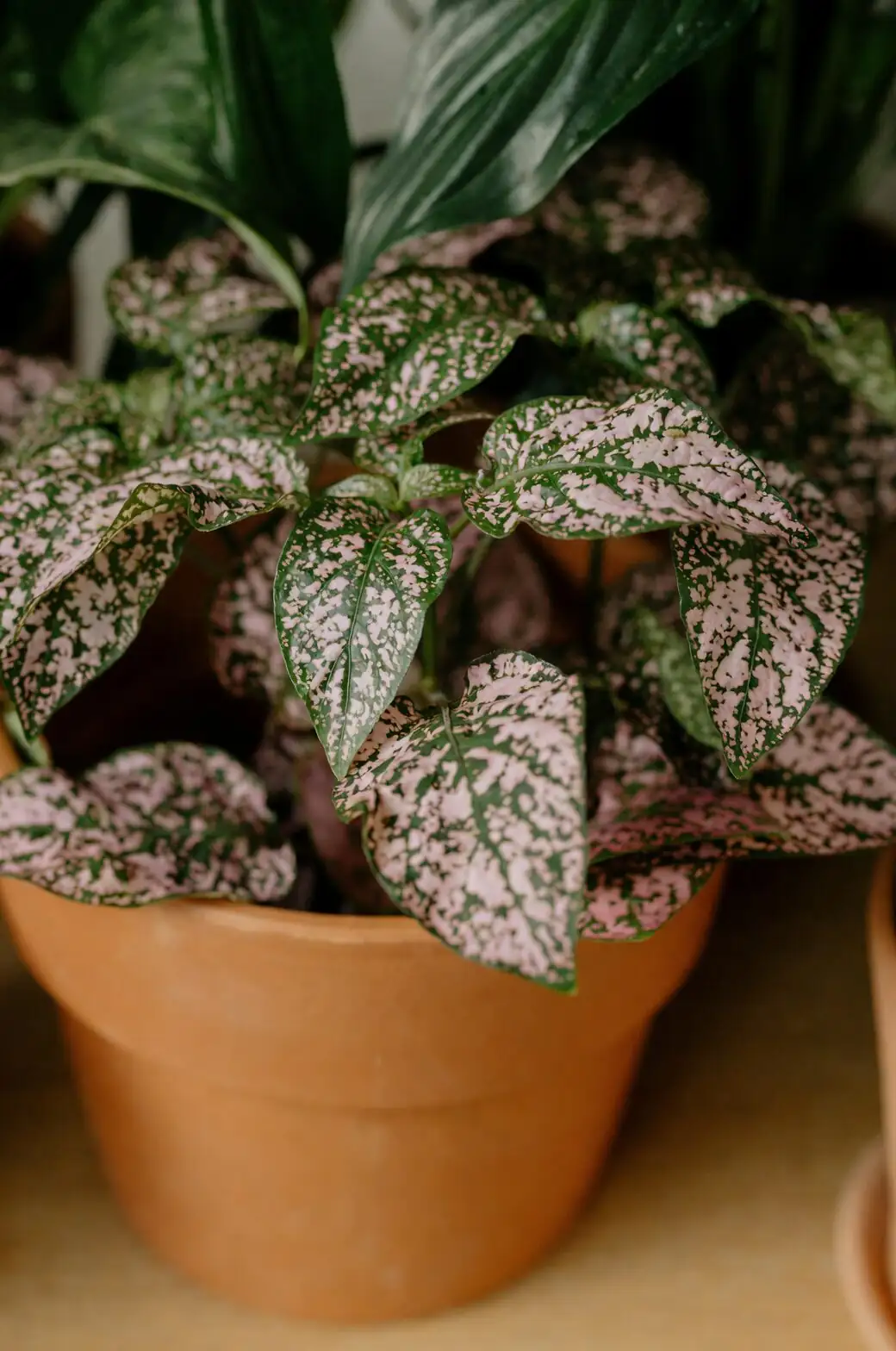
Meet the plant that wears confetti to breakfast. Hypoestes phyllostachya—better known as the Polka Dot Plant—thrives when you sync its care to the seasons. Follow this rhythm for punchy color, compact shape, and a plant that looks like it’s been hand-painted all year.
Quick ID and Essentials
- Botanical: Hypoestes phyllostachya (Acanthaceae), native to Madagascar
- Look: Heart- to oval-shaped green leaves splashed with pink, red, or creamy white
- Size: Typically around 25 × 25 cm (10 × 10 in) as a compact houseplant; easy to keep smaller with pinching
- Light: Bright, filtered light or partial sun; avoid harsh midday sun
- Temperature: 18–27°C (64–81°F); avoid chilling below 13°C (55°F)
- Humidity: Moderate to high; aim for 50%+
- Soil: Loose, well-draining potting mix (houseplant mix + perlite)
- Difficulty: Easy—just keep the moisture steady and pinch to prevent legginess
- Pet info: Generally non-toxic to cats and dogs (nibbling can still cause a mild tummy upset)
Light, Water, Humidity, Soil—At a Glance
- Best indoor placements:
- East window
- Bright north window
- A few feet back from a sunny window (with sheer curtains or light diffusion)
- Watering rule:
- Spring–autumn: Water when the top 1–2 cm (0.4–0.8 in) of mix feels dry, then drench and drain
- Winter: Keep just lightly moist and water less often
- Feeding: Every 2 weeks spring–autumn with a balanced liquid fertilizer at 1/2 strength; reduce or pause in winter
- Humidity hacks: Pebble tray (pot above waterline), group plants, use a humid room (bathroom/kitchen), or a small humidifier
Season-by-Season Care Rhythm
Spring (March–May)

- Light placement:
- Move to brighter filtered light to boost color and bushy regrowth after winter
- East window is prime; avoid hot midday rays
- Watering:
- Expect slightly more frequent drinks—check soil every 3–5 days, but only water when the top 1–2 cm are dry
- Feeding:
- Start a 2-week feeding cadence at 1/2 strength
- Humidity:
- Target 50%+; set up a pebble tray now if air is dry
- Pinching calendar:
- Pinch every 10–14 days as new tips appear; remove 0.5–1 cm (1/4–3/8 in) above a leaf pair
- Repotting and soil refresh:
- If roots circle the pot or drainage slows, move into a 12.5–15 cm (5–6 in) pot with fresh, airy mix
- Propagation:
- Take 5–10 cm (2–4 in) soft-tip cuttings; root in water or moist mix for easy clones
Summer (June–August)
- Light placement:
- Keep in bright, filtered light—sheer-curtain any intense sun; a few feet back from a south or west exposure works
- Watering:
- Warm rooms = quicker drying. Check every 2–4 days and irrigate once the top 1–2 cm are dry; never leave the pot soaking in a saucer
- Feeding:
- Maintain the every-2-weeks, 1/2 strength routine
- Humidity:
- Heat can drop indoor RH—top up the pebble tray or run a small humidifier nearby
- Pinching calendar:
- Weekly “tip-checks”; pinch lightly to prevent stretch
- Flowers:
- Small magenta-to-purple blooms may appear; remove flower spikes to keep foliage showy and compact
- Pest patrol:
- Watch for spider mites, aphids, mealybugs, and whiteflies—especially in dry air. Treat early with insecticidal soap or horticultural oil
Autumn (September–November)
- Light placement:
- As days shorten, slide the plant closer to its light source to maintain vivid color
- Watering:
- Begin spacing waterings—check every 4–7 days and water only when the surface dries
- Feeding:
- Continue 1/2-strength feedings every 2 weeks until growth noticeably slows, then taper off
- Pinching calendar:
- Pinch every 2–3 weeks to hold shape through winter
- Housekeeping:
- Remove any lanky stems; rotate the pot weekly for even color
Winter (December–February)
- Light placement:
- Maximize gentle light—east or bright north window; consider a grow light (12–14 hours/day) if colors fade
- Watering:
- Growth slows; keep the mix just lightly moist. Check every 7–10 days and water only when the top 1–2 cm are dry
- Feeding:
- Pause or reduce feeding significantly
- Humidity:
- Heating dries air—use a pebble tray, group plants, or run a small humidifier; aim for 50%+
- Pinching calendar:
- Minimal pinching—just tidy any stretched tips. Save heavier shaping for spring
- Temperature:
- Keep away from cold drafts and night chills below 13°C (55°F)
The Pinching Playbook for Compact, Color-Splashed Foliage
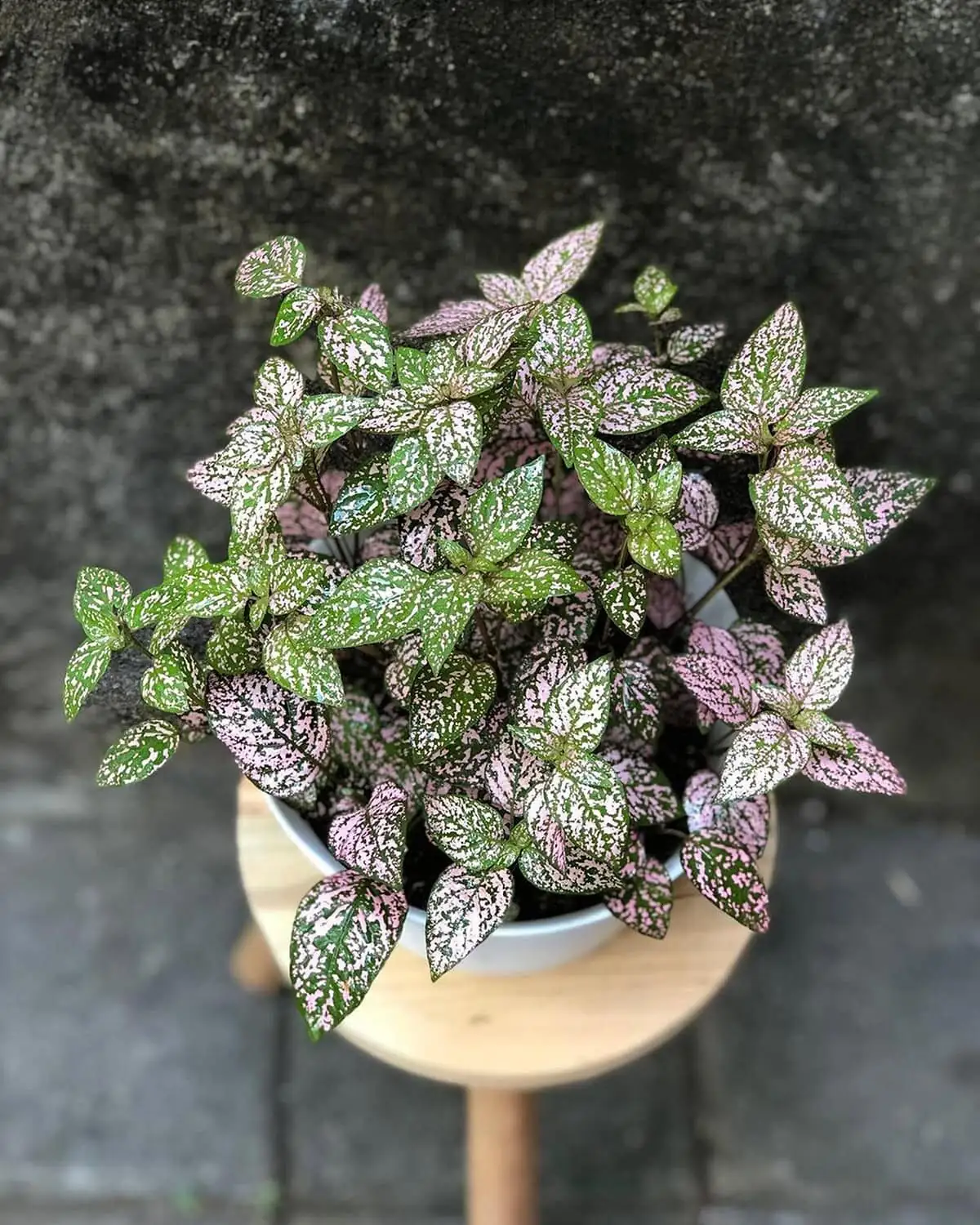
- Why pinch: Encourages branching, denser mounding, and keeps those painterly patches front-and-center
- How:
- Identify a fresh, soft stem tip
- Pinch or snip just above a node (leaf pair), removing 0.5–1 cm
- Repeat across the plant, spacing pinches for a balanced silhouette
- Pinching calendar:
- Spring: every 10–14 days
- Summer: weekly light tip-checks
- Autumn: every 2–3 weeks
- Winter: as needed, lightly
- Bonus: Remove flower buds/spikes promptly in summer to channel energy back to foliage
Watering, Done Right
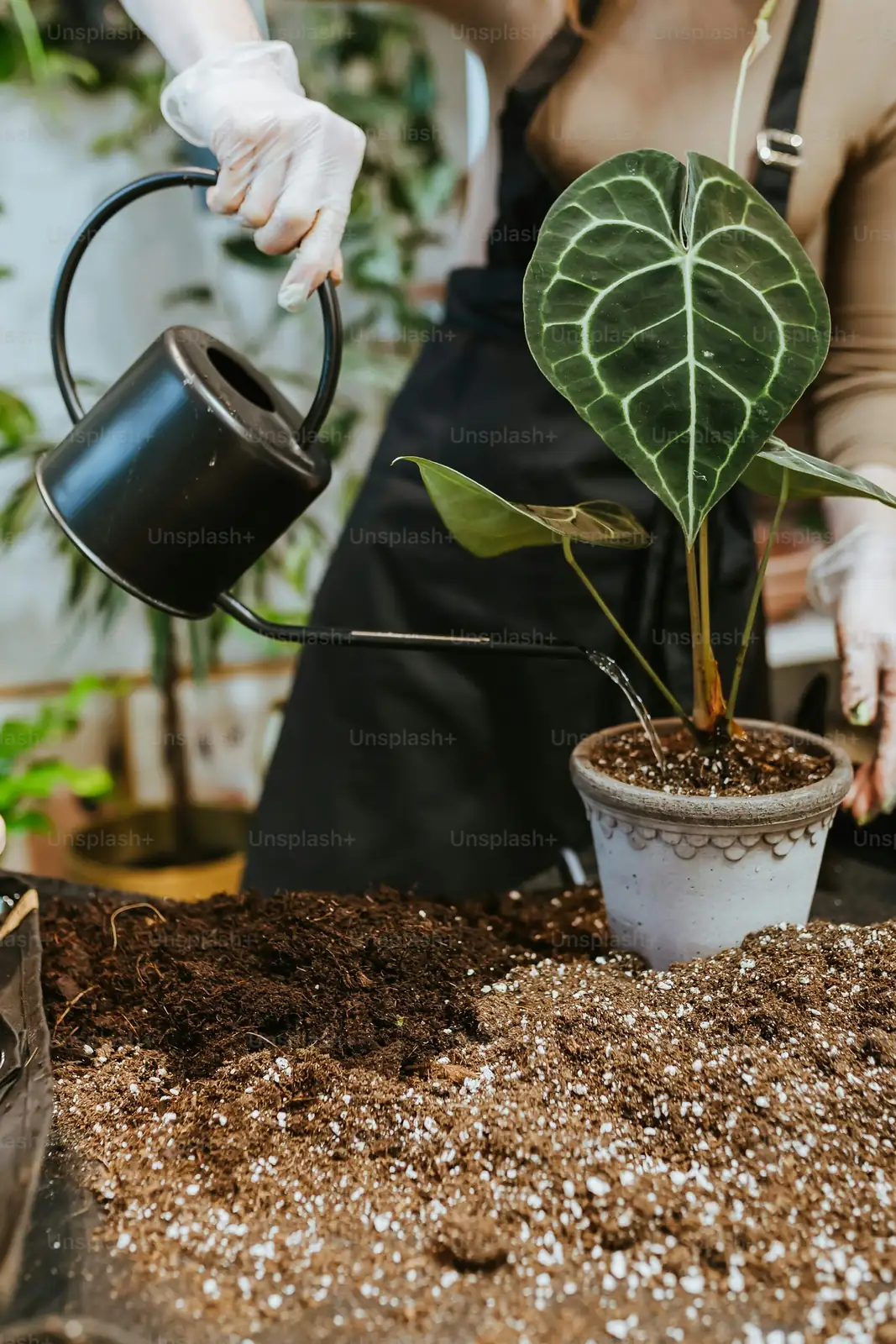
- Golden rule: Water when the top 1–2 cm (0.4–0.8 in) of soil is dry, then water thoroughly and let excess drain
- Potting mix recipe:
- 2 parts standard houseplant mix + 1 part perlite for airflow and even moisture
- Signs you’re close to perfect:
- Leaves stay perky; color remains vivid; no sour smell after watering
- If things go sideways:
- Wilting, crisp edges: You’re letting it get too dry—water thoroughly and review frequency
- Yellowing, mushy stems, sour odor: Overwatering—let the mix dry more between waterings; confirm drainage holes are clear
Humidity Without Fuss
- Aim for 50%+ RH for crisp patterning and happy growth
- Low-lift hacks:
- Pebble tray: Fill a tray with pebbles and water; rest the pot on top (never sitting in water)
- Group plants: Creates a localized humidity bubble
- Best rooms: Bathrooms and kitchens often have naturally higher humidity
- Terrarium bonus: Polka Dot Plant loves terrariums and enclosed glass with some airflow
- Misting: Occasional, light misting is fine, but don’t soak leaves or soil
Potting, Repotting, and Placement
- Pot size: Step up to a 12.5–15 cm (5–6 in) pot when root-bound
- Cadence: Repot every 2–3 years, or sooner if the mix compacts or roots crowd
- Placement sweet spots:
- East window sill, bright north exposure, or 0.5–1.5 m (2–5 ft) back from strong sun with a sheer
- Keep away from drying vents and cold drafts
Propagation: Your Insurance Policy Against Legginess
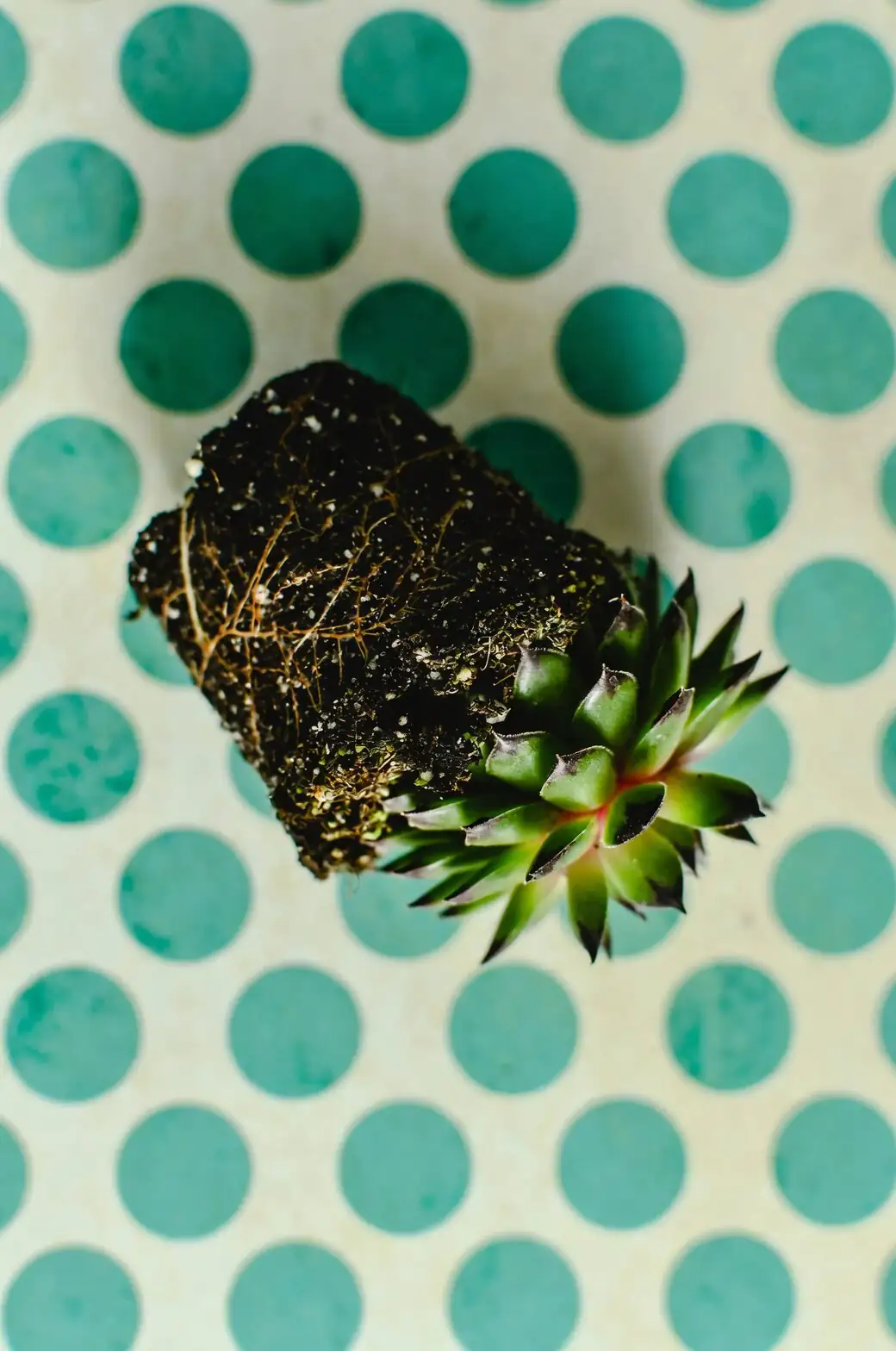
- When: Best in spring and summer
- How:
- Take 5–10 cm (2–4 in) stem tips; remove lower leaves
- Root in water or a moist perlite-rich mix; warm temps and higher humidity speed rooting
- Pot up once roots are a few cm long and resume the regular care rhythm
- Tip: Plant several cuttings together for an instant, full mound
Troubleshooting Color and Shape
- Leaves turning greener, plant stretching:
- Move to brighter, filtered light; pinch tips; consider supplemental grow light in winter
- Bleached or crisp patches:
- Too much direct, harsh sun—shift back or diffuse with a sheer curtain
- Droopy leaves after watering:
- Check drainage; never let the pot sit in water
- Sparse mound:
- Increase pinching frequency; feed every 2 weeks at 1/2 strength in the growing season
Safety and Health
- Pests:
- Spider mites, aphids, mealybugs, whiteflies are the usual suspects—especially in dry air
- Action plan: Isolate, wipe leaves, then treat with insecticidal soap or horticultural oil; improve humidity and airflow
- Diseases:
- Root rot from soggy soil—use airy mix and drain thoroughly
- Pets:
- Generally considered non-toxic to cats and dogs; still, prevent nibbling to avoid mild stomach upset
A Note on Flowers—and Flower Language
- Bloom: Small magenta-to-purple flowers may appear in summer. Pretty, but many growers remove them to keep the foliage at peak performance.
- Flower language:
- Polka Dot Plant isn’t a classic in Victorian floriography, so any “meaning” is modern. Today, its cheerful speckles are often taken to symbolize playfulness, individuality, and joy in small spaces—a fitting nod to a plant that thrives in tiny pots and terrariums.
Your 60-Second Seasonal Checklist
- Spring: Brighten light, start 2-week feedings (1/2 strength), pinch every 10–14 days, repot if needed, propagate
- Summer: Shield from harsh midday sun, water when top 1–2 cm dry, keep humidity high, pinch weekly, remove flowers, watch pests
- Autumn: Scoot closer to light, taper watering and feeding, pinch every 2–3 weeks, tidy and rotate
- Winter: Maximize gentle light or add a grow light, keep lightly moist, pause feeding, boost humidity, minimal pinching, protect from chills
Sync with this seasonal beat and your Hypoestes phyllostachya will stay compact, candy-colored, and irresistibly lively—no filter needed.