

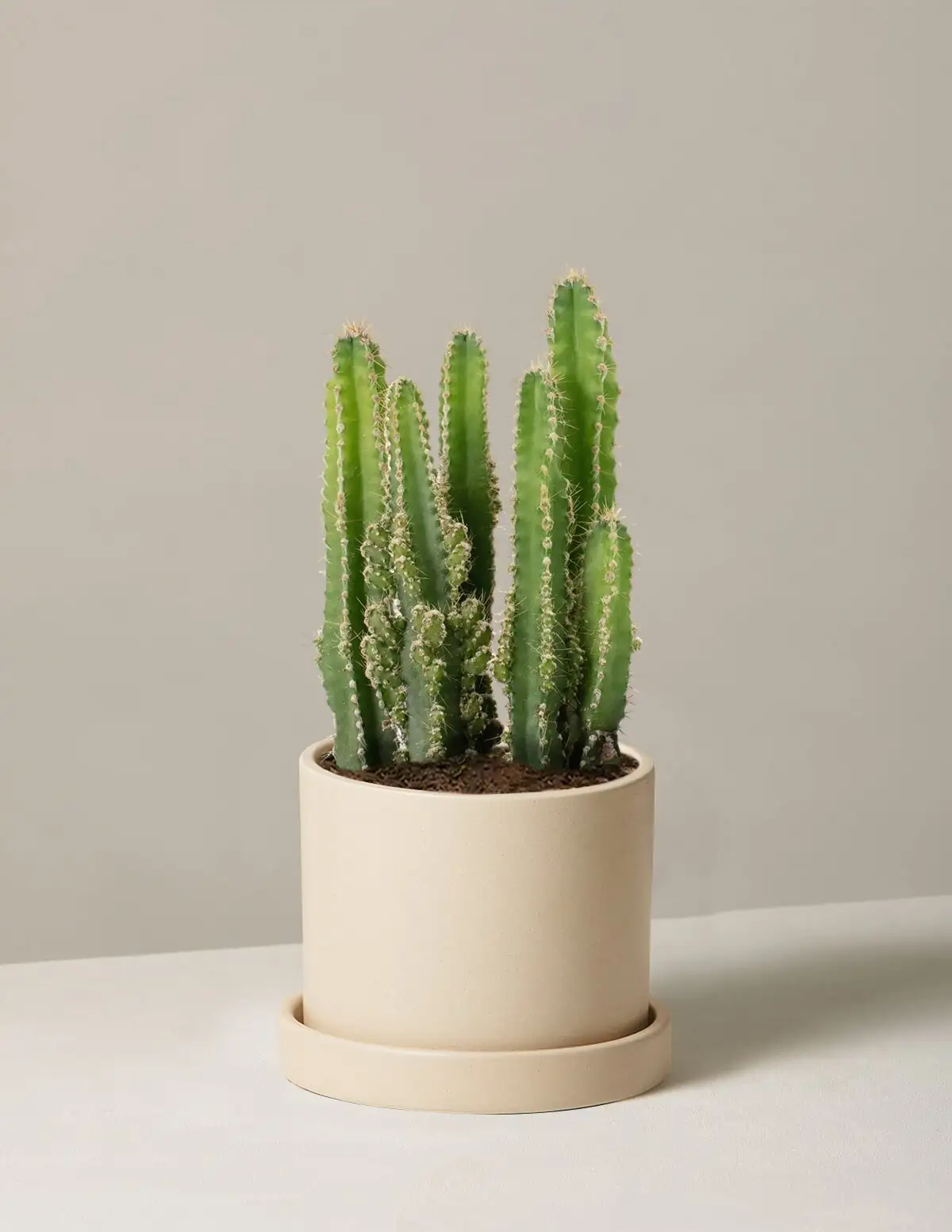
Think of shopping for a Sandcastle Cactus like choosing a sturdy little sculpture. These quirky, turreted cacti can be showstoppers on a sunny sill, but a few quick checks will help you avoid hidden rot and hitchhiking pests—and get your new prize home without a scratch.
Meet the plant you’re eyeing
- Trade name: Sandcastle Cactus (exact species/cultivar not confirmed—sold as a novelty form)
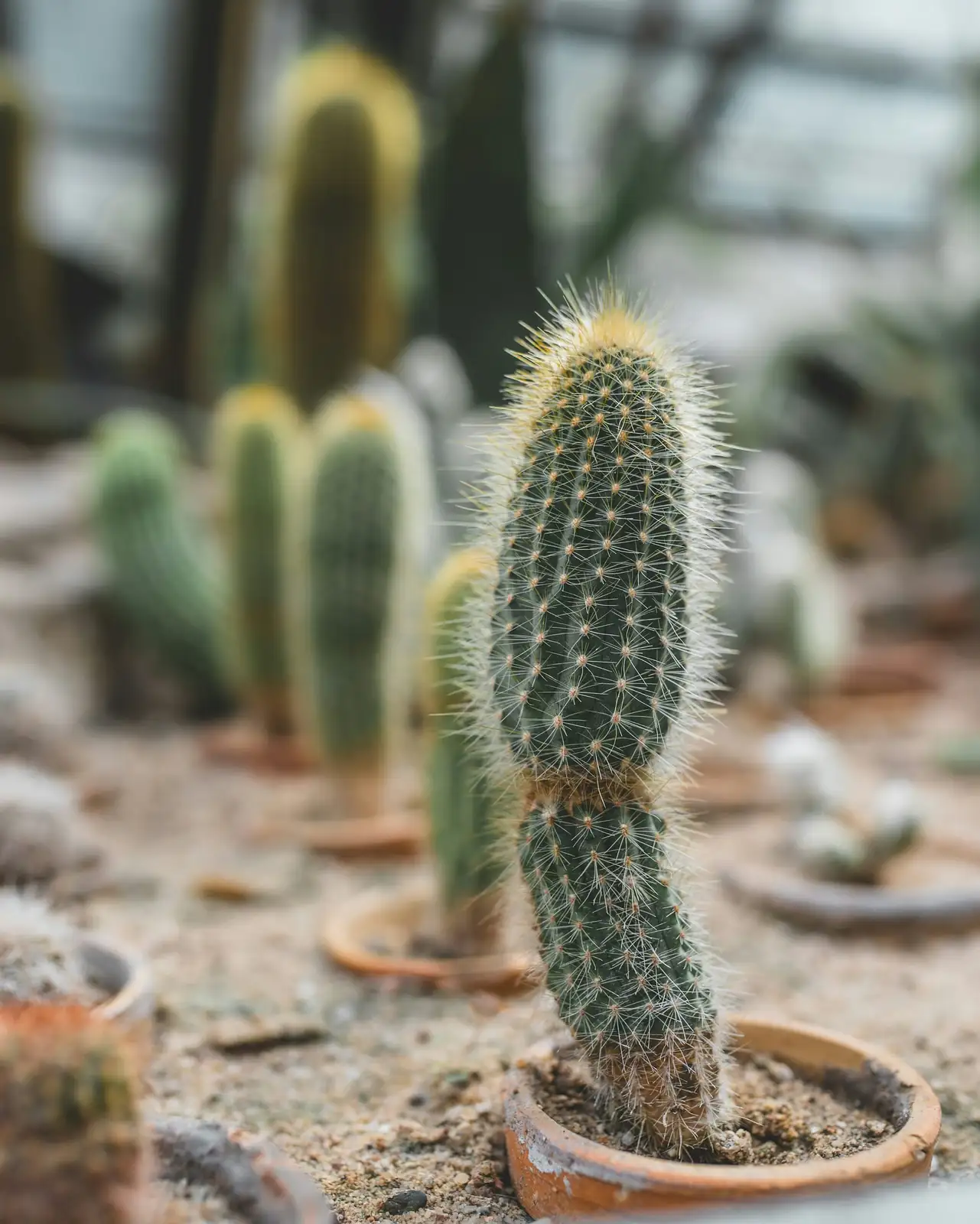
- Look: A ribbed main stem dotted with rounded offsets, like miniature turrets
- Flowers: Brief pink blooms in summer that can open and fade in a day
- Best spot at home: A very bright window with several hours of direct sun, in a gritty, fast-draining mix
The buyer’s checklist (do this in the store)
1) The firmness test: is the “castle” solid?
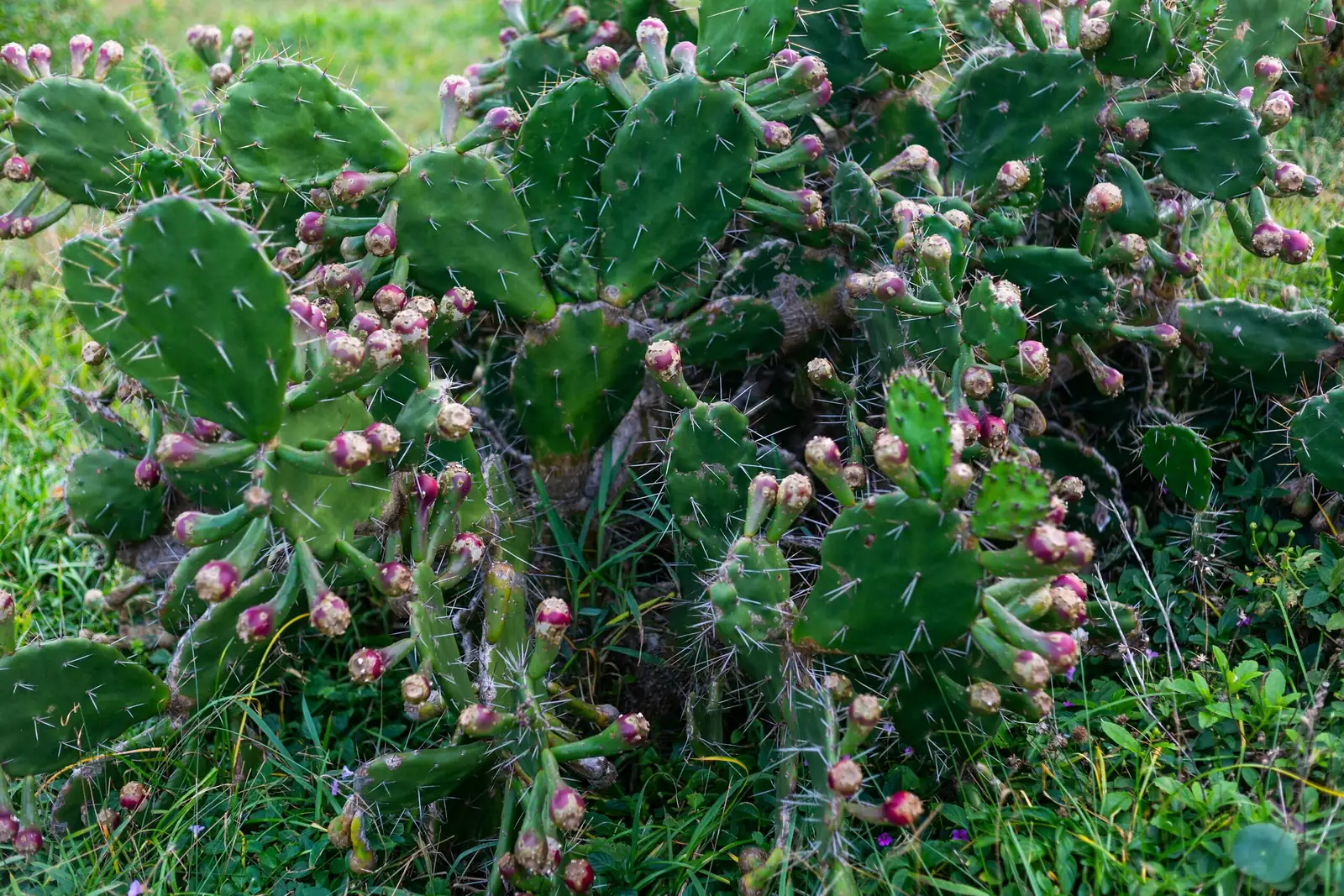
- What to do: Gently press the main stem and a couple of offsets with two fingers.
- Pass:
- Feels firm and evenly turgid
- Offsets are snugly attached, not wobbly
- Fail:
- Soft, mushy, or watery spots (classic rot risk)
- Squishy base near the soil line
- Translucent tissue that looks “wet” under the skin
- Gray area (not a deal-breaker):
- Slight, even wrinkling can simply mean it’s under-watered; that’s easier to fix than rot.
2) Base color check: read the “foundation”
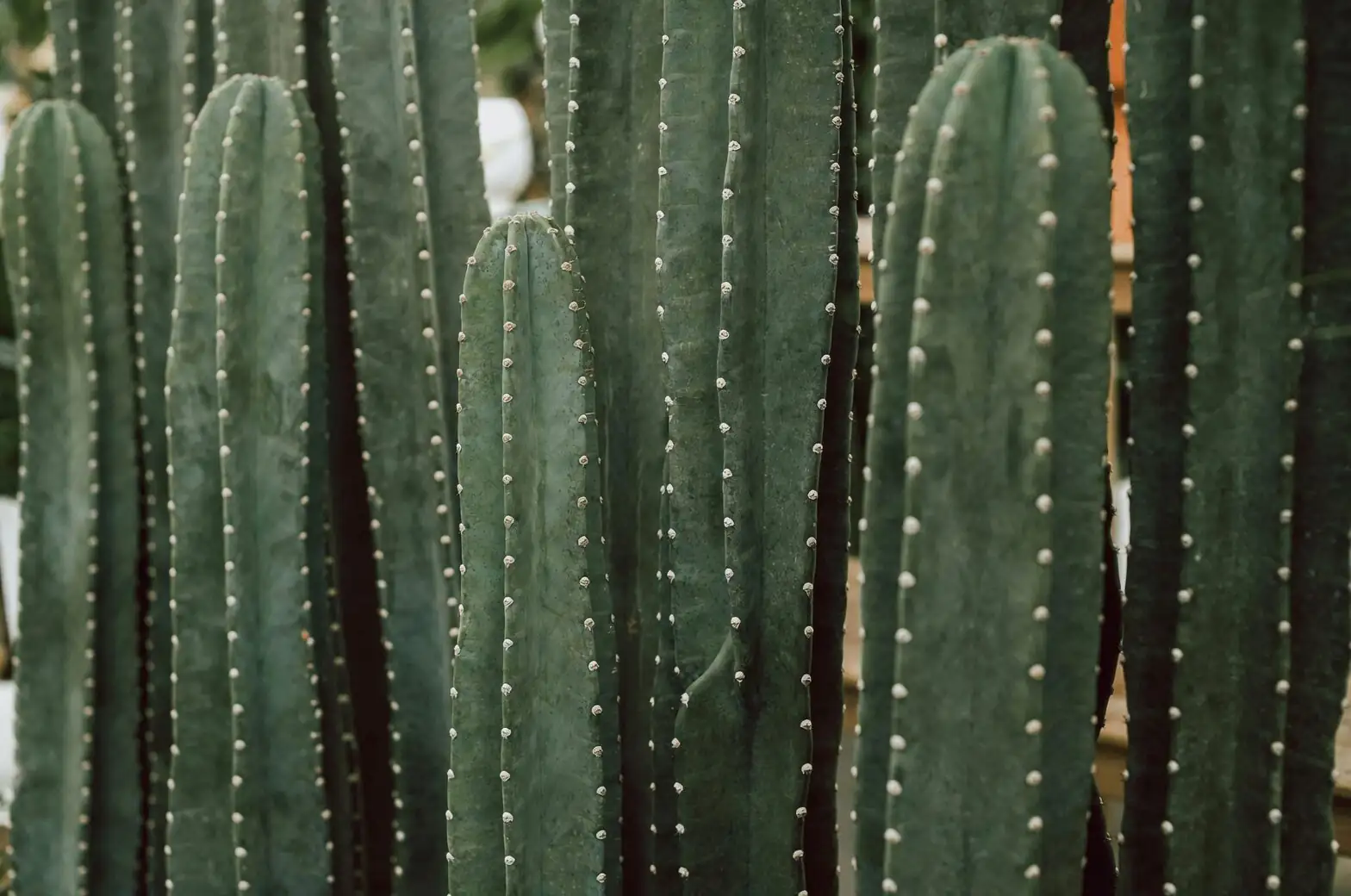
- What to do: Tilt the pot and look closely at the stem where it meets the soil.
- Pass:
- Even coloring for that plant’s natural tone
- Light, dry “corking” on older areas (tough, barky texture) is normal aging
- Fail:
- Blackening, soggy brown, or translucent tissue
- Yellowing that spreads from a soft area
- A distinct “wet line” around the stem where damp soil chronically touches it
3) The sniff test: your nose knows
- What to do: Bring the pot close and take a small whiff at the soil line.
- Pass:
- Neutral to mildly earthy
- Fail:
- Sour, musty, or swampy odor—often a sign of base/root rot
4) Pest patrol: zoom into the crevices
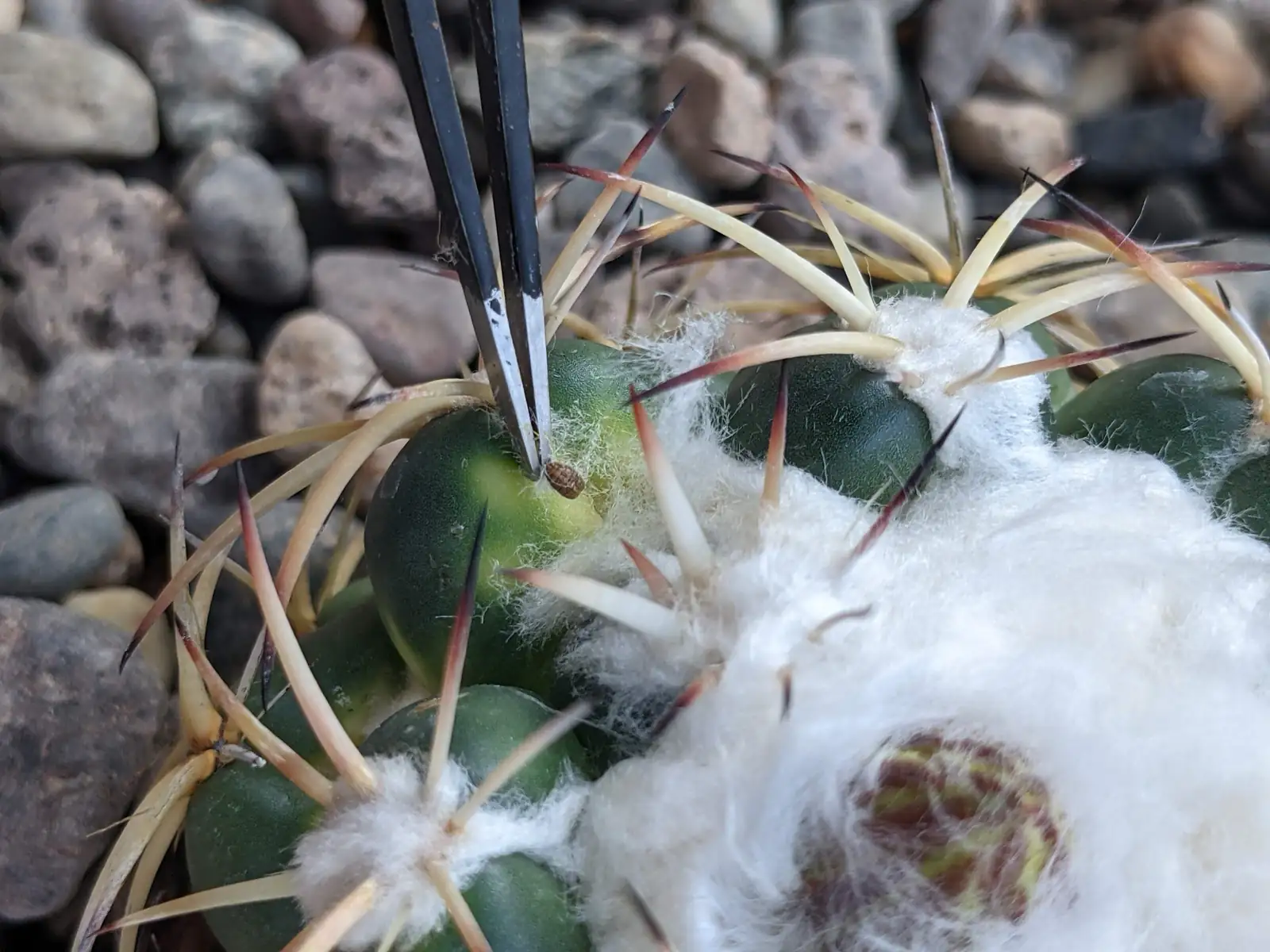
- What to do: Use your phone flashlight and scan where little turrets meet the main stem.
- Pass:
- Clean joints and ribs with no residue
- Fail:
- Mealybugs: white, cottony tufts in nooks and between offsets
- Scale: hard, pinhead-like brown or tan bumps stuck to the skin
- Spider mites: fine webbing, speckling, or dust-like moving dots (common in very dry indoor air)
- Bonus check:
- Peek under the pot’s rim and around the drainage hole; pests love to hide here.
Pot and soil red flags (don’t ignore the “architecture”)
The container
- Red flags:
- No drainage hole (or plant sitting inside a decorative cachepot that traps water)
- Pot far larger than the root ball (stays wet too long)
- Stem buried too deep or mounded with soil up the sides
- Green flags:
- A snug pot with an open drainage hole
- Plant sits slightly above the soil line so the base stays dry
The substrate
- Red flags:
- Soggy soil or condensation in the pot
- Dense, peat-heavy mix that clumps and stays wet
- Algae or fungus gnats (a sign of chronic moisture)
- Glued-on gravel topdressing that seals the surface and hides problems
- Green flags:
- A gritty, free-draining mix with visible mineral particles (pumice, coarse sand, lava rock, or similar)
- Soil feels dry and airy between waterings
Cosmetic “gotchas”
- Warning signs:
- Painted spines or fake, glued-on “flowers” (stressful and often damaging)
- Offsets freshly broken or glued in place (yes, it happens)
Quick decision tree
- Firm + clean base + neutral smell + no pests = buy with confidence
- Wrinkly but firm + dry mix = good rescue candidate
- Any mushiness, sour smell, blackened base, or visible mealybugs/scale = skip it (or negotiate deep and be ready for triage)
Transport tips: get your cactus home like a pro
Pack it right
- Ask for a paper sleeve or wrap the plant with soft paper, leaving the top open for airflow.
- Stabilize the pot in a small box so it can’t tip. Keep it upright.
- Handle with folded paper or tongs—spines can irritate skin.
Mind the temperature
- Ideal travel range: roughly 64–86°F (18–30°C).
- Cold caution: If the plant or soil is even slightly moist, keep it above about 41–50°F (5–10°C). Never leave it in a cold car.
- Heat caution: Don’t bake it on a sunny dashboard; vents or a hot trunk can cook a cactus.
In the car
- Avoid sealed plastic bags in sun (they steam plants).
- Shield from direct blasts of AC or heat.
- Buckle the box or wedge it in the footwell so it can’t roll.
First week at home: settle, then shine
- Light: Place in your sunniest window (south or west). Aim for 4–6+ hours of direct sun, but acclimate if it came from shade to prevent scorch.
- Water: If the mix is already dry, wait a few days before the first thorough soak. Then always let the mix dry out completely between waterings. In winter, go very light.
- Quarantine: Keep it apart from other plants for a week or two to monitor for hidden pests.
- Repotting: If the pot or mix was suspect, repot in spring or after a week of rest. Use a pot with drainage and a gritty cactus mix; keep the plant dry for 5–7 days after repotting to reduce rot risk.
- Feeding later: In spring/summer, feed lightly every 4–6 weeks with diluted cactus fertilizer. Skip winter.
Safety sidebar
- Not known to be highly toxic, but spines and sap can irritate skin. Keep away from pets and children; chewing may cause mild stomach upset.
Why this matters for Sandcastle Cactus
This trade-name cactus is all about its clustered silhouette and those occasional blink-and-you-miss-them pink blooms. To enjoy that sculptural look long-term, you want a plant with:
- A solid, rot-free base
- Clean, pest-free crevices
- A pot and mix that drain fast
- A sunny spot waiting at home
Nail this checklist in the store, transport it carefully, and your little sandcastle will hold its shape for seasons—no moat required.