

Think of moving your Sandcastle Cactus outdoors like training a pale winter runner for a summer marathon. If you dash straight into noonday sun, you get scorched. If you pace the ramps, give rain cover, and plan for heat and wind, you finish strong—with plump stems and maybe a blink-and-you-miss-it pink bloom.
Meet the Sandcastle Cactus (trade name)
- A quirky, sculptural novelty cactus with a ribbed main stem that pops out small, rounded offsets—like turrets on a sandcastle.
- Summer may bring charming, short-lived pink flowers.
- Sold under a trade name. The exact species/cultivar isn’t confirmed, so care follows general cactus best practices.
- Loves bright light to full sun, but needs acclimation to prevent scorch.
- Best growth around 18–30°C (64–86°F); keep above about 5–10°C (41–50°F), especially if the soil isn’t bone-dry.
- Not frost-hardy; year-round outdoor growing suits frost-free climates only (roughly USDA 10–12).
The safe outdoor move: a 3–4 week acclimation blueprint
Aim: reach 4–6+ hours of direct sun by summer without burning. Always stage your increase; the sun is stronger than it looks after an indoor winter.
Before you start
- Night lows: consistently above 10°C/50°F is ideal. If nights dip to 5–10°C (41–50°F), keep the soil bone-dry and add protection.
- Pot and mix: a gritty, free-draining cactus mix with added mineral grit or pumice; never use a pot without drainage.
- Check for pests (mealybugs hide between offsets) and remove any soft/blackened tissue before the move.
Week-by-week light ramp
- Week 1
- Placement: bright shade or dappled light outdoors.
- Direct sun: 30–60 minutes of early morning sun (within 2 hours of sunrise), then shade.
- Optional: 30–50% shade cloth over midday sun if your space runs bright.
- Week 2
- Morning sun: 1.5–2.5 hours.
- Keep shaded 11 a.m.–3 p.m. (the scorch window).
- Week 3
- Morning sun: 3–4 hours. Add gentle late-afternoon sun if available.
- Reduce shade cloth to 20–30% if color holds and no bleaching appears.
- Week 4
- Transition toward your target: 4–6+ hours daily. Midday sun is optional and safest if introduced last, in short doses.
- Continue to avoid the high-UV window on unusually intense days.
Pro tip: rotate the pot a quarter turn once a week during acclimation to even out exposure. If stems yellow or bleach on the sun-facing side, pause increases and add shade.
Timing the shade like a pro
- Prioritize morning sun, protect from midday sun (roughly 11 a.m.–3 p.m.).
- East exposure is the gentlest on skin; west can be surprisingly intense.
- Use built-in shade: eaves, pergolas, balcony rails, taller plants, or a 20–40% shade cloth.
Microclimate matters
- Heat sinks amplify stress. Avoid bare concrete, metal tables, and south-facing white walls at first—they reflect and intensify heat/UV.
- Elevate pots on slats or pot feet for airflow and faster drying.
- Terra-cotta moderates moisture by breathing; plastic retains water longer.
Rain: shelter smarter, not harder
Prolonged or pounding rain is the enemy of a clustered, offsetting cactus—water collects in joints and lingers in soil.
- Best shelters:
- Under wide eaves, a covered porch, or a clear polycarbonate awning.
- A simple shelf with a waterproof roof panel.
- A greenhouse/cold frame with plenty of airflow.
- Setup tweaks:
- No saucers outdoors; they trap water.
- Keep pots elevated; add extra grit or pumice to speed drainage.
- After surprise downpours: tip the pot briefly to pour off trapped water, move to a breezy, bright spot, and delay your next watering.
- Watering outdoors:
- Water deeply, then wait for a full dry-down. In bright, warm weather this is often every 10–21 days. Never let the pot stand in water.
Heatwaves: beat the scorch
Your cactus grows best at 18–30°C (64–86°F). Above that, add protection.
- When temps spike:
- Shift to morning sun only; shade completely through midday.
- Increase airflow. A breezy location is your friend.
- If the mix is bone-dry and a heatwave is forecast, water early morning the day before heat arrives, then let it dry again. Avoid midday watering onto hot soil.
- Pause fertilizing until temperatures normalize.
Wind: the invisible stressor
Wind toughens plants—but too much, too fast can desiccate or topple a clustered cactus.
- Start in a wind-sheltered spot; gradually move to breezier positions over 1–2 weeks.
- Anchor the pot (heavier container, decorative stones, or a cachepot with weight).
- Use partial windbreaks: lattice, railing, or taller companions.
- Expect faster drying in wind; check moisture more often but still wait for a full dry-down before watering.
A quick seasonal refresher
- Watering: deep soak then fully dry. In winter, keep very sparing (or dry if kept cool).
- Feeding: light cactus fertilizer at 1/4–1/2 strength every 4–6 weeks in spring–summer. Skip in winter.
- Repotting: every 2–3 years in spring into a gritty mix. Keep dry 5–7 days after repotting.
- Pruning: usually unnecessary. Remove only dead/damaged offsets; let cuts callus before re-rooting.
- Propagation: twist or cut an offset, callus 3–7 days, then root on dry, gritty mix. Begin very light watering once roots form.
- Pests: mealybugs, scale, spider mites. Increase light and airflow, use insecticidal soap or alcohol swabs; consider a systemic where appropriate and legal.
Troubleshooting sun and weather stress
- Sun scorch
- Signs: bleached white/yellow patches on the sun-facing side, later turning tan/corky.
- Fix: move to bright shade, reintroduce sun slowly; protect during midday. Damaged skin won’t green again, but new growth can be healthy.
- Not enough light (etiolation)
- Signs: pale, stretched growth leaning toward sun.
- Fix: increase morning sun in small steps; reduce shade cloth gradually.
- Softness at the base
- Often rot from excess moisture. Stop watering, improve airflow/light, unpot to remove rot if needed. Healthy pieces can be saved by callusing and re-rooting.
Bloom encouragement outdoors
Those pink, short-lived summer flowers are more likely when:
- The plant gets very bright light in spring–summer.
- You provide a drier, cooler rest in winter.
- You avoid overwatering and keep the mix fast-draining.
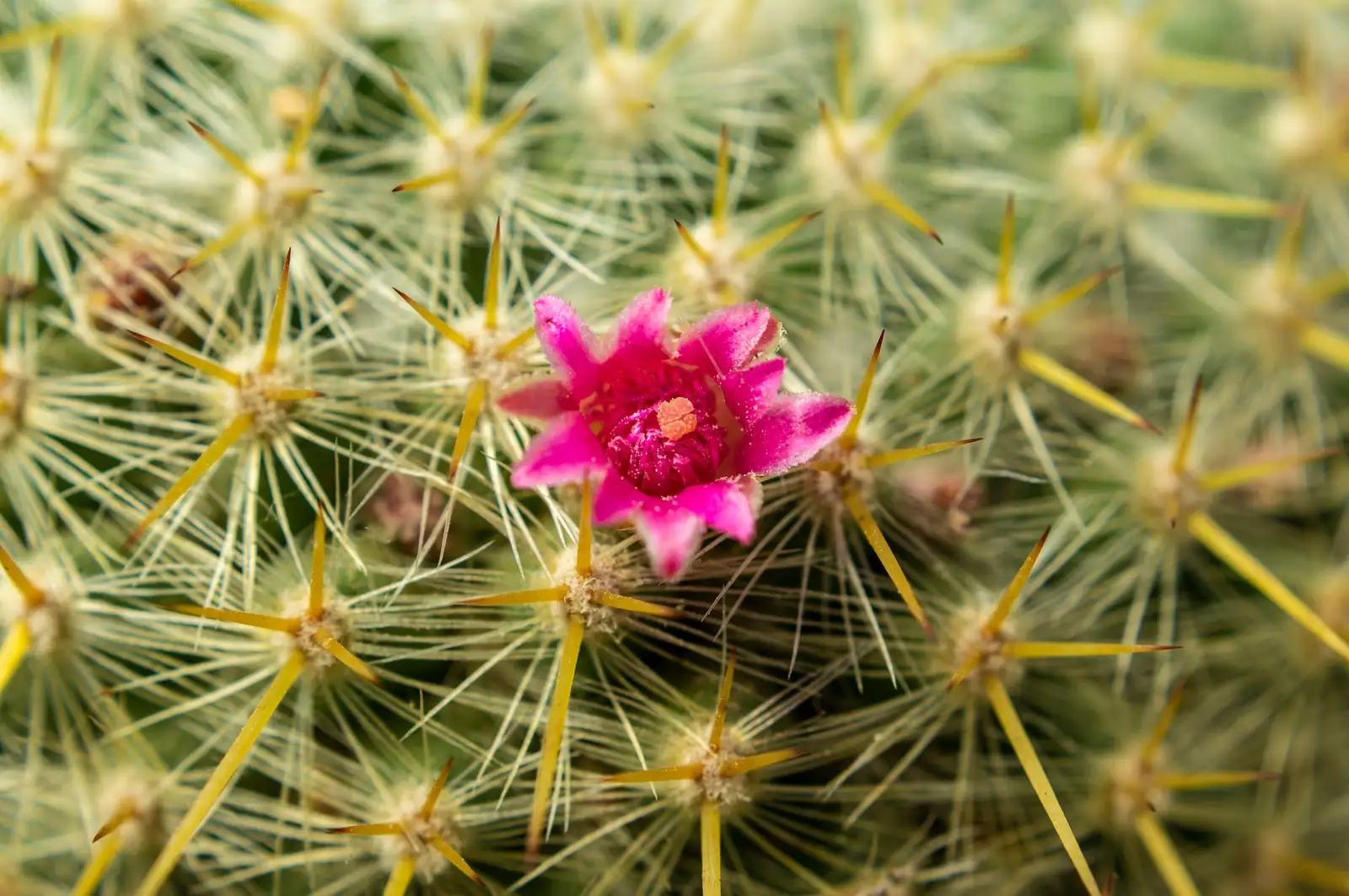
Remember, many cactus blooms naturally last only a day—blink and you’ll miss the show.
Safety note
Not known to be highly toxic, but the spines and sap can irritate skin. Keep out of reach of children and pets; chewing may cause mild gastrointestinal upset.
A short note on symbolism and “flower language”
Cacti are widely associated with resilience, patience, and quiet endurance—fitting for a plant that stores its strength and survives dry spells with grace. “Flower language” as seen online often blends Victorian floriography with modern interpretations; for cacti, the fleeting bloom underscores a deeper theme: beauty arrives when conditions—and care—align.
Quick outdoor-transition checklist
- Nights reliably above 10°C/50°F (or bone-dry if 5–10°C).
- Gritty, free-draining mix; pot with drainage.
- Start with morning sun only; add 30–60 minutes every few days.
- Shade 11 a.m.–3 p.m. for the first month, longer during heatwaves.
- Shelter from prolonged rain; elevate pots and skip saucers.
- Guard against wind with anchors and partial windbreaks.
- Water deeply, then let dry completely; feed lightly in the warm season.
- Watch for pests in stem joints; act early.
Handled this way, your Sandcastle Cactus trades the risk of sunburn for a season of sturdy, sculptural growth—and maybe a pink, one-day celebration when summer hits its stride.