

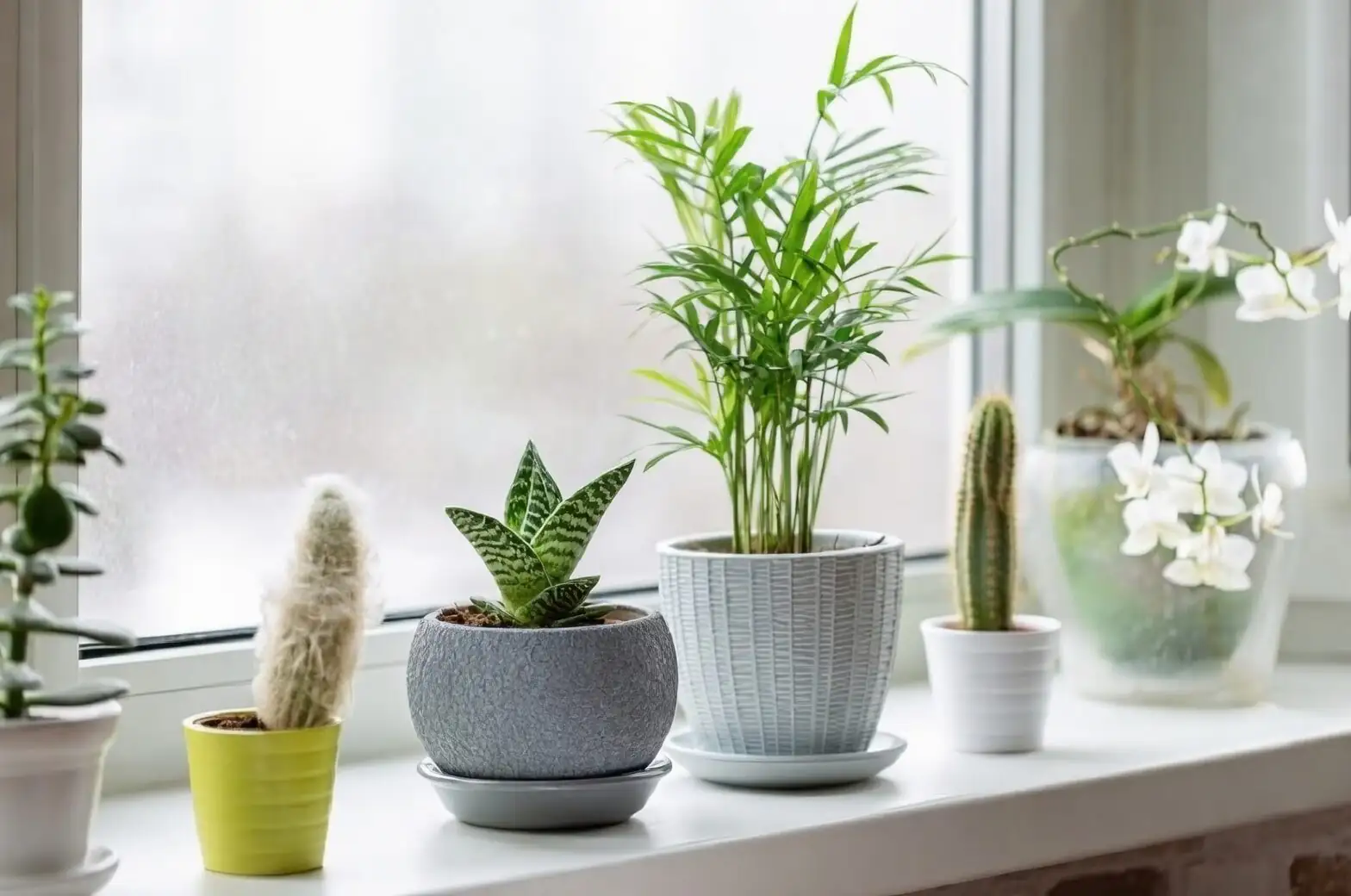
Meet the Sandcastle Cactus, the knobbly, turreted little oddball that looks like a miniature fortress built by an imaginative tide. It’s a trade-name plant with uncertain lineage, but its needs are crystal clear: blazing light, a mineral-heavy mix that dries fast, a smart pot, and patience before the first drink after any repot or cutting. Get those right, and you’ll keep the base firm, the clusters multiplying, and, if you’re lucky, catch a fleeting pink bloom in summer.
Light, temperature, and the rhythm this cactus loves
- Sun: Bright light to full sun; aim for 4–6+ hours of direct light. Acclimate gradually to avoid sun scorch.
- Temperature: Best at 18–30°C (64–86°F). Keep above about 5–10°C (41–50°F), especially if the mix isn’t bone-dry.
- Humidity: Low to average. Stagnant humidity invites rot; gentle airflow is your friend.
- Yearly rhythm: Spring–summer is the growth push; autumn, ease off the water; winter, keep brighter if you can and very dry.
Soil science made simple: think “crunchy granola,” not cake batter
Desert cacti roots want air as much as water. Imagine a colander, not a sponge—spaces between particles let water drain fast and oxygen flow.
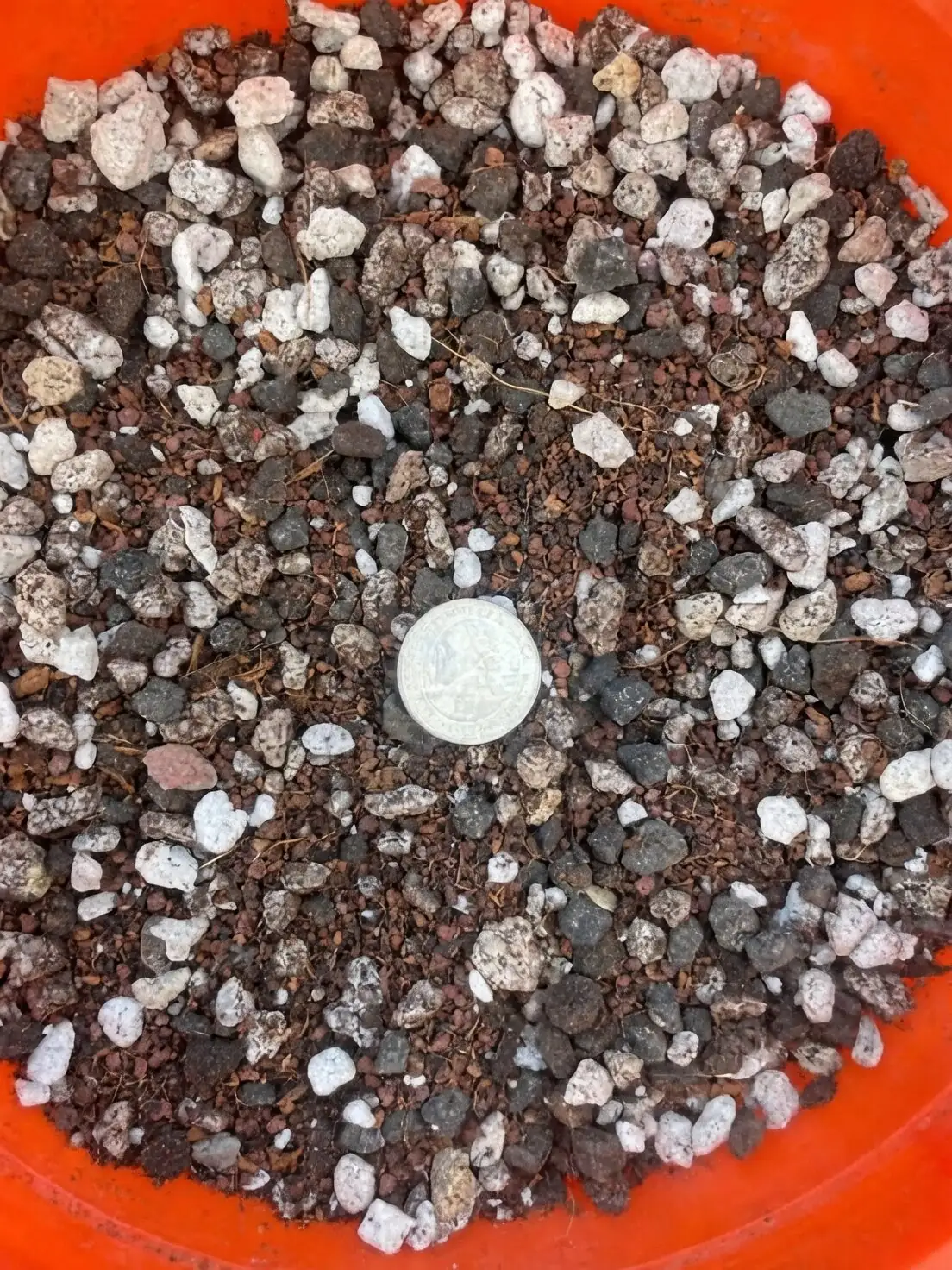
A mineral-forward recipe that works
- Target texture: Gritty, chunky, very free-draining.
- A reliable blend:
- 1 part lean cactus/succulent mix (or sifted potting soil to remove fine peat)
- 2–3 parts mineral amendments combined, such as:
- Pumice (star performer)
- Crushed lava rock
- Coarse sand (horticultural, not play sand)
- Crushed granite or fine gravel
- Particle size sweet spot: about 2–6 mm (rice to pea size). Sift out dust and fines that clog pores.
- What to avoid in high amounts: dense peat, compost fines, vermiculite, water-retentive crystals—anything that holds moisture tight.
- pH note: Neutral to slightly acidic generally suits cacti; drainage and structure matter more than chasing a perfect number.
Tip: Even “cactus mix” from a bag can be too soft for indoor containers. Don’t hesitate to cut it heavily with pumice or similar grit.
The drainage-layer myth
Skip pebbles at the bottom. Use the same fast-draining mix from top to bottom, and cover the pot’s drainage hole with mesh to keep mix from escaping.
Pot choice: where good soil does its best work
- Drainage holes: Non‑negotiable.
- Material:
- Terracotta breathes and speeds drying—excellent default.
- Glazed ceramic dries slower; fine if you water sparingly.
- Plastic retains moisture the longest; best for very hot, arid settings and careful waterers.
- Size and shape:
- Go snug: 1–2 cm (½–¾ in) wider than the root ball. Oversized pots leave wet “no‑root” zones.
- A slightly wider, low pot can suit its clustering habit, but resist going too wide too soon.
- Saucers: Never let the pot stand in water.
Repotting, root handling, and the crucial first‑watering delay
Repot every 2–3 years or when root‑bound, ideally in spring.
Step-by-step (rot‑averse) repot
- Watering status: Ensure the plant is dry beforehand—drier roots are less fragile.
- Unpot gently: Tease away old mix, especially peat clinging to roots.
- Root audit:
- Trim dead, mushy, or blackened roots with a clean blade.
- Optional: Dust cuts lightly with dry sulfur; then let the plant air a few hours.
- Potting depth: Keep the base/crown slightly above the soil line to discourage base rot.
- Top-dress: A skim of grit around the base helps keep it dry and tidy.
- First-watering delay: Keep completely dry for about 5–7 days after repotting. Bright light, but avoid the harshest midday sun during this pause.
- The first drink: Water deeply once the pause ends and conditions are warm and bright. After that, let the mix dry completely before watering again.
Offsets: multiplying turrets without inviting rot
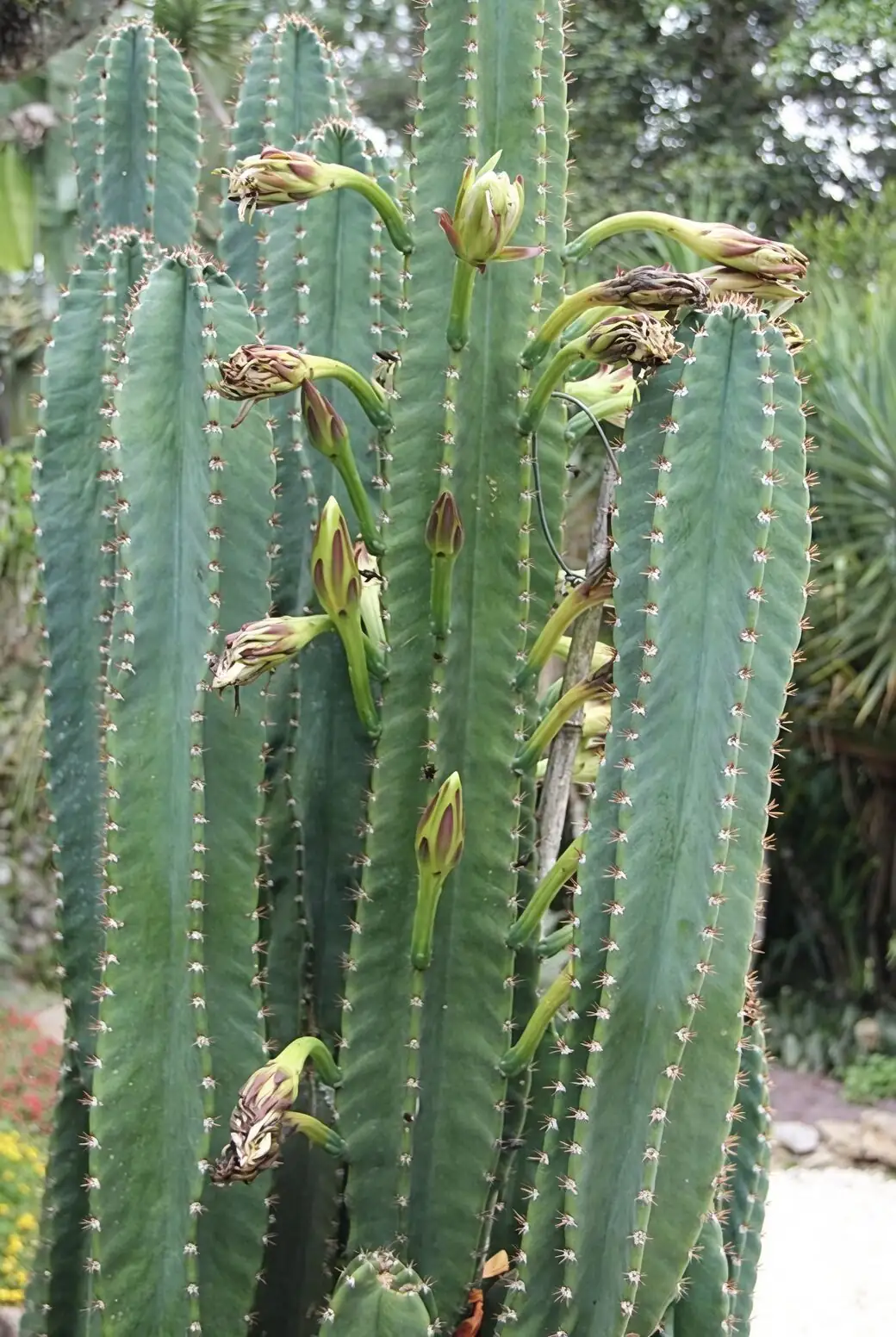
This cactus loves to cluster. Propagating those little “turrets” is easy if you lean into patience.
- Remove: Gently twist or cut an offset cleanly away.
- Callus time: 3–7 days in a dry, airy, shaded spot until the cut surface is matte and firm.
- Rooting medium: Place on or barely nestle into a bone-dry, gritty mix (pure pumice or a very mineral cactus blend).
- Watering for cuttings: Begin very light watering only after you see signs of root formation. Before that, keep it dry with good airflow.
- Potting up: Once rooted, move to your regular fast-draining mix, keep the crown high, and again delay any deep watering for several days.
Water like a desert rainstorm, then wait like one
- Method: Water deeply until excess runs out. Then walk away until the mix is fully dry.
- Frequency: In warm, bright conditions, often every 10–21 days. In winter, very sparingly—or not at all if kept cool and bright.
- How to know it’s dry:
- A wooden skewer inserted deep comes out clean and dry.
- The pot feels light.
- No cool dampness when you press a finger into the mix.
- Never: Leave the pot sitting in water.
Five fast ways people accidentally cause rot (and how to dodge them)
- Watering right after repotting or cutting
- Fix: Always observe the 5–7 day dry pause after repotting; callus offsets 3–7 days.
- Dense, organic-heavy soils
- Fix: Mineral-dominant blends with pumice, lava rock, and coarse sand.
- Oversized pots
- Fix: Size up modestly; match pot volume to active roots.
- Low light + cool temps + damp mix
- Fix: Strong light, warmer days, and let it dry fully—especially in winter.
- Burying the crown
- Fix: Keep the base slightly elevated; use a gritty top-dress around it.
Care snapshot
- Light: Bright to full sun; 4–6+ hours direct.
- Temperature: 18–30°C (64–86°F); keep above 5–10°C (41–50°F) unless bone-dry.
- Humidity: Low to average; ensure airflow.
- Feeding: Spring–summer, a cactus fertilizer diluted to 1/4–1/2 strength every 4–6 weeks. Skip winter.
- Pruning: Rarely needed—remove only dead or damaged offsets; let wounds callus before rooting or returning to dry mix.
- Hardiness: Not frost-hardy; outdoors year-round only in frost-free climates (approx. USDA 10–12).
- Placement: Sunniest window, bright balcony/patio, or greenhouse. Shelter from prolonged rain.
Pests, safety, and quick troubleshooting
- Pests: Mealybugs love to hide in the crevices between turrets; also watch for scale and spider mites. Treat early with alcohol swabs or insecticidal soap; improve light and airflow.
- Biggest health issue: Root or base rot from excess moisture. If the base starts to soften, stop watering, increase light and airflow, unpot to remove rot, and salvage healthy pieces by re-rooting after callusing.
- Safety: Not known to be highly toxic, but the spines and sap can irritate. Keep away from curious kids and pets.
Flowers and meaning
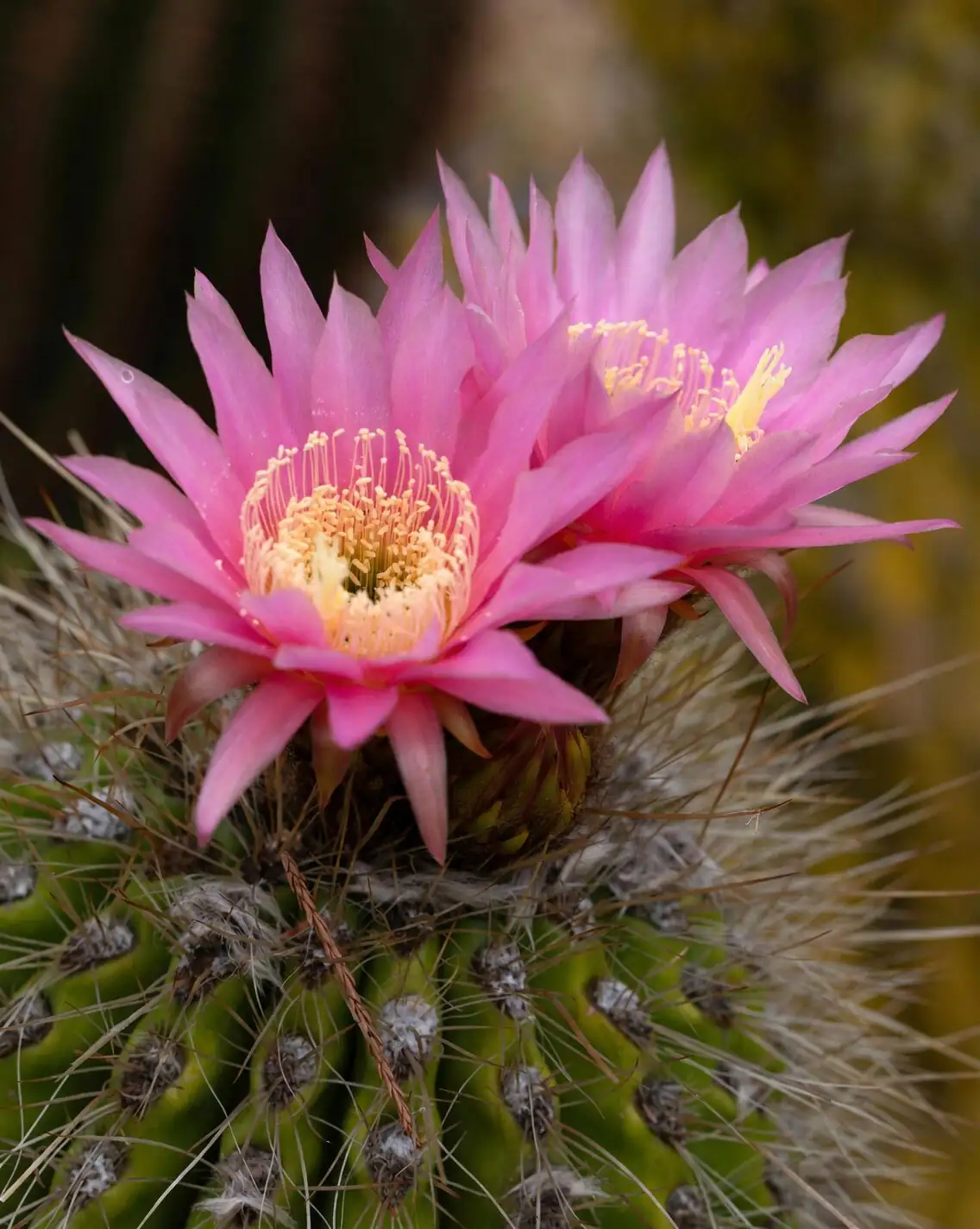
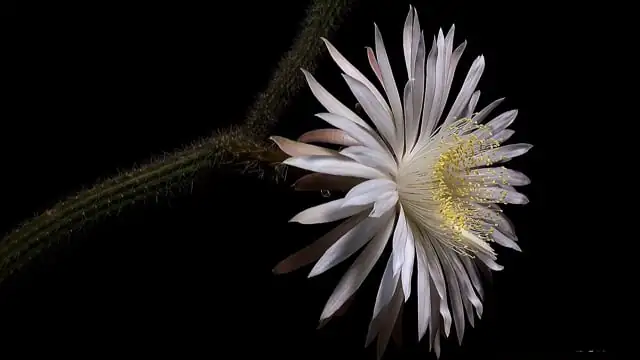
With strong summer light and a drier, cooler winter rest, your Sandcastle Cactus may surprise you with pink summer blooms that can open and fade in a single day—blink and they’re gone. That brevity is part of the charm and the symbolism many attach to cacti in general: resilience, patience, and an appreciation for fleeting beauty.
Buying smart
Choose a plant that feels firm and well-anchored, with no blackening or sour smell at the base. Peek between clustered stems for mealybugs. A healthy specimen plus the right gritty mix and a well-chosen pot is the shortest path to a long-lived, turreted “castle.”
Bottom line: Give this sculptural cactus sun, a mineral-heavy mix, a breathable pot with a drainage hole, and—most importantly—patience before the first post-repot watering. Do that, and rot stays away while roots, turrets, and the occasional one-day bloom take center stage.