

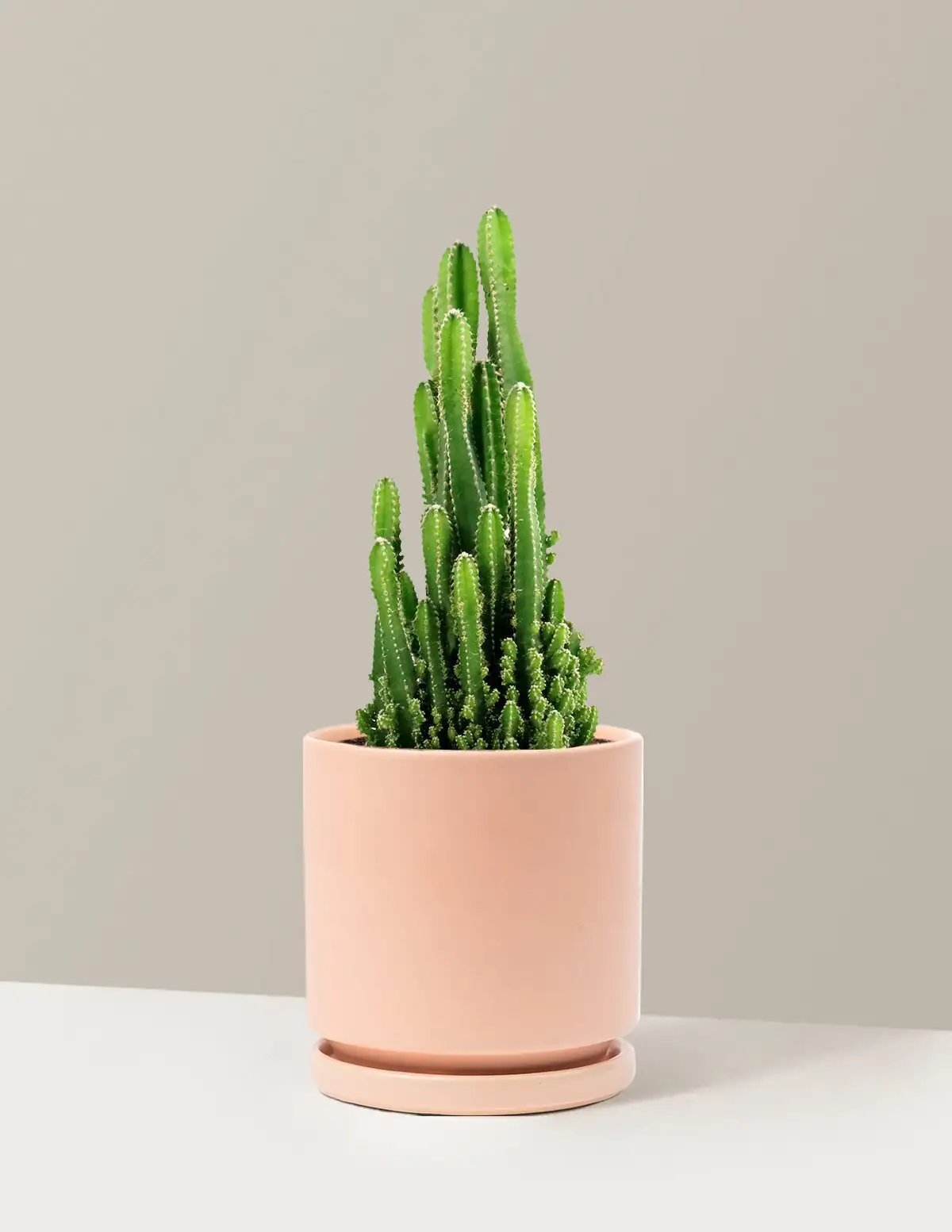
Think of your Sandcastle Cactus as a tiny architect reading the sky. As daylight stretches or shrinks, it cues when to sip, when to feast, when to bask, and when to hunker down. Translate those light shifts into a simple seasonal rhythm and you’ll set the stage for those blink-and-you-miss-them pink summer flowers.
Meet the Sandcastle Cactus (trade name)
- Identity: A cultivated, novelty cactus sold under a trade name; exact species or cultivar isn’t confirmed.
- Look: A ribbed main stem sprouting clusters of small, rounded “turrets” that gradually mound up.
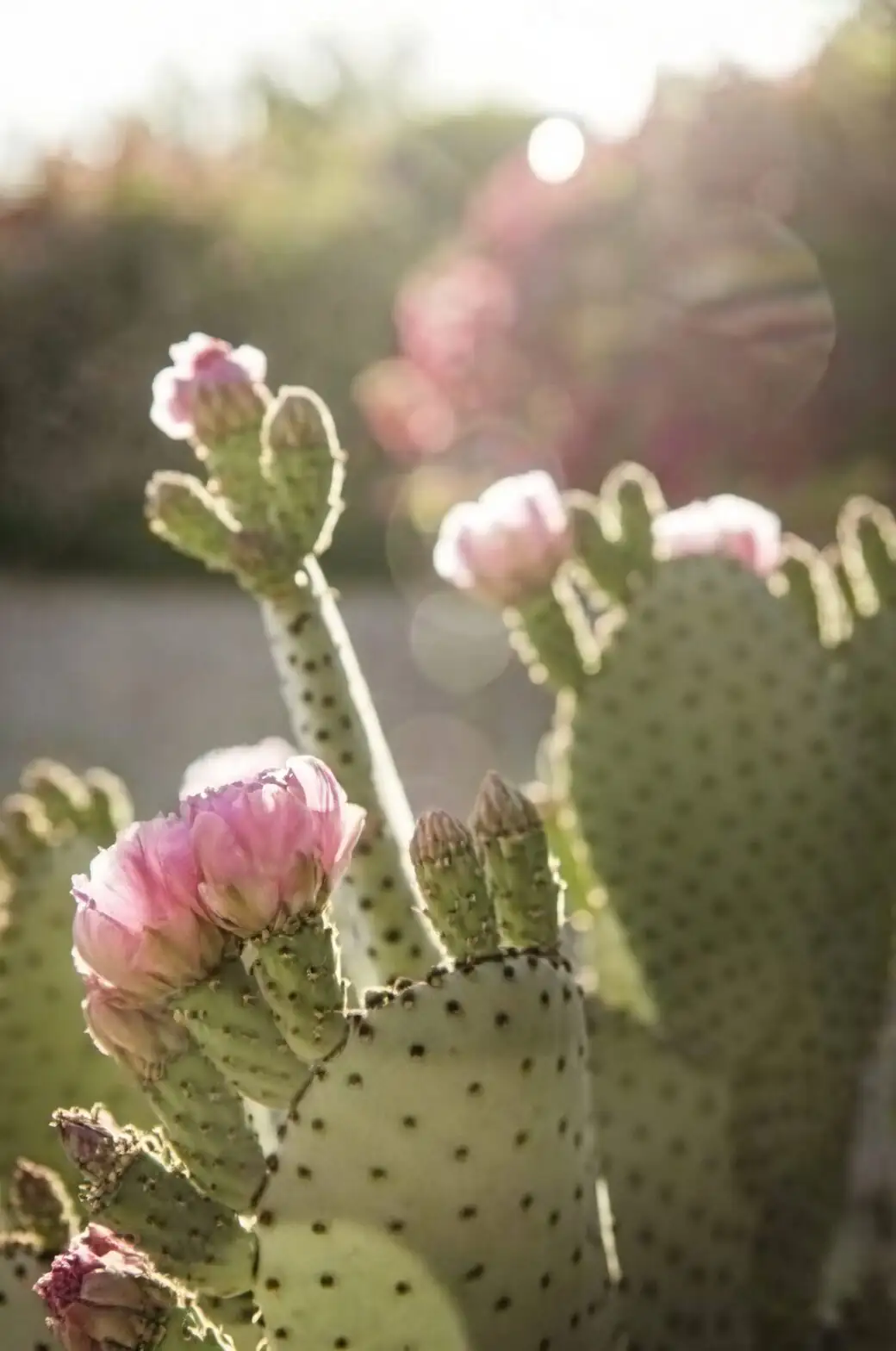
- The show: Brief pink blooms in summer—often opening only for a day. Short, sweet, and worth the wait.
- Best conditions: Bright light to full sun; very fast-draining cactus mix; warm days, cooler dry winters; and a “soak-and-dry” watering approach.
The light-led year: a seasonal calendar for watering, feeding, and sun
Below is a practical, light-centered plan you can adapt to your climate. Key idea: more daylight and warmth = slightly more water and light feeding. Shorter days and cooler air = dramatic watering cuts and no food. Acclimate sun exposure slowly, and keep winters bright and much drier.
Late winter (January–February): Bright, cool, almost dry
- Light: Park it in the sunniest window (south or west is ideal). Good light now prevents stretching later.
- Water: If kept cool and bright, skip watering entirely or give only a tiny splash once if the plant visibly wrinkles. Let the mix dry completely before and after.
- Feeding: None.
- Temperature: Cool is fine, but keep above about 41–50°F (5–10°C)—especially if the soil isn’t bone-dry.
- Why it matters: A cool, bright, very dry rest preserves roots and “primes” the plant for summer blooms.
Early spring (March): Wake-up checks and a cautious first drink
- Light: Daylength passes the equinox—time to pay attention. Keep it bright; consider adding a grow light if windows are weak.
- Water: Give the first deep soak of the year only once the mix is fully dry and nights are consistently above the low 40s°F (≈5–7°C). Then wait for full dry-down again.
- Feeding: Optional tiny starter feed after that first watering: cactus fertilizer at 1/4 strength.
- Tasks: Inspect for mealybugs tucked between offsets; plan spring repotting if it’s root-bound.
Mid–late spring (April): Gently increasing resources
- Light: Stronger sun now; still indoors? Nudge it closer to glass or increase daily direct sun.
- Water: Deeply, then only after full dry-down. In bright warmth, that’s often every 10–21 days.
- Feeding: 1/4–1/2 strength every 4–6 weeks, but only after a watering has happened. No fertilizer into bone-dry soil.
- Repotting window: Ideal month for a size upgrade into a gritty mix and a pot with drainage. Keep dry 5–7 days after repotting.
May: Outdoor sun acclimation month
If nights are reliably mild, move it outdoors—but acclimate. Sudden full sun can scorch even a desert native.

- Week 1: Bright shade (porch, under eaves). Zero midday sun.
- Week 2: Dappled light or early morning sun (1–2 hours), then shade.
- Week 3: Extend morning sun to 3–4 hours.
- Week 4: Graduate to 4–6+ hours of direct sun, ideally morning to early afternoon.
- Water: Same rule—soak, then wait for full dry-down.
- Feeding: Continue light feeding if growth is steady.
Tip: Shelter from prolonged rain; these sculptural offsets are rot-prone if water lingers in crevices and the mix stays wet.
Early summer (June): Hitting stride
- Light: Bright light to full sun, 4–6+ hours daily. Keep good airflow.
- Water: Typically every 10–21 days in warm, bright conditions. Never by the calendar—only after the mix is completely dry.
- Feeding: Light feed (1/4–1/2 strength) every 4–6 weeks.
- Bloom prep: Consistent sun + measured moisture now, after a dry winter rest, encourages those fleeting pink flowers later.
High summer (July–August): Steady state and bloom watch
- Light: Maintain strong sun. In extreme heatwaves, offer light afternoon shade to prevent scorch.
- Water: Same deep-then-dry rhythm. Hot, windy patios may shorten dry-down; check the mix, not the date.
- Feeding: Continue light feeding if actively growing. Skip if heat stalls growth.
- Flower alert: Blooms can be fast as a shooting star—check mornings.
Early autumn (September): The slow-down begins
- Light: Days shorten. Keep it as sunny as possible to bank energy.
- Water: Begin spacing waterings farther apart as dry-down takes longer.
- Feeding: This is your last light feed of the year if the plant is still growing; then stop.
- Outdoor note: Prepare to move indoors before repeated cold snaps. Always move before nights dip toward 41–50°F (5–10°C) if soil isn’t bone-dry.
Mid–late autumn (October): Taper to near-dry
- Light: Brightest window indoors; rotate for even sun.
- Water: Cut back significantly. If the mix takes ages to dry, skip watering. The goal is a drier, cooler rest ahead.
- Feeding: None.
- Tasks: Final pest check before deep winter rest.
Winter rest (November–December): Bright and mostly dry
- Light: Maximize sun indoors. Consider a small fan or cracked window for airflow on mild days.
- Water: Very sparing—or none if kept cool. Only give a token sip if the plant shows persistent, deep wrinkling and you can ensure a quick dry-down in bright conditions.
- Feeding: None.
- Temperature: Aim cool but safe: above 41–50°F (5–10°C). The cooler you go, the drier the soil must be.
Your quick-reference rhythm
- Spring–summer: Maximum light, deep watering only after complete dry-down, light feeding every 4–6 weeks.
- Autumn: Reduce watering as days shorten; stop feeding.
- Winter: Keep bright and cool, and keep much drier (often dry for weeks to months).
Watering, the tactile way
- Depth test: Use a wooden skewer or chopstick—push it to the pot’s bottom. If it comes out cool and clean, it’s dry; if it’s darker or damp to the touch, wait.
- Pot weight: Learn the “bone-dry” feel by hefting the pot. Dry soil is dramatically lighter.
- Signs to pause: Any softness at the base, lingering dampness, or cool, dim days—delay watering. Rot begins where moisture lingers.
Soil and potting for a stress-free dry-down
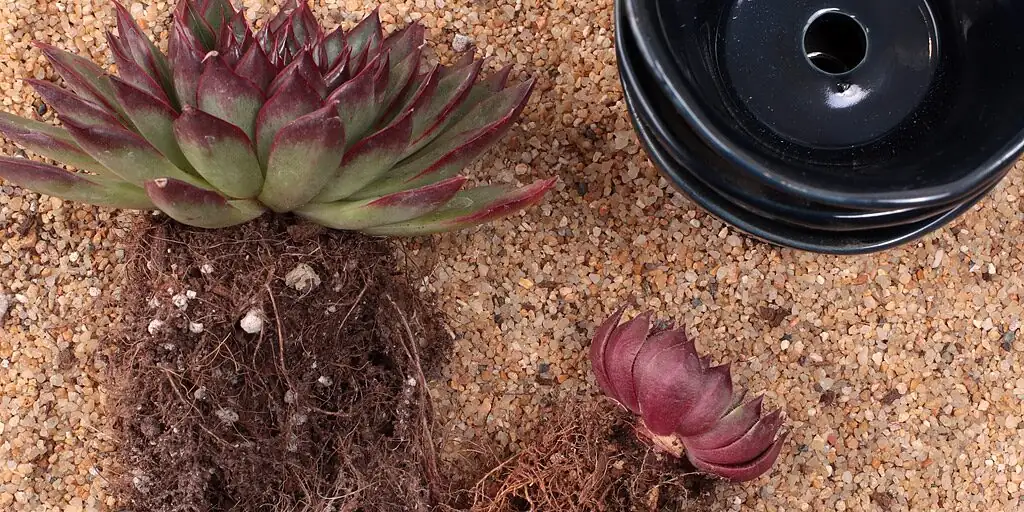
- Mix: Very free-draining cactus/succulent blend bolstered with mineral grit, pumice, or similar.
- Pot: Drainage holes are non-negotiable. Terracotta breathes and speeds dry-down.
- After repotting: Keep dry 5–7 days to let roots settle and small wounds callus.
Common pitfalls and quick fixes
- Overwatering/poor drainage: The number one issue. If the base softens, unpot, remove rot, let healthy pieces callus, and re-root in dry, gritty mix.
- Pests: Mealybugs, scale, and spider mites hide between offsets. Swab with alcohol or use insecticidal soap; improve airflow and light.
- Humidity: Low to average is best; stagnant, humid air invites trouble.
Safety and placement
- Placement: Sunniest window, bright greenhouse, or sheltered patio/balcony in warm months. Shield from prolonged rain.
- Cold: Not frost-hardy; best outdoors year-round only in frost-free regions (roughly USDA 10–12).
- Handling: Spines and sap can irritate. Keep out of reach of curious kids and pets.
Bloom notes and meaning
- The moment: Pink flowers in summer are typically short-lived—often a one-day wonder that opens with the sun and calls it quits by evening.
- Symbolism: Like many cacti, it’s often associated with resilience and patient endurance—fitting for a plant that saves its show for the right season.
- About “flower language”: Victorian “flower language” tried to codify plant meanings, but with cacti it’s more cultural than codified. Here, the message is simple: survive the lean season, and beauty follows.
Why this calendar works
You’re mirroring a desert’s year: bright, warm seasons with intermittent rain and lean, cool, bone-dry winters. That cycle protects roots, fuels compact growth, and nudges your Sandcastle Cactus to reward you with those fleeting pink crowns in summer.
Sculpt the seasons with light first. Let water and feed follow. Do that, and your little “castle” will keep adding charming turrets—and, when summer returns, send up its quiet fireworks.