

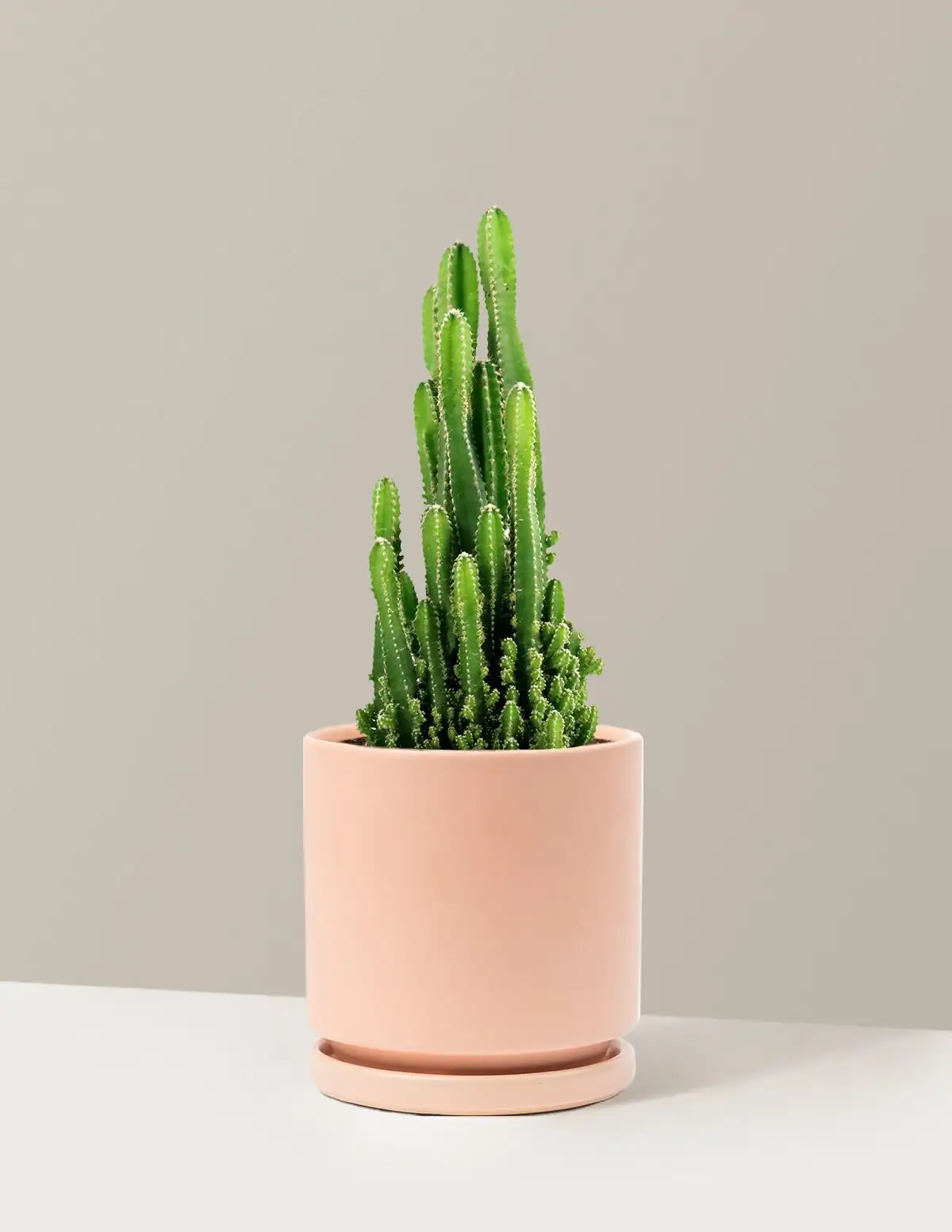
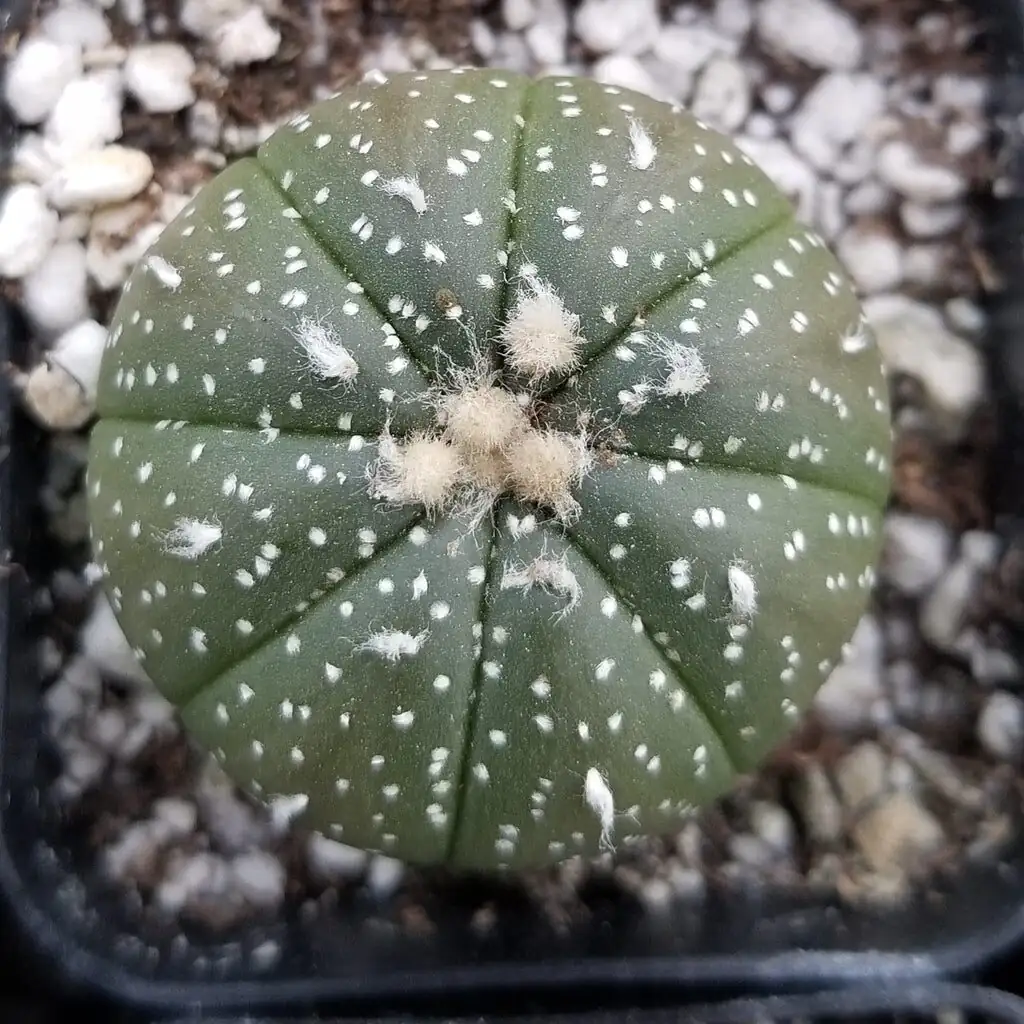
Sun pours across the room, catching on a cluster of knobbly turrets like a miniature castle at low tide. That’s the Sandcastle Cactus—an irresistibly sculptural houseplant trade form with a ribbed central stem and pudgy offsets that look like little ramparts. Treat it like a sun-loving desert muse and it will reward you with crisp texture, a tight silhouette, and—if you’re lucky—blink-and-you-miss-them pink summer blooms.
Here’s how to style it beautifully indoors with mineral top-dressings, low bowls, and light-drenched vignettes—while keeping rot and shade firmly at bay.
Meet the Sandcastle Cactus, Your Miniature Desert Sculpture
- Identity: A cultivated, trade-name cactus with an unknown exact species/cultivar. Think: novelty, offsetting habit, and architectural charm.
- Look: A ribbed main stem sending out rounded side stems that gradually form a knobbly mound. Occasional short-lived pink flowers in summer.
- Size: Often sold at 10–25 cm (4–10 in) tall; tends to widen over time as offsets multiply.
Light: Let the Sun Stage-Manage the Show
- Aim for 4–6+ hours of direct sun each day. A south- or west-facing window is prime real estate.
- Acclimate gradually to prevent scorch: increase direct sun by about 30–60 minutes every few days.
- Rotate the pot every couple of weeks for even growth—unless you prefer a sun-kissed, asymmetric character.
The Low-Bowl Advantage
Low bowls emphasize the cactus’s mound-forming habit and invite curated, mineral-rich topscapes.
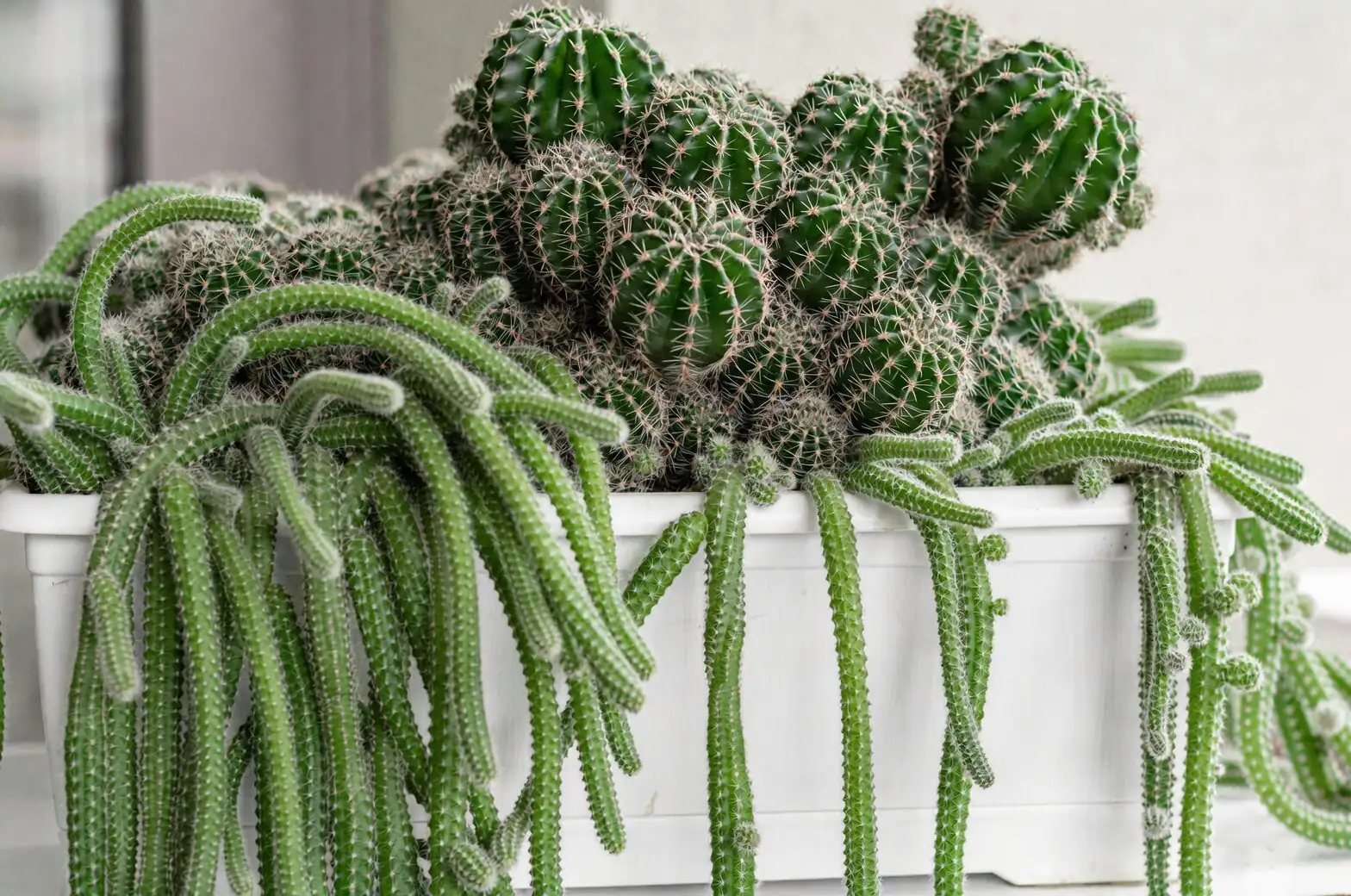
- Shape: Choose a wide, shallow bowl to echo the plant’s spreading offsets.
- Material: Unglazed terracotta breathes and helps prevent rot; glazed ceramic works well if drainage is excellent.
- Drainage: A must. Always use a pot with a drainage hole.
- Mix: Very free-draining cactus blend bolstered with mineral grit (pumice, lava rock, or crushed granite).
Proportions That Flatter
- One-part statement: Center a single, healthy cluster slightly off-center for a modern, gallery vibe.
- Duo or trio: Combine two to three clusters of different sizes; keep the tallest at the visual “peak,” roughly one-third in from an edge.
Mineral Top-Dressings: Your Plant’s Wardrobe
Top-dressing turns a pot into a landscape and keeps necks dry—great for rot prevention if used wisely.
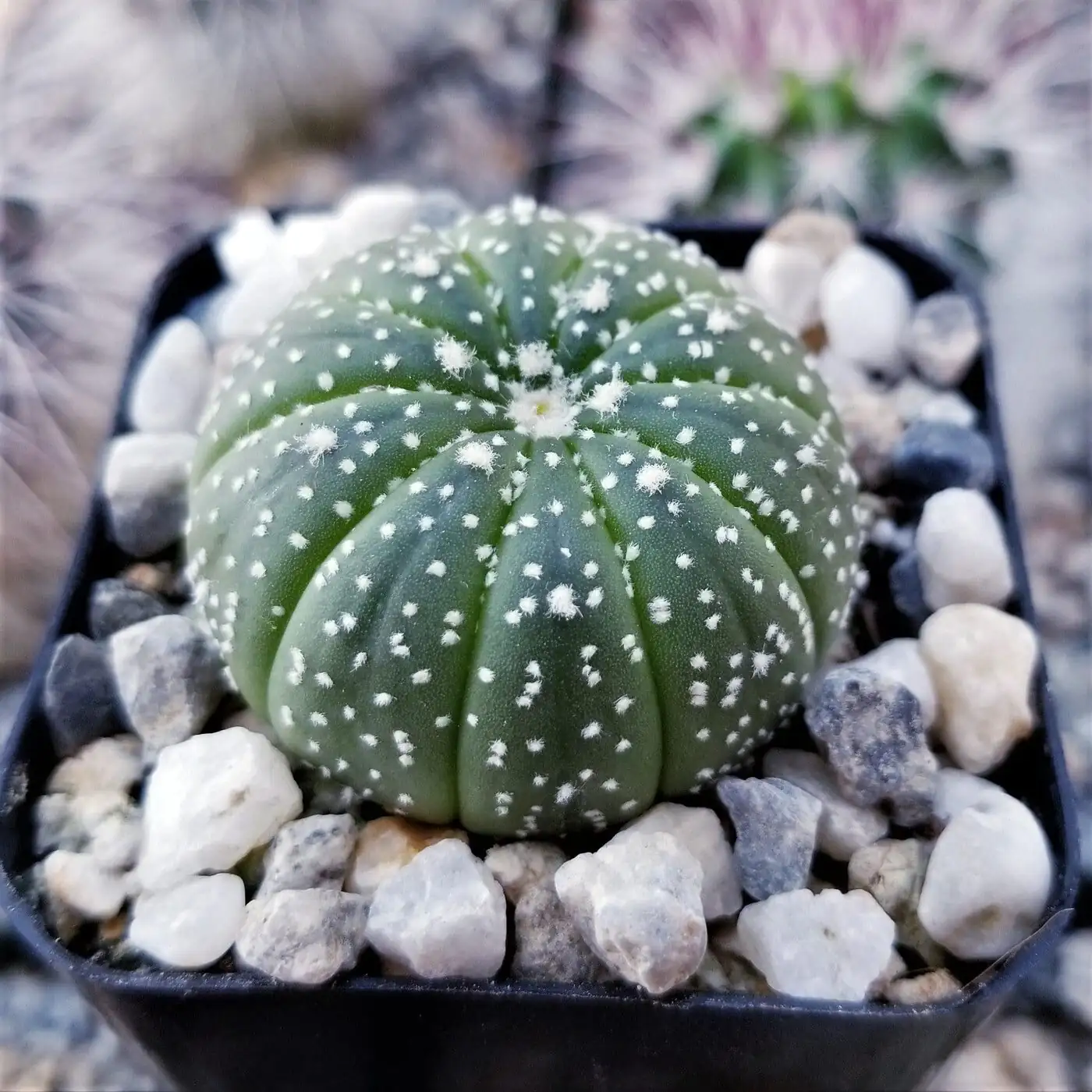
Textures and Colors That Pop
- Black lava rock (dramatic, matte; anchors green bodies)
- Pale crushed granite (airy, minimalist; brightens dim corners visually)
- Pumice (light, porous; excellent airflow)
- Green zeolite (subtle sage-green hue; crisp, modern)
- Akadama (bonsai-grade clay; beautiful but breaks down over years—best as a thin, aesthetic layer, not structural drainage)
- Aquarium gravel (budget-friendly; rinse well to remove dust)
How Much Is Too Much?
- Depth: 1–2 cm (about 1/2–3/4 in) is plenty. Never bury the stem base or “collar.”
- Slope: Create gentle berms to suggest dunes and guide the eye.
- Negative space: Leave a smooth “desert plain” around the plant for a serene look.
Composing a Sunlit Xerophyte Scene
Pairing is about matching light, water, and mood. Keep it desert-bright and mineral-forward.
Compatible Companions
- Small aloes and miniature agaves (bold geometry; similar sun needs)
- Echeverias and tightly stacked graptopetalums (rosettes soften the cactus’s knobbly texture)
- Compact crassulas (add rhythm without crowding)
- Fine-leaved stonecrops for a dotted, groundcover effect in the bowl
Avoid shade-lovers and thirstier plants. Jungle cacti and stringy trailers often prefer less sun and more frequent water—save those for another vignette.
Layout Tips
- Rhythm over clutter: Repeat one gravel color and one accent stone to unify the scene.
- Scale play: Tuck a single, flat “stepping-stone” rock to suggest horizon and depth.
- Breathing room: Give each plant a finger-width halo to avoid moisture traps where stems meet the substrate.
Water Without Worry: Rot-Proofing the Routine
- Soak, then dry completely. In warm, bright rooms this might be every 10–21 days. In winter, water sparingly or not at all if kept cool.
- Never let the pot stand in water.
- After repotting, keep dry for 5–7 days before the first drink.
- Airflow matters: Bright, breezy spots discourage mold and mealybugs.
- Temperature sweet spot: 18–30°C (64–86°F). Protect from chills, especially if the soil isn’t bone-dry; keep above roughly 5–10°C (41–50°F).
Styling Vignettes in Real Rooms
Sun-Flooded Windowsills
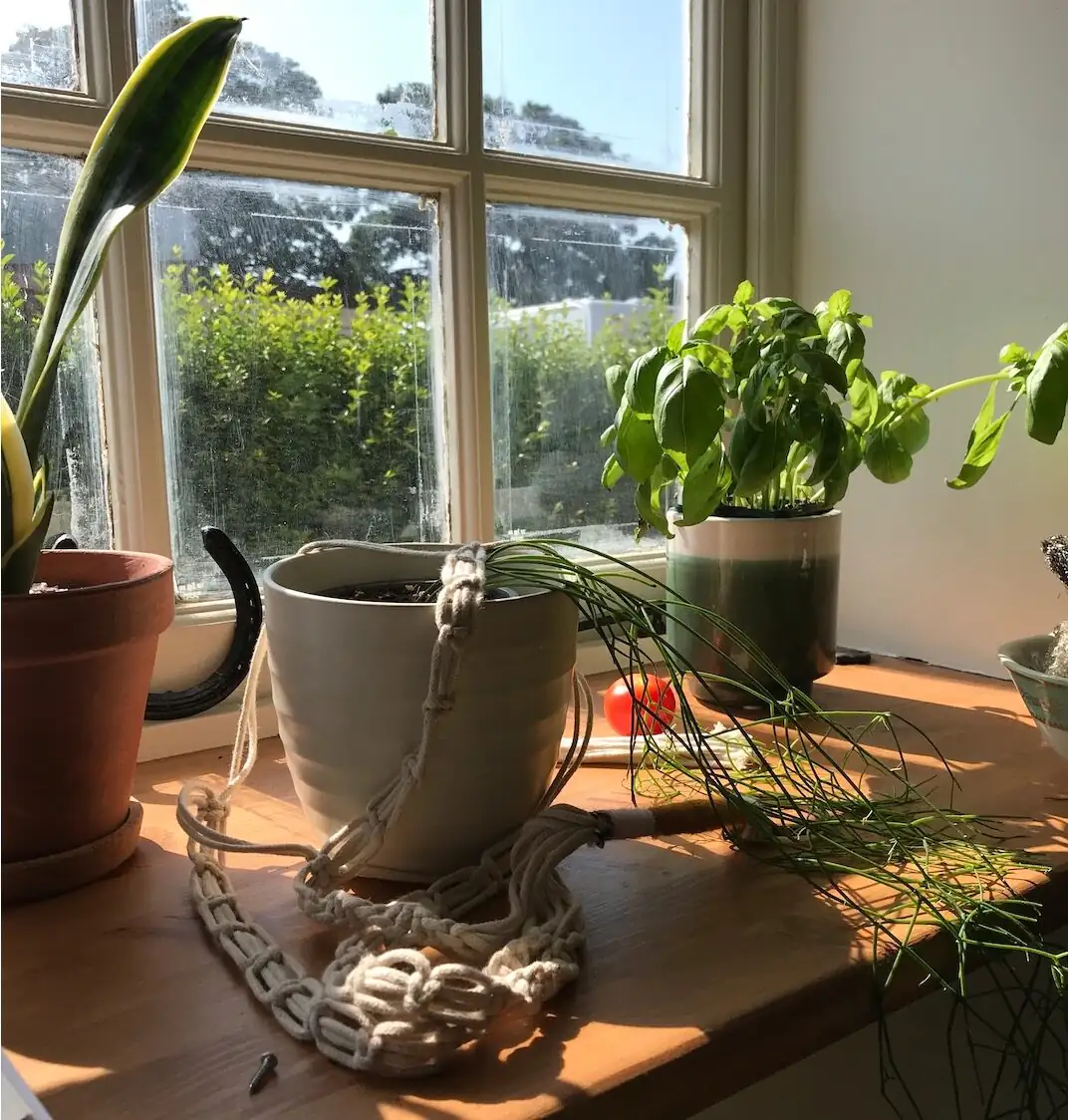
- South- or west-facing is ideal. Line a few low bowls in a loose stagger, all with matching top-dress color for cohesion.
- Use a matte tray under the pots to frame the “mini desert” and catch stray grit.
Coffee Table Glow
- Morning light? Choose pale granite or pumice to bounce light and keep the scene bright.
- Add a single sculptural book underneath the bowl for elevation; avoid overwatering near soft furnishings.
Entry Console, Gallery Mood
- One hero bowl under a beam of afternoon sun. Pair with a minimal metal frame or travertine slab. Let shadow-lines do the talking.
Balcony Moments (Warm Seasons Only)
- Shelter from heavy, prolonged rain. The cactus loves strong light but hates waterlogged mix.
Bloom Notes: Fleeting Pinks of Summer
- Expect short-lived pink flowers in summer—sometimes just a day of magic.
- Best chance: strong light, a warmer growing season, and a cooler, drier winter rest.
Simple Care Cheatsheet
- Light: 4–6+ hours of direct sun.
- Water: Deeply, then let the mix dry fully; far less in winter.
- Soil: Gritty, fast-draining cactus mix with added mineral amendments.
- Feeding: Lightly in spring–summer, 1/4–1/2 strength every 4–6 weeks. Skip in winter.
- Repot: Every 2–3 years or when pot-bound; keep dry for a week after.
- Pests: Check crevices for mealybugs; watch for scale and spider mites. Improve airflow; use alcohol swabs or insecticidal soap if needed.
Buying and Handling
- Choose plants that feel firm—no soft spots or sour smells.
- Inspect the base and the nooks between offsets for mealy fluff.
- Spines can irritate skin; use tongs or folded paper when repositioning.
Design Troubleshooting
- Soft base or musty smell: Likely rot. Unpot, remove soggy tissue, let healthy pieces callus, and re-root in dry, gritty mix.
- Pale, stretched growth: Needs more sun. Move to a brighter window and reduce watering cadence.
- Wrinkling despite frequent water: Paradoxically, may be staying too wet between drinks. Let it dry longer; verify drainage.
Offsets: Multiply the Magic
- Twist or cut a small offset; let it callus 3–7 days.
- Place on dry, gritty mix. Begin watering only after roots start forming.
- Style tiny rooted pups in miniature bowls with a single-note top-dressing for adorable table accents.
Symbolism and the “Flower Language” Perspective
Cacti often symbolize resilience, patience, and quiet endurance—apt for a plant that thrives on strong light and careful restraint. As for “flower language” (花语), many of these meanings are modern associations rather than ancient, codified traditions. With the Sandcastle Cactus, the brief pink bloom can read as a reminder to savor fleeting joys: a day of color after months of steady growth. It’s less a scripted message, more a poetic nudge from nature to notice the moment.
Seasonal Styling Calendar
- Spring–Summer: Maximize sun; water only after a full dry-down; feed lightly. Consider bold black lava or green zeolite to frame fresh growth.
- Autumn: Reduce water as days shorten; swap to pale granite for a softer, seasonal palette.
- Winter: Keep bright and cooler if possible, and very dry. Terracotta bowls shine here—breathable and beautifully understated.
Bring the desert indoors with intention: a low bowl, a mineral canvas, and a sunny stage. The Sandcastle Cactus doesn’t need coddling—just light, air, and a thoughtfully dressed home to turn every windowsill into a quiet, elegant landscape.