

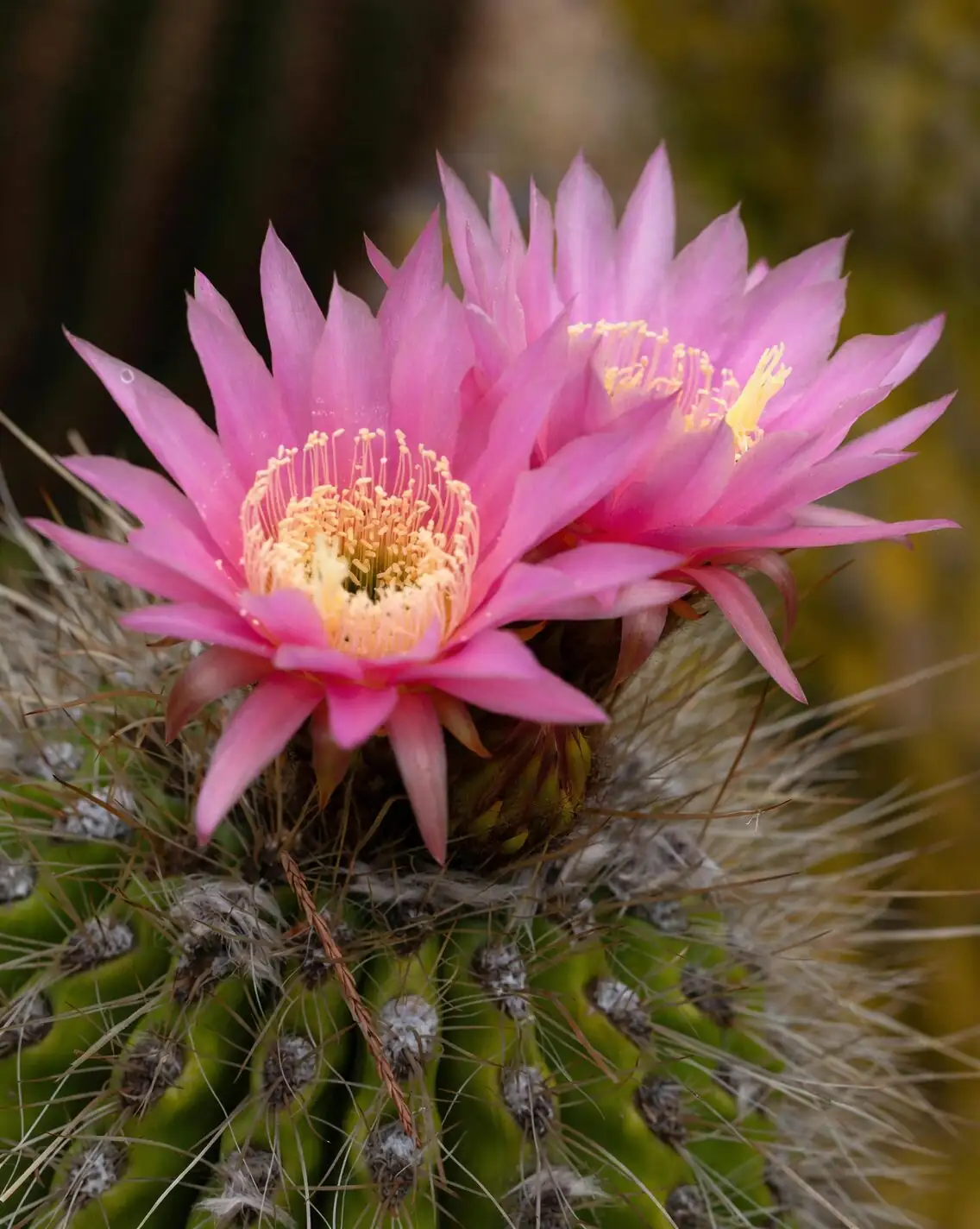
Cacti speak in a language of paradoxes: tough yet tender, guarded yet generous, spare yet spectacular for a fleeting day. In the modern “flower language” revived across East Asia in the 20th century, a cactus on the windowsill or desk didn’t just mean “I like plants.” It conveyed resilience, protection, and a love patient enough to wait for a rare bloom. Today, that message still lands—especially when the plant itself looks like a tiny fortress.
How a prickly plant learned to say “I care”

Floriography—the idea that plants carry coded meanings—didn’t stop with Victorian nosegays. In East Asia, 20th‑century floristry, department‑store gifting, and home décor trends refreshed the vocabulary:
- Japan’s hanakotoba associated houseplants and cut flowers with specific messages that could be “read” without words. The cactus, with formidable spines and a surprisingly soft core, became shorthand for strength and, in some lists, even attraction—love that burns hot behind a guarded exterior.
- In Chinese- and Korean-language gifting cultures, modern 花语 (the “language of flowers”) framed potted plants as living wishes: prosperity, safety, endurance. Small desk cacti fit urban life and survived office neglect, so they took on a reputation for staying power and quiet loyalty.
- Feng‑shui‑inspired decorating popularized the idea of placing cacti near entries or windows as symbolic guardians that deflect “bad vibes”—a visual metaphor of defense at the threshold.
Blended together, these strands gave cacti a distinctly modern message: I want you safe; I know you’re strong; I’ll wait for you to bloom in your own time.
Decoding the cactus message: resilience, protection, patient love
When you gift—or display—a cactus, you’re sending a compact poem of intention.
- Resilience
- What it says: “You endure.” Cacti store water, ration light, and thrive where others falter.
- How it reads at home: A daily emblem of stamina during exams, startups, recoveries, and reinventions.
- Protection
- What it says: “I’m looking out for you.” Spines broadcast boundaries; the plant survives precisely because it says “no.”
- How it reads at home: A symbolic guardian on a windowsill or entry console—your little sentinel with a helmet of thorns.
- Patient love
- What it says: “I’ll wait for your season.” Many cacti reward patience with brief, luminous flowers that vanish in a day.
- How it reads at home: Love that respects timing and celebrates rare moments when they arrive.
Meet the Sandcastle Cactus (trade name)
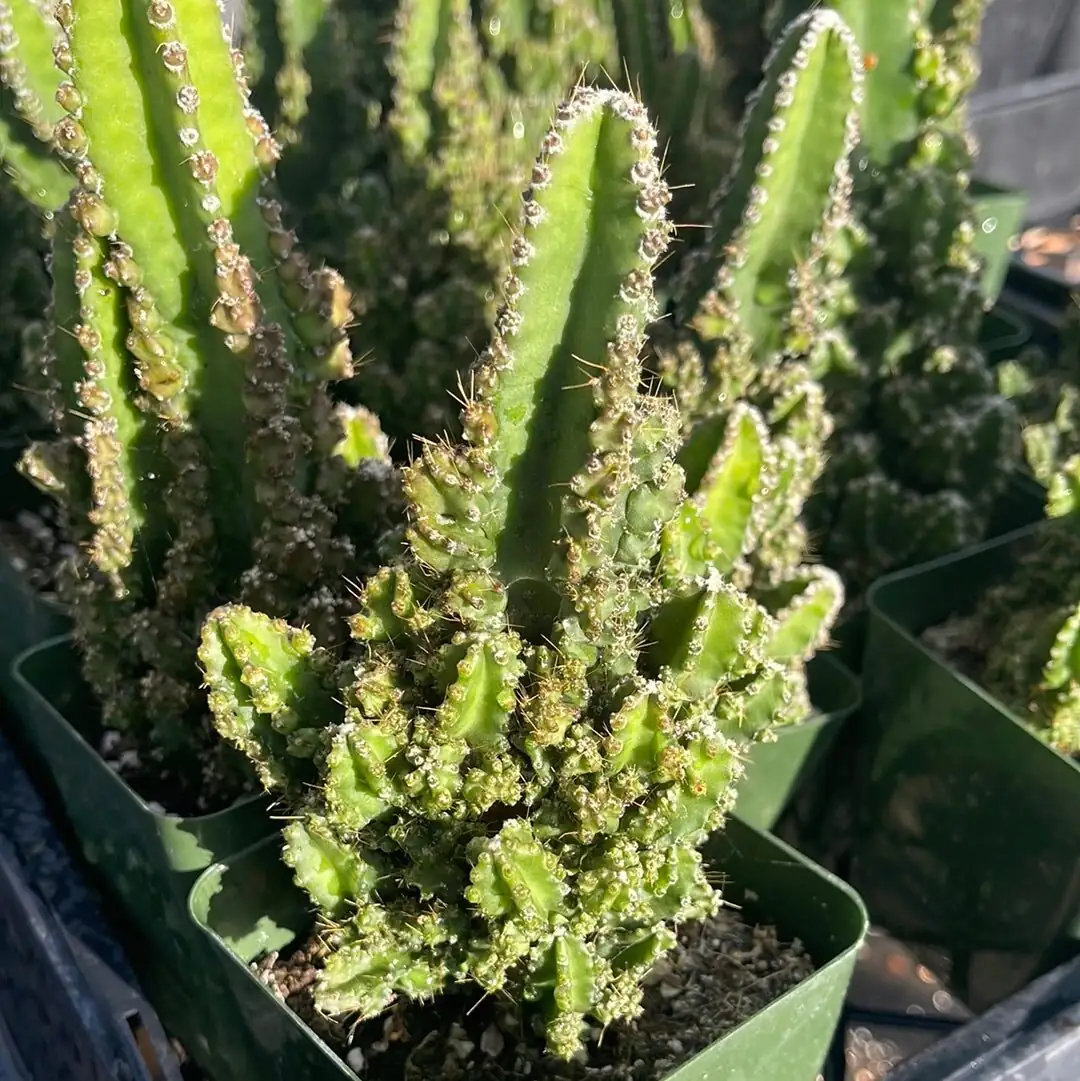
The Sandcastle Cactus is a whimsical, sculptural novelty sold under a trade name; the exact species/cultivar and even genus aren’t confirmed. Think of a toy fortress done in living green:
- Look and habit: A larger ribbed central stem sprouts many small, rounded side stems—like stacked turrets—forming a knobbly, clustered mound over time.
- Summer surprise: Delicate pink flowers can appear in warm months, often opening only briefly before fading. Blink, and you’ll miss them—but when they show, they’re charming.
- What it symbolizes especially well:
- Resilience in community: those multiplying offsets suggest strength that grows by sharing.
- Protection: the “turrets” echo ramparts.
- Patient love: short‑lived blooms that reward waiting.
Because this is a cultivated trade plant widely sold as a houseplant, its exact wild origin isn’t documented from the available data. Family: Cactaceae.
Where to place a cactus for the message you want

- By a bright window (south or west): the classic “guardian of light.” If you enjoy feng‑shui‑inspired decorating, a windowsill cactus is a symbolic bouncer for negative energy—and a practical spot for maximum sun.
- On a work desk: your resilience totem. It says, “We’re playing the long game,” and thrives on the same consistency your projects need.
- On a shared shelf at home: a family emblem of respectful boundaries and steady care.
- Safety note: Spines can irritate skin; keep away from where hands reach blindly (like a crowded nightstand) and out of children’s and pets’ paths.
How to present a cactus so the meaning lands
- Pair with a note:
- “For your strength in every season.”
- “A small fortress for your window—may it guard your peace.”
- “For love that blooms in its time.”
- Choose a vessel that tells the story:
- Raw clay or stoneware = grounded resilience.
- Minimalist white = calm protection.
- A shallow bowl to showcase offsets = patient love that multiplies.
Caring for the symbolism (and the plant)
Let the way you care reinforce the message.
- Light = confidence
- Bright light to full sun, ideally 4–6+ hours daily. Acclimate gradually to prevent sun scorch.
- Water = trust and restraint
- Soak thoroughly, then let the mix dry out completely before watering again. In warm, bright conditions, that’s often every 10–21 days; in winter, much less—sometimes not at all if kept cool.
- Soil = good boundaries
- Use a very free‑draining cactus/succulent mix; add grit or pumice for extra aeration.
- Temperature and humidity
- Best at 18–30°C (64–86°F). Keep above about 5–10°C (41–50°F), especially if the mix isn’t bone‑dry. Average indoor humidity is fine; avoid stagnant, damp air.
- Feeding and rest
- Light feeding in spring–summer with diluted cactus fertilizer every 4–6 weeks. No feeding in winter; let it rest and stay drier.
- Pruning and propagation
- Usually unnecessary. To propagate, remove a small offset, let it callus 3–7 days, then set it on dry, gritty mix to root. Begin very light watering only after roots form.
- Health watch
- Biggest risk: rot from excess moisture. If the base gets soft, stop watering, increase light/airflow, and consider unpotting to remove rot; healthy pieces can sometimes be re‑rooted after callusing.
- Pests: check crevices for mealybugs; treat with alcohol swabs or an appropriate insecticidal soap.
- Safety
- Not known to be highly toxic, but spines and sap can irritate skin; chewing may cause mild gastrointestinal upset. Keep away from curious mouths and paws.
Why cactus flowers feel like love letters
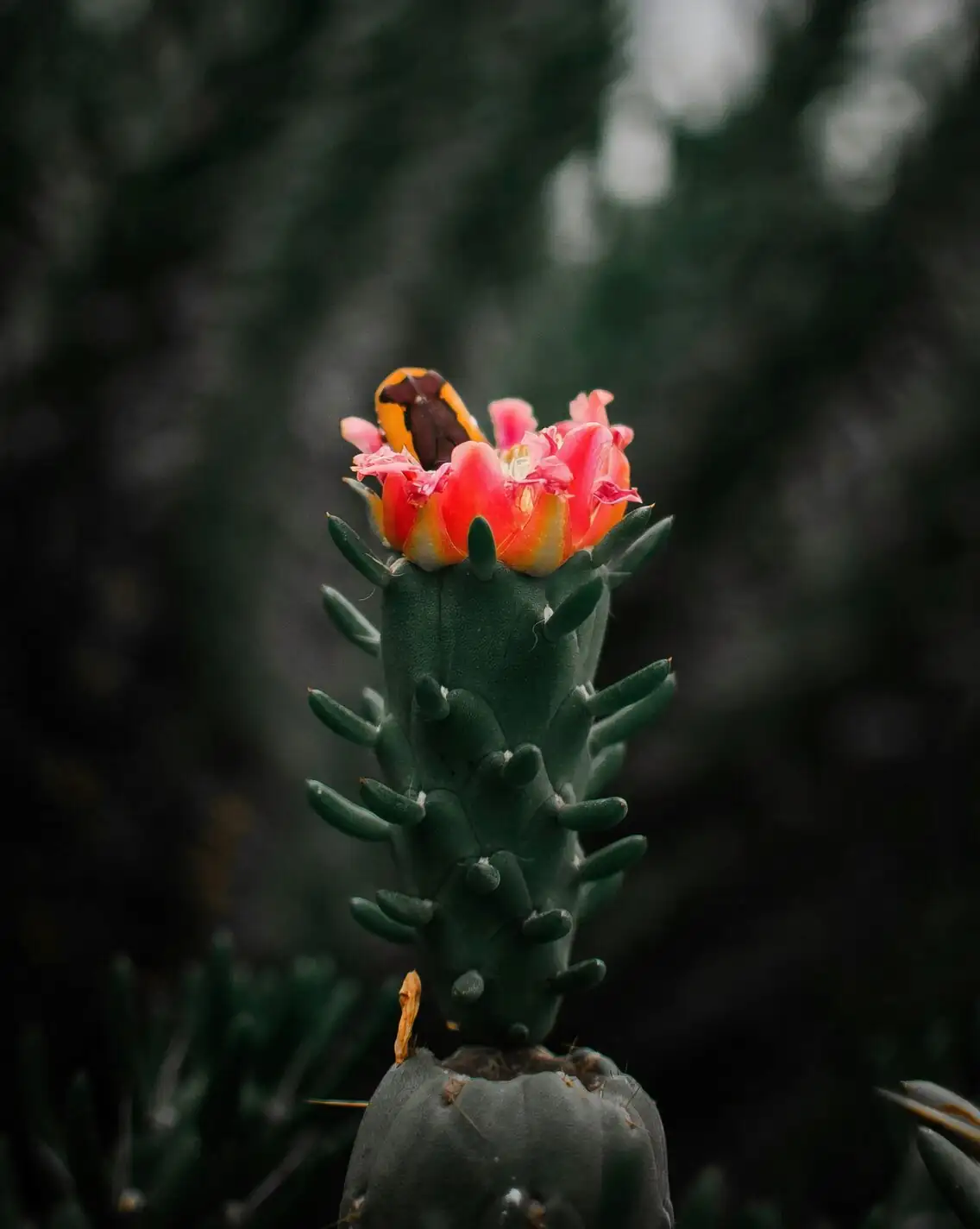
Cactus blooms—like the Sandcastle Cactus’s fleeting pink flowers—are often short‑lived. That ephemerality is part of the message:
- They’re rare. Patience, not pressure, coaxes them out.
- They’re bright. A flash of joy rewards steady, quiet care.
- They’re honest. After the bloom, the plant returns to its work of enduring—beauty and backbone in the same pot.
Modern twists on an old code
The cactus has joined our digital vocabulary too: an emoji of tenacity, a meme for “tough love,” and a favored prop in minimalist interiors that celebrate clean lines and calm rules. Yet the core meanings given by 20th‑century East Asian gifting culture still hold: resilience you can touch, protection you can see, and love measured not just in blossoms but in years of steadfast green.
Quick symbolism FAQ
- Is gifting a cactus ever “too sharp” a message?
- Context is everything. With a warm note, a cactus reads as support, not standoffishness—especially for someone who appreciates modern design or low‑maintenance plants.
- Why don’t the flowers last?
- Many cactus blooms are naturally brief—often a day. Strong light, a warm bright summer, and a drier, cooler winter rest improve the chances of seeing them again.
When you hand someone a cactus—particularly a sculptural little “sandcastle” with turreted offsets—you’re offering more than a plant. You’re giving a promise: I’ll respect your boundaries, root for your strength, and celebrate your rare, beautiful moments whenever they arrive.