

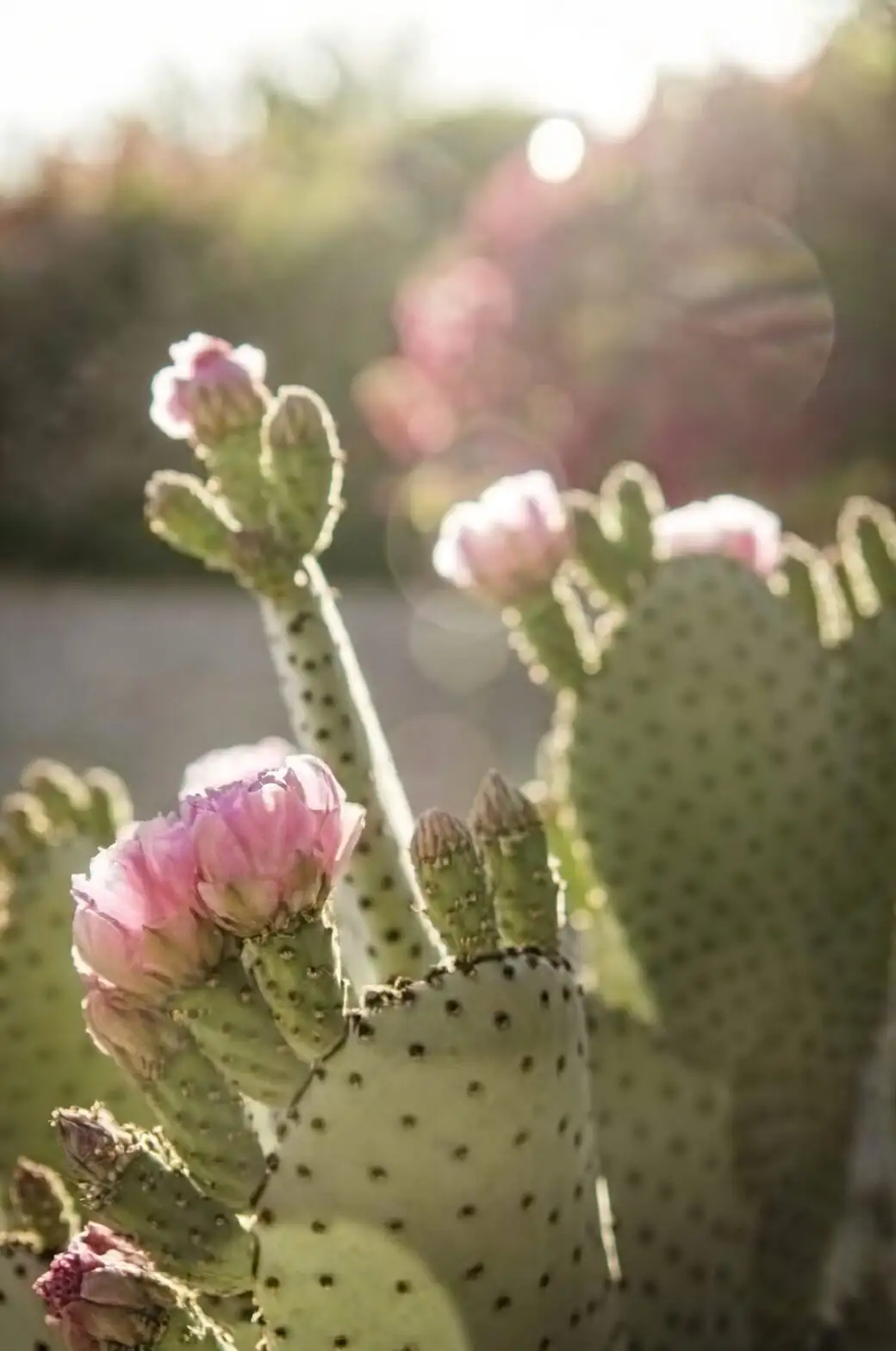
Imagine a tiny fortress that spends all year quietly stacking turrets—then, when summer hits, it hoists a single pink flag for a day and calls it a festival. That’s the Sandcastle Cactus: knobbly, charismatic, and hilariously dramatic about its short-lived blooms.
Meet the Sandcastle Cactus (the delightful mystery)
- Trade identity: Sold under the nickname “Sandcastle Cactus,” its exact species or cultivar isn’t confirmed. Think of it as a quirky, cultivated cactus form rather than a botanically documented wild species.
- Family: Cactaceae. Genus unconfirmed in the trade.
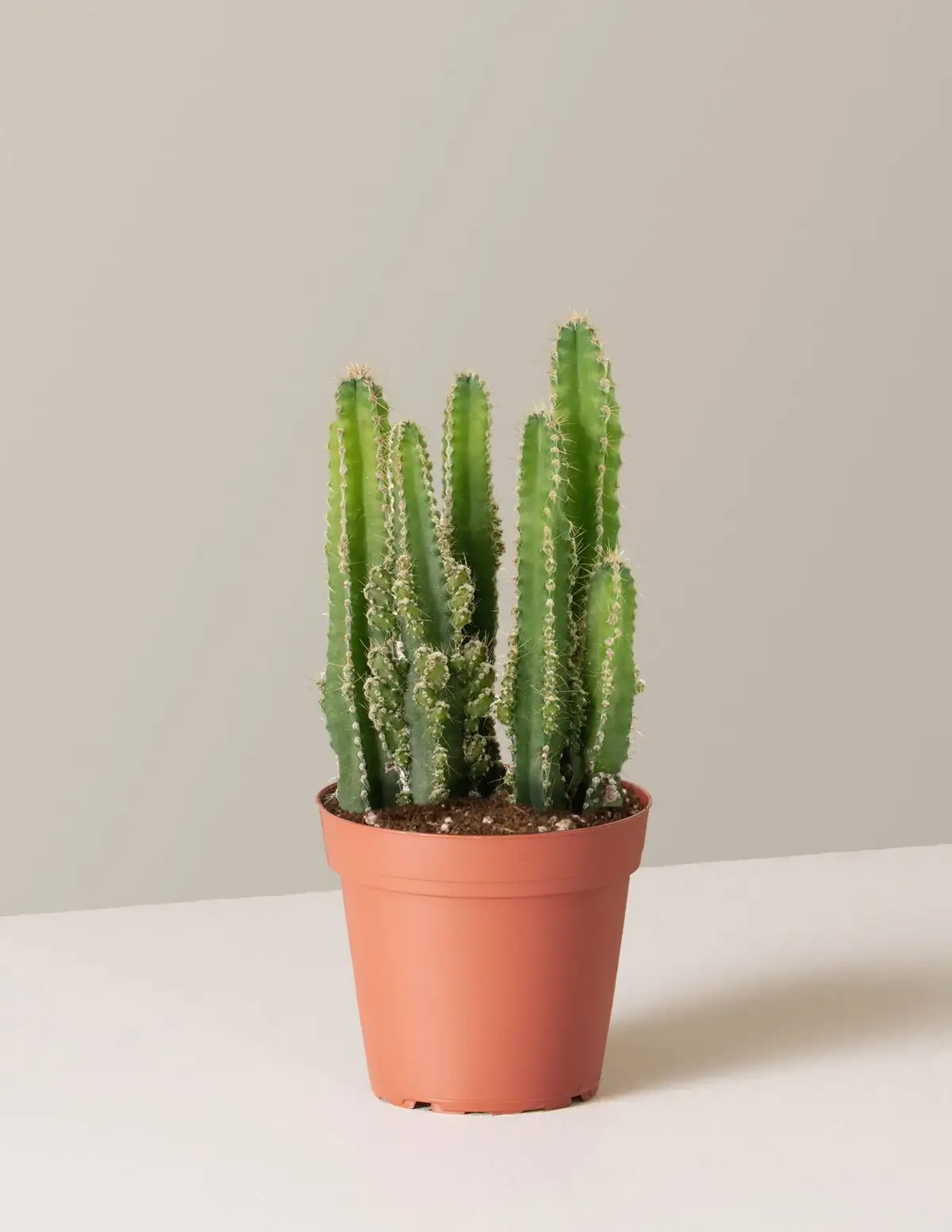
- Signature look: A ribbed main stem dotted with rounded offsets—little turrets that cluster into a textured, sculptural mound.
- Size: Commonly sold at about 10–25 cm (4–10 in) tall; gets broader over time as pups multiply.
- Flowers: Summer brings brief, pink blooms—often a blink-and-you’ll-miss-it moment that may last only a day.
Blink-and-gone blossoms: why are summer cactus flowers so short-lived?
Cacti are master strategists. Their flowers are gorgeous, yes—but they’re also tactical pop-ups designed for maximum pollination with minimal resource spending.
The stopwatch of the desert
- Pollinator timing: Many cacti sync bloom opening with the exact shift change of their preferred pollinators. Day-bloomers cater to bees and butterflies when light is strong; night-bloomers woo moths and bats in the cool dark. Your Sandcastle Cactus typically puts on a brief pink summer show—often just one day.
- Energy economics: Making flowers is expensive in arid environments. A short bloom window conserves water and sugars while still doing the reproductive job.
- Temperature sweet spot: Petals and pollen are finicky. Hot afternoons and harsh UV can wilt or desiccate tissues; cooler morning or evening openings can be the winning ticket. Once pollination chances drop, there’s no reason to keep the lights on.
- Mission accomplished: After pollen transfer, many cactus blooms close up or fade quickly. Why keep a party going when the guest of honor already left?
How to actually catch the show
- Give maximal light in spring and summer and a brighter, cooler, much drier winter rest to set buds.
- Watch closely on warm, bright summer mornings—flowers may open for a day, then crumple by evening or the next day.
- Keep a camera handy. And maybe cancel afternoon plans.
Architecture 101: how offsets build a turreted silhouette
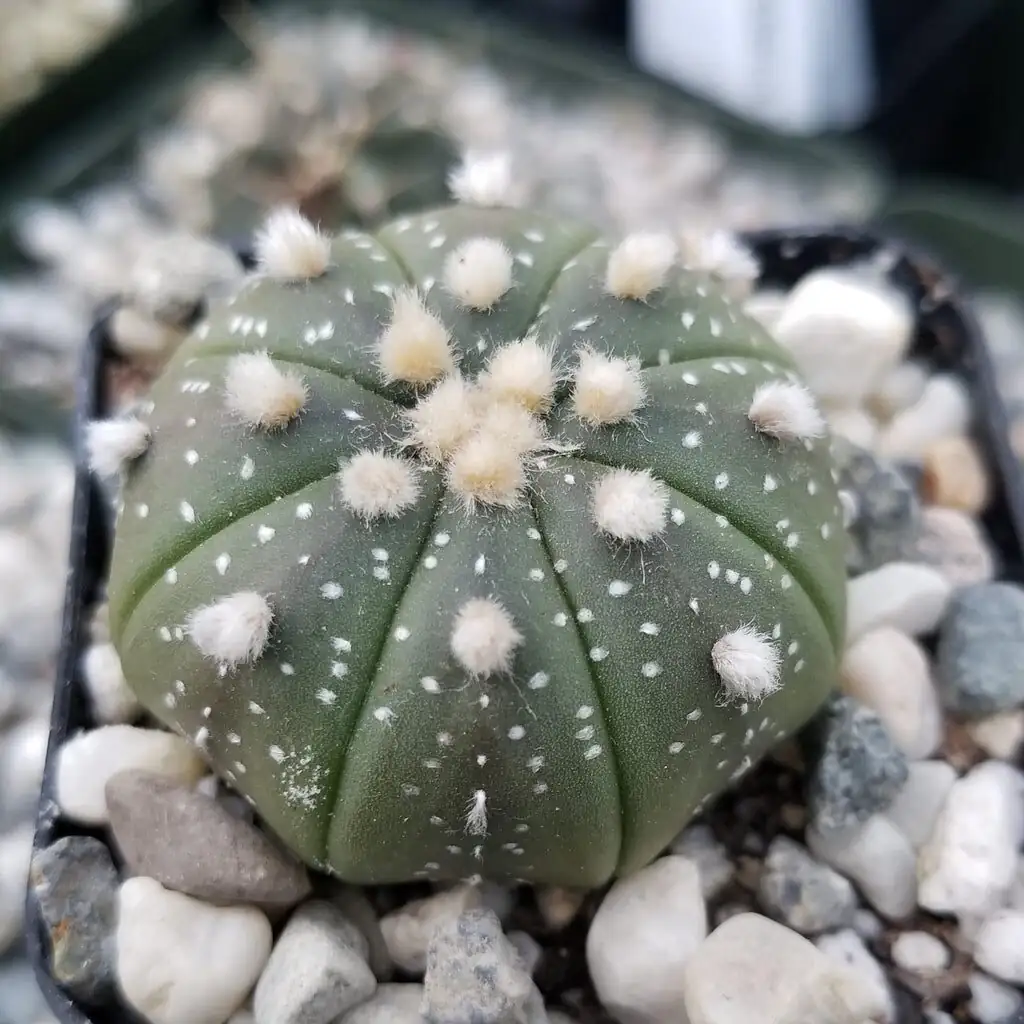
The Sandcastle Cactus looks like a tiny citadel because it multiplies. The ribbed main stem sprouts rounded side shoots (offsets) from areoles—those tiny growth hubs where spines, flowers, and pups originate. Over time, those pups pup again, transforming a single column into a clustered, knobbly mound.
Why clumping is clever
- Safety in numbers: If one stem is damaged, the clone colony lives on.
- Sun-smart design: Many small domes share light while shading each other’s bases, reducing scorch and moisture loss.
- Stability: A low, many-headed form is more storm-, paw-, and elbow-proof than a lone spire.
- Propagation perk: Nature’s LEGO—twist off a pup, root it, and you’ve got a new turret starting its own keep.
Light, water, and the golden rules (care made fun—and successful)
- Sunlight
- Bright light to full sun. Aim for 4–6+ hours of direct sun daily.
- Acclimate gradually to avoid sun scorch, especially when moving outdoors.
- Temperature
- Best growth: 18–30°C (64–86°F).
- Keep above about 5–10°C (41–50°F), especially if the soil isn’t bone-dry.
- Humidity
- Low to average is best. Avoid stagnant, humid air.
- Soil
- Very free-draining cactus/succulent mix.
- Supercharge drainage with mineral grit, pumice, or similar amendments.
- Watering
- Soak thoroughly, then let the mix dry out completely before watering again.
- In warm, bright seasons: usually every 10–21 days, but follow the soil, not the calendar.
- In winter: water very sparingly (or not at all if kept cool). Never let the pot sit in water.
- Feeding
- Light meals in spring and summer: cactus fertilizer at 1/4–1/2 strength every 4–6 weeks.
- No feeding in winter.
- Placement
- Sunniest windowsill (south or west), a bright greenhouse, or a sheltered balcony/patio in warm weather. Protect from prolonged rain.
- Hardiness
- Not frost-hardy; outdoors year-round only in frost-free climates (roughly USDA 10–12).
- Repotting
- Every 2–3 years or when root-bound, ideally in spring. Use a pot with drainage holes and a gritty mix.
- Keep dry for 5–7 days after repotting to reduce rot risk.
- Pruning
- Usually unnecessary—remove only dead or damaged offsets with a clean blade. Let wounds callus before re-rooting or returning to dry mix.
- Propagation by offsets (easy mode)
- Twist or cut off a small rounded stem.
- Allow to callus 3–7 days in bright, dry air.
- Set on dry, gritty mix; begin very light watering only after roots form.
- Seasonal rhythm (your simple calendar)
- Spring–Summer: maximize sun, water only after a full dry-down, and feed lightly.
- Autumn: taper watering as days shorten.
- Winter: keep bright but cooler, and keep much drier.
Troubleshooting: fast fixes
- Flowers don’t last
- That’s normal; many cactus blooms are one-day wonders. Strong light, a distinct winter rest (cooler, drier), and restraint with water and fertilizer improve the odds of future flowering.
- Soft base or a sour smell
- Likely rot from excess moisture or poor drainage.
- Stop watering, increase light and airflow, unpot to inspect. Remove any rot; save firm, healthy pieces by callusing and re-rooting in dry, gritty mix.
- Pale, stretched growth
- Etiolation from insufficient light. Move to stronger sun and acclimate gradually.
- Sun scorch
- Bleached patches after a sudden light upgrade. Pull back a bit and step up light more slowly.
Buying guide: pick a future fortress
- Choose a plant that feels firm and dense—no soft spots or blackening.
- Sniff test: avoid any sour/rotting smell.
- Inspect crevices where stems meet for mealybugs or cottony fluff.
Pests, diseases, and safety
- Usual suspects: mealybugs (in stem joints), scale, spider mites in very dry indoor air.
- Treatment: increase light and airflow; use insecticidal soap or alcohol swabs; consider a systemic insecticide where appropriate and legal.
- Safety: Not known to be highly toxic, but spines and sap can irritate skin. Keep away from pets and kids; chewing may cause mild stomach upset.
Styling your sandcastle
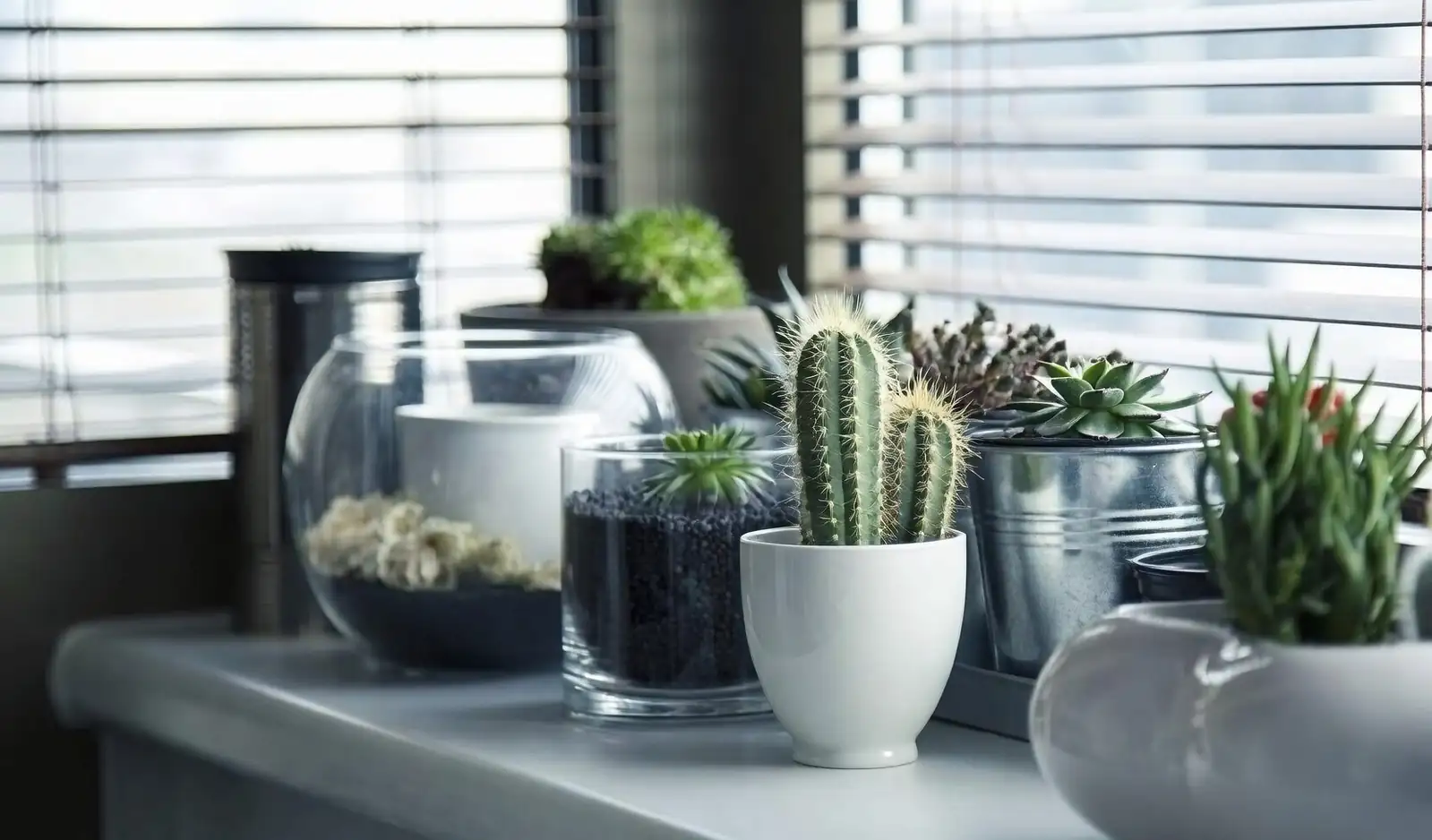
- Give it a bright plinth: a south-facing sill or sun-drenched shelf.
- Dress the soil with mineral top-dressing (crushed granite, pumice) to echo desert textures.
- Outdoors in warm months? Yes—but shelter from heavy rain so the base doesn’t stay wet.
Symbolism and the “flower language” footnote
In modern plant lore, cacti symbolize resilience, patience, and quiet endurance—values that fit a plant thriving on scarcity and rewarding patience with a flash of beauty. The idea of “flower language” (花语), especially popularized in Victorian floriography and later adapted across cultures, assigns meanings to blooms as a social code. While charming, it’s cultural poetry rather than botany. For the Sandcastle Cactus, the message writes itself: enduring structure, fleeting celebration. It spends seasons building turrets, then declares summer with a brief pink banner—resilience paired with the reminder to savor the moment.
Fun facts to share
- Many cactus flowers are timed to brief pollinator rush hours, so they feel like botanical shooting stars.
- That knobbly, clustered “castle” is often the result of cultivated selection—an intentional oddball look that sets it apart from typical wild forms.
- “Sandcastle cactus” is a commercial nickname, so details can vary by seller—treat it like a personality rather than a pedigree.
If you love small dramas in big sun, the Sandcastle Cactus delivers: one-part architectural whimsy, one-part summer spectacle, and a masterclass in timing. Keep it bright, keep it gritty, let it dry—and be ready when the turret unfurls its pink flag.