

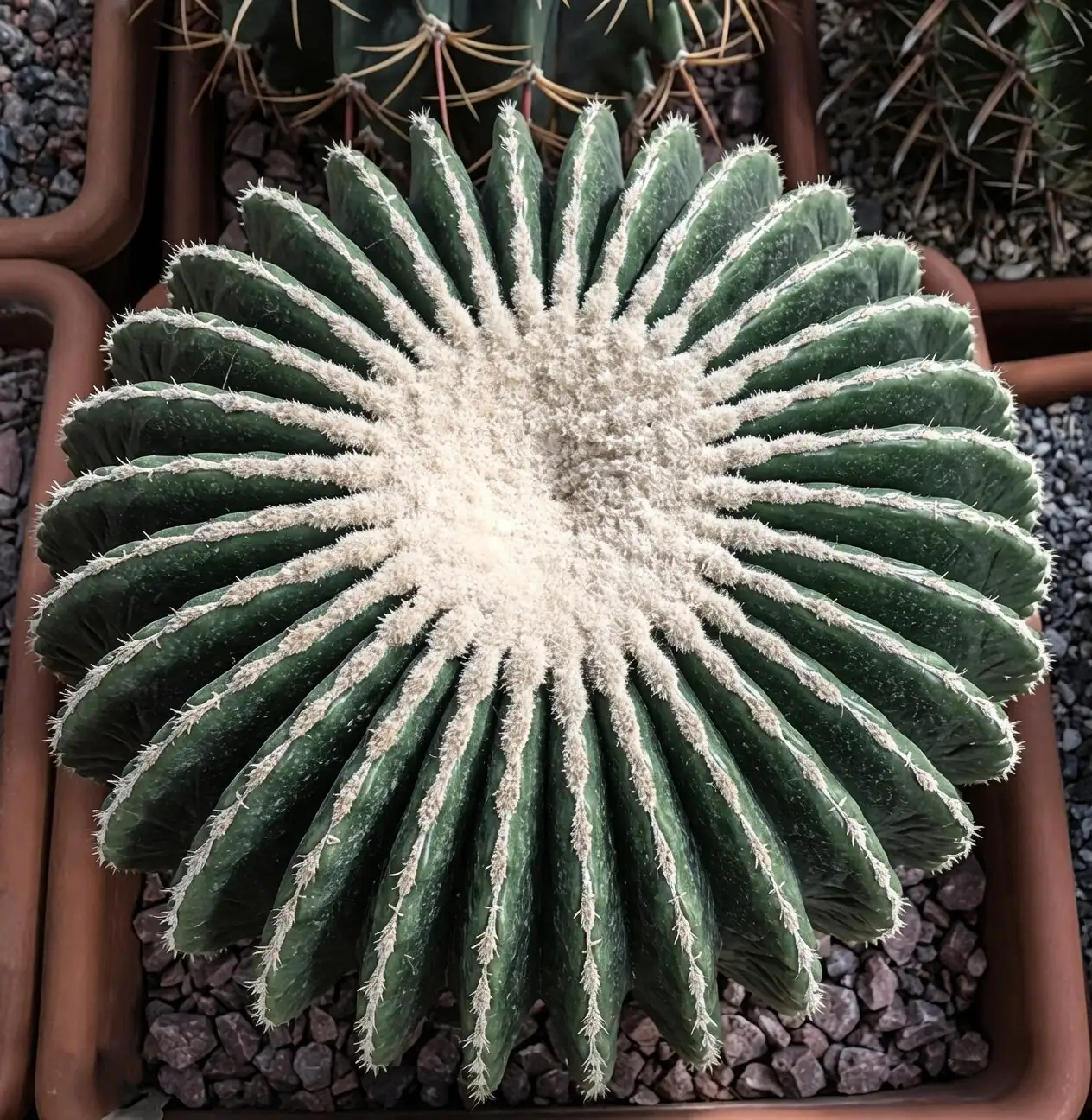
Meet the Sandcastle Cactus: a quirky, knobbly, turret-studded charmer that looks hand-built by desert winds and patience. Sold under a trade name with uncertain lineage, it’s a sculptural houseplant with a ribbed central stem that pops out rounded offsets like little towers. In good summers, it may flash brief pink blooms—here one day, gone the next. The good news? You don’t need a perfect ID to grow it beautifully. Treat it like a sun-loving, desert-type cactus and follow the simple pillars below: gentle light acclimation, watering-by-dryness, gritty soil, and an easy winter rest.
Know your plant (even if the tag is vague)
- Identity: “Sandcastle Cactus” is a trade nickname; exact species/cultivar isn’t confirmed.
- Look: A ribbed main stem surrounded by small rounded offsets—over time it forms a knobbly, clustered mound.
- Size: Typically 10–25 cm (4–10 in) tall in small pots; widens as it offsets.
- Flowers: Pink, short-lived, usually in summer.
Light: how much, and how to acclimate without scorch
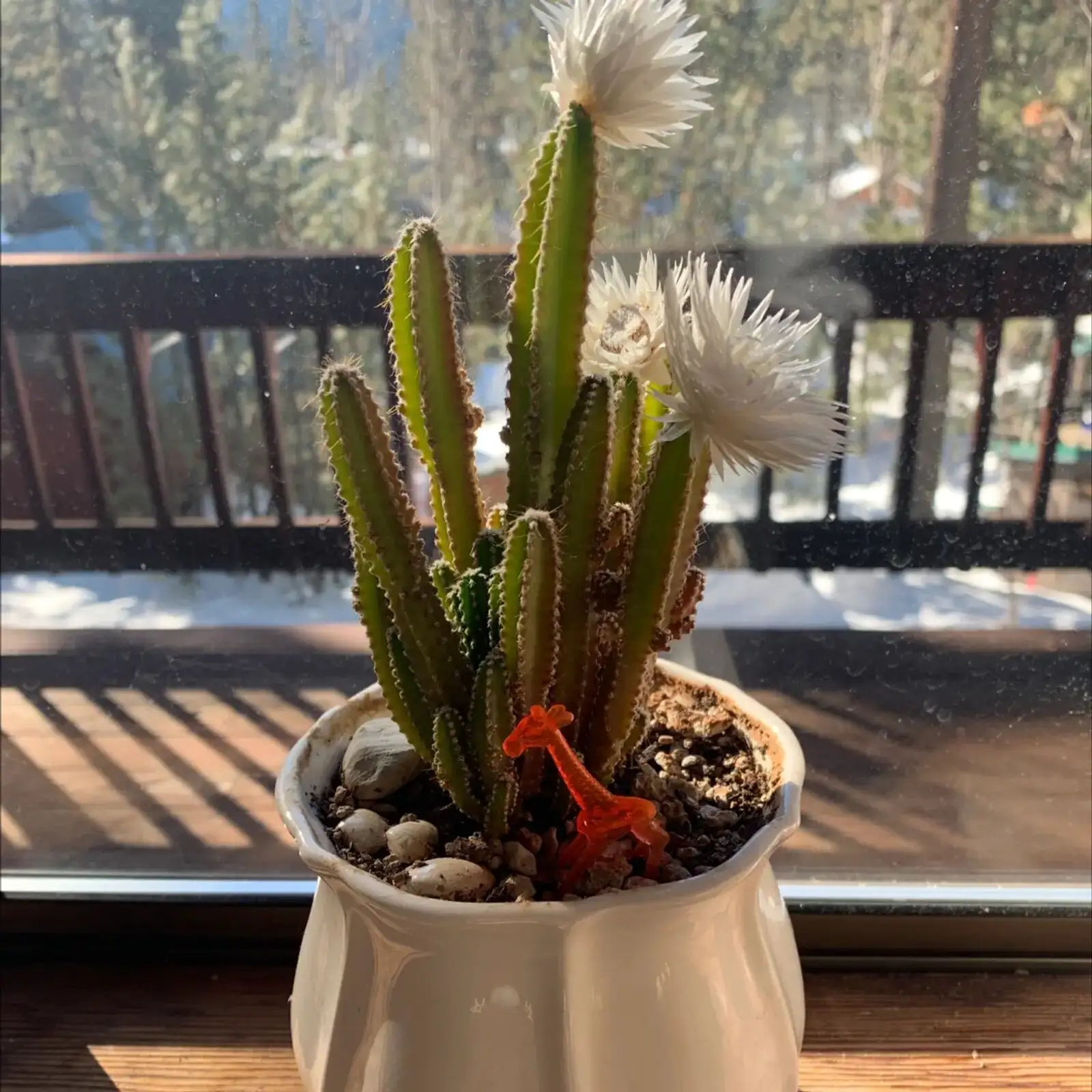
This plant thrives with strong light to full sun. Indoors, aim for 4–6+ hours of direct sun daily.
- Best spots
- Indoors: South- or west-facing windowsill.
- Outdoors (warm seasons): Bright balcony or patio with plenty of sun; shelter from prolonged rain.
- Signs you’ve nailed it
- Compact growth, firm stems, and continued offsetting.
- Signs to course-correct
- Stretching/pale growth = not enough light.
- Yellowed, crispy, or bleached patches = sunburn from too-much-too-fast.
A gentle 2–3 week acclimation plan
- Days 1–5: Bright shade or very soft morning sun.
- Days 6–10: 2–4 hours of direct morning sun, bright light the rest of the day.
- Days 11–14: Extend direct sun windows (add late-morning/early-afternoon if indoors).
- After day 14: Aim for 4–6+ hours of direct sun. Rotate the pot weekly for even exposure.
Watering-by-dryness: simple, safe, and effective
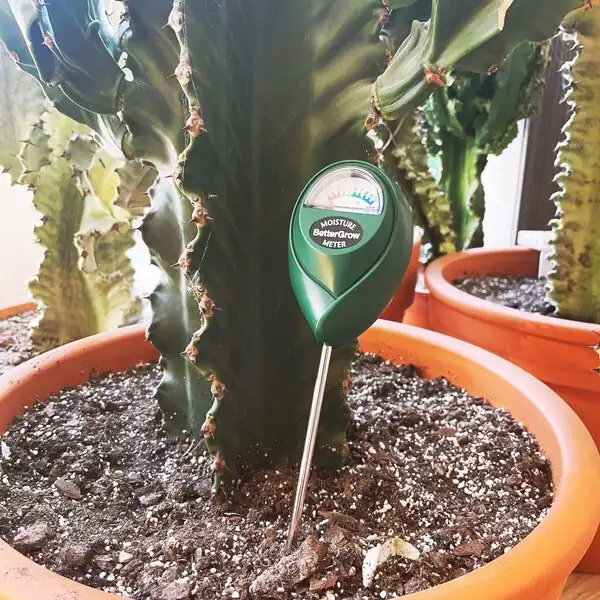
Overwatering is the main way cacti are lost. Your mantra: water deeply, then wait until the mix is completely dry—top to bottom—before watering again.
- How to test dryness
- Finger test is not enough. Use a wooden skewer/chopstick: insert to the bottom. If it emerges clean and dry, it’s time to water.
- Or learn the pot’s “dry weight” by hefting it.
- The soak, then dry method
- Water thoroughly until excess drains out the bottom.
- Never let the pot sit in a saucer of water.
- Frequency in bright, warm conditions: often every 10–21 days. Your conditions may shorten or lengthen this—trust the dryness test, not the calendar.
- Winter watering
- Much less. If kept cool and bright, water very sparingly—or not at all—until growth resumes.
- If the room is above ~18°C (64°F) and very sunny, you may give tiny sips only after full dry-down.
Gritty soil and the right pot
Think desert drainage: quick in, quick out.
- Mix
- Start with a cactus/succulent mix and boost drainage with mineral amendments.
- Target a chunky, airy blend such as:
- 50% high-quality cactus mix
- 50% mineral grit (pumice, coarse perlite, lava rock, or coarse sand)
- Pot
- Must have drainage holes.
- Unglazed terracotta helps water evaporate faster.
- Size: just 1–2 cm (½–¾ in) wider than the root ball—oversized pots stay wet too long.
- Optional top-dress of gravel keeps the base drier and discourages fungus gnats.
Temperature, humidity, and airflow
- Best growth: 18–30°C (64–86°F).
- Keep above about 5–10°C (41–50°F), especially if the soil isn’t bone-dry.
- Humidity: Low to average is ideal. Avoid chronically humid, stagnant air—improve airflow to prevent rot and pests.
Feeding: a light hand
- Spring–summer: Feed with a cactus fertilizer at 1/4–1/2 strength every 4–6 weeks.
- Autumn–winter: Skip fertilizer during the rest period.
Seasonal rhythm and an easy winter rest
- Spring–summer: Maximize light; water only after a full dry-down; feed lightly.
- Autumn: Reduce watering as days shorten; keep bright.
- Winter: Keep bright and on the cool side if possible; stay much drier. This rest helps prevent rot and can improve summer flowering.
Repotting without drama
- When: Every 2–3 years or when root-bound; best in spring.
- Steps
- Water a week prior so roots are pliable, then allow to dry before repotting day.
- Gently unpot; inspect roots; trim away any black, mushy tissue.
- Replant into a gritty, free-draining mix.
- Keep dry 5–7 days after repotting to let any nicks callus, then resume careful watering-by-dryness.
Propagation and light grooming
- Offsets are your friend
- Twist or cut off a small rounded offset with a clean blade.
- Let it callus on a dry surface for 3–7 days.
- Set on/in dry, gritty mix. Wait to water until roots begin forming—then start with very light sips.
- Pruning
- Mostly unnecessary. Remove only dead or damaged offsets.
Pests, problems, and quick fixes
- Common pests
- Mealybugs love to hide in crevices between stems; also watch for scale and spider mites.
- Treatment: Increase light and airflow; use insecticidal soap or alcohol swabs; consider a systemic product where appropriate and legal.
- Soft base or a sour smell = likely rot
- Act fast: Unpot, cut back to firm, healthy tissue, let the wound callus, and re-root in dry, gritty mix.
- Revisit your watering and soil: full dry-down and more mineral grit.
- Stretching (etiolation)
- Move toward stronger light; increase sun gradually to avoid scorch.
- Sunburn
- Pale, corky, or brown patches on the sunward side. Pull back to bright indirect light and re-acclimate slowly.
Buying guide: pick a winner
- Choose a plant that’s firm and solid, with no soft spots or blackened areas.
- No sour/rotting odor at the base.
- Inspect deeply between stems for mealybugs or cottony fluff.
Placement ideas and hardiness
- Indoors: Sunniest windowsill (south or west).
- Outdoors: Bright, sheltered spot during warm seasons; protect from extended rain.
- Not frost-hardy; reliable outdoors year-round only in frost-free climates (approx. USDA 10–12).
Bloom notes: brief, pink, and worth the wait
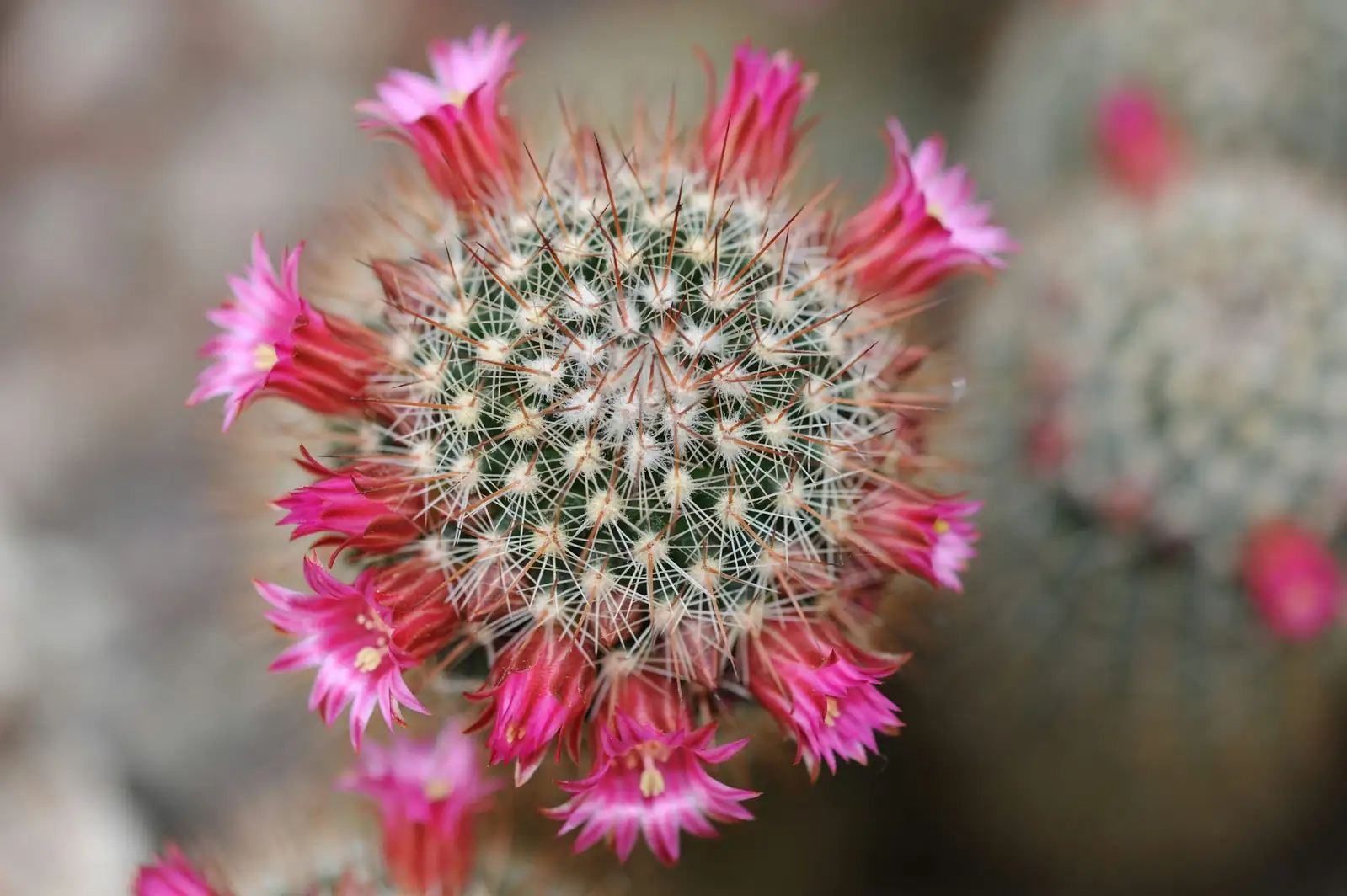
- Expect short-lived pink flowers in summer—sometimes open for just a day.
- Better odds with strong summer light, a bright/cooler and drier winter rest, and careful watering.
Safety
- Not known to be highly toxic, but spines and sap can irritate skin.
- Keep away from curious kids and pets; chewing may cause mild stomach upset.
Symbolism and “flower language”
Across cultures, cacti symbolize resilience, patience, and quiet endurance—qualities earned in harsh conditions. The Sandcastle Cactus’ fleeting blooms deepen that message: beauty can be brief, so attention matters. As for “flower language” traditions (花语), they grew from Victorian-era floriography and later cultural adaptations—not botany. Interpreting this cactus through that lens, its short-lived flowers speak to transience and presence, while its armored, enduring body stands for steadiness over the long haul.
Quick care checklist
- Light: Bright light to full sun; 4–6+ hours daily. Acclimate gradually.
- Water: Soak thoroughly, then wait for a complete dry-down. Much less in winter.
- Soil: Very free-draining cactus mix boosted with mineral grit (pumice, lava rock, coarse perlite).
- Pot: With drainage; terracotta preferred; never leave standing in water.
- Temperature: 18–30°C (64–86°F) ideal; keep above 5–10°C (41–50°F) if not bone-dry.
- Feeding: Lightly in spring–summer; skip in winter.
- Pests: Watch for mealybugs, scale, spider mites; prioritize light, airflow, and prompt treatment.
- Repot: Every 2–3 years; keep dry 5–7 days after repotting.
- Propagation: Offsets—callus 3–7 days, then root in dry, gritty mix.
Grow it bright, keep it gritty, and let dryness be your guide. Even without a precise species name, your Sandcastle Cactus will stack up a happy little fortress of turrets for many seasons to come.